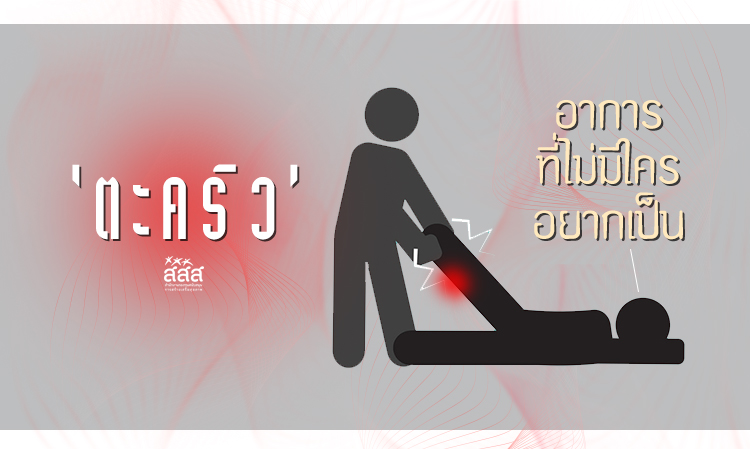
'Cramps' - A Condition No One Wants to Experience
Have you ever been sleeping peacefully only to be jolted awake by cramps? Have you ever been exercising or playing sports when cramps suddenly struck? Even sitting at home watching TV can catch you off guard with cramps. So, what can you do to prevent them?
Cramps are a condition that no one wants to experience, as it can take a while for the muscles to relax, leaving you sweating. Today, the team at the Thai Health Promotion Foundation would like to present a common issue that everyone has likely faced: muscle spasms, commonly known as 'cramps'
What are cramps?
Cramps (Muscle Cramps) refer to involuntary muscle contractions that cause pain and a hardening of the muscle. They occur suddenly and cannot be controlled and are accompanied by pain or discomfort in the affected muscle area. Cramps can occur in any muscle group in the body and typically last only for a short period before subsiding on their own. The muscles most commonly affected by cramps are the 'calf muscles,' followed by the muscles in the front and back of the thighs, the feet, and the back muscles.
'Cramps' are often found in middle-aged and elderly individuals. Although the exact cause of cramps is still unknown, it has been observed that some cases may be related to prolonged sitting or overuse of the muscles. According to Associate Professor Dr. Panya Khaimuk, a member of the Health Promotion Foundation, all muscle groups in the human body contract and relax throughout the day. However, excessive contraction, where the muscle works up to 100% without relaxing, is what we refer to as 'cramps.'
Additionally, experiencing 'cramps' is associated with various conditions such as pregnancy, dehydration, neurological and muscular disorders, endocrine diseases, or the use of certain medications like diuretics.
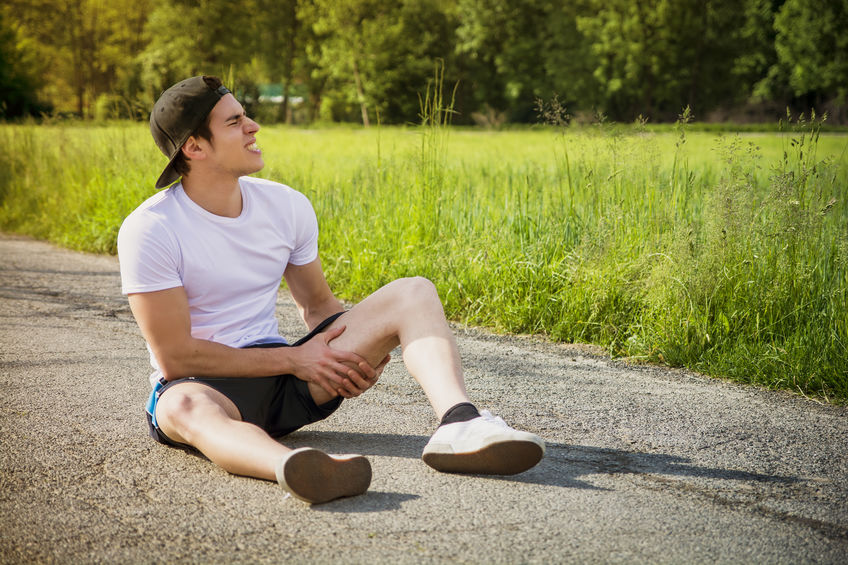
Cramps and Exercise
Experiencing cramps during exercise can result from various factors such as dehydration, electrolyte imbalance, or muscle injury. The nervous system signals the body to stop functioning (contract) when overstimulated or overexerted. Associate Professor Dr. Panya explains that engaging in sports or exercise can push muscles to work at 100%. To avoid cramps, it is advisable to operate at only 70%, such as jogging slowly instead of sprinting, which can help prevent cramps and injuries.
Moreover, 'cramps' are also a leading cause of drowning, as sudden muscle pain and hardening can prevent swimming, leading to drowning. Therefore, stretching muscles before exercising and avoiding overexertion can help reduce the incidence of cramps.
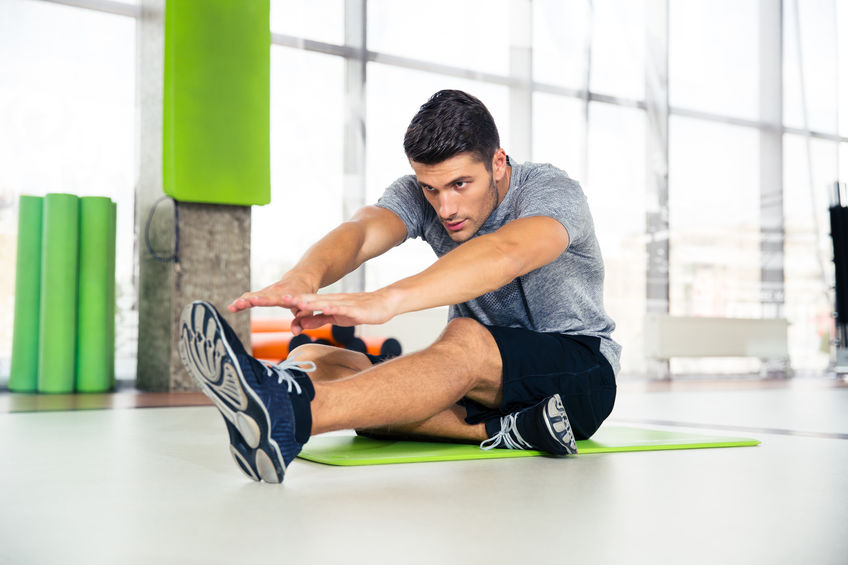
Cramps and Sleep
Many people may have woken up in the middle of the night due to muscle pain from cramps. Therefore, coping with this condition involves positioning yourself comfortably while sleeping, possibly using a pillow to elevate your legs about 10 centimeters above the bed, keeping warm with blankets, and drinking milk before bed to increase calcium intake.
What should you do when cramps occur?
There are many techniques for caring for the muscles affected by cramps. Today, the team at the Thai Health Promotion Foundation has compiled some simple methods that you can do yourself.
-
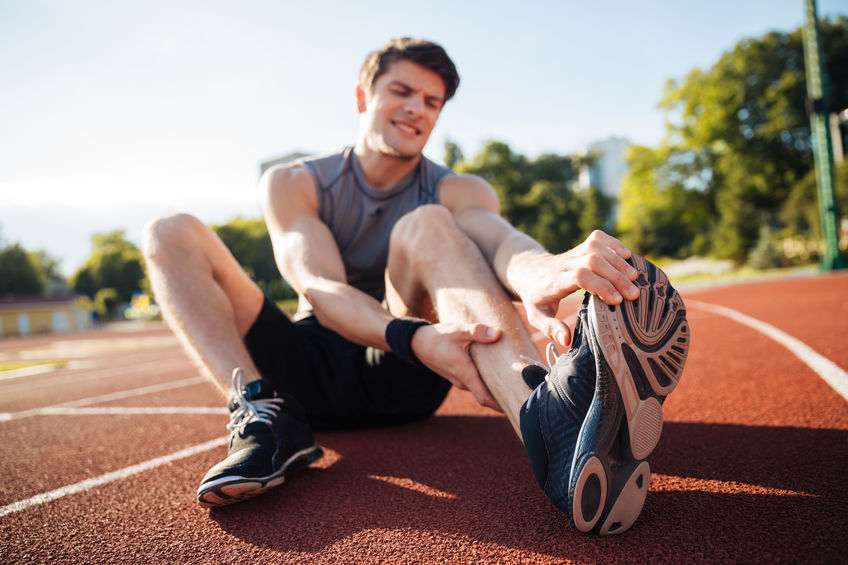
Positioning to stretch the cramped muscle should be done gently, gradually increasing the stretch until reaching the full range of motion. Hold for a moment until the muscle relaxes, but avoid stretching too forcefully, quickly, or abruptly, as this can cause the muscle to tighten further. Associate Professor Dr. Panya recommends a method for stretching the calf muscle during cramps by pressing the toes with your hand and holding for 2-3 minutes to help relieve the tightness.
-
Massage the muscle should alternate with stretching for example, gently kneading the cramped muscle for 1-2 minutes, followed by stretching for another 1-2 minutes, which can help the muscle relax. However, avoid applying strong pressure, as this can stimulate further tightening of the muscle.
-
Applying warmth or heat to the cramped muscle is advisable for frequent cramps. For instance, using a warm, damp towel to compress the affected area or applying a hot water bag wrapped in a towel for about 20-30 minutes can help increase blood flow to the muscle and reduce tightness.
To prevent cramps, it is essential to keep your body strong and healthy regularly. Consuming fruits and vegetables or herbs rich in potassium, magnesium, and other minerals, such as bananas, tomatoes, oranges, and cantaloupe, is beneficial. Associate Professor Dr. Panya adds that if you can prevent your muscles from tightening to 100%, it can also help prevent cramps.
Regular exercise and a balanced diet will contribute to good health. The Health Promotion Foundation encourages physical activities for all age groups, including consuming at least 400 grams of vegetables daily, dividing meals into a 2:1:1 ratio of vegetables or fruits, grains, and protein. By doing this, you can maintain good health and not worry about cramps anymore.
Thank you for the information from www.thaihealth.or.th