Transforming Negative Emotions into Positive Ones
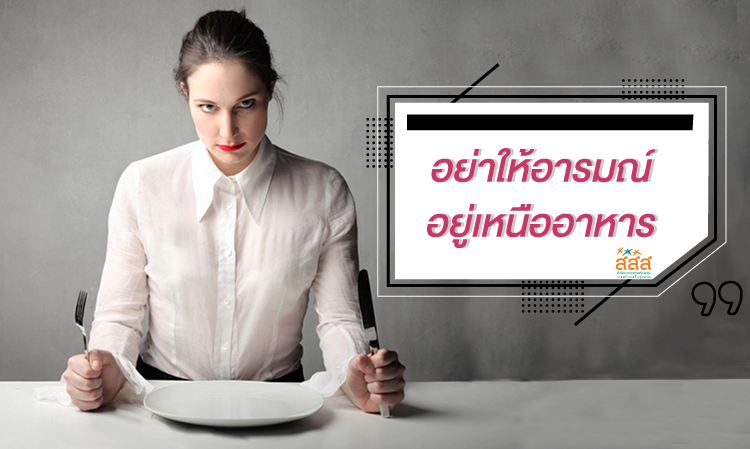
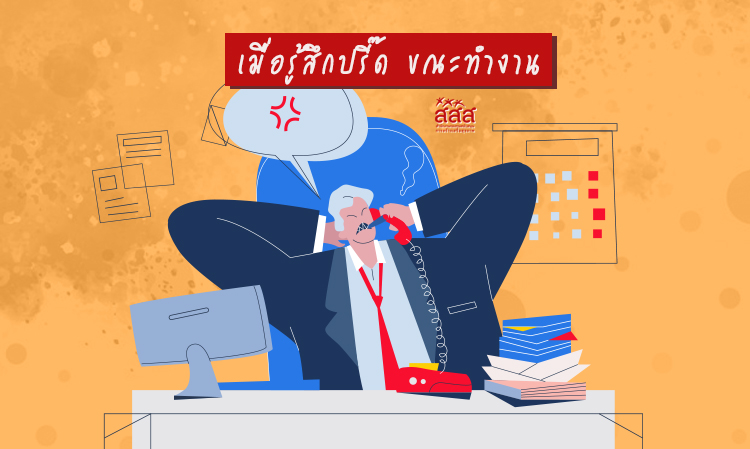
Many times, people experience negative emotions due to various stimuli that affect their minds, whether it's frustration and stress from being stuck in traffic and arriving late to work, being reprimanded by a boss, hearing unpleasant remarks, feeling dissatisfaction, or frequent arguments with a demanding partner that lead to feelings of anger, resentment, or sadness. So, how can we cope with these negative emotions and transform them into positive feelings?
1. Self-awareness Whenever negative emotions arise, being aware of them can help reduce their intensity. For example, someone who recognizes that "I am angry" can lessen their anger. Similarly, someone who acknowledges "I am frustrated" can reduce their frustration, allowing for better decision-making. You can practice self-awareness by regularly asking yourself, "How am I feeling?" and answering with "I am..."
2. Breathing Being mindful of your breath is a form of meditation that helps calm your emotions and mind. Start by practicing while lying down, and once comfortable, transition to sitting and standing. Develop a habit of relaxed breathing. There are various breathing techniques; a simple basic method includes counting while coordinating your breath in and out, using mantras like "In-breath: Buddha, Out-breath: Dharma" or "Inflate: Deflate," which are foundational to yoga or meditation.
3. Muscle relaxation This can be done with any tense muscle group. Start from a position where all body parts are as relaxed and comfortable as possible, then gradually relax those muscles until you feel maximum relief. This method can effectively alleviate headaches, general pain, and insomnia.
4. Autonomic control training The simplest method is to practice warming your palms. Hold your palms at chest level, facing each other with a gap of about 2-3 inches. Slowly move your palms apart and then back together, maintaining a slow rhythm while focusing on the sensations in both palms. This will generate warmth due to the dilation of blood vessels in your hands. It's recommended to practice for at least 5-10 minutes.
5. Visualization Try imagining beautiful things to relieve stress, or apply therapeutic techniques that can enhance the effects. For instance, think about things that cause fear while in a relaxed state. Start by relaxing your muscles, then gradually visualize stimuli that induce fear, progressing from the least to the most frightening. Facing discomfort in a relaxed state can ultimately foster positive emotions and tranquility.
6. Positive thinking Scientifically, thoughts are linked to the brain; when you think one way, the brain responds accordingly. For example, thinking about health under stress, pressure, or depression can intensify pain. Conversely, when relaxed or happy, pain diminishes. Thus, thoughts can guide the body towards happiness or suffering.
7. Positive mindset Our own negative thoughts, such as dwelling on losses, fixating on the past, or fearing change, contribute to stress. The more we face various pressures, the more this stress can lead to emotional suffering. When stress and negative thinking combine, they can accumulate into anxiety, and over time, lead to despair and depression.
In addition to relieving stress through emotional management, addressing thoughts can help eliminate long-term suffering. The main method is to shift negative thoughts to positive ones (Positive Thinking), which empowers us to live, especially in finding opportunities amidst obstacles (Turning Obstacles into Opportunities). This perspective allows us to see the benefits of problems; for instance, losing a job can be viewed as a great opportunity to find new, more challenging, or interesting work than before. This positive thinking is beneficial in the long run, as it helps us view problems as lessons for future improvement.
Thank you for the information from www.thaihealth.or.th