When the Trend of 'Adulthood' is 'Better Living Spaces'
Throughout history, humanity has always sought a better life, leading to new technologies and innovations that have transformed and improved quality of life. From ancient times to the present, although the definition of what constitutes a 'better life' varies across eras, the driving force behind humanity has always been 'the pursuit of better things to achieve an improved quality of life'.
The older we get, the more we seek a better life
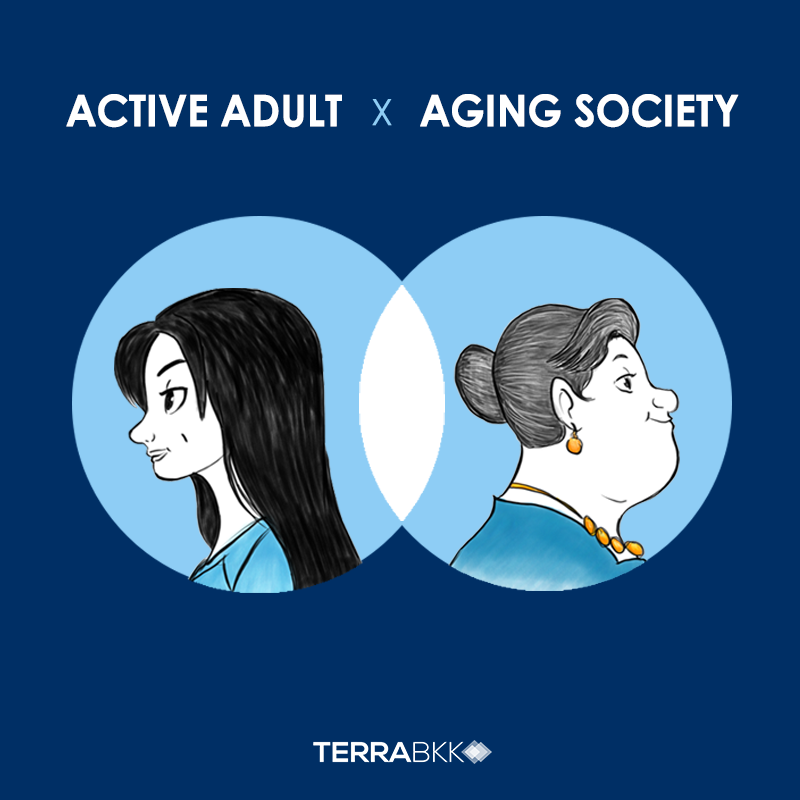
In recent years, there has been an increasing discussion about the global population trend concerning the Active Adult demographic. Previously, the term Active Adult referred specifically to individuals aged 55 and older, leading to its perception as a label for the elderly. However, between 2016 and 2018, the distinction between Active Adults and the Aging Society became clearer due to significant behavioral differences. The Active Adult group exhibits a more diverse lifestyle compared to the elderly, indicating that Active Adults are not merely seniors but rather 'active adults'. This demographic is financially stable and still in the workforce, making them capable of purchasing high-value assets like housing. Consequently, global population trends are increasingly focusing on the behaviors of Active Adults and striving to meet their needs.
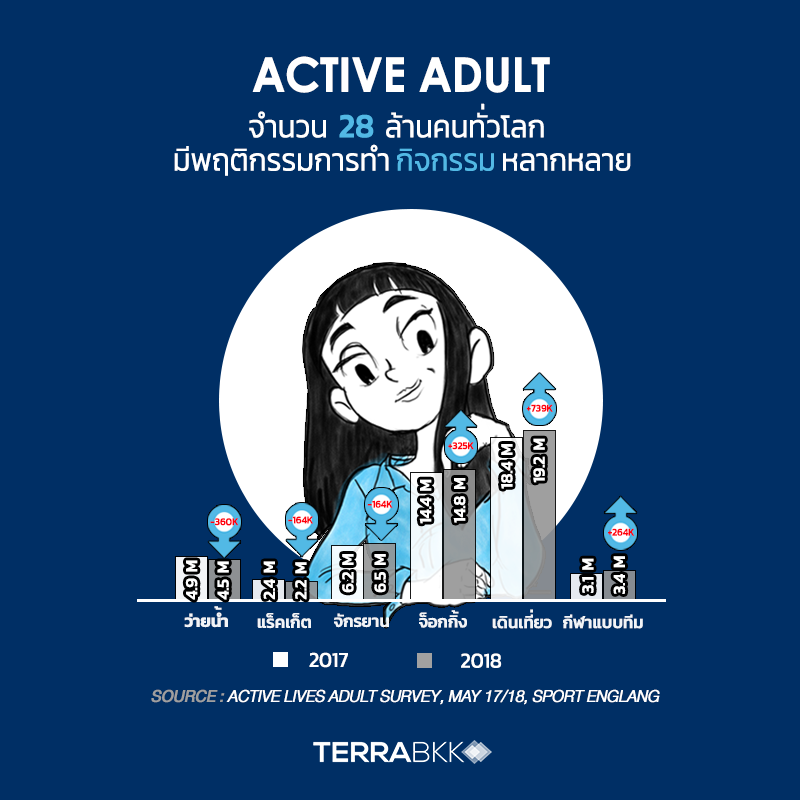
Research from the Active Lives Adult Survey, May 17/18 Report by Sport England (published in October 2018) indicates that Active Adults are increasingly engaging in both group and individual activities. Notably, the research highlights that Active Adults show a clear interest in health care, exercise, and group volunteer activities. Over half of Active Adults, or 62.3%, spend an average of more than 150 minutes per week on outdoor activities, exceeding the standard exercise recommendations for the general population.
A deeper look into the research reveals that over 62.3% of the Active Adult population, approximately 28 million people, engage in a variety of activities rather than focusing on just one. Comparing the volume of activities over 28 days between 2017 and 2018 shows that overall participation remained similar, but there were fluctuations in specific activities. For instance, individual activities like swimming, racquet sports, or cycling decreased, while activities such as jogging, hiking, adventure sports, or group sports increased. Interestingly, the most popular activity among Active Adults this year is volunteering.
This indicates that Active Adults are leading more balanced lives and are increasingly interested in community engagement to achieve complete well-being.
Old trends fade away as the new Live-Well trend emerges
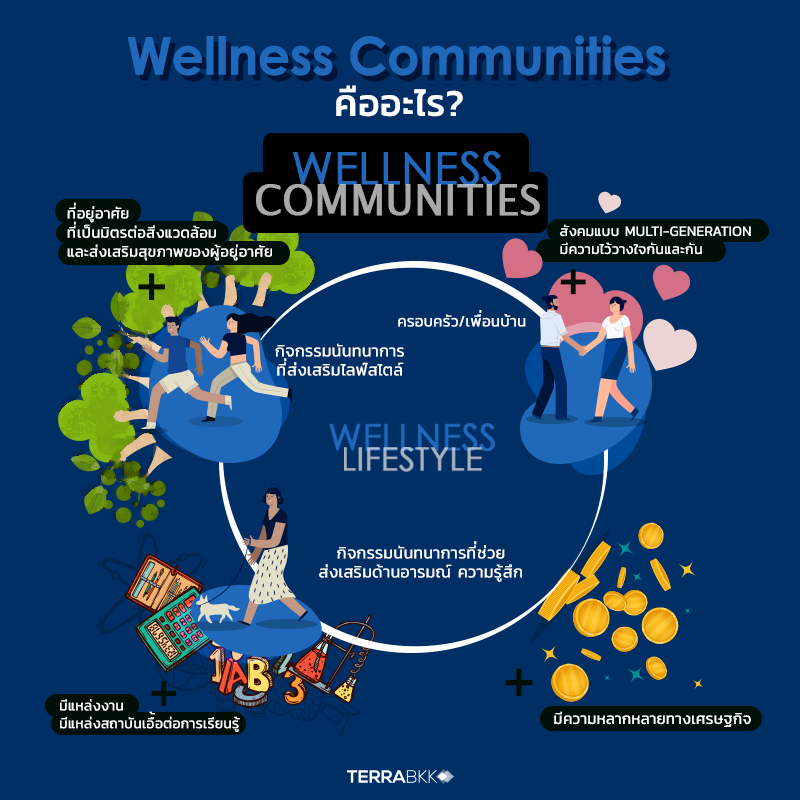
The behavior of the quality-demanding Active Adults reflects a growing interest in self-care, improving living quality, and increased social activities, leading to the trend of developing living spaces that emphasize balanced quality of life, known as Wellness Communities. This development not only addresses individual quality of life but also creates an environment conducive to holistic living, which is increasingly growing in many countries worldwide.
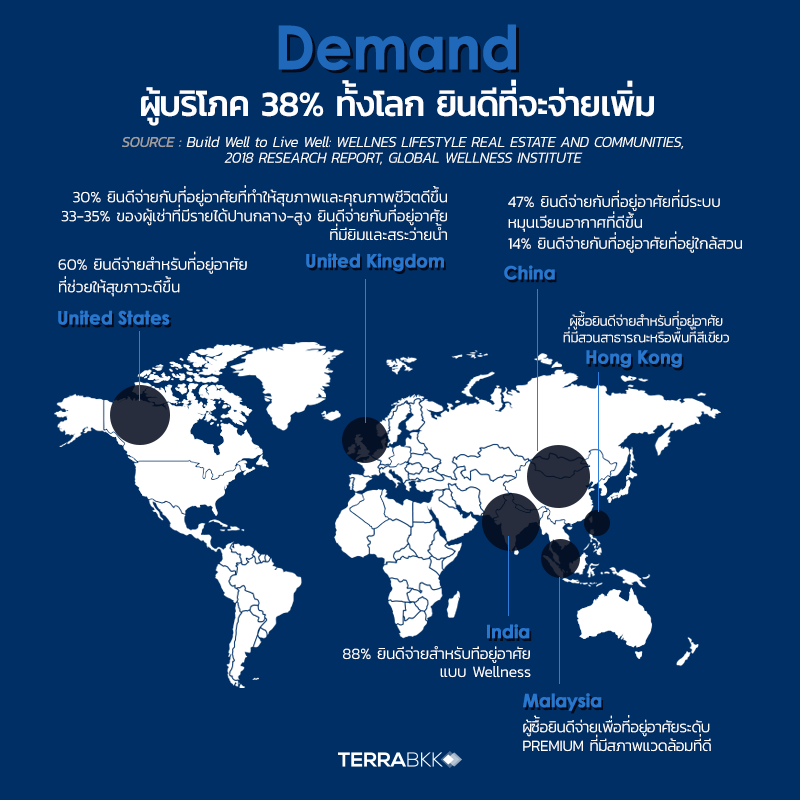
In terms of demand, the report Build Well to Live Well: Wellness Lifestyle Real Estate and Communities by the Global Wellness Institute found that an average of 38% of consumers worldwide are willing to pay more for housing in environments with improved health conditions, especially those that provide access to health-related activities such as fitness classes, streaming, yoga classes, group exercise, and other social activities.
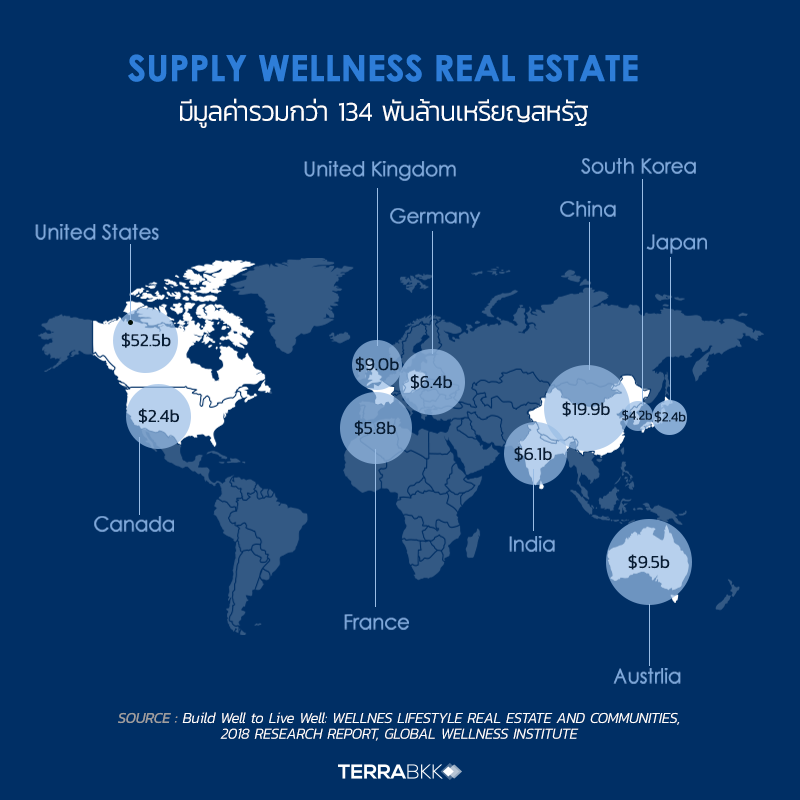
On the supply side, the same report indicates that Wellness Real Estate is valued at over $134 billion, or over 4.42 trillion baht, growing at an average of 4.9% and more than 7% in North America and the Asia-Pacific region. The country with the highest value of Wellness Real Estate is the USA, valued at $52.481 billion, followed by China at $19.940 billion.
In Southeast Asia, where Wellness Real Estate development began in 2017, only Singapore with a value of $819 million (ranked 18th), Indonesia with $571 million (ranked 23rd), and Vietnam with $482 million (ranked 24th) were involved.
The trends above indicate a significant growth in the demand and supply for Live-Well housing, prompting Sansiri, which never stops innovating for the best developments for consumers, to adopt the concept of Wellness Communities in their project development, creating an environment for living that has never been done before, choosing the location of Bangkok Krungthep that offers a complete Live Activities & Good Environment conducive to balanced living.
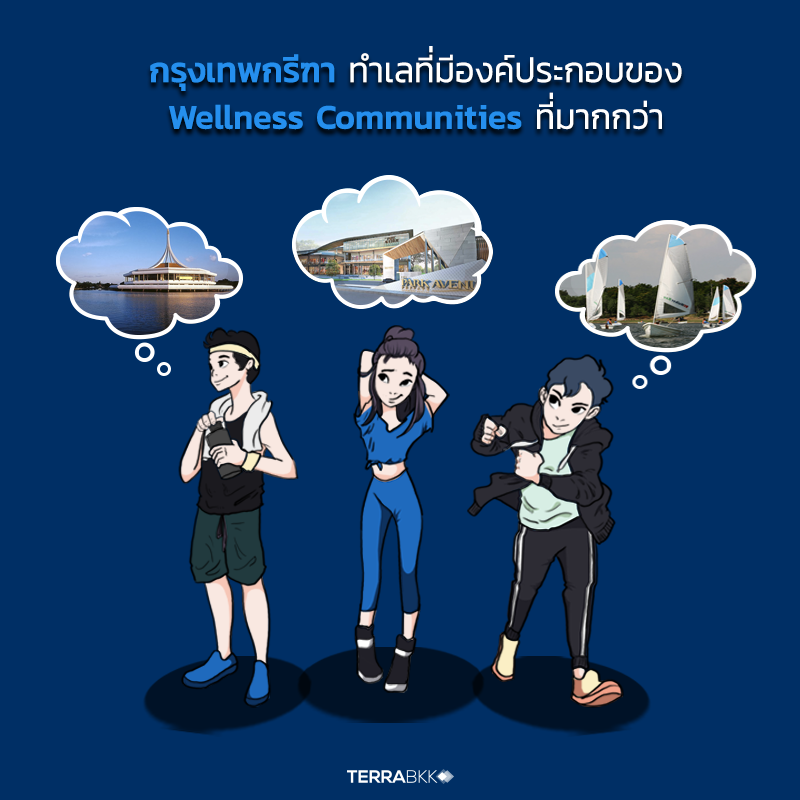
Bangkok Krungthep: A Location with More Elements of Wellness Communities
As mentioned earlier in the article, the components of Wellness Communities extend beyond just the amenities within the project; they also encompass environmental factors, public utilities, social dimensions, and a good living environment. The Bangkok Krungthep location aligns well with these factors.
In terms of transportation, Bangkok Krungthep is connected by the Krungthep Road to other major roads, including Rama 9 Road,Srinakarin Road, Ramkhamhaeng Road, the motorway and Kanchanaphisek Road. Additionally, it connects to the Yellow Line Skytrain from Ladprao to Samrong at Sri Krungthep Station.
In terms of amenities, the Bangkok Krungthep area is surrounded by community malls, shopping centers, and restaurants such as The Park,The Nine Center, Kurve7, The Paseo Town, London Street, Tesco Lotus and Max Value Pattanakarn.
In terms of educational institutions, there are several options, including Brighton International College, Wellington College International Bangkok (WCIB),Assumption University (ABAC) and Udomsuk Pattanakarn School. Nearby hospitals include Samitivej Srinakarin Hospital, Piyavate Hospital, Rama 9 Hospital and Bangkok Hospital.
Another important factor that makes Bangkok Krungthep an ideal location for developingWellness Communities is the abundance of recreational spaces that facilitate various activities, such as King Rama IX Park, Nong Bon Water Sports Center, Bangkok Krungthep Sports Club and Unico Grande Golf Course.
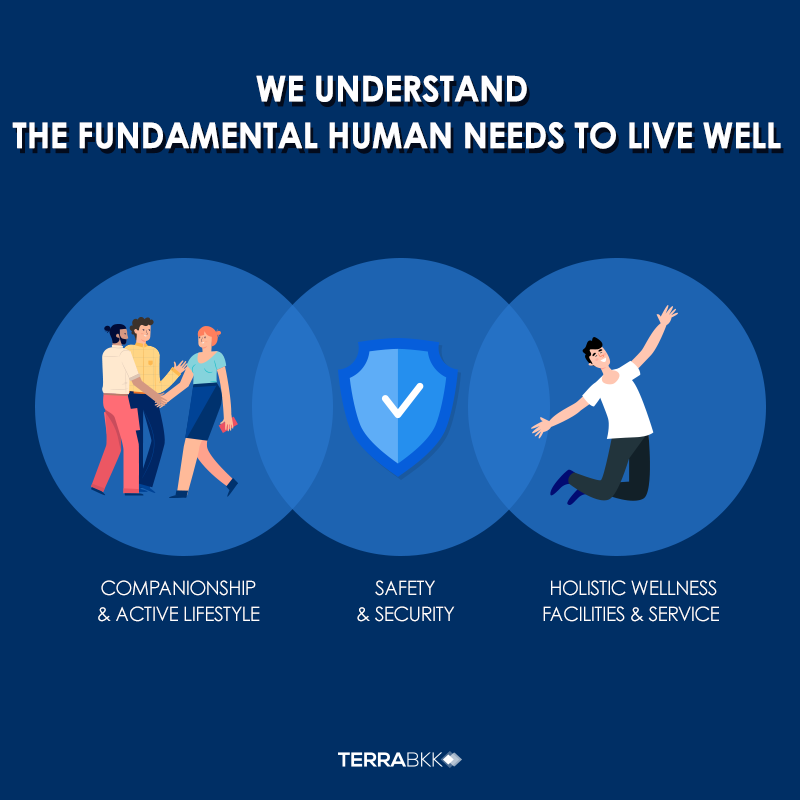
Wellness Residence: A Health-Conscious Condominium by Sansiri
Japan ranks as the 10th highest country in the world for the value ofWellness Real Estate with leading property developer Tokyu Corporation playing a key role. To develop the Wellness Residence project as a health-oriented living space for all ages, Sansiri has partnered with Tokyu along with collaboration from Samitivej Hospital, a leader and expert in health care in Thailand, ensuring the success of Wellness Residence as a perfect health-conscious community.
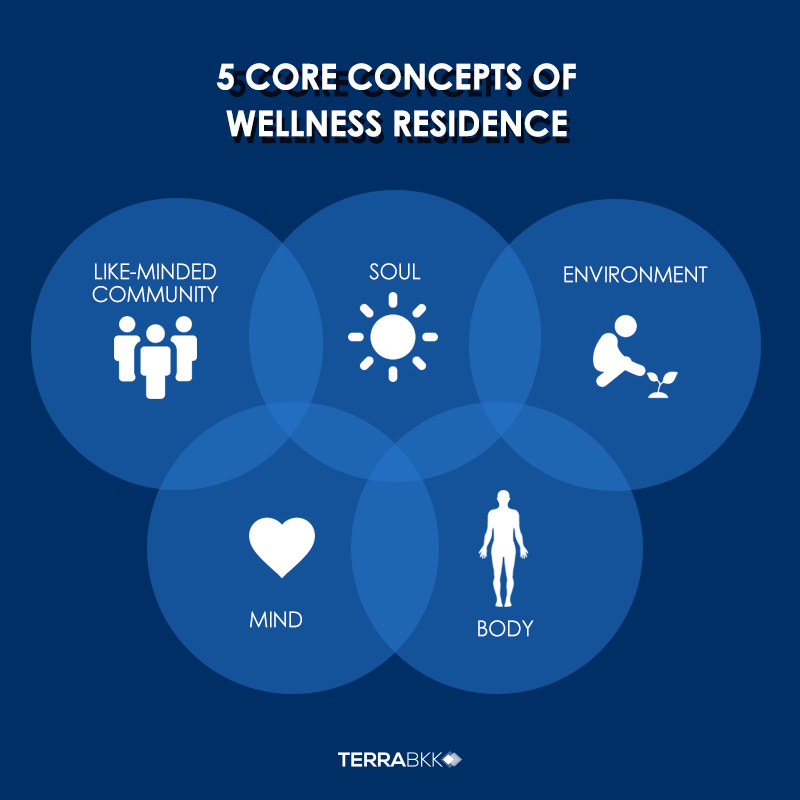
The Wellness Residence project currently under development is located in Bangkok Krungthep, designed with a Human-Centric approach that encompasses social integration, lifestyle, safety, comfort, health activities, and health services. Construction will aim for WELL Certification from the International WELL Building Institute, ensuring a healthy living environment and aiming to establish this project as the first Wellness Communities in Thailand.
By adopting the health trend as the main concept of the project, Wellness Residence by Sansiri is garnering significant attention, catering to the lifestyle of health enthusiasts regardless of gender or age. Every aspect, both inside and outside the project, including nearby facilities such as the Bangkok Krungthep Sports Stadium, enhances the unique appeal of Wellness Residence as a Live-Well residence. In the modern world, housing must offer more than just comfort and convenience or a good location; it must also enhance quality of life in various aspects, particularly health. - เทอร์ร่า บีเคเค
Article by: TerraBKK Investment Tips
TerraBKK: Find good, valuable, and affordable homes