Creative Space: A Gathering of Creative Businesses in an Era of Retail Decline
In Bangkok, no matter where you drive, you will see community malls consistently occupying prime locations. The growth of community malls has been notably evident over the past five years, especially in areas that serve as hubs for travel, residence, and work. Community malls have become one of the channels that allow retailers to get closer to their customer base. Nowadays, we see community malls diversifying to cater to specific groups, evolving into what we call Creative Space, a venue for creative professionals, designers, or freelancers
Although it hasn't been long, many Thai people have already forgotten that our country once had an economic policy with a catchy name: Creative Economy: เศรษฐกิจสร้างสรรค์. Before we could truly see its impact, it was overshadowed by a new economic policy called Thailand 4.0. Even though the name has changed beyond recognition, the essence of economic development remains focused on aligning products and businesses with current market demands, transitioning from creativity to 4.0. Both approaches continue to coexist in economic development.
Is Creative Space the Right Solution for the Declining Retail Era?
The concept of Creative Space seems timely, but there are no guarantees for its longevity. This is because the decline of retail is becoming increasingly evident. Consumers are turning to online services, leading to a decrease in in-store purchases, making it difficult for retailers to connect with customers. A clear example is Kmart, the third-largest retailer in America, which has faced a revenue drop of two-thirds, while Amazon has grown to $89 billion. This does not even account for Alibaba, which is continuously expanding.
According to data from McKinsey, there are five key factors making it challenging for retail businesses: changes in consumer demographics, the elevation of each country in the global economy, shifts in consumption patterns, technology, and business structure enhancement. It is predictable that retail will need to find ways to create User’s Experience to reach customers and retain them.
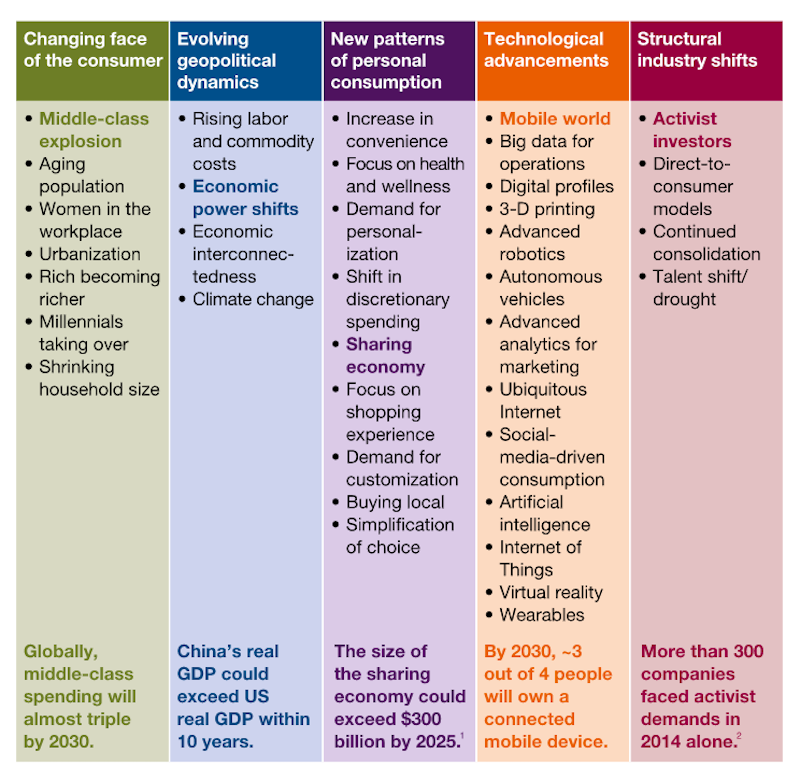
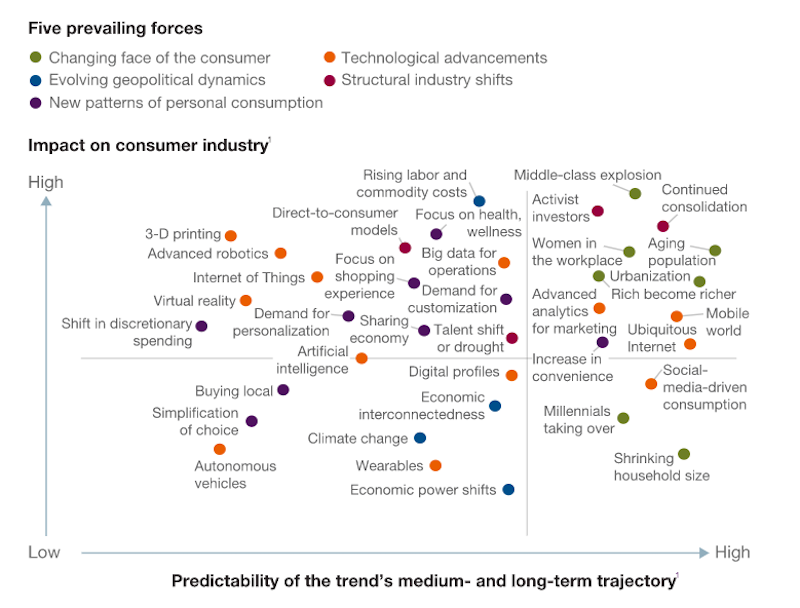
Data and images from: https://www.mckinsey.com/
Creative Space, as the name suggests, is a hub for creativity and an opportunity to create User’s Experience for creative businesses. Let's explore what these Creative Spaces have to offer.
Warehouse 30
Born from the collaboration of Duangrit Boonnak and Rangsima Kasikranan, a former editor of Elle Décor, this old warehouse has been transformed into a 4,000 square meter Creative Space. The area is divided into Food & Beverage Zone, Concept Stores, Screening Room, and Multi-Functional Creative Space, allowing visitors not only to shop but also to meet and collaborate with like-minded individuals, providing more opportunities for creative businesses to showcase their work.
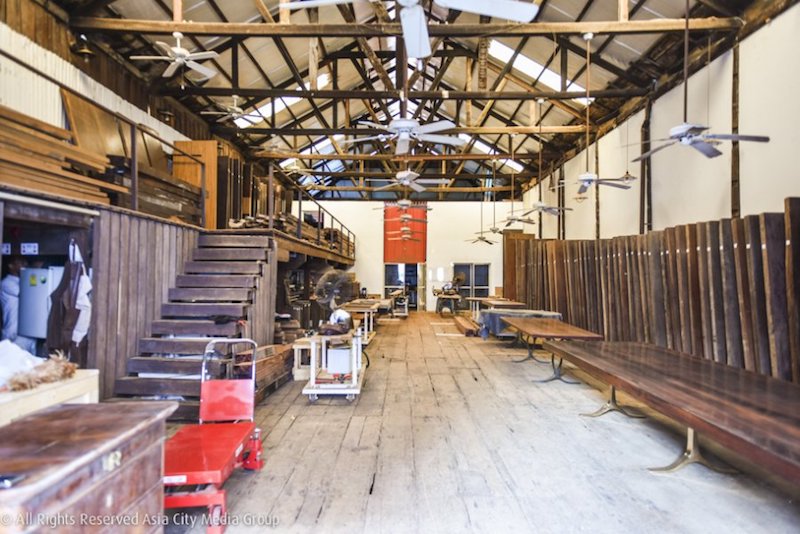
Thanks for the quality from: http://soimilk.com/
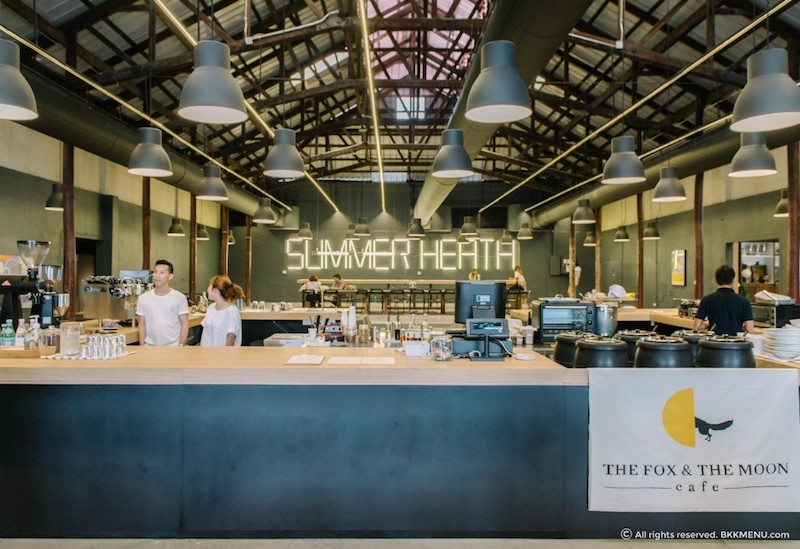
Thanks for the image from: http://www.bkkmenu.com/scoop/scoop-warehouse30
Chang Chui
This Creative Space was created by the founder of the fashion brand Flynow, utilizing a vacant area in the heart of Thonburi. Admittedly, the location is not very accessible by private car. The space is divided into an Art Gallery, Theatre, Cinema, Co-working Space, Café & Restaurant, Design Studio, Exotic Garden, Vintage Barber, Private Museum, Thailand Showcase, Music Store, Book Store, Tea House, Creative Shop, and Fashion.
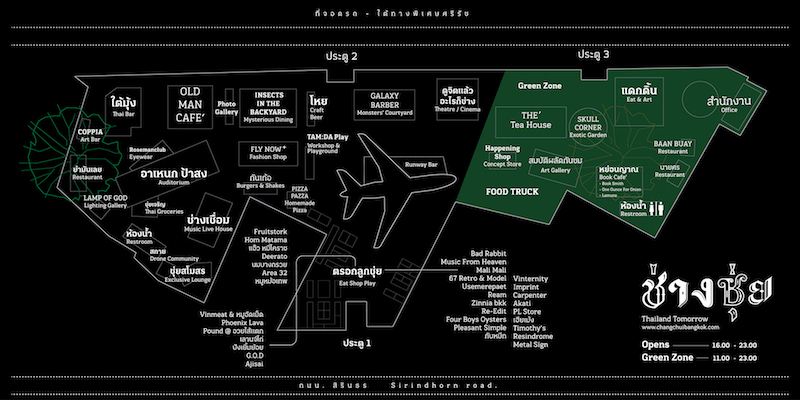
Thanks for the image from: http://www.changchuibangkok.com/

Thanks for the image from: https://travel.mthai.com