The Waterway Tells a Story: The Living City of Phra Khanong Whispers the Secrets of the Canal that Preceded the Old Capital—Why This Place is a Witness to Many Lineages
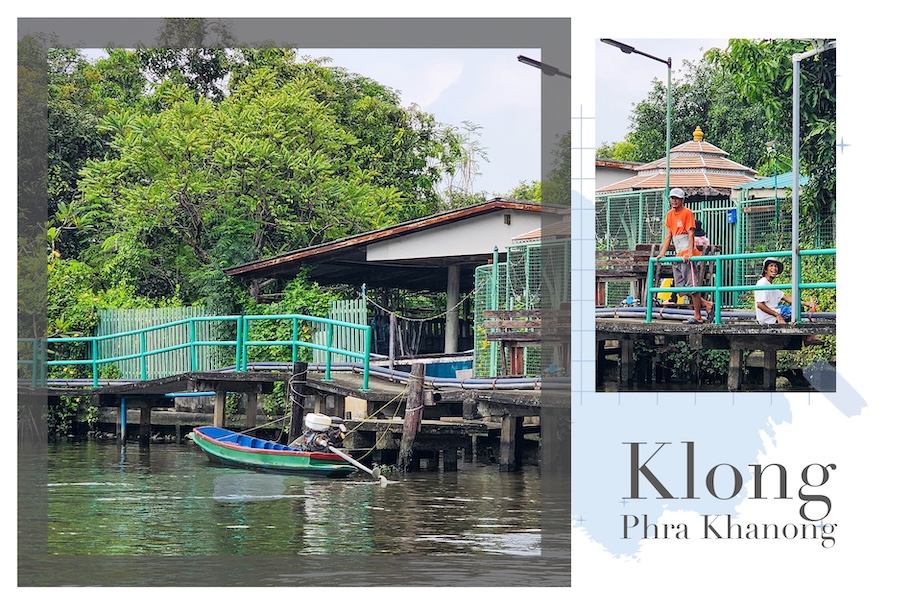
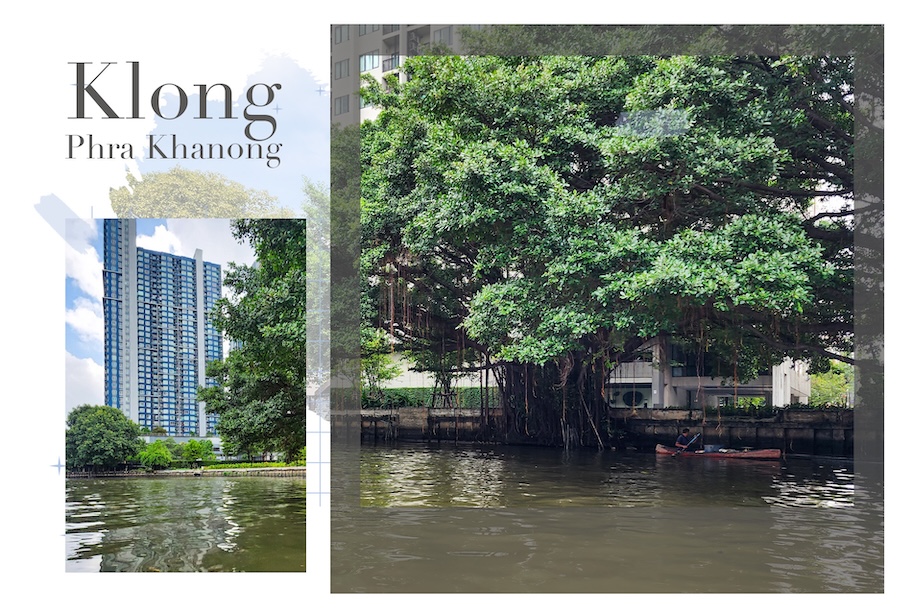
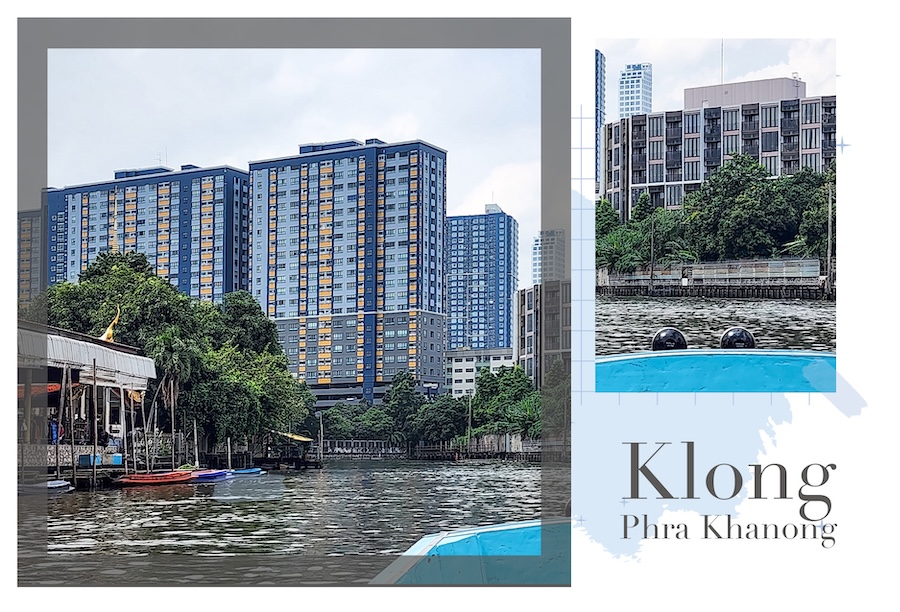
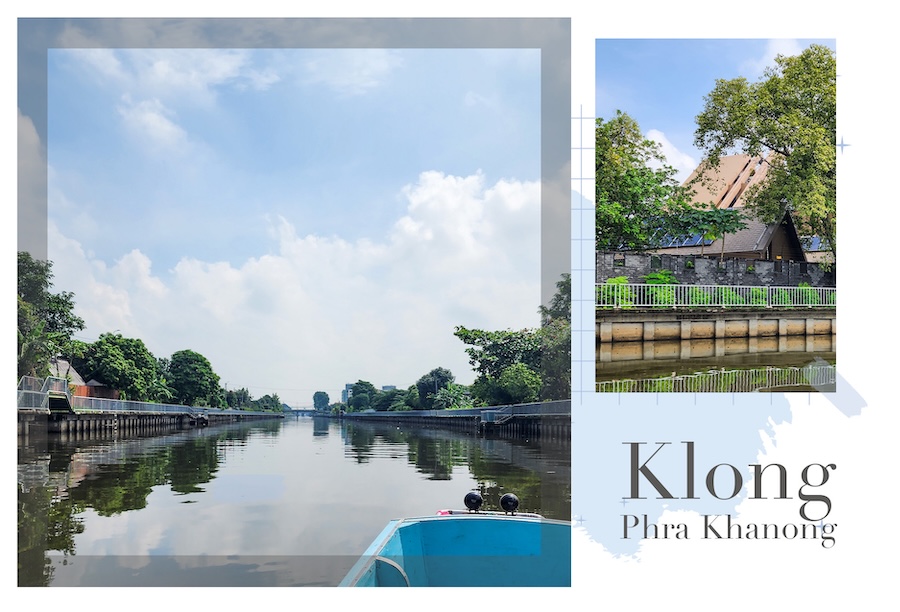
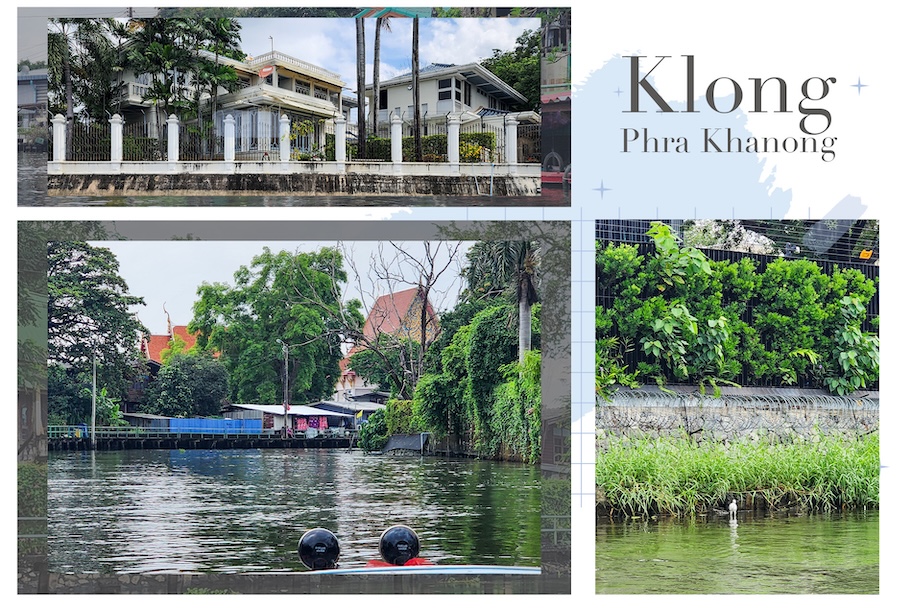
As the long-tail boat glides out of the mouth of the Phra Khanong Canal, the sound of the engine pierces through the water, splashing against the old wooden houses, as if the water is whispering, "Hold on tight, I will take you back in time." The reflection on the water's surface makes it seem like we are sailing on the pages of an old book, with some pages depicting Buddhism, others Islam, and some showing remnants of traditional lifestyles. This is the true charm of the Phra Khanong Canal—a canal that, despite the city's transformation, still serves as a living museum of a community older than Bangkok itself.

Roots Older than the Capital
The Phra Khanong Canal has often been misunderstood as a man-made canal, but it is actually a "natural canal" that originated alongside the Chao Phraya River. Its winding shape is a fundamental characteristic of this centuries-old waterway, narrating the route from the city to the eastern plains of Bang Kapi–Prawet, before urban expansion enveloped the canal's banks.
Key Turning Points in Strategy and Legend During the Reign of King Rama III
During the reign of King Nangklao, the Phra Khanong Canal served as a "main route" connecting to the Saen Saeb Canal, a strategic supply line during the war with Vietnam. By the end of the same reign, the tale of "Mae Nak Phra Khanong" emerged at Wat Mahabut, making this area a name known throughout the country. The difference lies in perspective—the legend gave the Phra Khanong Canal its name, but it is the real lives of the people along the canal that give this place its meaning.
A Vital Economic Route Pioneered in the Reign of King Rama V
When the canal was extended to the Bang Pakong River and named "Khlong Prawet Buriram," the Phra Khanong Canal became the main route for people traveling from Bangkok to the eastern provinces. Trade, agriculture, and transportation all utilized this same waterway to connect lives.
From Mail Canals to Mall Canals: Riverside Life Adapting to the 21st Century
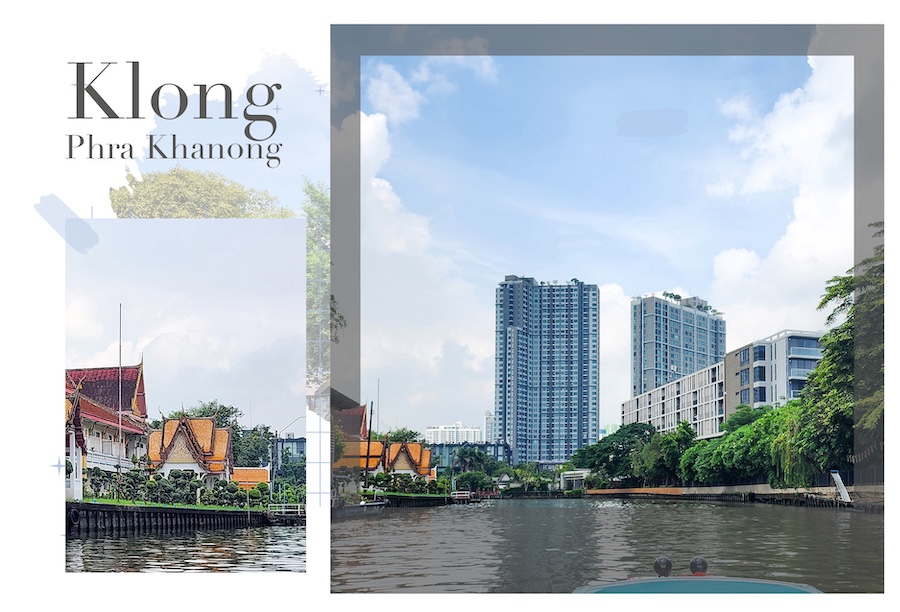
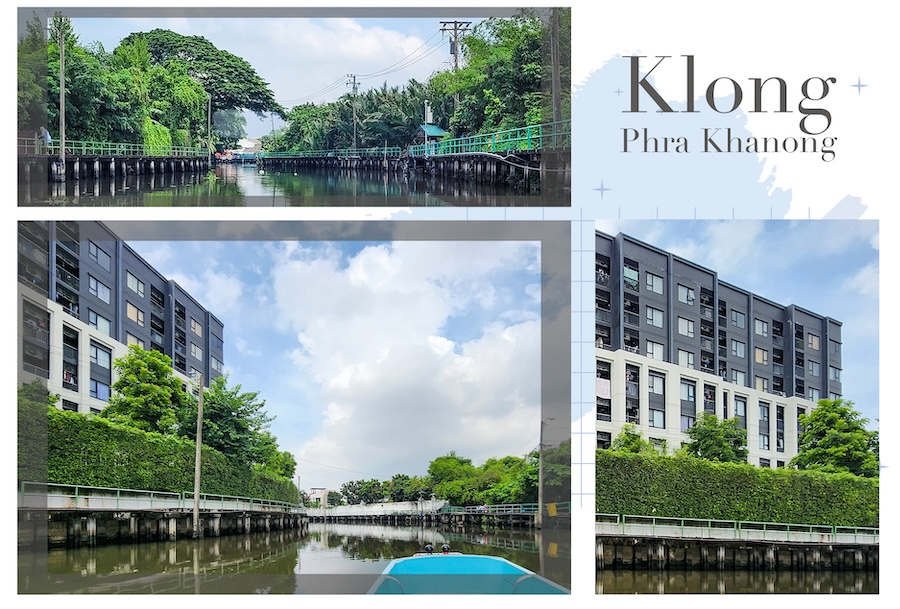
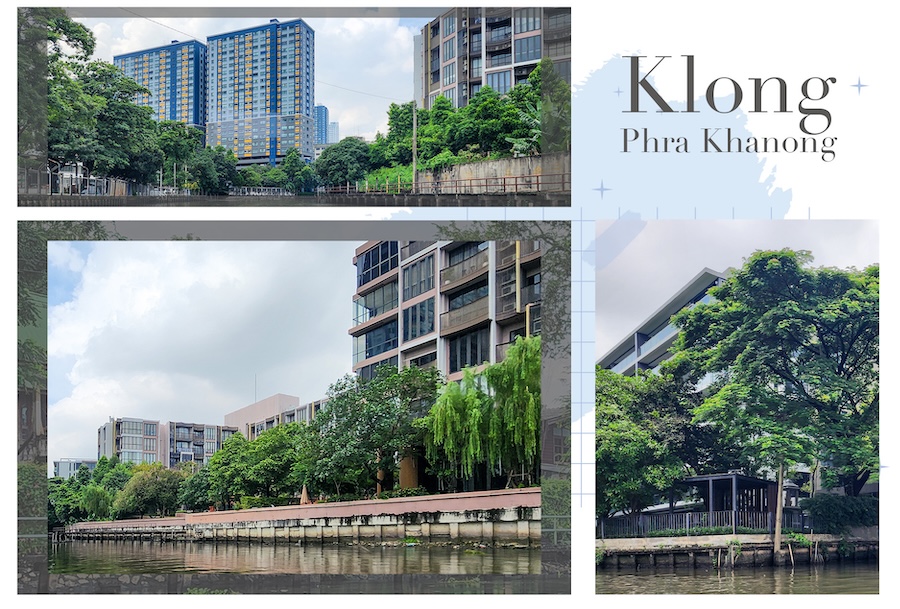
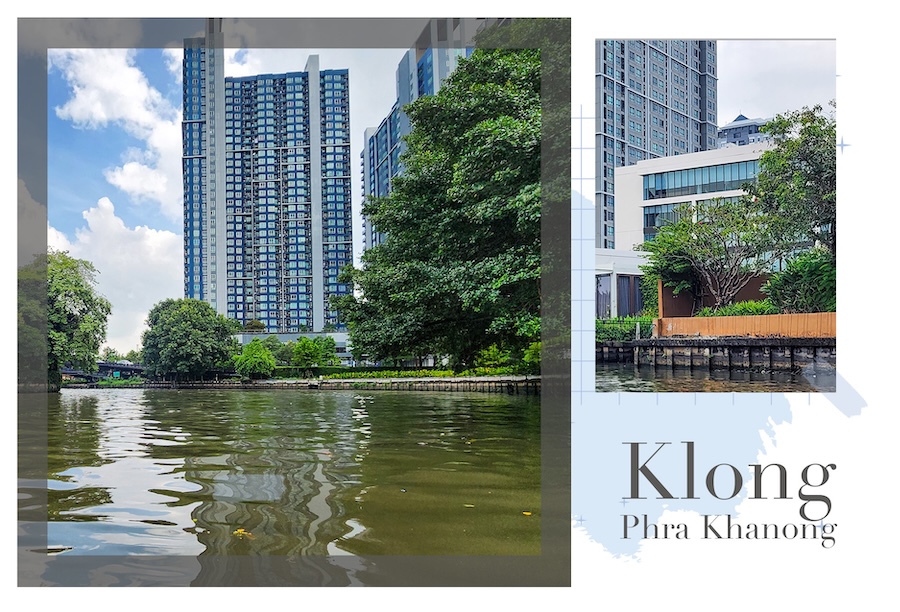
Even as Bangkok grows with roads and skyscrapers, the riverside community remains vibrant along the Phra Khanong Canal. In some stretches, people still use long-tail boats to navigate narrow alleys inaccessible by car. Some households continue to grow vegetables along the banks, maintaining traditional farming practices, while on the other side of the canal, the BTS and new condominiums are constantly emerging. Today, the most important role of the canal is serving as the main drainage canal for eastern Bangkok, with the Phra Khanong Pumping Station, a large facility that helps prevent flooding in the city every year.

From River Mouth to Metropolis: Decoding Bangkok's Transition Along the 'Chao Phraya-Phra Khanong-Srinakarin' Axis
Sailing from the head of the canal along the Chao Phraya River to Srinakarin is a journey through the poetry of ancient communities, contemporary culture, and the new urban economy along the same distance.

1. Phra Khanong Pier – Left Bank
The starting point of everything, an old trading area of Thai-Chinese descent that was once connected by the Phra Khanong BTS, transforming the bustling pier of the passenger boat era into a crucial transfer point for buses and boats to this day.
2. Wat Tai Just a few minutes after the boat sets off, you will see Wat Tai emerge simply yet ancient, housing palm-leaf Tripitaka in its scripture hall and a wooden monk's hut over 100 years old, quietly watching the changing times.

3. Wat Mahabut Arriving at the star of this canal, "Wat Mae Nak Phra Khanong," where the body of Nang Nak was buried at the end of the reign of King Rama III, before becoming a legend known throughout Thailand.
4. Wat Yang An ancient temple where locals still visit every morning to pay respects to "Luang Por To," a three-meter wide concrete Buddha statue, giving a true riverside temple feel.
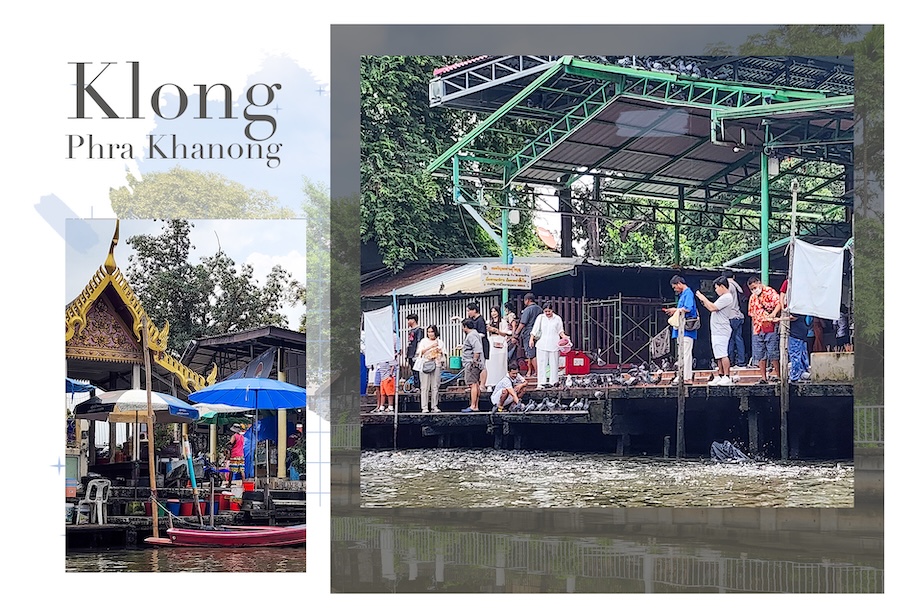
5. Wat Thong Nai A reflection of the Mon ethnic heritage, as it houses "Luang Por Phet," a rare sandstone Buddha in meditation posture found in Bangkok.
6. Wat Ton Sai Another temple built by the Mon people, housing Luang Por Daeng in the main hall, this temple gives a warm feeling like a relative's riverside home.
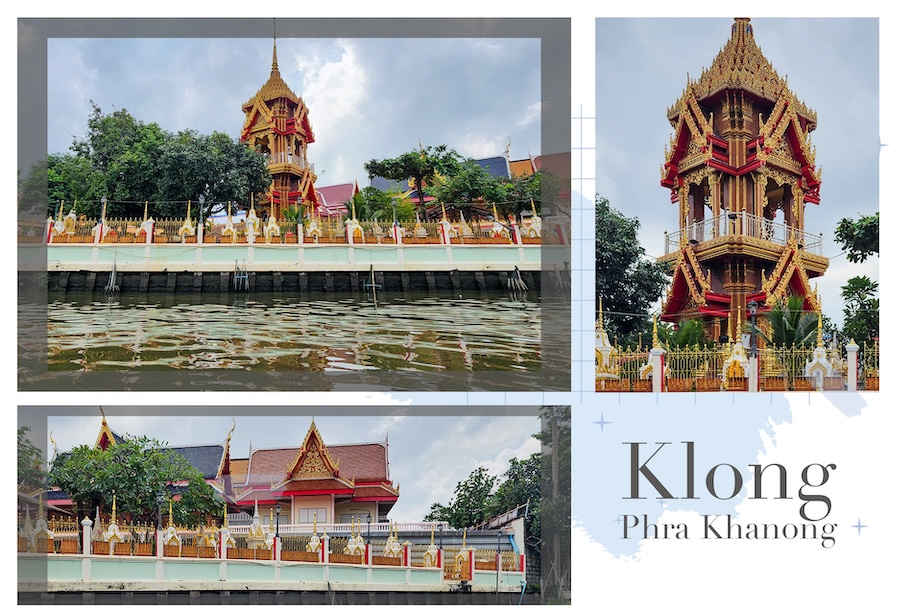
7. Pak Bo Community Market The aroma of food wafts ahead of traditional handmade snacks, a true riverside community market.
8. Al-Qubra Mosque A mosque over 200 years old built by Thai Muslims of Pattani descent, evidence of coexistence among diverse religions.
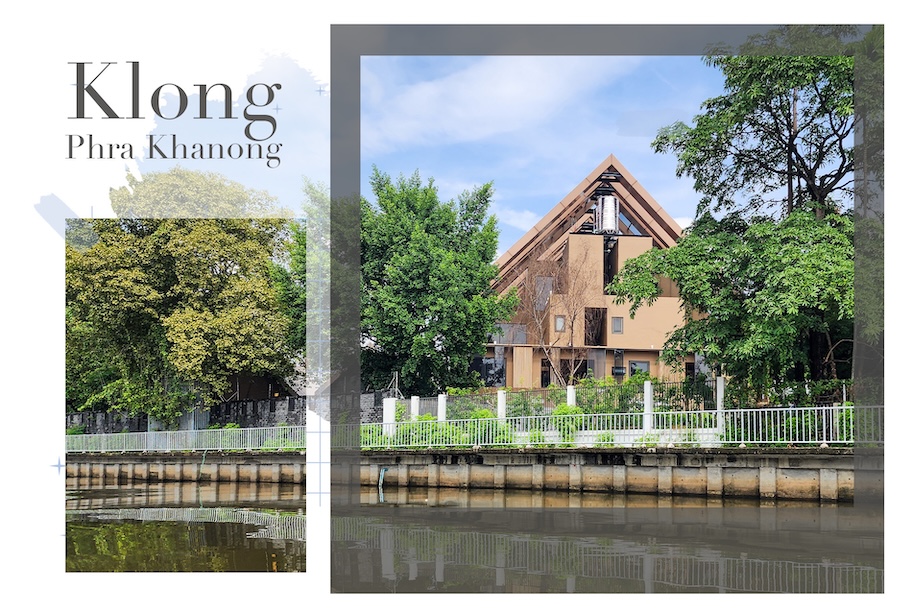
9. Wat Kachorn Siri A temple believed to have been built by the Khmer, with Khmer-style artwork still intact.
10. The Connection Point of Khlong Prawet Buriram – Srinakarin The image of a long-tail boat below and the yellow line skytrain above is a poem of two eras captured in the same frame.
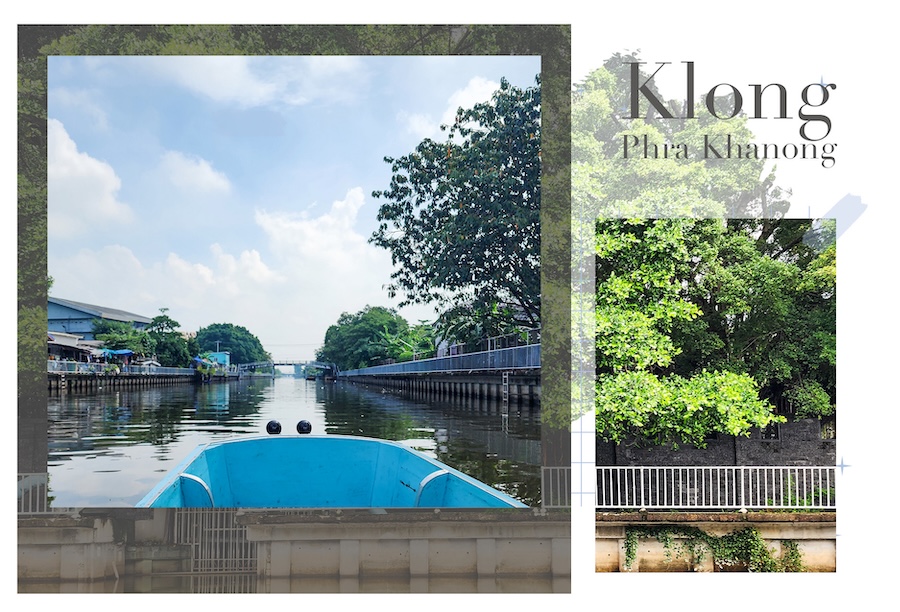
The canal connects temples, mosques, and communities. The banks of the Phra Khanong Canal have been a multicultural space since the early Rattanakosin era. Many temples were built by Mon and Khmer people, while numerous mosques arose from the settlement of Thai Muslims from Pattani. The waterway has never divided people but has united many lineages into a single way of life.
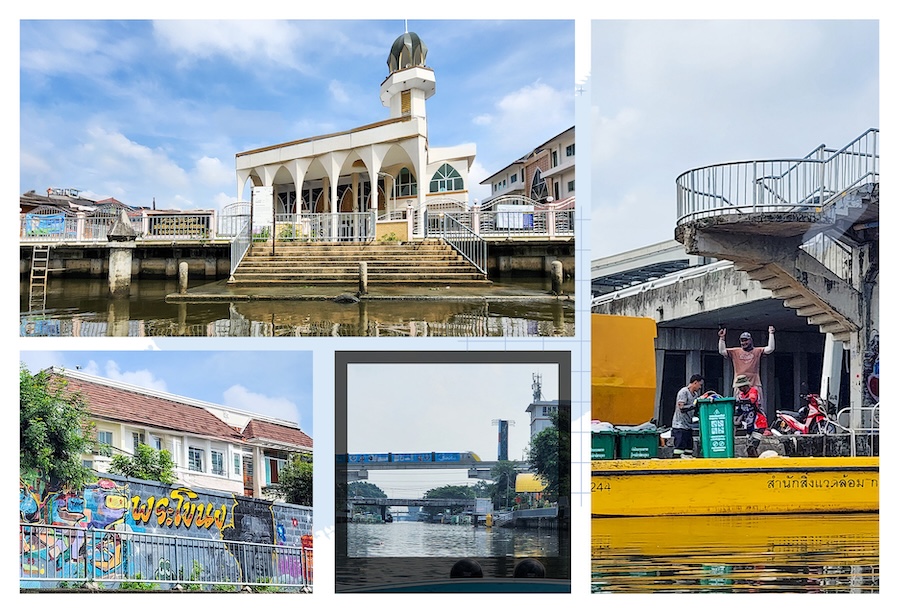
Phra Khanong Canal Today: A Poem Written Anew Every Day
When the water rises, the clear water reflects the shadows of trees and people like a mirror. The Phra Khanong Canal continues to document the lives of people every day through small shops, the sounds of boats, the scent of flowers, and the tranquility hidden in a city that never sleeps. This waterway is not a relic of the past but a living entity that still breathes, both vivid and profound, more beautiful than any tale.
If you want to take a boat ride and experience life along the Phra Khanong Canal with the locals, contact Brother Na at 0814580772. Enjoy a boat ride along both sides of the canal with smiles from the people along the way (private boat rides can accommodate 4-6 people for 1.5 - 2 hours at a friendly price). Alternatively, if you visit Wat Mahabut, there are local uncles who will take you from the temple to the Black Bridge or San Samran Bridge in T77 for just 40 baht per person. Even the ferry boats operated by local aunties and uncles are affordable.