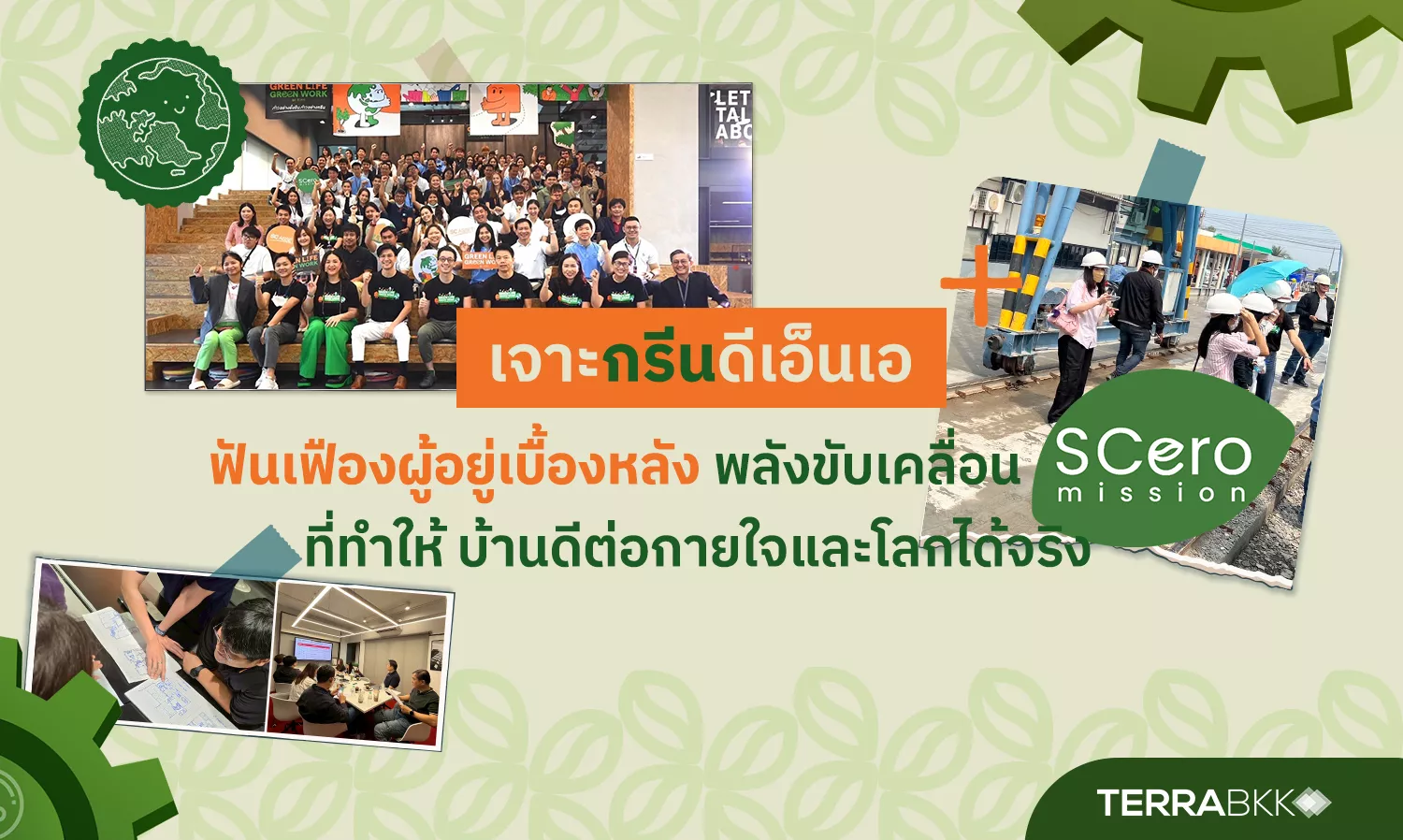
Exploring Green DNA: The Driving Force Behind the SCero Mission That Makes Homes Beneficial for Body, Mind, and the World
"Reducing greenhouse gas emissions by 100,000 tons of carbon by 2030 is the ambitious goal of the 'SCero Mission' by SC Asset. However, true success comes not just from numbers but from the power of the people working behind the scenes. We will delve into the journey of the SC team, who work systematically together to prove that everyone is an indispensable cog in creating sustainable and happy homes. This includes the design team, procurement team, and corporate team, who play a crucial role in conveying SC's 'values' through residential products that are good for people and the planet, ensuring sustainability reaches the hands of every customer and employee.
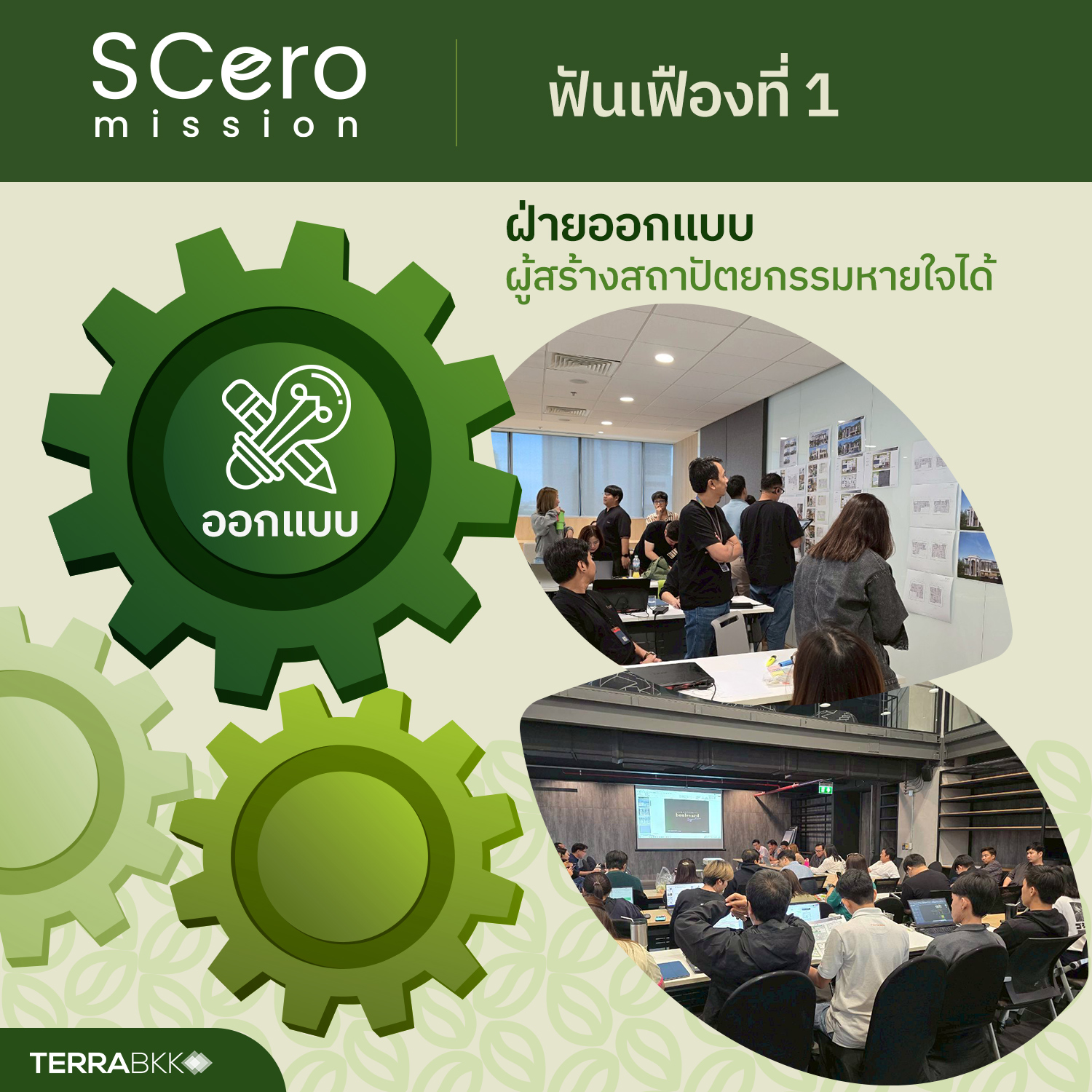
Cog 1: Design Team - Creators of Breathable Architecture
Challenge: When Sustainability Must Align with Business Viability
Today, we hear insights from Mr. Panupong Chinmahawong of the SC Asset single-family home design team, who faces the significant challenge of driving the SCero Mission by creating environmentally friendly homes sustainably. This is not just about doing good for the world, but also about designing homes that are "marketable" and genuinely improve the quality of life for customers.
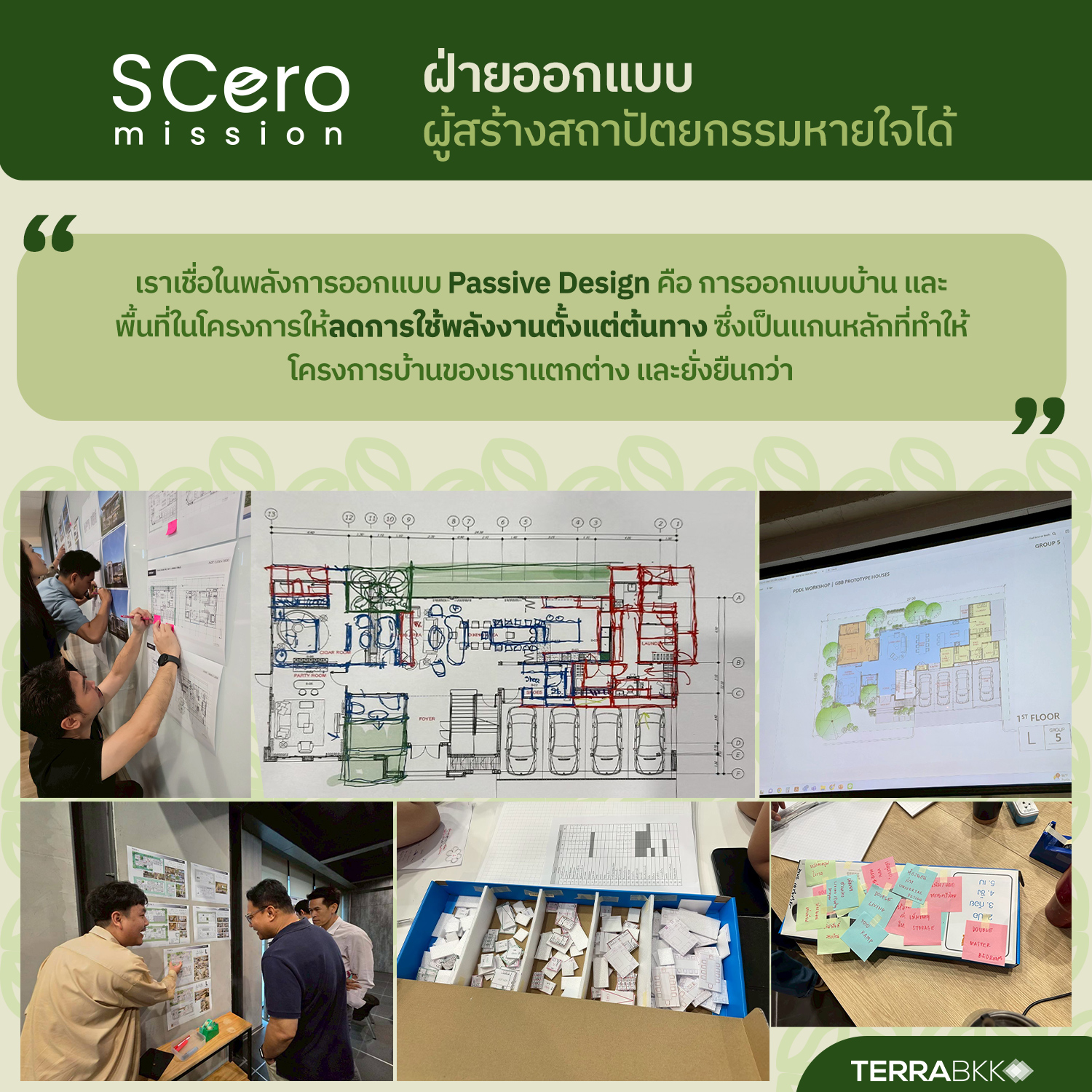
“We do not focus solely on installing high-tech devices known as Active Design, such as solar roofs, as our first priority. Instead, we believe in the power of 'Passive Design', which involves designing homes and project spaces to reduce energy consumption from the outset. This is the core principle that makes our housing projects different and more sustainable,” Panupong emphasizes the essence of SC Asset's green DNA home design.
Core Principle: Passive Design for Creating Comfort
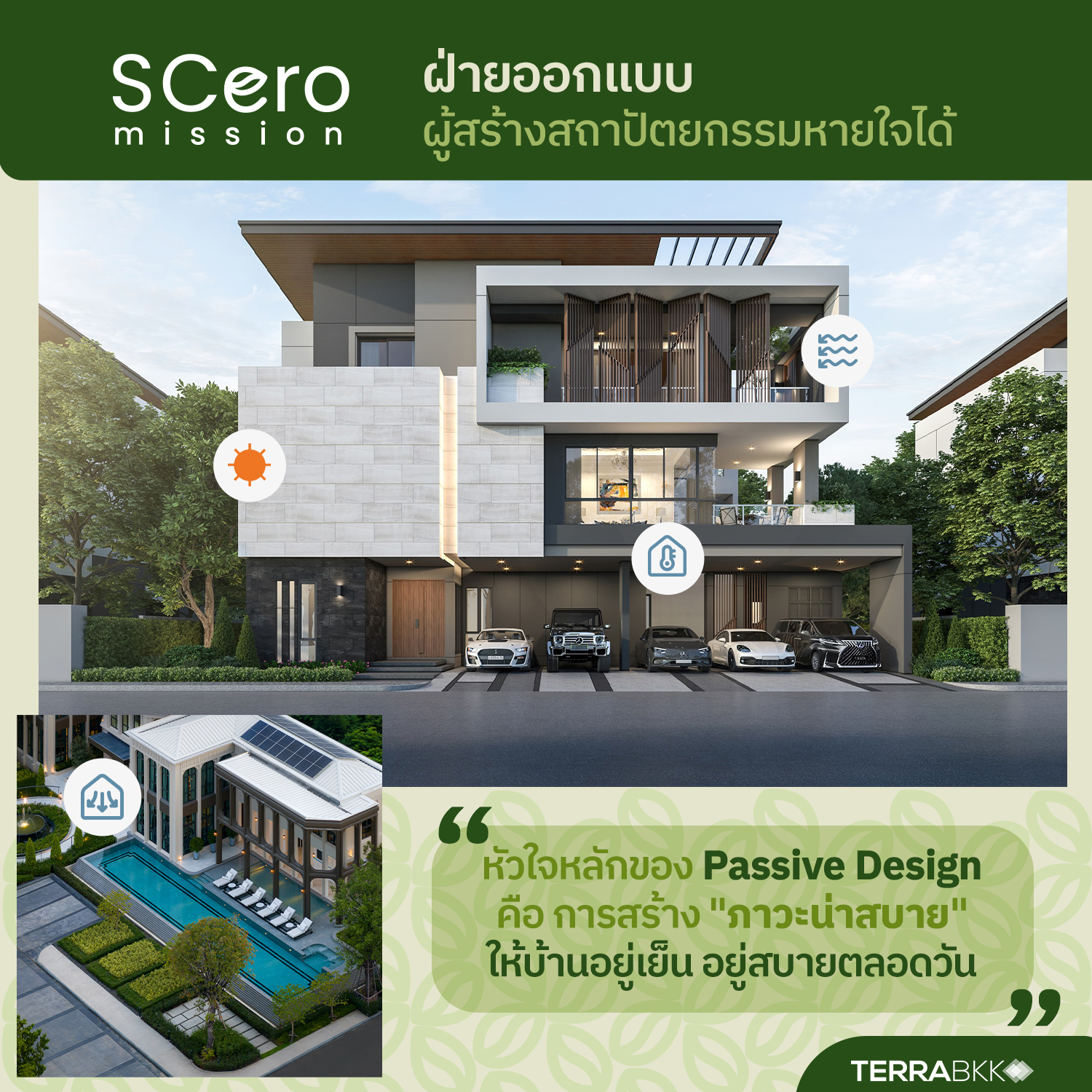
Every design by SC Asset aims for sustainability, adhering to Passive Design as a design philosophy that maximizes the use of natural environmental conditions to reduce energy consumption from the start. This is a fundamental aspect that impacts the long-term sustainability of homes and leads to comfortable living, starting with:
1. Smart Project Planning: Design begins with the big picture, considering the orientation of roads and the positioning of homes in alignment with the direction of sunlight and wind. This is the first step in energy savings that can be achieved without additional costs.
2. Managing Sunlight and Heat Direction: The essential principle is to position homes so that the narrowest side faces west to minimize heat exposure, with the main axis of the house oriented north-south, which is the direction that best reduces exposure to harsh sunlight.
3. 'Smarter' Functions: Heat zoning: When designing the house, the team uses zoning principles to create a comfortable environment for residents, reducing the need for air conditioning. Important functions that customers frequently use, such as the Living Room, Dining Room, or Master Bedroom, are placed in areas that receive the least sunlight, while service areas (like bathrooms, storage rooms, stairs) act as heat barriers, maintaining a cool environment in essential spaces.
4. 'Breathable' Common Areas: Even in common areas like the clubhouse, Passive Design principles are fully emphasized, with functions designed to ventilate naturally. Large openings or double volumes are used to allow airflow and sufficient daylight, significantly reducing electricity consumption for lighting.
Innovations that are 'Tangible' are the Ultimate Goal
The highest expectation as a designer is for customers to be able to 'feel' the changes without needing to be told that this is a green home. They should experience true comfort: a feeling of spaciousness, good air circulation, and a home temperature that is not excessively high. Additionally, attention is given to the proportion of rooms and the design of functions that consider real-life usage and future adaptability. For instance, thoughtful system equipment is designed to be functional and aesthetically pleasing, with provisions for water supply and drainage for the pantry outside the building, allowing customers to make easy adjustments to address real pain points they have encountered.
In addition to Passive Design, the design team also employs technological tools and innovations to aid decision-making, such as having a committee to rate materials to ensure that what is chosen is genuinely 'green' while controlling costs. Engineering heat calculations, such as using data to calculate the overall thermal transfer value (OTTV) of building walls, serve as guidelines for designing fins and shades suitable for sunlight direction to screen heat entering the building, harmonizing with the building's façade. Active air quality systems are also used to filter air and adjust temperature, enhancing the quality of life for residents in an era concerned about dust and pollution.
Even landscaping involves selecting plant species that help purify the air and serve as a dust buffer for residents living near major roads.
“In the future, the design department envisions developing a modular system based on principles similar to Lego, designing functions based on material sizes (e.g., using a 60 cm dimension as a reference) to reduce unnecessary material waste, as well as using the same sizing for doors and windows across various house models to achieve economies of scale in ordering recycled materials, which will help negotiate prices and manage costs better while addressing the 'green that sells' challenge.”
Cog 2: Procurement Team - Cost Control and Sustainability
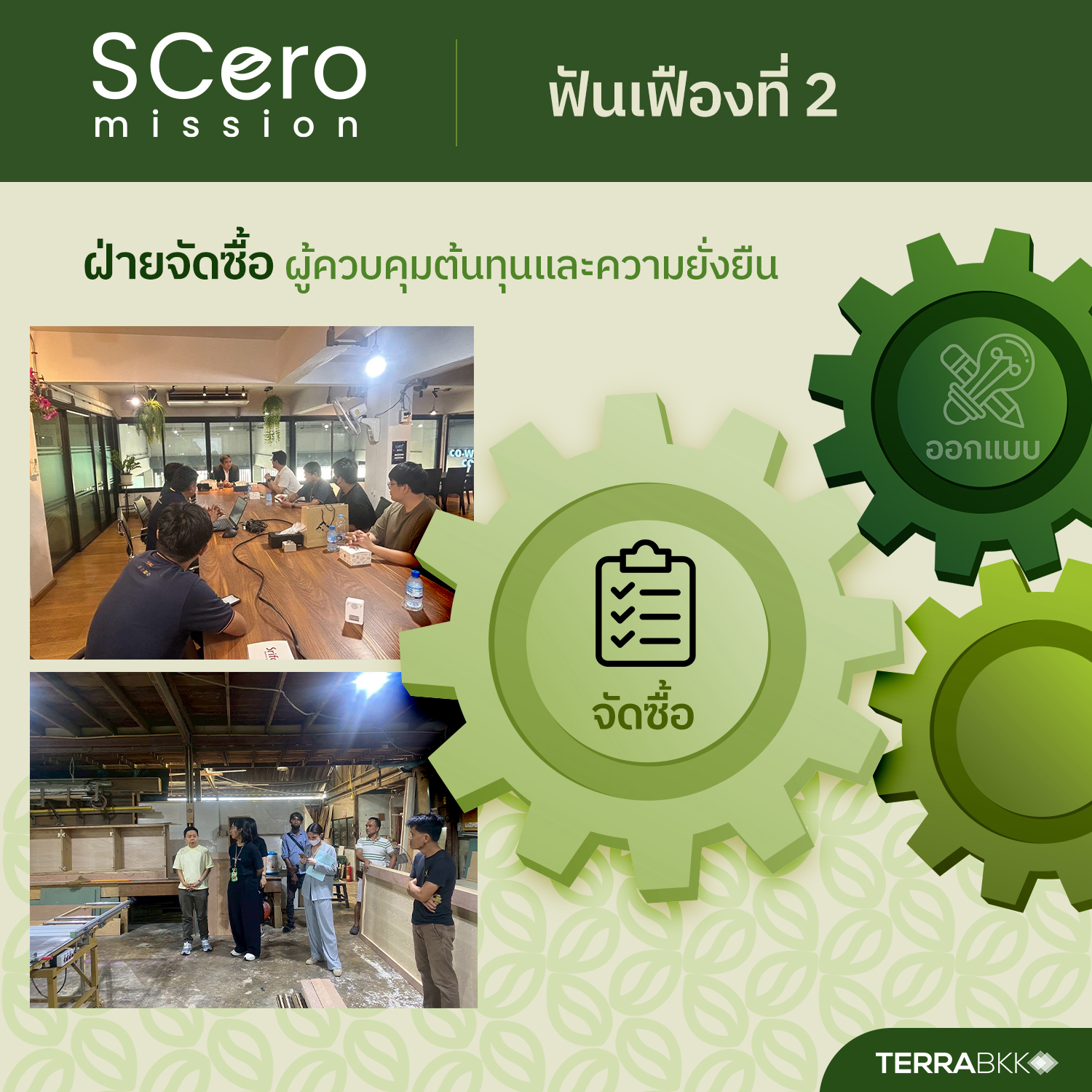
The procurement team is the next link after the design team and plays a crucial role in making sustainability a reality. Mr. Phuthorn Chapanakool is one of the procurement team members at SC Asset, facing the challenging task of managing costs to ensure that "homes are good for the world" are accessible and tangible for customers.
Compass: "Green Must Be Marketable" with Stricter Procurement Standards
“If we focus solely on being green but cannot sell or if costs are too high for the market to bear, its value will not be delivered to customers,” Phuthorn emphasizes that the compass for the procurement team is “green must be marketable.” If being green raises costs too much, the value will not reach customers. Therefore, the approach to work is not just about finding the greenest materials but evaluating and improving the entire process.
1. Self-Assessment: Reviewing and utilizing materials that are inherently green, which is a strength that can be immediately leveraged.
2. Development & Competition: For materials that do not yet meet the criteria, the procurement team will collaborate with current partners to develop them together while also seeking new partners with green innovations to create competitive pricing mechanisms.
Cost Management Without Burdening Customers
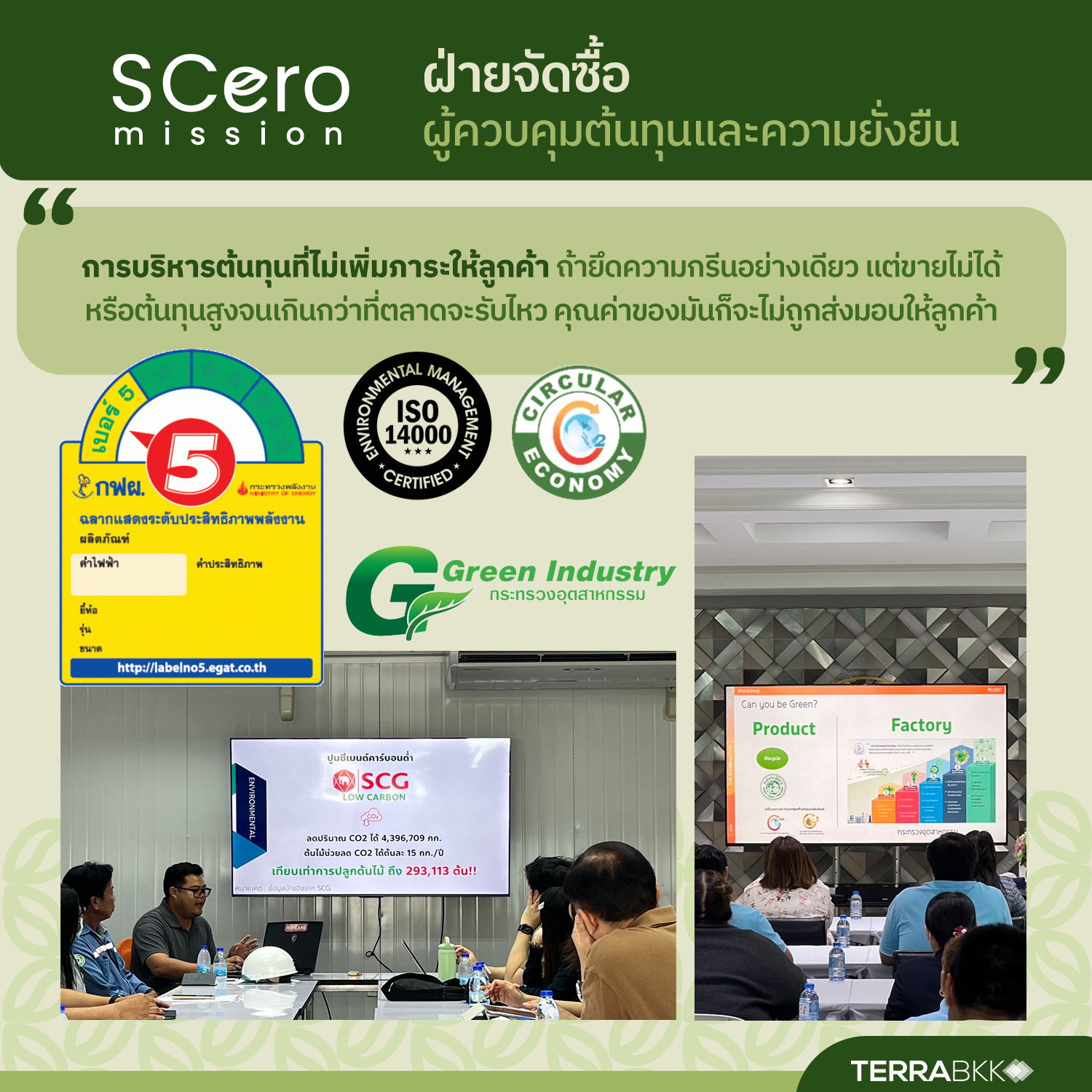
SC Asset believes that sustainability should not just be a promise, which is why they have implemented a Green Procurement Policy as one of the ESG indicators used to evaluate partners and set Green Procurement Criteria for hundreds of materials used in home construction. Each item must meet clear criteria to ensure environmental friendliness, such as using materials with recycled components, energy-saving labels, ISO 14000 certification, green factories, carbon reduction labels, and sustainable packaging to minimize impacts throughout the supply chain.
One of the most interesting questions is how to manage the rising prices of green materials, which may lead to increased costs. SC Asset's solution is to communicate and work transparently with partners, emphasizing that "we are open to all shades of green, but it must not increase our costs." By creating a diverse base of partners and establishing strong competitive mechanisms, the procurement team can keep costs under control.
Additionally, alternative materials are studied as a backup plan (Prototype Study) in case primary materials can no longer meet both green and price criteria. An interesting example is the study of GPFR (Glass Fiber Reinforced Polymer), a polymer with strength comparable to steel but with greater carbon reduction potential. If one day recycled steel can no longer meet sustainability requirements, this material will be quickly adopted as a replacement.
The Power of 'Collaborative Development' Towards Waste Reduction
A strength that allows green materials to be price-controlled in SC Asset's style is the collaborative innovation development between SC Asset and supply chain partners. The procurement team organizes Supplier Engagement activities and workshops to provide ESG knowledge and foster understanding of environmental, social, and governance issues together, ensuring that all partners are ready to grow alongside the company.
Examples of tangible successes from Resource Management include the development of the Cut and Bend technique (pre-bent steel) in collaboration with manufacturers to bend steel according to structural designs at the factory, eliminating the need for on-site cutting, thus reducing waste and minimizing noise pollution that disturbs surrounding communities during construction.
Or the development of Cut to Length (pre-cut pipes), which involves working with system management companies to cut pipes to fit each floor in condominium projects, significantly reducing leftover materials on-site.
Three Achievements That Are Like Awards for Workers
When asked about the achievements that make him feel most proud in contributing to sustainability within the organization, Phuthorn identifies three missions that he considers "awards" in his heart:
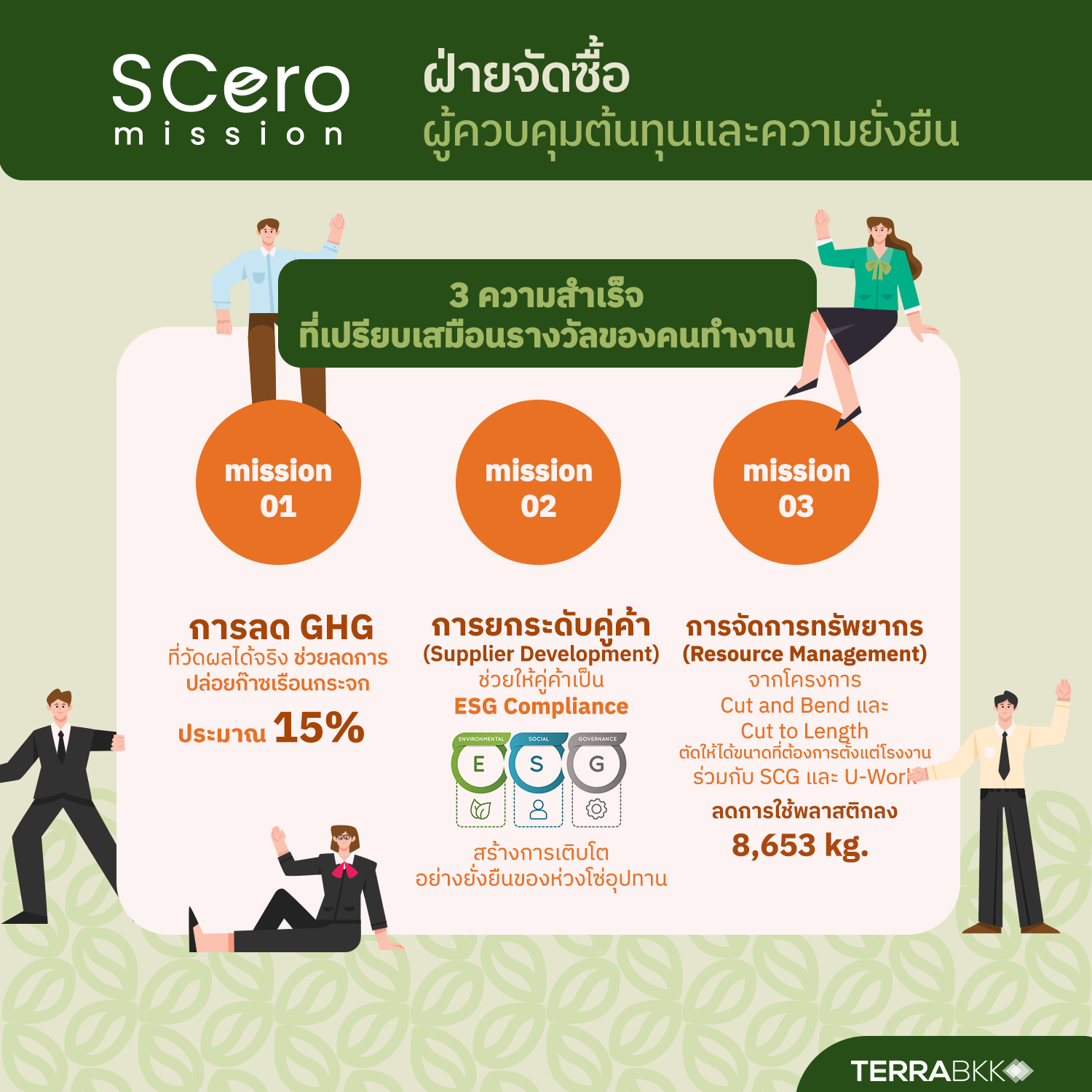
Mission 1: Measurable GHG Reduction, as the success of Green Procurement allows for tracking that green products used can reduce greenhouse gas emissions by approximately 15% to date.
Mission 2: Supplier Development, where SC Asset assists partners in becoming ESG compliant, contributing to the sustainable growth of the supply chain.
Mission 3: Resource Management, from the Cut and Bend and Cut to Length projects, which are process innovations that create positive, sustainable impacts on job sites, communities, and the environment.
Cog 3: People Experience - Cultivating Green DNA and Well-Being
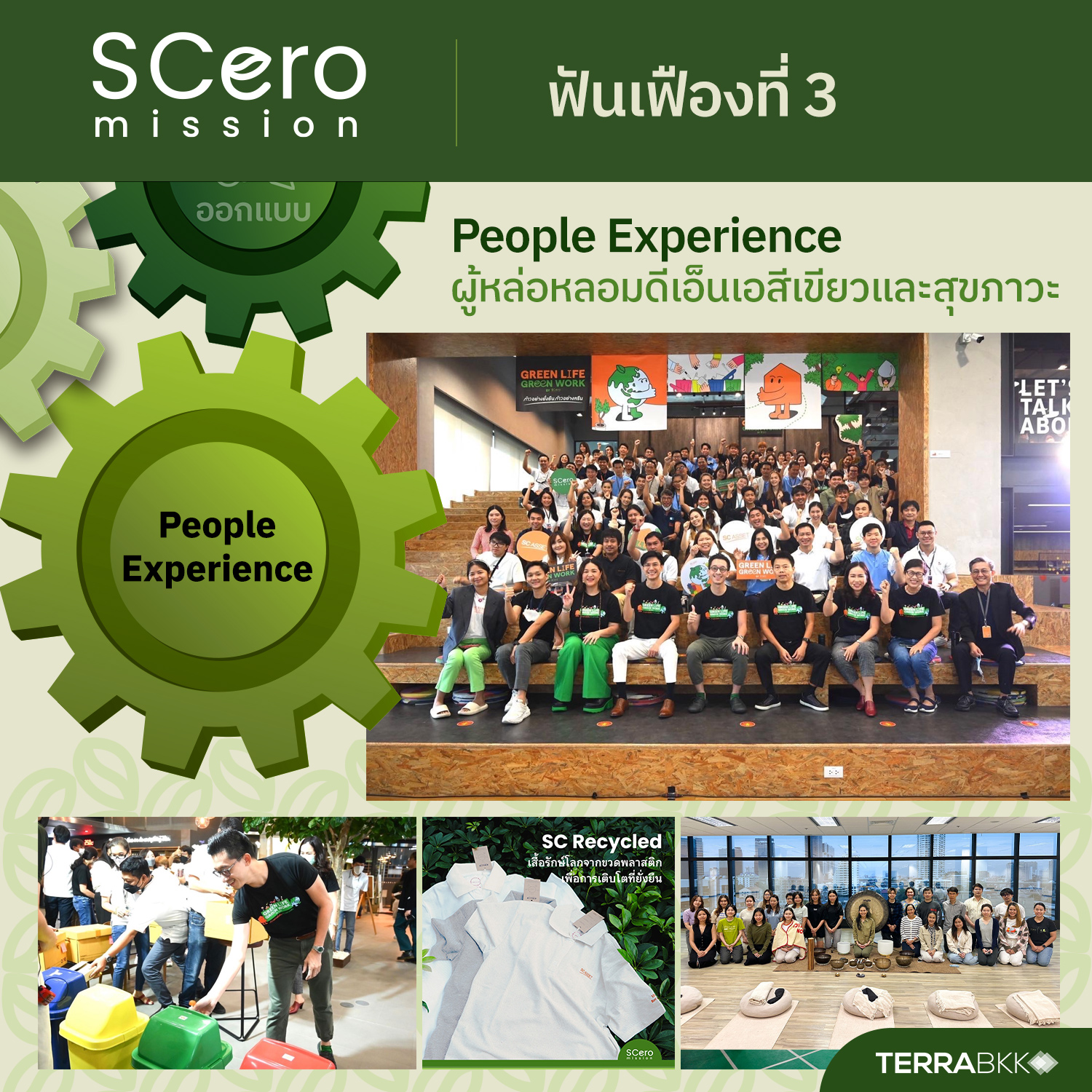
In this era, leading organizations measure success by their responsibility to the world and employees. Mr. Wisarut Rengjai, a People Experience employee, oversees organizational culture and employee experience from "Day 1 to the last day," which is a new dimension of sustainability related to employee well-being, encompassing physical, mental, financial health, and workplace safety.
Fostering 'Green DNA': From Policy to Behavior
When asked about creating a green organizational culture, Wisarut states that everything starts from a clear stance by management. “The SCero Mission policy, clearly announced by the CEO, is the first step in communicating to employees that our company is serious about this initiative.
The role of the People Experience team is to translate that policy into commitment and action. Wisarut himself admits that as someone already interested in climate change and the environment, he feels impressed and engaged to be part of the organization's efforts to reduce greenhouse gas emissions.
Creating awareness is the starting point for behavior. The People Experience team emphasizes that Green DNA is not a new concept but a new behavior within the organization. Therefore, raising awareness is of utmost importance, including understanding what Green DNA, Sustainability, and ESG are and how they relate to employees, providing knowledge through training and inviting guest speakers for specialized knowledge, and promoting continuous activities such as energy saving within the office, serious waste separation, or encouraging employees to carry personal water bottles and cloth bags to reduce single-use plastic.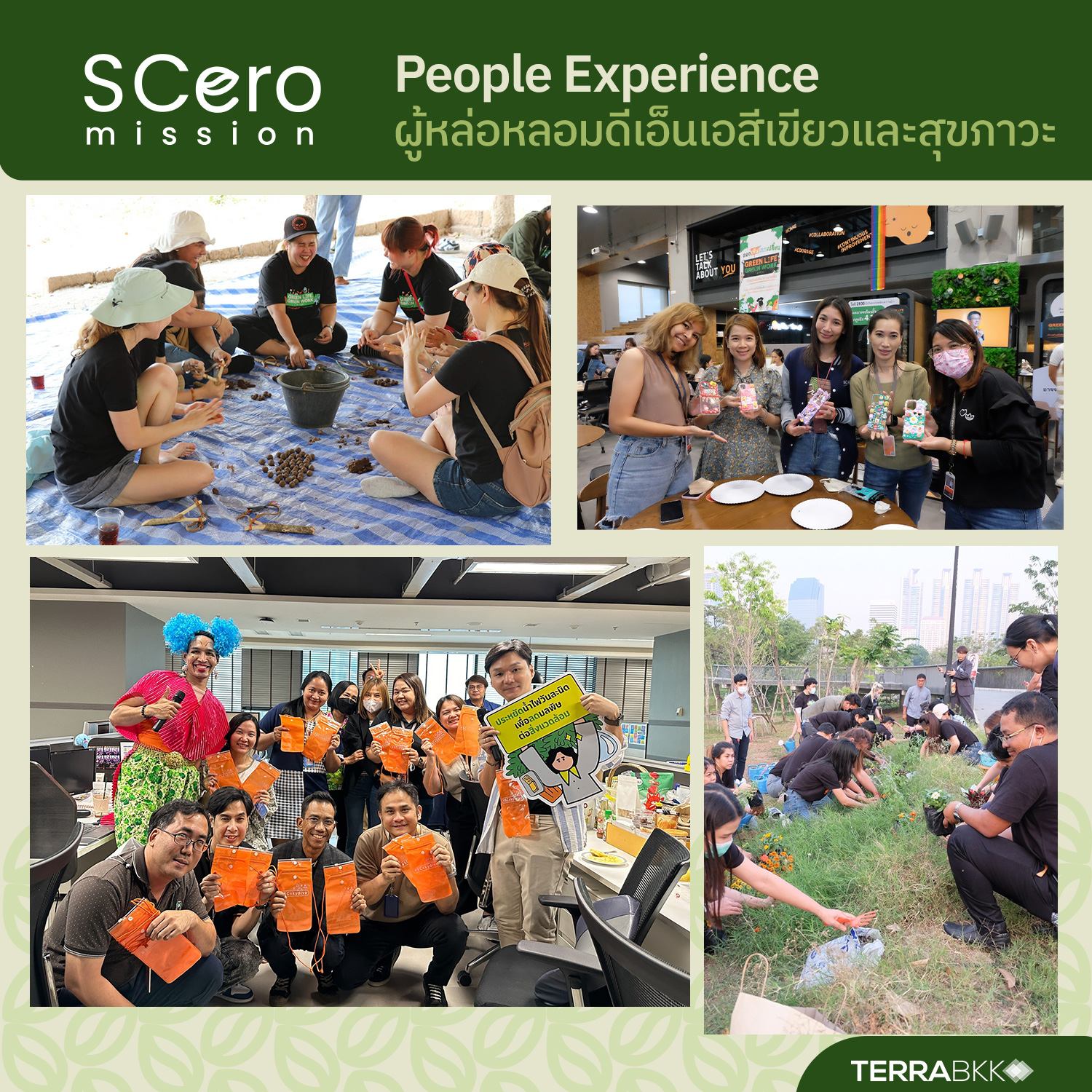
Challenge: Demonstrating 'Future' Results to Drive 'Today'
Wisarut acknowledges that the biggest challenge is motivating people to take continuous action because many green behaviors create a "Future by Today" where results may not be immediately visible.
“We need to regularly update employees on progress. If we don’t have this point, employees will feel, ‘What do I get from this? I don’t see any results coming back,’” Wisarut emphasizes that updating progress numbers is crucial encouragement that makes employees feel that their actions genuinely impact the company's sustainability goals, making Green DNA tangible and exciting.
Employee Well-Being: A Fundamental Foundation for Deep Sustainability
From the People Experience perspective, caring for employee well-being is directly linked to the sustainability of the organization and Green DNA because it is believed that happy and healthy employees will have the energy and motivation to work more effectively and can pass that positive energy on to society.
Wisarut explains that addressing these Physiological Needs is like a strong foundation pyramid according to Maslow's principles. When employees are happy and ready both physically and mentally, they can move on to the next stage, which is to work better and live a quality work life to fulfill the Green DNA policy while applying sustainability knowledge in daily life and passing on this positive energy to family and society, creating a snowball effect that endlessly expands positive thinking.
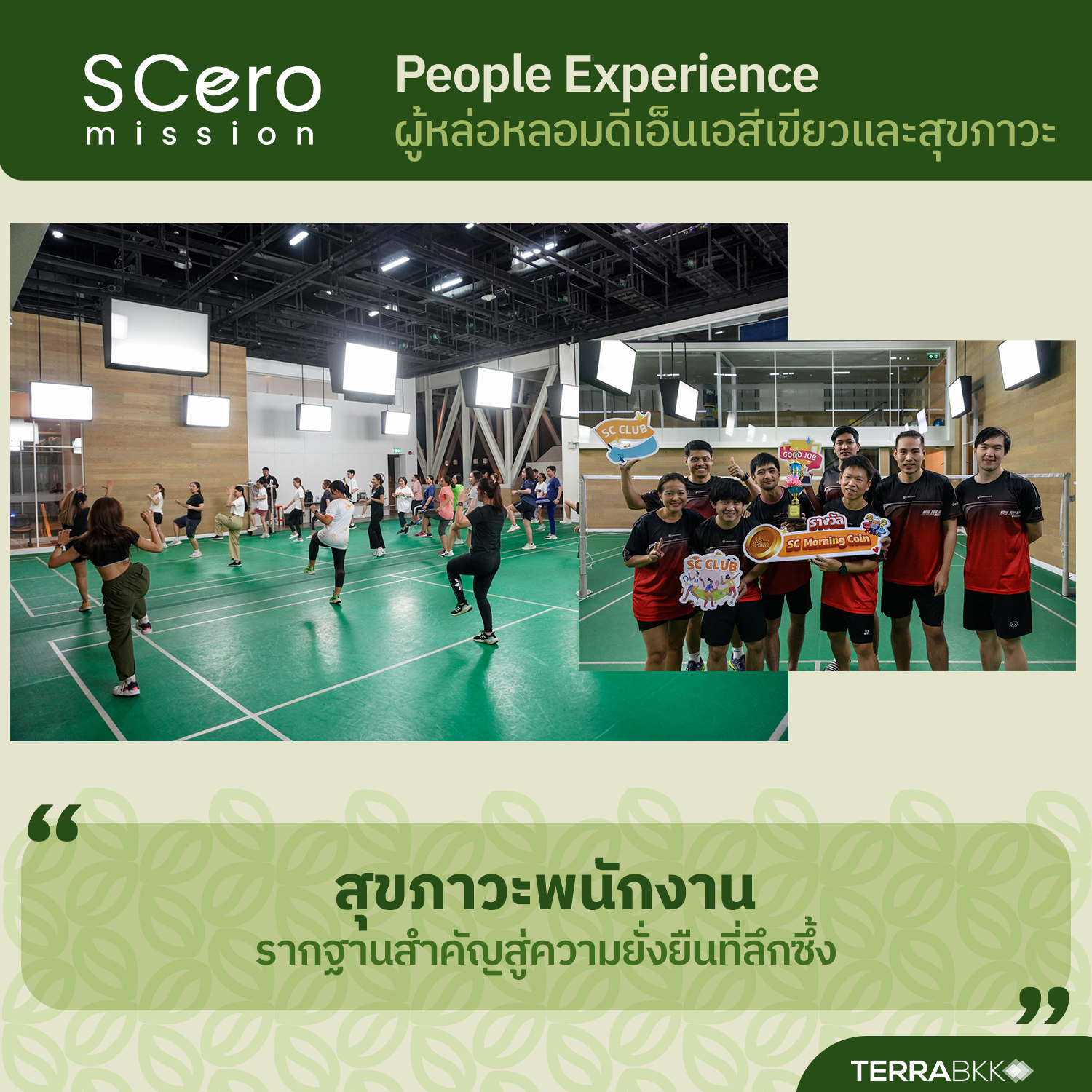
This phenomenon has occurred in his own life, as Wisarut reveals that he is a "Nature Traveller" and enjoys participating in environmental activities organized by the company, such as tree planting or sea turtle conservation.
By merging personal understanding and passion with work, he naturally becomes a role model for those around him, whether it’s waste separation and energy saving at home or trying to use nature-friendly materials while traveling, and most importantly, collecting trash from the forest instead of leaving it in the ecosystem.
Wisarut thus exemplifies an employee who has embedded Green DNA within himself and uses his role as People Experience to pass on positive energy and sustainability awareness to all colleagues. Caring for employee happiness in every dimension is the strongest foundation for the SCero Mission, ensuring that this grand mission to create a green future can continue to drive forward sustainably.
From Passive Design in homes to procurement that adheres to the principle of 'green must be marketable' and ensuring employee well-being with a 'Green Mindset', every component of SC Asset reflects a commitment. The true value lies in the pride of every employee who plays a small yet harmonious role in making the SCero Mission a reality, reinforcing that real estate can also be part of helping the world.
#SCAsset #SCeroMission #GreenDNA #TerraBKK #Sustainability #PassiveDesign