Navigating the Future of Green Real Estate: Collaboration as the Key to Achieving Business Viability
In the past, green real estate may have been overlooked, but today it is an "essential" and "unavoidable business opportunity." The growing environmental awareness among consumers is transforming the real estate industry. Developers are facing pressure to adapt and create more sustainable projects due to stricter regulations, rising costs, and market expectations.
However, this change is not an obstacle; rather, it is an opportunity for those who can find business solutions that balance "value" and "sustainability." The future of green real estate is not just a trend; it is a new game that all players must adapt to.
So, who will survive? The answer lies in who can adapt first and establish a "break-even point" sooner.
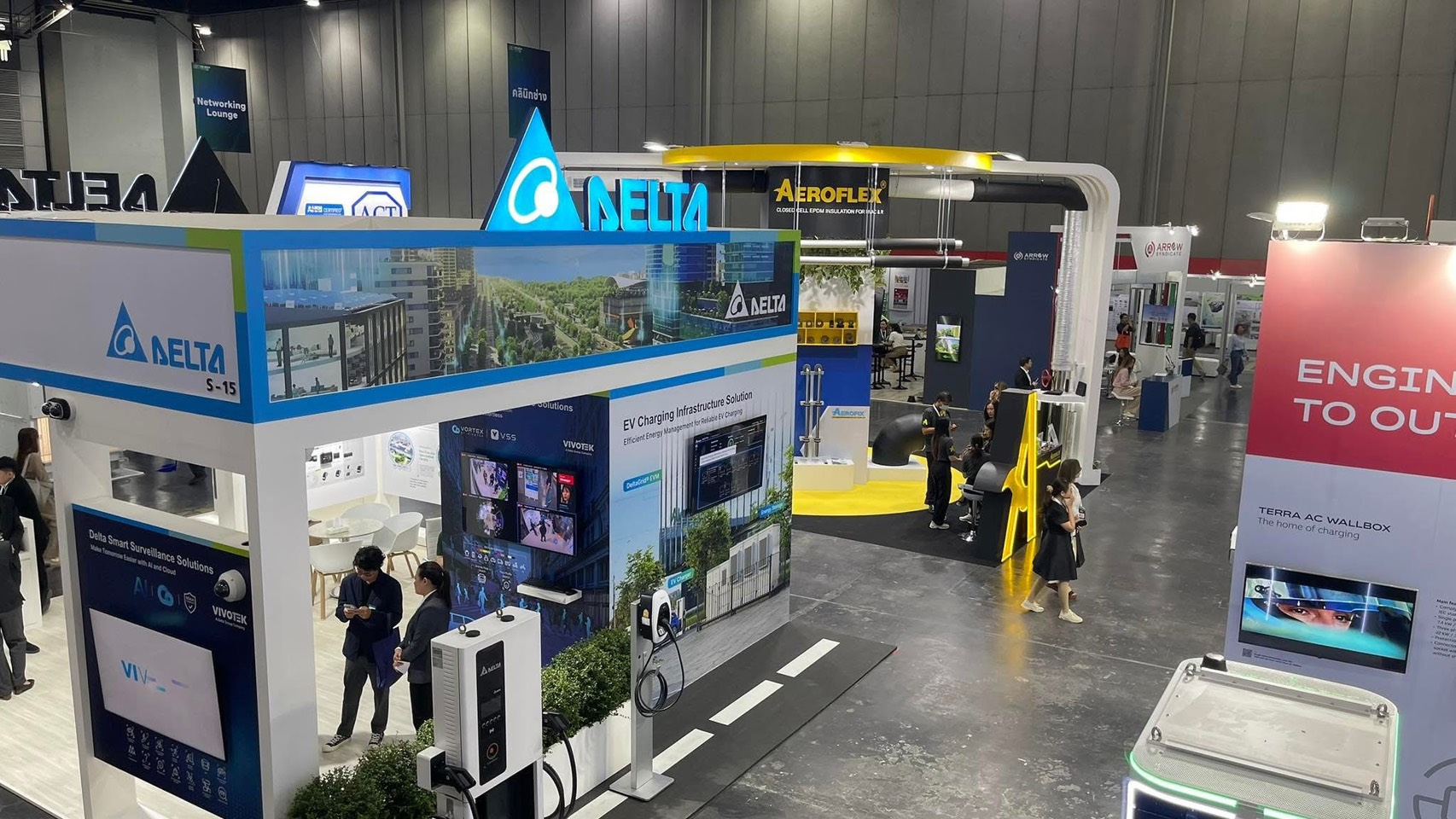
As Assistant Professor Dr. Sukulpath Kumpaisarn from the Department of Real Estate Innovation, Faculty of Architecture and Planning, Thammasat University, stated at The NOVA Expo 2025 "Green Innovation Revolutionizing the World," an event showcasing green technologies for a sustainable future, during a lecture on Real Estate and Urban Development: The Future of Green Real Estate Embracing Innovation for Sustainable Growth, highlighting the "challenges" and "future" of green real estate.
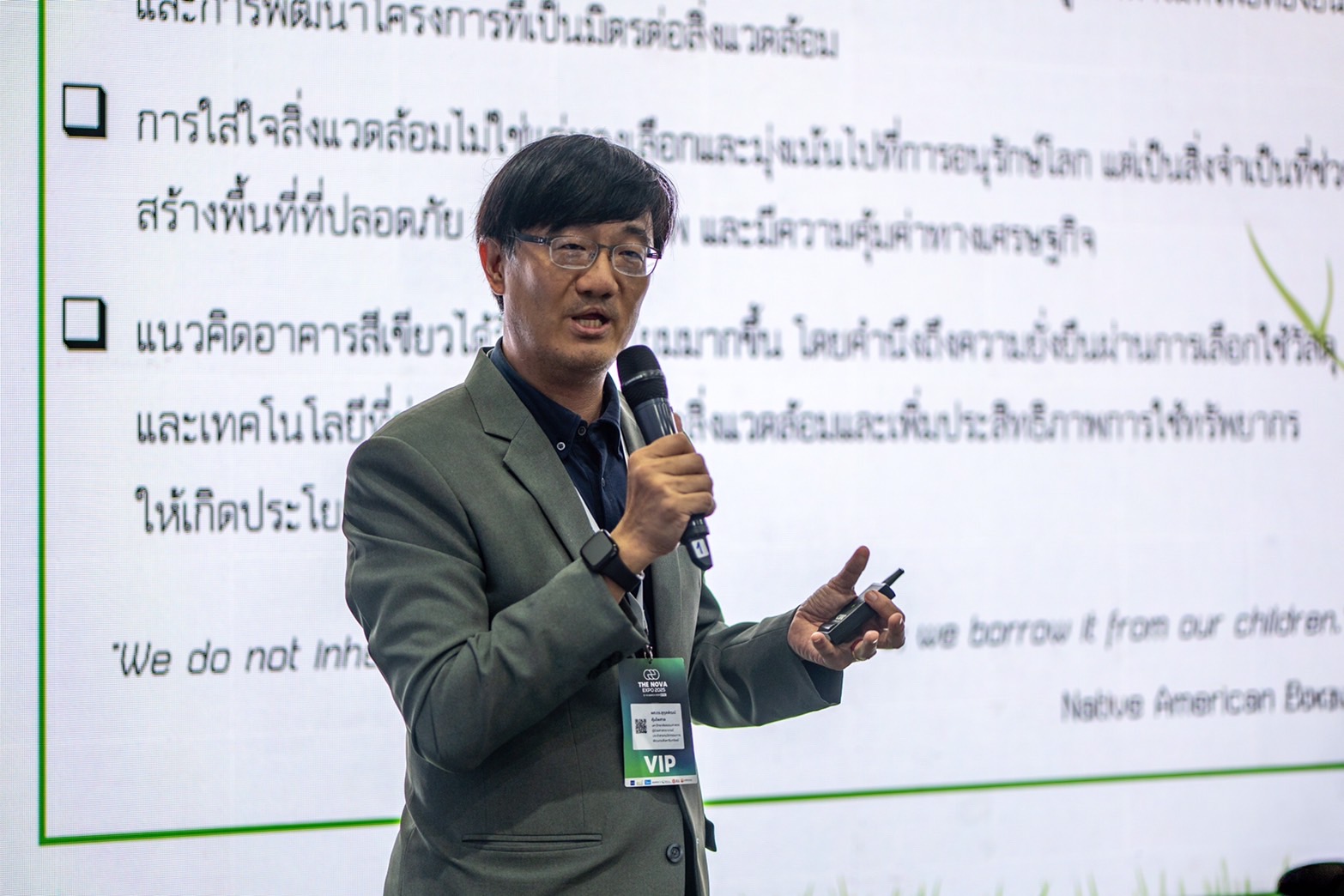
“Developing environmentally friendly real estate projects is not just an option; it is a necessity and creates business viability.”
The transition to sustainable real estate and the development of environmentally friendly projects is a challenge that the real estate business is currently facing, which can be divided into three main issues:
- Lack of awareness about environmentally friendly business practices
- Increased project development costs
- Regulatory obstacles
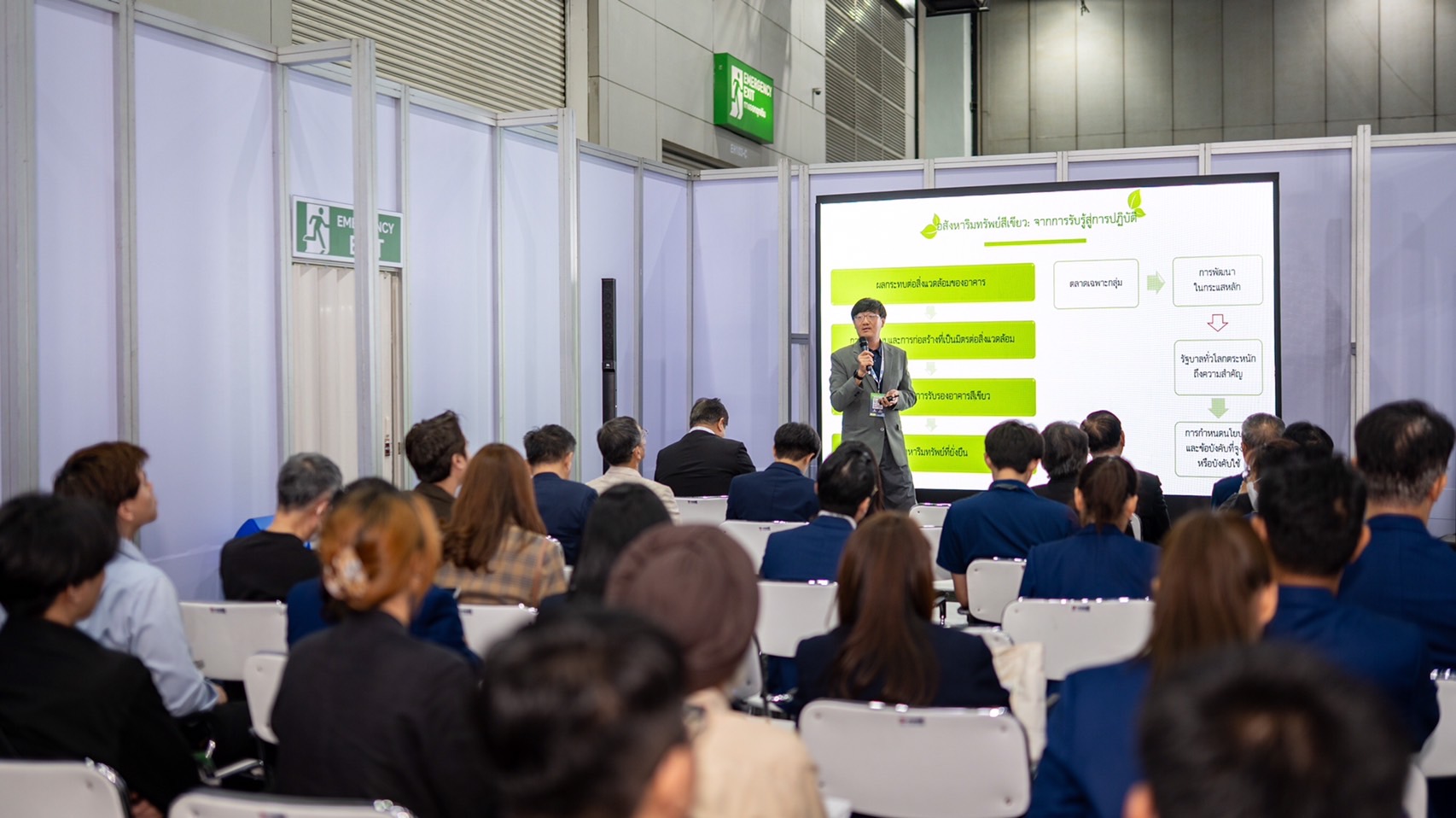
In the past, most developers questioned the "viability" of green projects, leading to a focus on securing the best locations to generate positive returns while minimizing losses. This perspective often overlooked the environmental impacts that construction could have on parks and surrounding communities, such as the emissions from buildings once operational or the wastewater generated during construction.
However, consumers today are more aware of environmental impacts, prompting developers to start prioritizing sustainability. Adapting to consumer trends is essential, leading to the adoption of green building concepts, the use of hydrogen energy in residential projects to save energy, and designing projects from the outset to be passive designs, such as planting dust-reducing trees, selecting natural materials, and utilizing technologies that minimize environmental impact, including energy-efficient devices that reduce PM2.5 dust pollution.
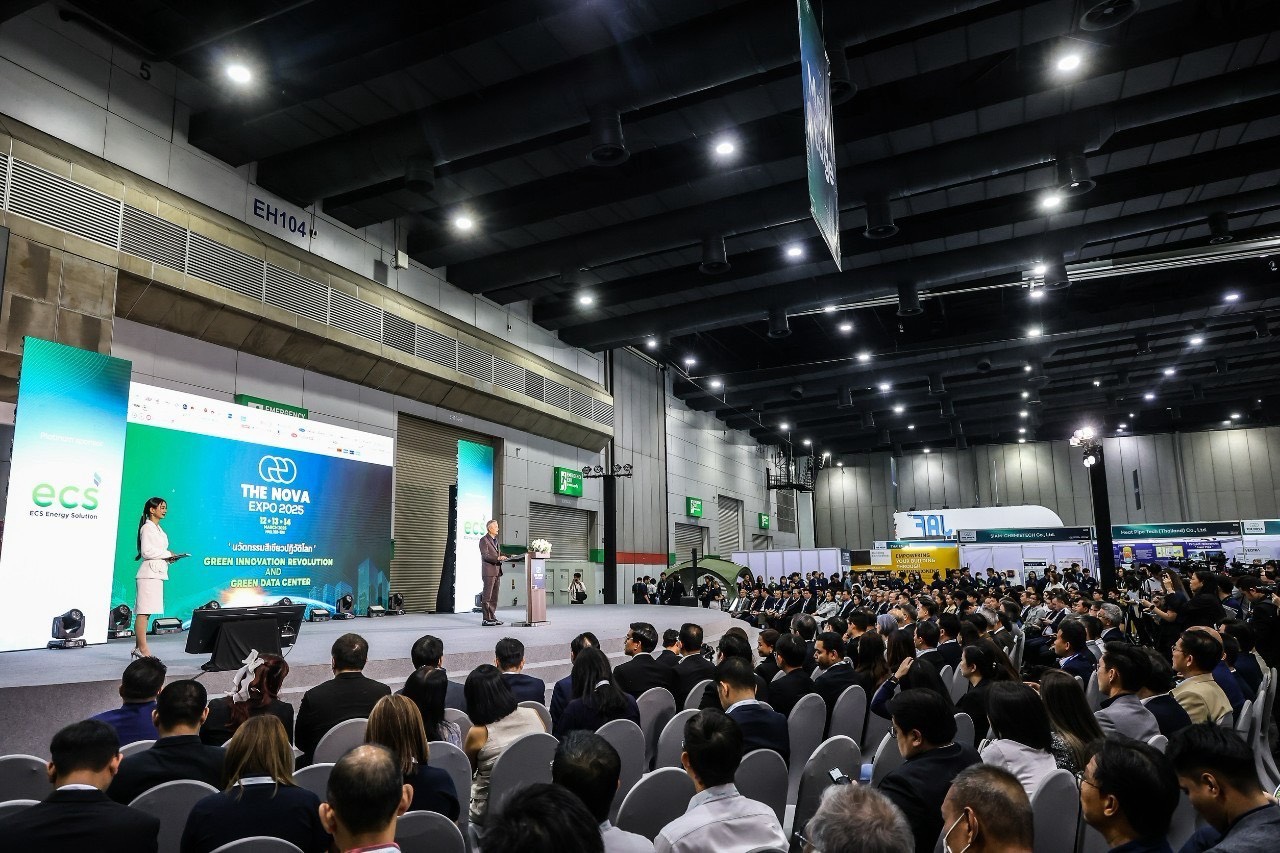
Looking ahead, the future of sustainable real estate must also consider the strictness of environmental regulations in Thailand, which differ from global governments that have already established concrete policies and regulations to encourage sustainability.
Nevertheless, the increasing demand from consumers for sustainable real estate, continuous innovation development, and collaboration among stakeholders will lead to solutions that achieve break-even points.
This can be seen in the development of eco-friendly homes and advancements in green technology, as well as the rise of green certification programs, which will make green real estate more accessible and affordable for consumers.
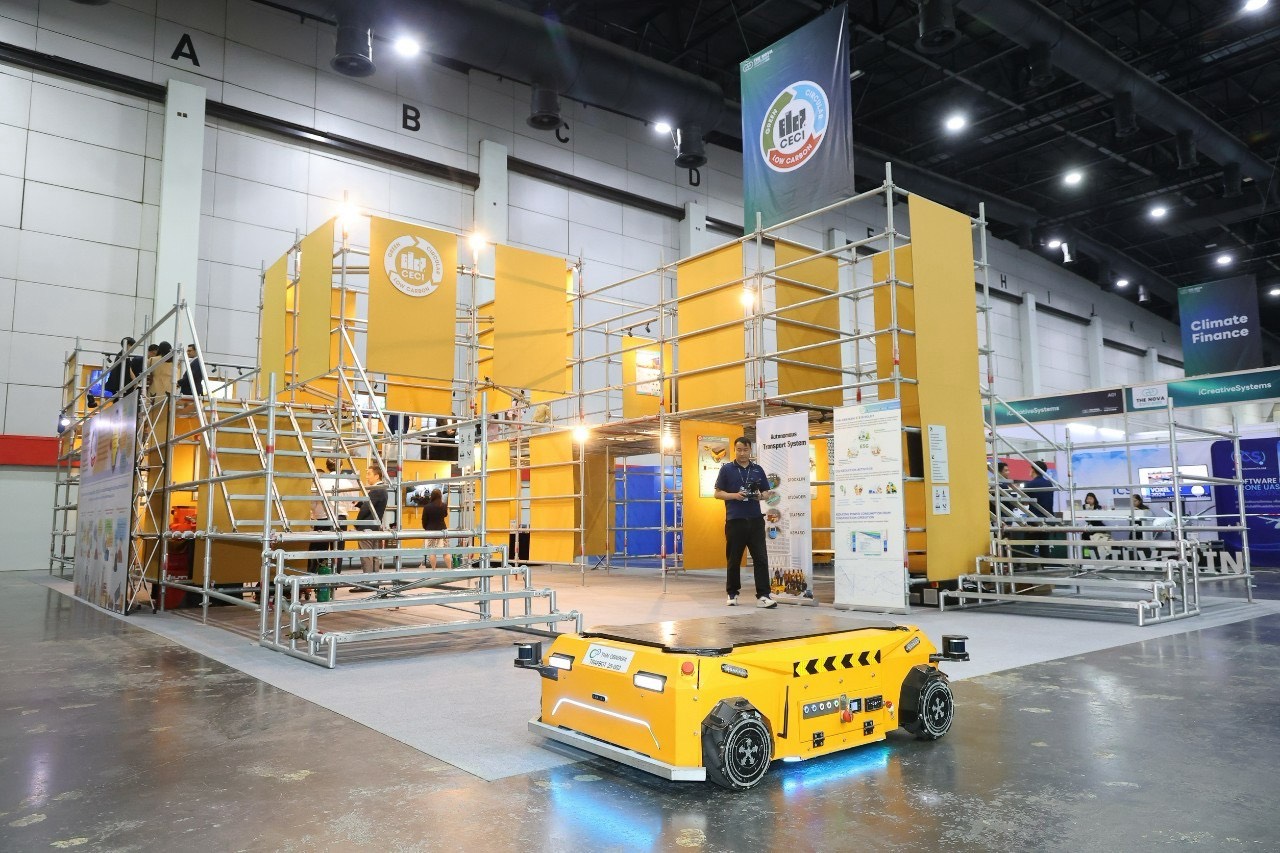
Ultimately, if real estate developers do not adapt, they will face pressure from the global community. Immediate actions can include designing with environmentally friendly materials and obtaining green building certifications such as LEED (Leadership in Energy and Environmental Design). Implementing beneficial and cost-effective technologies can lead to an increase in rental prices by approximately 10%, while the costs for environmental development increase by only about 5%.