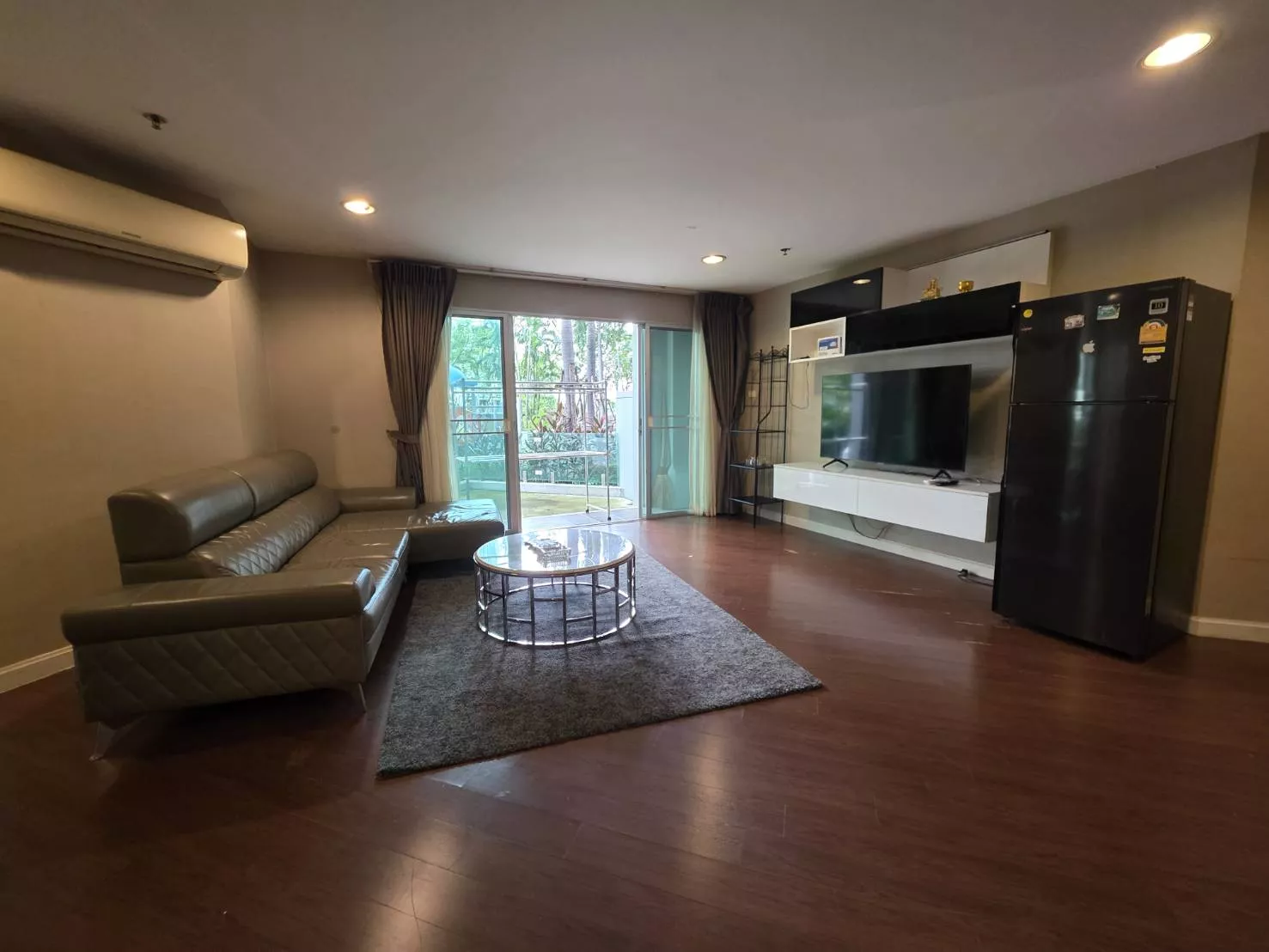
Renovation Ideas Every Homeowner Should Know: Rent It Out Multiple Times Without Worrying About Wear and Tear
Are you facing the problem of an old, worn-out house that no one is interested in renting? Are you tired of negotiating prices that just don't seem worth it? If you're a homeowner dealing with these issues, you're probably feeling quite frustrated and eager to improve your home, or what we call renovating, to refresh the dull and aging parts of your house due to age, usage, and weather conditions. You want it to look new and vibrant, just like the first day you moved in. But where should you start? Let's check out the key areas that need regular maintenance and renovation ideas to transform an old house into a new one. Once completed, you'll be ready to sell or rent it out at a great price, pleasing both the homeowner and the tenants!
4 Key Areas to Maintain to Avoid Costly Repairs
If you've decided to renovate your home, you need to survey the surrounding areas to identify which parts require special attention or need repairs. This could include repainting the interior walls, fixing damaged tiles, or addressing a deteriorating ceiling. If you don't cover all the bases, you'll likely find yourself returning to the same issues after the renovation is complete.
1. Interior Paint
A home with a dull atmosphere due to faded walls, mold stains, or peeling paint is certainly an unappealing sight. Therefore, choosing interior paint that is vibrant, durable, and moisture-resistant is crucial. Not only does it enhance the ambiance of your home, keeping it looking fresh, but it also protects against wear and tear from daily use, such as scratches or stains. Additionally, selecting colors that match your home decor concept contributes to the overall beauty and livability of the space. The choice of color and quality of interior paint can significantly determine whether your home is attractive, durable, and appealing to renters.
2. Tiles
Tiles and flooring are essential components of home renovation. It's important to plan and choose high-quality materials because if repairs are needed later, it can be time-consuming and costly. Grouting tiles is also necessary to prevent moisture from seeping into the structure and causing damage. Choose tiles suitable for different areas of the house, considering their varying usage. For example, areas with heavy foot traffic, like hallways or living rooms, require tiles that can withstand weight, wear, scratches, moisture, and harsh chemicals. Besides quality, the design and color of the tiles also impact the overall beauty and atmosphere of the home.
3. Ceilings and Ceiling Lights
Another area to be cautious about moisture is the ceiling. If there are leaks, not only can the ceiling become waterlogged, but it may also cause damage to other parts of the home's structure and become a breeding ground for mold and unwanted diseases. Furthermore, when installing ceilings, you must also consider electrical safety, as wiring and ceiling lights are present throughout the house.
4. Furniture
Choosing the right furniture can unexpectedly cause damage to your home. While it's normal for furniture to wear out over time, selecting oversized and heavy pieces can negatively affect the home's structure, such as damaging floors or leaving scratches on walls and ceilings. Additionally, heavy furniture can attract pests like bedbugs or dust mites. Opting for furniture that meets your functional needs from the start can help reduce unnecessary costs associated with replacing damaged items, which may lead to repairs in other areas of the home.
It's crucial for homeowners to regularly maintain and choose durable materials, including selecting interior paint that keeps the home looking new. If any homeowners are planning to renovate their rental properties soon, you can find more information on the TOAGROUP website, the go-to source for house paint, which offers valuable insights on housing issues, problem-solving tips, and various home decoration ideas for home enthusiasts.