City Researchers Warn of Future Urban Crisis: Harder Living Conditions, Increased Stress, and Pollution
The research center indicates that the current climate and pollution conditions in cities, along with future trends, are continuously deteriorating. It reveals a simulation of Bangkok in 2050, presenting two scenarios: a city within a giant air purification dome characterized by extreme social inequality, and a massive migration of human populations that is hard to avoid. Solutions are suggested through sustainable living innovations (Sustainnovation) and new engineering processes, alongside changes in human behavior that will significantly impact our future lifestyles.
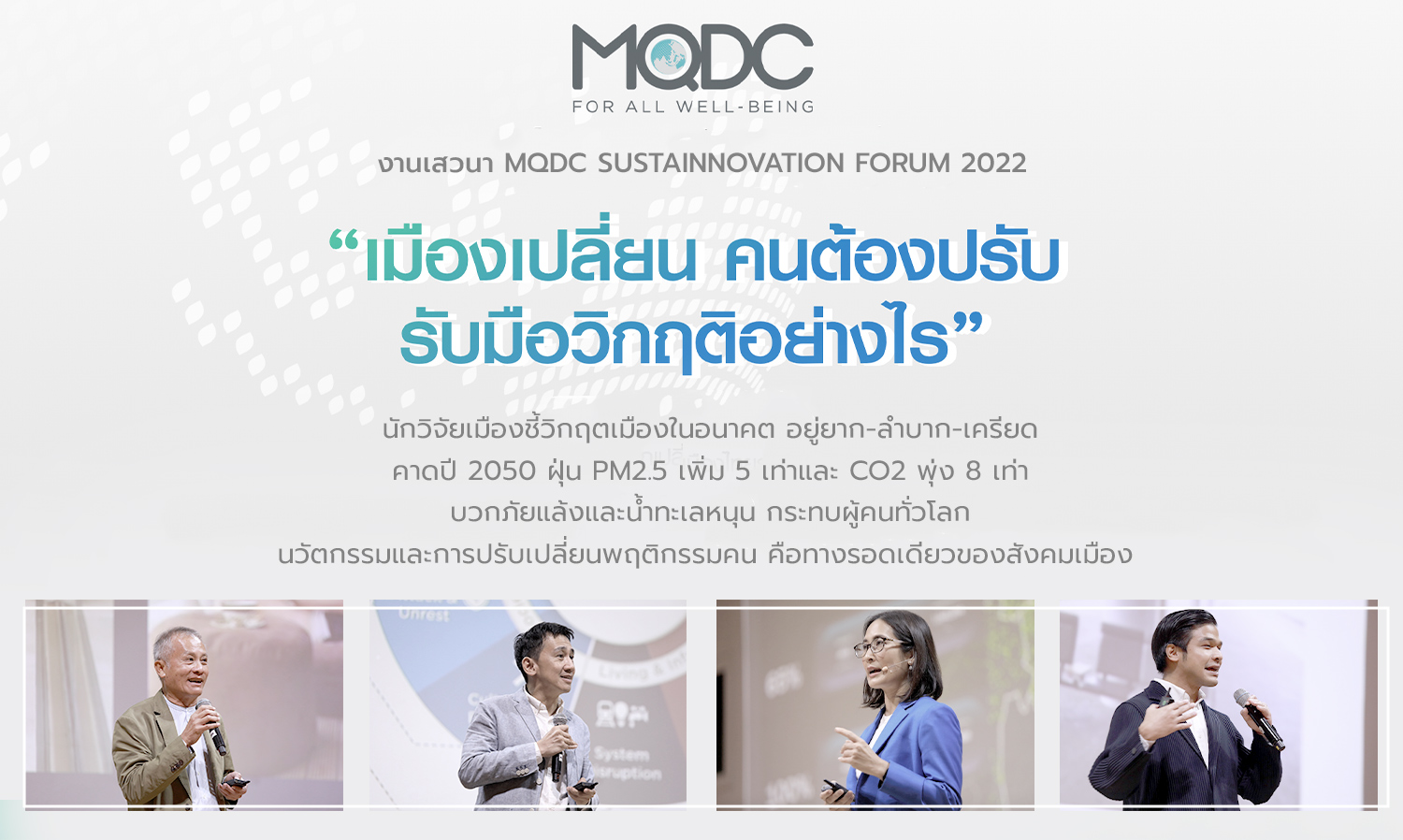
At the forum “MQDC Sustainnovation Forum 2022: How Should Cities Adapt to Crises?”, organized by four key urban development organizations—FutureTales Lab, RISC, Creative Lab, and Unisus-EEC—recently revealed research data on the concerning future urban conditions. It gathered ideas and solutions from researchers, academics, architects, engineers, and innovators to address the impending crises and drive Bangkok towards becoming a Resilient City in the most suitable and sustainable direction.
Unfavorable Urban Scenarios
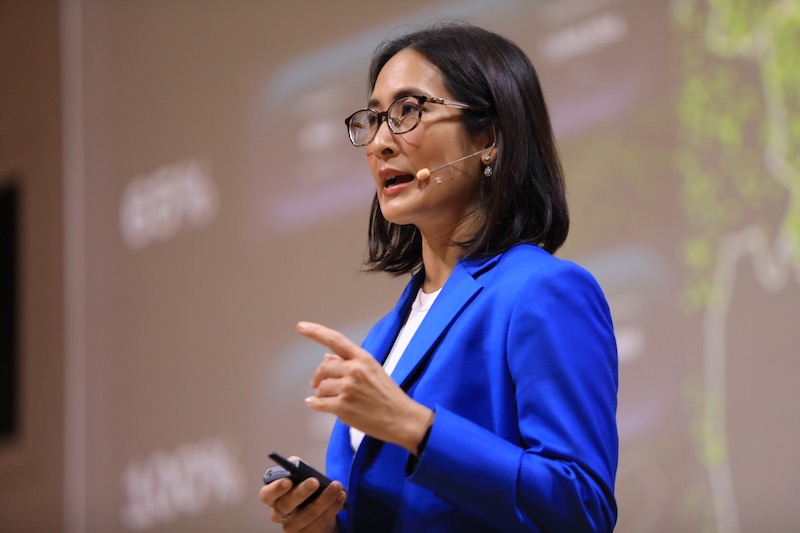
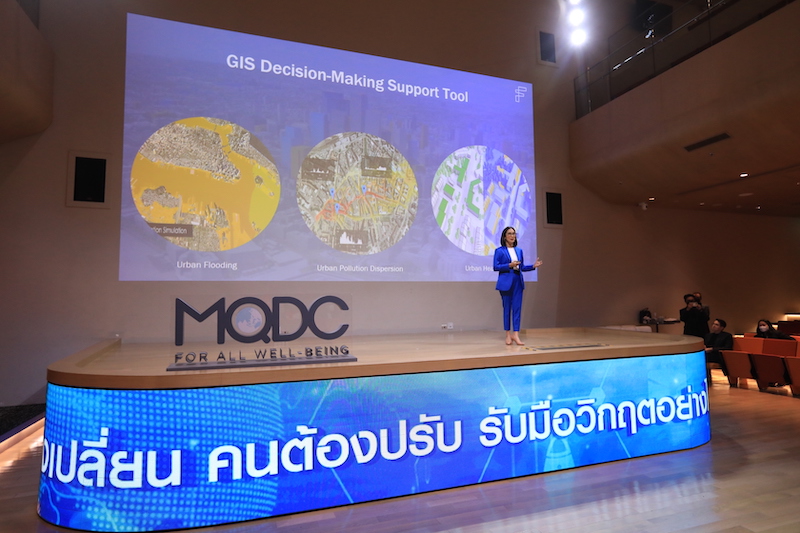
Dr. Kandi Liewphairoj, Executive Director of the FutureTales Lab, which studies and forecasts future urban living trends, presented predictions for cities in 2050 based on global climate change data, energy consumption rates, and human behavior. The findings suggest that the future world will be filled with pollution, making human habitation significantly more challenging than today. Average temperatures will rise by 1.5 degrees Celsius, causing sea levels to rise by over one meter, leading to the displacement of more than 200 million people and exposing over 400 million to disasters due to water and food shortages, as well as extreme droughts. Thailand is not exempt from this, as population movements and economic changes are interconnected globally. It is almost certain that carbon dioxide levels will increase eightfold, while PM2.5 dust levels will rise fivefold compared to today.
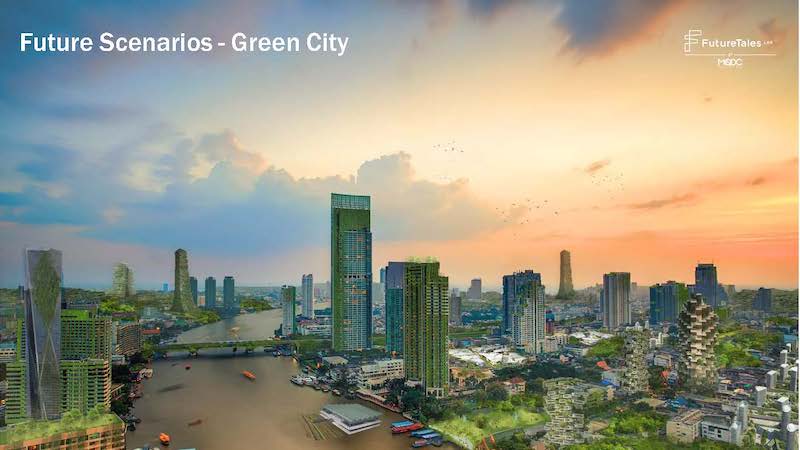
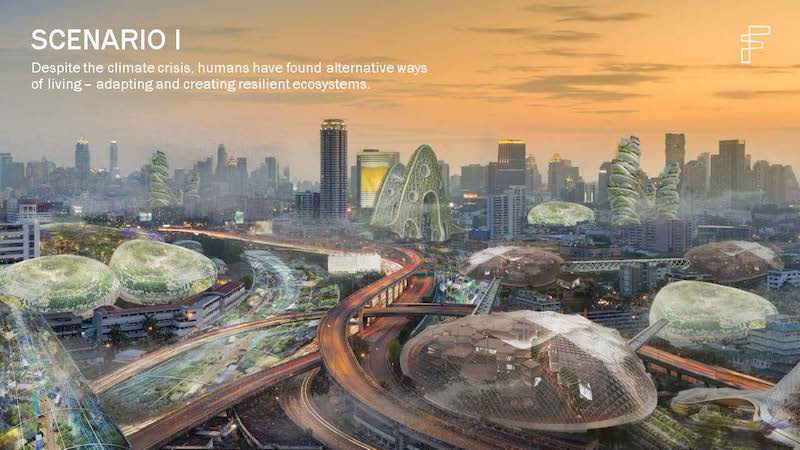
FutureTales Lab also unveiled the first media presentation of Bangkok's future scenarios for 2050, which include two forms: a giant air purification dome city that serves as a residence for only those with high social capital and opportunities, while the majority of communities must live outside the dome, constantly facing smog, pollution, and flooding crises. The second scenario involves a mass migration of human populations seeking new areas for survival, both of which are undesirable outcomes.
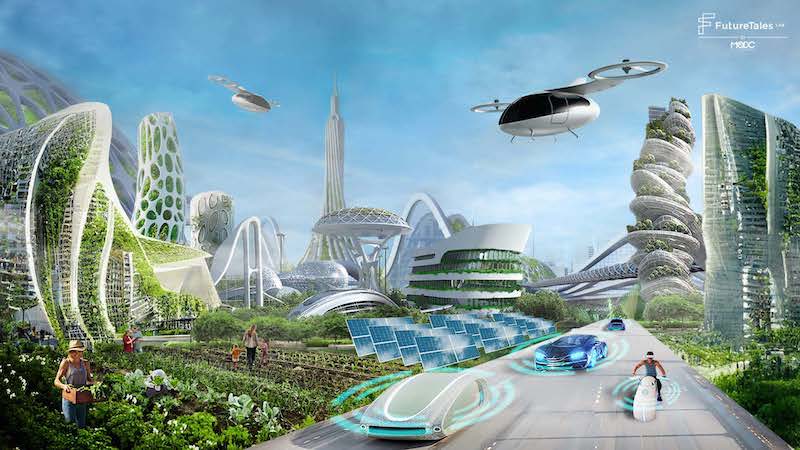
However, we still have the opportunity to collaborate in steering the future of cities towards improvement by changing policies, project developments, and human behaviors under the concept of “Not Only Urbanscape But Also Humanscape.”
Trends in Urban Development for Sustainable Urbanscape
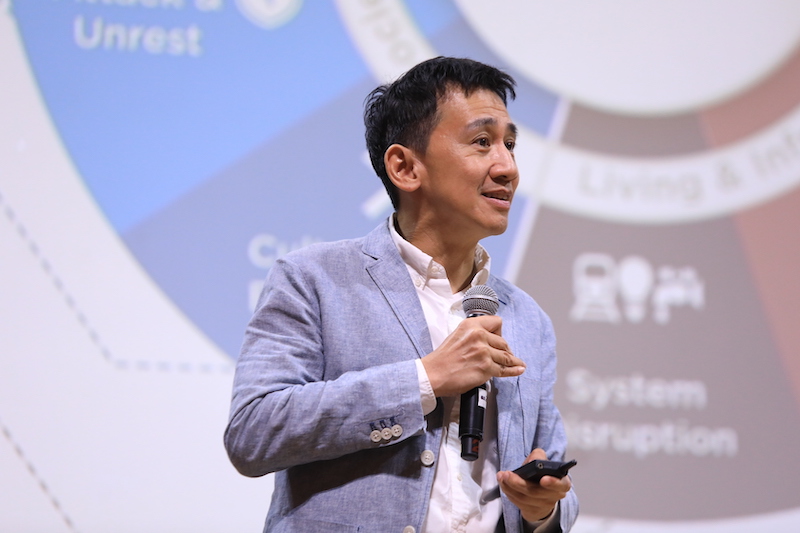
Given the alarming trends in Thailand's future urban crises that could cause significant shocks and stresses to the population (Shocks & Stresses), and with projections indicating that 70% of the global population will live in cities, Assoc. Prof. Dr. Sing Intarachuto, Head of the Advisory Committee at the Research and Innovation for Sustainability Center (RISC), believes that solutions must begin with creating urban societies based on a resilience framework for real estate projects that are prepared to handle the uncertainties of the future, or “Resilience Framework for Future Cities: Strategies for Coping with Future Urban Challenges.” This framework comprises three groups of uncertainty factors: Nature & Environment, Living & Infrastructure, and Society & Economy.
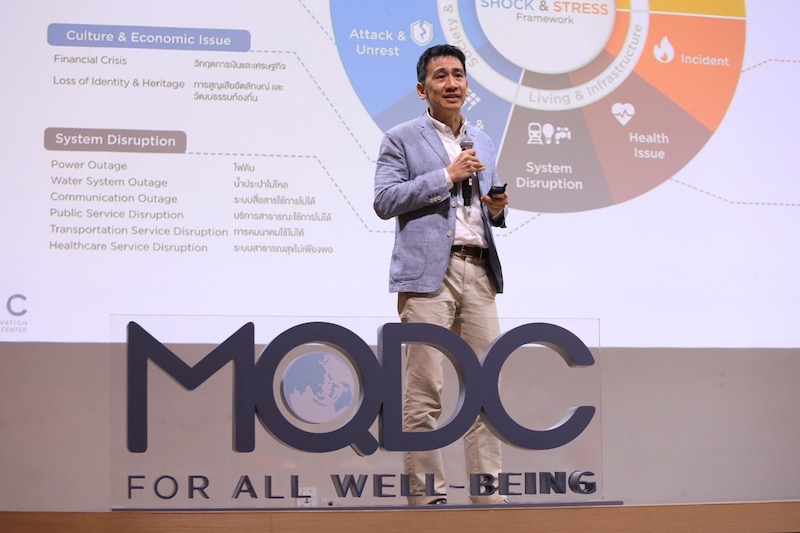
Each group of issues includes Nature and Environment (e.g., environmental degradation, water issues, climate change, flooding, droughts), Living and Infrastructure (e.g., unexpected incidents, health issues, disruptions in public utilities), and Society and Economy (e.g., economic crises, changing cultural values, unrest, inequality in access to infrastructure, and social issues).
_for_sharing_Page_06.jpg)
Since different areas in Thailand face varying issues, it is essential to consider localized problems and apply the Resilience Framework accordingly. For instance, creating a specific framework for water issues in Phra Nakhon Si Ayutthaya may involve assessing risks, particularly concerning flooding from heavy rainfall and river surges, while reducing the focus on drought prevention. By thoroughly considering all problem groups, we can develop a comprehensive framework tailored to each area or city with distinct needs, allowing us to identify solutions for urban development and effectively address emerging issues while investing only in necessary and efficient solutions. Furthermore, we can collaborate with various partners to develop new solutions and technologies that better meet the needs of future cities.
_for_sharing_Page_09.jpg)
Under the Resilience Framework for City Developments, each aspect presents unique challenges in different areas. Therefore, RISC conducts interdisciplinary research and integration to provide solutions that promote well-being for all (For All Well-Being) through the application of knowledge and the creation of sustainable innovations, under RISC's five research hubs:
- Plants & Biodiversity: Studying biodiversity.
- Air Quality: Investigating factors that create good air quality both indoors and outdoors.
- Happiness Science: Exploring brain functions to create happiness through science.
- Materials & Resources: Researching environmentally friendly and health-promoting construction materials.
- Resilience: Studying risks and disasters in environments to plan for coping strategies.
Another partner in this forum is the EEC Group, a leading consulting engineering team with over 46 years of experience both domestically and internationally. Mr. Kecha Teerakomen, Chairman of the EEC Group and Chairman of Unisus Green Energy Co., Ltd., also proposed a new direction for engineering work, emphasizing that engineers must rethink their roles. Traditionally, engineers focused on ensuring water flow, electricity, and air conditioning, but to change the future, they must redesign project systems from the ground up.
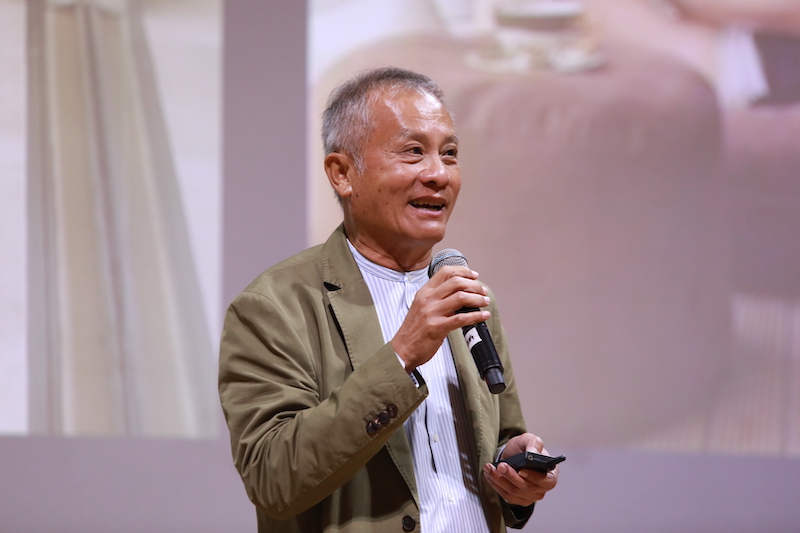
For example, instead of merely designing air conditioning systems to cool buildings, the focus should shift to creating systems that make residents feel comfortable while minimizing or eliminating air conditioning use, transforming Heat Urban into Cool Urban. Rather than creating projects that generate pollution, the goal should be to develop projects that help reduce pollution, fundamentally changing the approach and mindset to address urban heat issues at their source, as it is undeniable that energy consumption from all engineering systems contributes to heat accumulation.
One exemplary project that utilizes engineering systems and innovative design to realize an ideal city is The Forestias, which features breathable buildings that ensure good air circulation without energy consumption, combined with a 50% forest area to improve air quality. This project can effectively reduce heat, generate oxygen, and enhance air circulation, along with a Zero Water Waste Model that treats and reuses 100% of wastewater within the project without discharging it into public drainage systems. This means minimal reliance on external water resources, and the project also serves as a water retention area to help mitigate flooding both within the project and surrounding areas. Additionally, architectural design solutions create comfort for residents without energy use. These serve as templates and starting points for developing other projects and urban areas to create environments conducive to human life without causing environmental impacts.
Humanscape: Small Changes That Can Make a Big Difference Starting with Each of Us
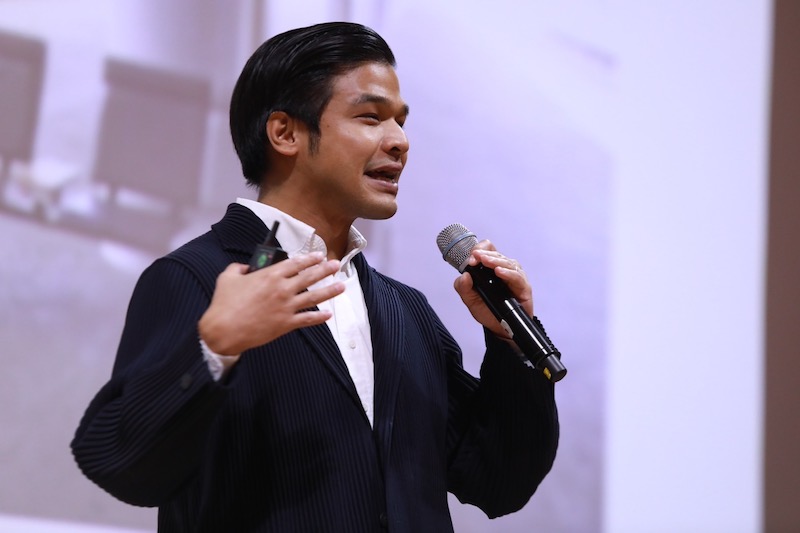
Developing future cities cannot overlook understanding human behavior and motivations for adaptation. As Parut Penpayap, Senior Director of Creative Lab and Director of the MQDC Metaverse project, one of the forum's partners, believes, “Humans are both the source and the destination of sustainable urban development.” Therefore, Creative Lab has studied human problems and needs to present experience innovation and new business thinking. They have applied design thinking and service design to create sustainable lifestyles, demonstrating that in some cases, addressing significant global issues can be achieved by altering daily routines, and everyone can start today.
Collaboration from All Sectors is Key
As FutureTales Lab has initially pointed out, changing the future requires collaboration from all sectors, including government agencies responsible for clear and concrete policy formulation, project developers who must recognize the importance of future urban change, and consider environmental benefits as a success indicator alongside financial metrics. Most importantly, the public must actively participate in driving the creation of sustainable future cities where everyone can coexist happily with fellow humans, other living beings, and the planet.