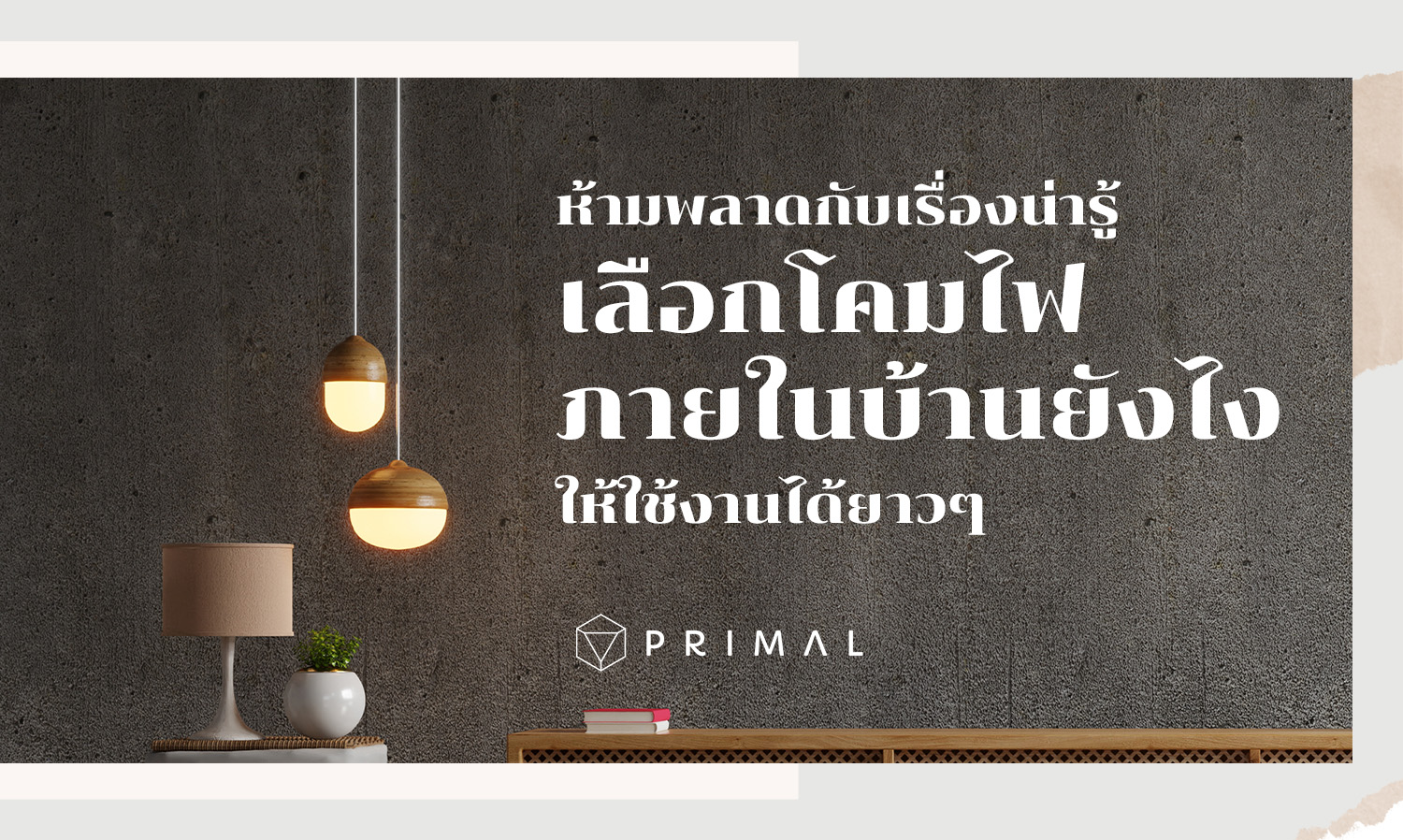
Don't Miss Out on These Tips: How to Choose Indoor Lighting for Long-lasting Use
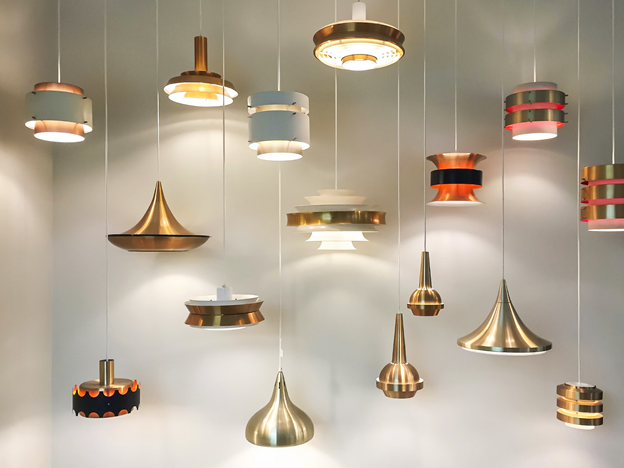
If you're someone planning to install indoor lighting but are unsure about what to choose for suitability and longevity, today we want to guide you on how to select the right options that will be both appropriate and durable. If you're ready, let's explore some great tips for choosing indoor lighting!
Light Color Tones
- Warm White Light
The first type, Warm White light, has a soft orange tone that creates a warm and relaxing atmosphere, making it suitable for bedrooms, bathrooms, and living rooms. It is not overly harsh on the eyes, with a color temperature of around 2,500 - 3,300 Kelvin. However, this type of light is not ideal for dressing rooms, makeup areas, or spaces where accurate color representation is essential.
- Cool White Light
Cool White light emits a bright white, cool tone that is easy on the eyes, making it suitable for areas where clear color visibility is important. It is commonly used in retail spaces or dining areas, enhancing the appearance of food. The color temperature for this type is around 4,000 Kelvin.
- Daylight White Light
The final type is Daylight White light, which closely resembles sunlight and does not distort the colors of objects. It helps to invigorate the body and refresh the mind, with a color temperature of approximately 6,000 - 6,500 Kelvin.
Light Bulb Bases
- Incandescent Bulbs
Indoor lighting that uses incandescent bulbs emits light by passing electricity through a filament. Nowadays, these bulbs have an extended lifespan and may be referred to as halogen tungsten bulbs. Incandescent bulbs are great for creating a bright atmosphere, especially suitable for display cabinets.
- Compact Fluorescent Bulbs
Compact fluorescent bulbs, or spiral bulbs, are very popular due to their high brightness, long lifespan, and energy efficiency compared to incandescent bulbs. These bulbs can provide illumination both indoors and outdoors.
- LED Bulbs
LED bulbs are small yet provide excellent illumination without emitting UV rays or heat, which helps extend their lifespan. Nowadays, most indoor lighting options tend to use LED bulbs as the primary choice.
Brightness Levels Suitable for Spaces
When choosing indoor lighting, it is essential to select the appropriate brightness level to facilitate the intended activities. For example, reading or working areas should have sufficient lighting to prevent eye strain, while bedrooms and relaxation spaces should have softer lighting to promote restful relaxation.