How to Choose Lightweight Walls to Meet Your Needs: Find Out Here!
If you are planning to extend your home but want to avoid high-cost materials like bricks, stones, and cement, did you know that you can opt for lightweight walls for your extension? They offer numerous advantages and are not overly expensive. If you already have some skills in home improvement, it can be done quickly and conveniently. But if you're unsure what lightweight walls are, today we will provide a brief introduction to help you understand.
I believe that when it comes to extending your home or adding space, no one wants to spend a long time on repairs. If there’s a way to do it quickly, it can greatly enhance your quality of life.
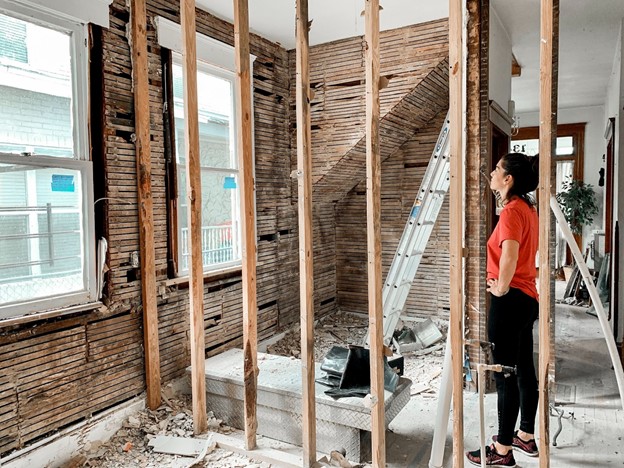
What is the process of extending with lightweight walls?
Extending with lightweight walls involves installing large panels that fit into a framework. The materials chosen are lighter than traditional walls made of bricks or concrete. Commonly used materials include gypsum boards, plywood, cement boards, and fiber cement boards. Additionally, other materials may be mixed in to achieve the desired design, making construction easier and less chaotic, which is why they are becoming increasingly popular.
What type of lightweight walls are suitable for installation?
Of course, when extending your home, everyone wants high-quality materials. For those looking for lightweight walls for their extension, we recommend materials like fiber cement boards or diamond boards, which are made from cement mixed with cellulose fibers. These materials are known for their flexibility, allowing for good bending, and they are resistant to moisture. If you want walls with a raw concrete look, this type of material can achieve that beautifully.
Another recommended material is cement plywood, which is made from wood chips mixed with cement. This provides strength and moisture resistance. Choosing this type of material is similar to fiber cement boards, but you can see wood particles embedded in the cement. The advantage of using this material for home extensions is that cement plywood has an attractive surface, offers flexibility, and is durable, making it suitable for load-bearing applications, whether for flooring or walls. You can be assured of its quality and suitability for use.
Home decoration depends on individual style.
When it comes to home extensions, everyone desires a style that suits them best. However, budget considerations are crucial. If your home is large and has many family members, careful planning for the extension is necessary to minimize disruption to daily living. Additionally, the choice of materials for the extension should also consider the suitability for family members and their usage.