Co-Living
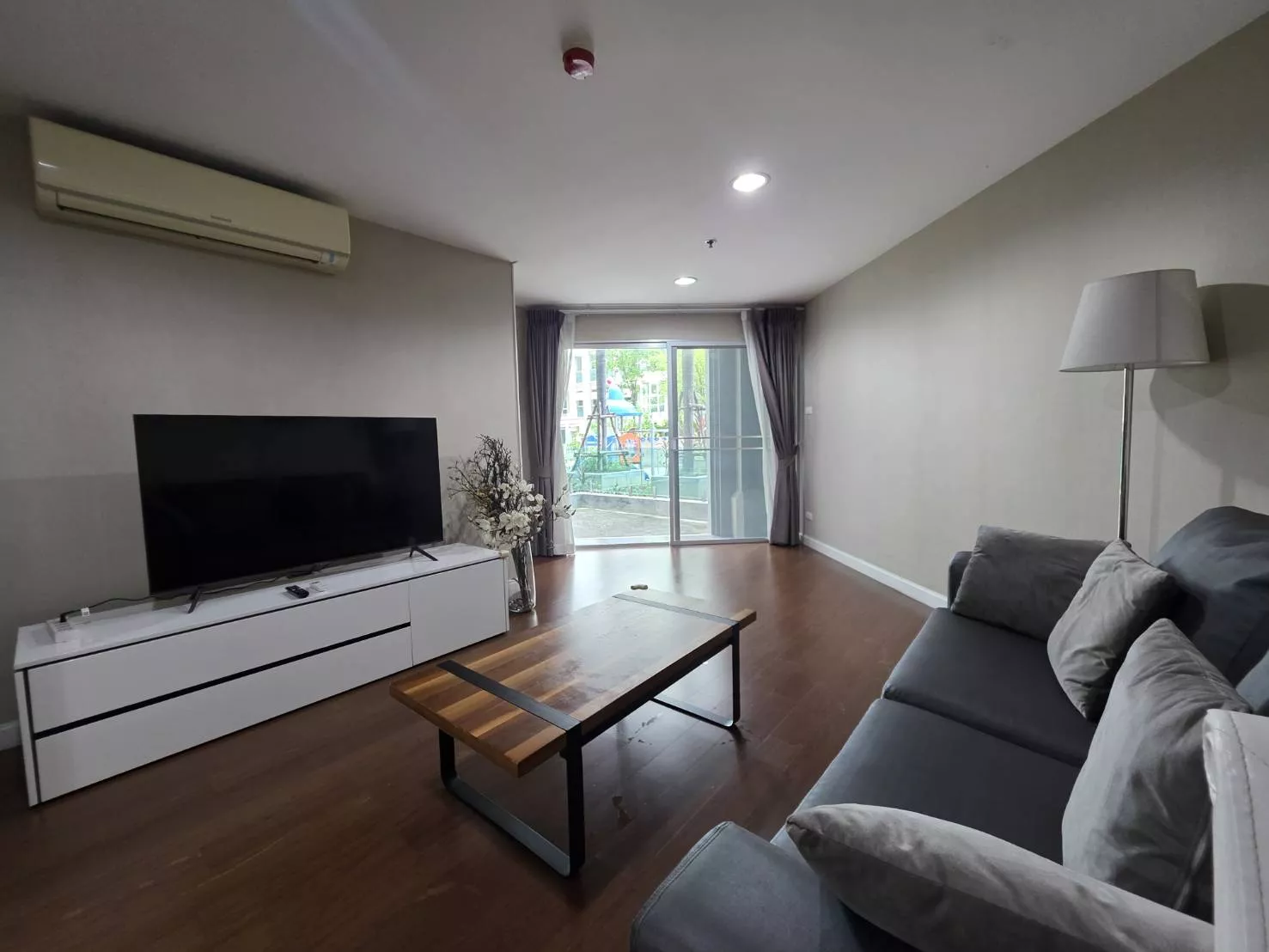
Currently, in major cities around the world, rental prices have skyrocketed, leading to a crisis where people can no longer afford housing costs. With the onset of COVID-19, many began seeking more affordable living arrangements, giving rise to Co-Living. This living arrangement allows each resident to have their own room while sharing common spaces such as kitchens, living rooms, gardens, and bathrooms. This concept has long been popular among university students abroad, who often rent houses together. When one person moves out, the landlord must find a new tenant, creating a cycle. Property owners in other countries have adapted their homes by converting bedrooms and modifying living spaces and bathrooms to accommodate Co-Living. In recent years, this trend has gained popularity among young professionals who have just started working and do not yet have families, especially in large cities where apartment rents are quite high. Renting just a bedroom or sharing a house with others in a Co-Living setup has become increasingly favored.
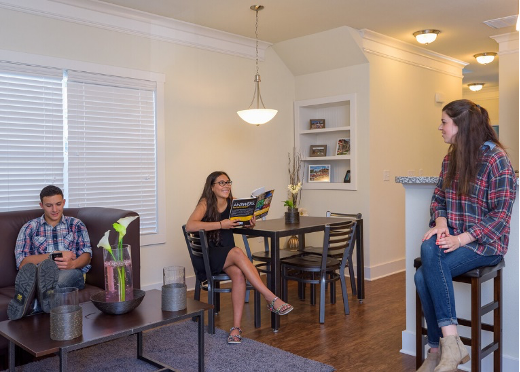
Source: rentable.co
The Co-Living model in Thailand is easily visualized during the time students move from rural areas to attend university, where they often stay in dormitories. A single room may accommodate up to four people, and students must live with others they have never met before. This is a form of Co-Living, even without a kitchen or private rooms, as it fosters new friendships and shared memories, such as cooking instant noodles together on an electric pan. The opportunity to live together and meet new people is one of the advantages of Co-Living. Research by Ikea indicates that the primary reason people are drawn to Co-Living is the chance to socialize, engage in conversations, and participate in activities together. Therefore, an essential aspect of Co-Living is the compatibility of the residents, who must be adaptable, respect house rules, and honor each other's privacy. If a noisy person shares a space with someone who goes to bed early, it can lead to discomfort. These matters should be agreed upon by the residents. Co-Living operators abroad design buildings and interiors to look modern and appealing, surpassing typical apartments. In addition to maintaining the property, they also organize various activities and trips for residents, provide cleaning services, and offer assistance in adapting to new living arrangements.

Source: glassdoor.co.in
As many hotels are adapting to welcome international tourists, incorporating Co-Living concepts into their design or renovations is an intriguing idea for hostels. Typically, these hotels already have kitchens and common living areas for guests. By implementing Co-Living ideas, such as creating spaces for cooking, working, and activities for guests with similar interests, including digital nomads who can work from anywhere, hotels can enhance their appeal and attract more visitors.

Source: orangemedianetwork.com
In the future, Thailand will see an increasing elderly population. Current working-age individuals, especially those who are single, are beginning to plan for their lives in old age. Conversations among friends often revolve around who has property in rural areas, so they can build homes together and share living spaces. This concept is a form of Co-Living. Currently, there are many housing projects aimed at the elderly that can also incorporate Co-Living designs. The downside of senior housing abroad is that it often feels hospital-like. Introducing the fun and community spirit of Co-Living could be an interesting approach that enhances the happiness of residents.