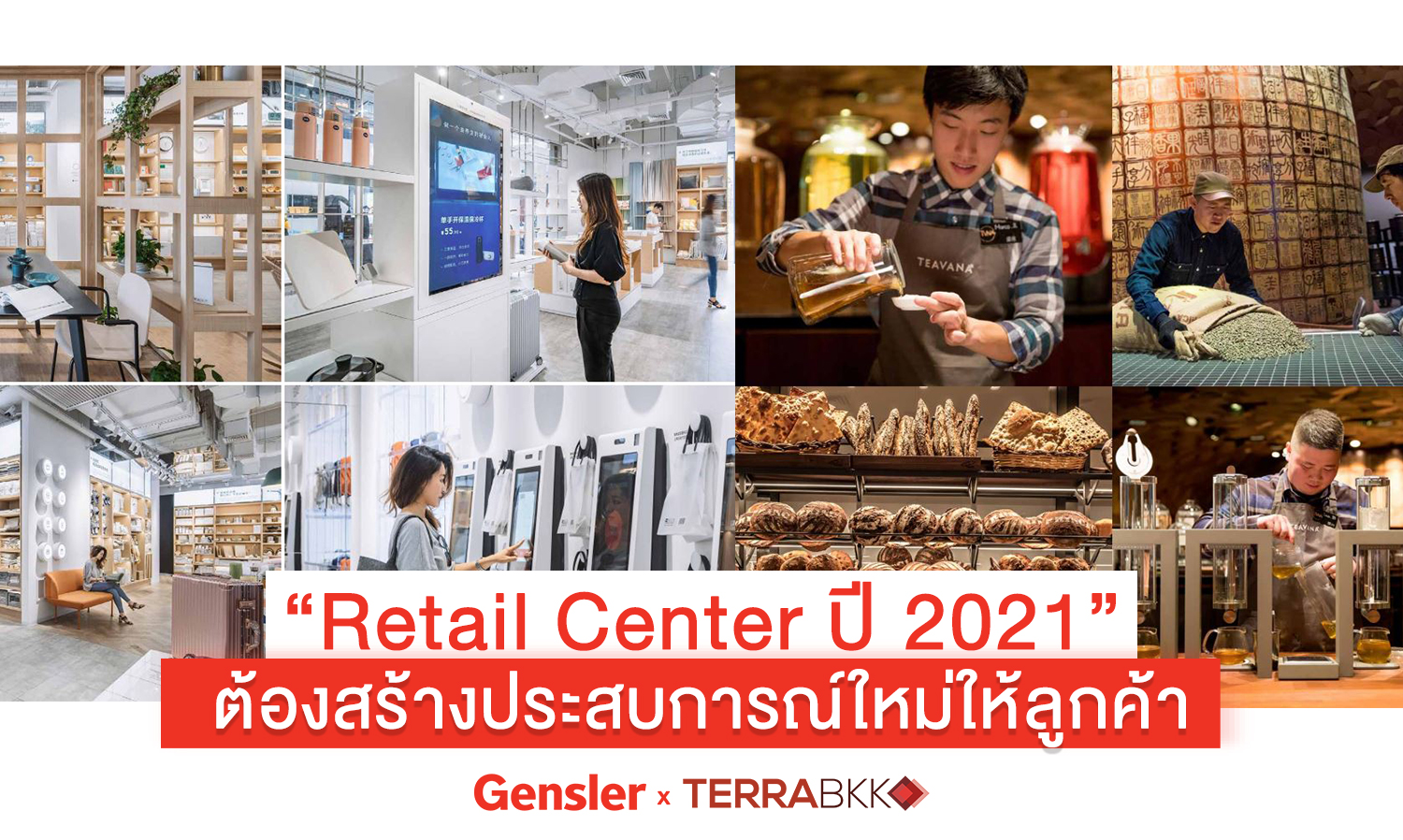
Retail Center 2021: Creating New Experiences for Customers
Since the emergence of the COVID-19 virus, many changes have occurred, particularly in cleanliness and maintaining distance to prevent virus transmission. It is clear that moving forward, the world will prioritize the design of new buildings that meet the demands of the New Normal, especially in retail space design, as this sector has been directly impacted by the COVID-19 crisis. TerraBKK spoke with Dr. Chakrit Leungjaroenrat, Studio Director at Gensler (Thailand) Co., Ltd., a leading architectural and interior design firm recognized as the number one design firm in the world by Architectural Record in 2020.
About Gensler
Developing tools for planning and designing structures for a diverse world.
During the COVID-19 crisis last year, many things came to a halt. Several design firms seized this opportunity to enhance their tools for greater efficiency. Gensler is one of the most notable examples, having spent last year developing and improving its tools, enabling designers to use data to drive the design of neighborhoods, buildings, and interiors quickly. This also allows for a visualization of completed projects at a human scale, making it possible to design spaces that cater to diverse groups effectively. Reference: www.fastcompany.com
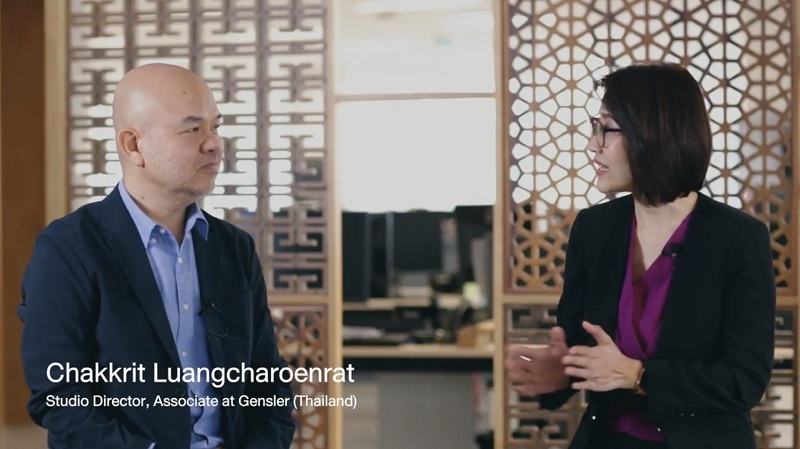
Design Trends for Retail Spaces in 2021
In designing and transforming retail businesses in the COVID-19 era, we may need to consider two phases: before and after COVID-19, and how the world will change. Before COVID-19, we focused on adapting spaces, while after COVID-19, adjustments will continue, as we cannot keep building new shopping malls like we do with condominiums. Shopping malls are reusable spaces with constant foot traffic. Thus, we must focus on how to adapt to meet the emerging needs and changing consumer behaviors.
At Gensler Gensler, we conducted research because our company provides branding and retail space services. We worked with retail space owners and customers to analyze data for guidance. We observed that after the government lifted lockdown measures, many people returned to shopping malls after being home for 4-5 months. However, in reality, changes had already begun before COVID-19, as some people were no longer shopping in malls, which had to adapt to the rise of online shopping.
COVID-19 has accelerated changes in consumer behavior, making online shopping a norm. Previously, there were concerns about the quality of online purchases, but now it is commonplace. Therefore, malls must adapt to meet consumer needs.
The first step when customers leave their homes is for malls to adapt. The first priority is for retailers to create a narrative and identity, as modern consumers seek to express themselves. They need a story to attract target customers, which is a new challenge for malls to adapt post-COVID-19. They must create experiences that are more engaging than just dining or banking during weekends.
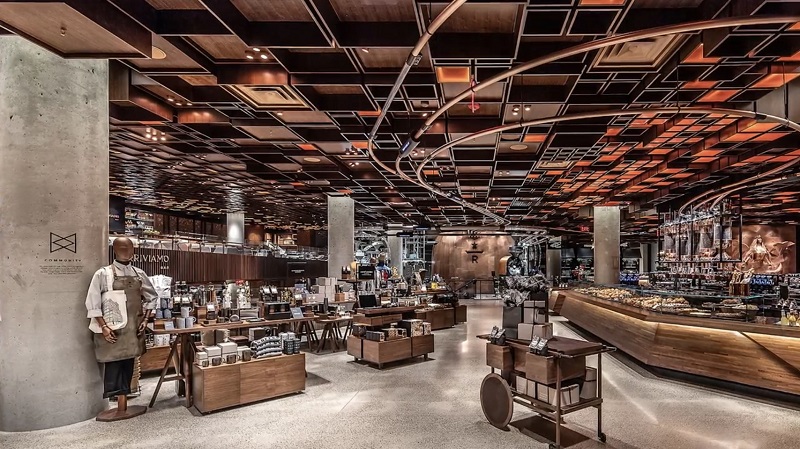
The second point I mentioned is how to create an experience when entering a mall, experiencing different areas. For example, the new mall at Singapore's airport features a waterfall that attracts visitors to take photos.
The third point is the digital aspect—how to integrate malls into digital platforms. Everyone is starting to do this, but we may not see many malls. We need to consider what strengths we have, such as interactivity and virtualization. I believe the internet will make online shopping limitless because nowadays, there are 3D photo spots available, enhancing the experience. Malls now need digital platforms to create awareness and draw people in to create experiences.
Next, changes are occurring in what is called Test and Learn. Typically, when shopping online, customers cannot try products or return them, leading to a new concept where malls will not just be places to buy goods but spaces for customers to try on or test products before ordering online. This means there is no need for large storage areas, but storefronts must still be attractive to entice customers to try products. Coupled with Virtual Reality, which allows visualization, for example, in high-end malls in America, they have adapted their concepts to reach smaller customer segments by opening pop-up stores for customers to try products and order online, as expanding large malls throughout the city is challenging.
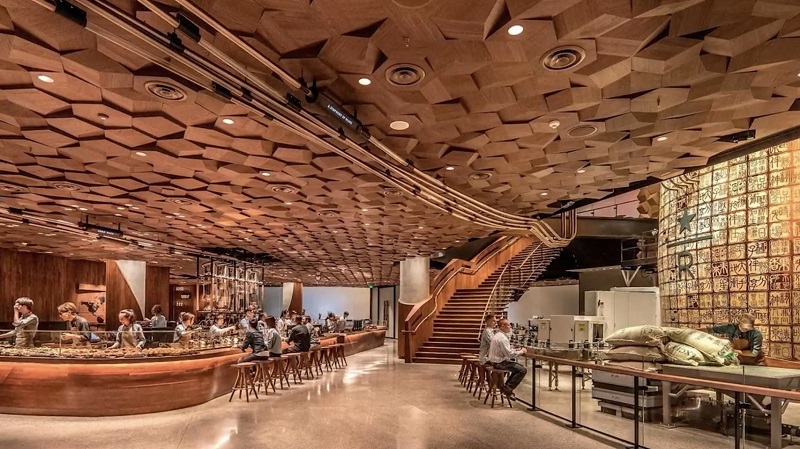
In the future, malls may just be spaces to showcase products, with distribution centers located anywhere, eliminating the need for large storage rooms waiting for customers to buy. We believe that technology and transportation have advanced significantly, and this sales channel adjustment will reduce the need for large rental spaces in malls for stock, allowing for lower prices for customers, making it easier for them to shop.
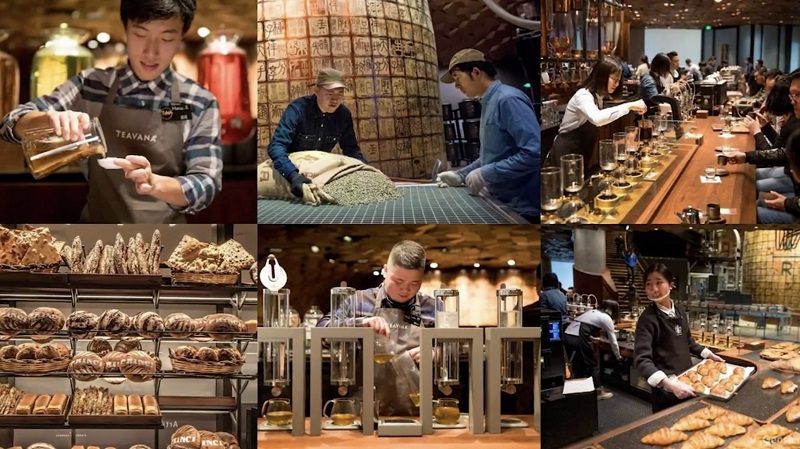
Creating New Experiences for Customers in Retail Through 5 Elements
Gensler Gensler has conducted in-depth research on creating new experiences for customers in retail, identifying 5 elements that can enhance customer experiences, applicable to residential buildings, office buildings, hotels, and retail spaces.
Task is to find ways to draw customers into our space with a purpose.
Social because humans are social beings; if a space allows for social interaction, people will spend more time there, creating a gathering area.
Entertainment is about how to make spaces, such as restaurants or cafes, feel different from what customers are used to. People want to spend time in new, relaxing environments.
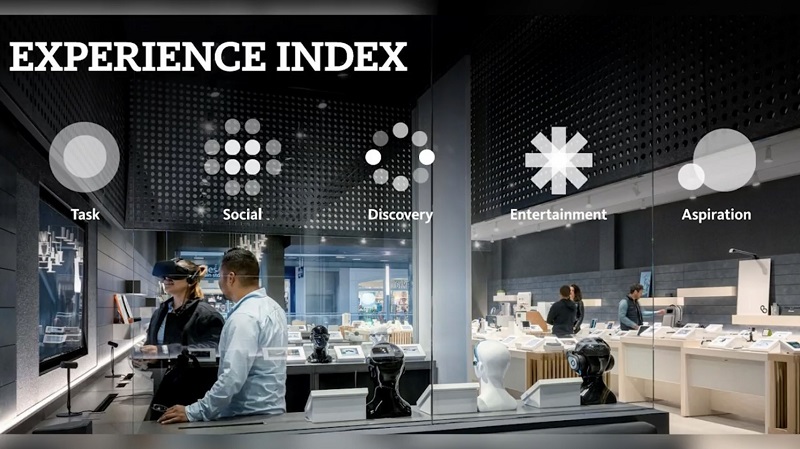
Discovery is about creating intriguing spaces in malls that encourage customers to linger, increasing their interest and likelihood of making purchases.
Aspiration is about making spaces that inspire customers and connect them with others.
"Retail space design must focus more on creating customer experiences and crafting narratives to attract target customers, enhancing their engagement and increasing spending in malls."