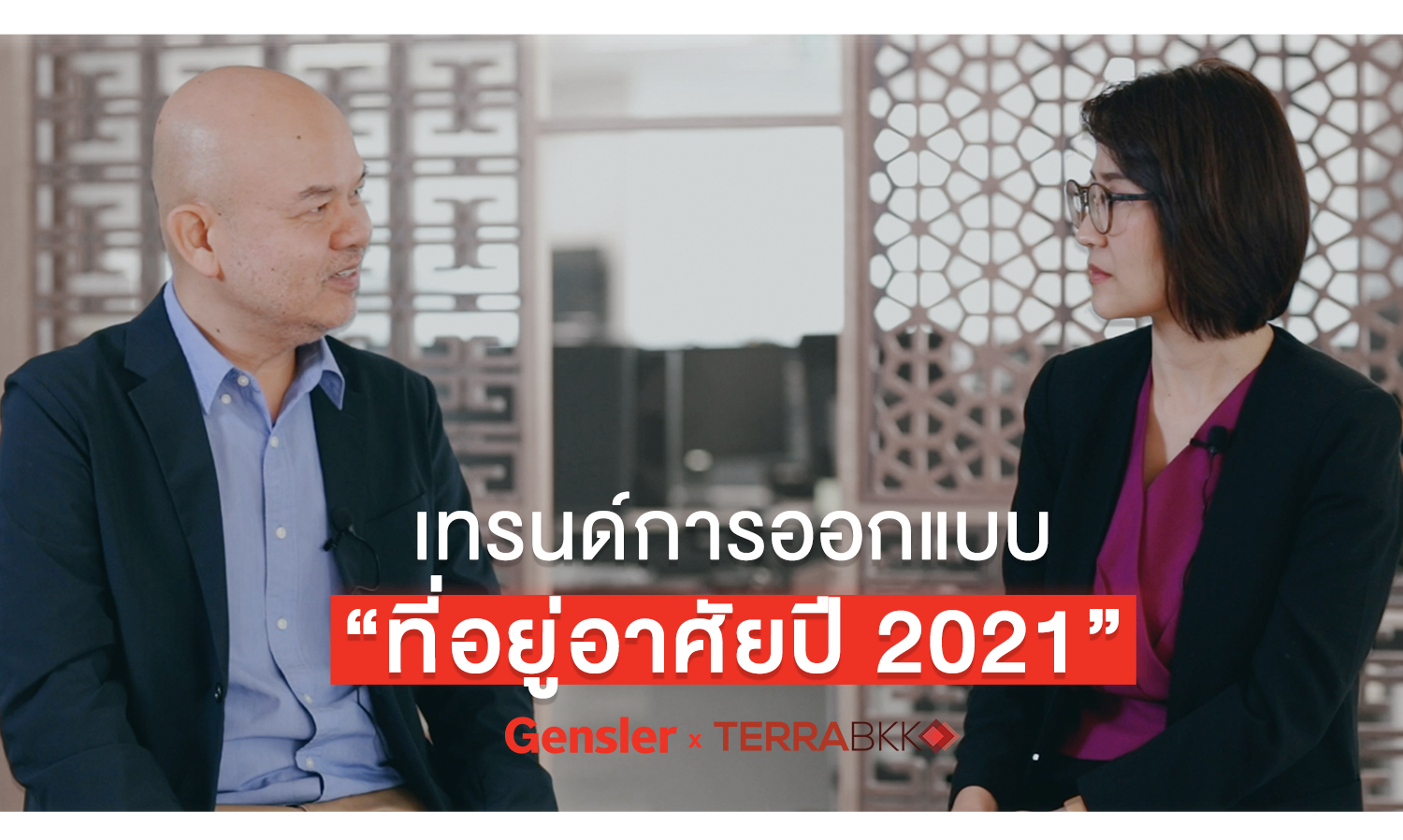
Trends in Residential Design for 2021
Since the outbreak of COVID-19, many aspects have changed, particularly in cleanliness and maintaining distance to prevent the virus. It is clear that moving forward, the world will prioritize new building designs that meet the demands of the New Normal.
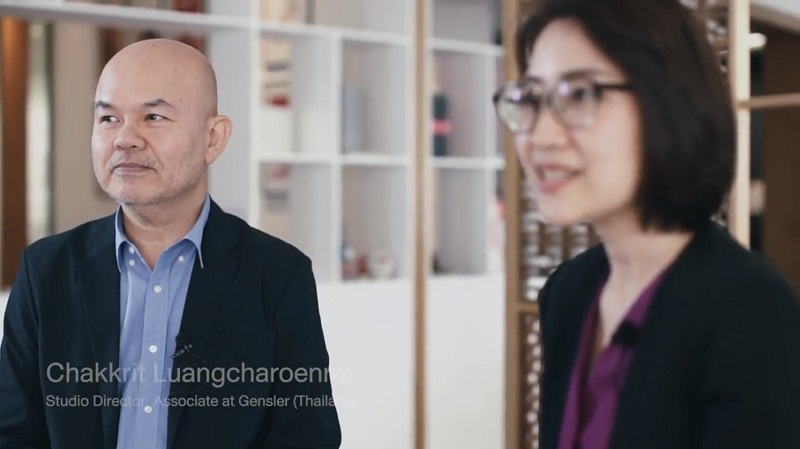
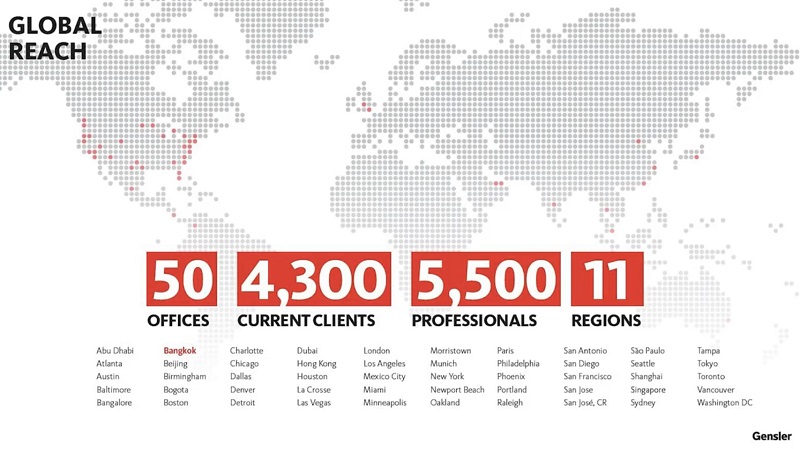
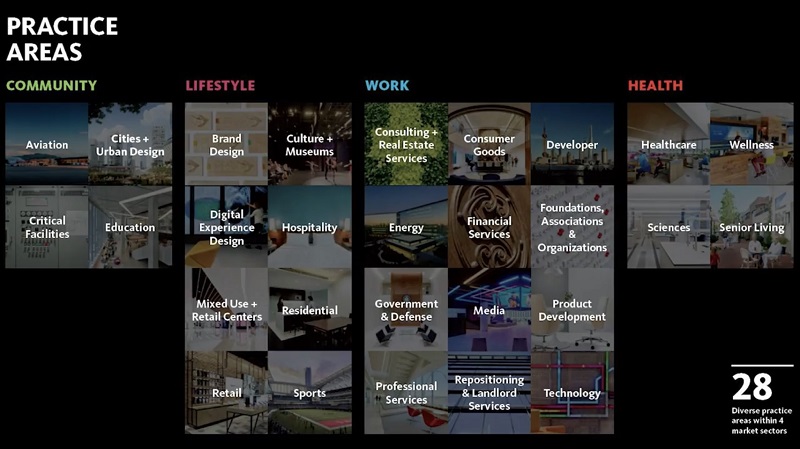
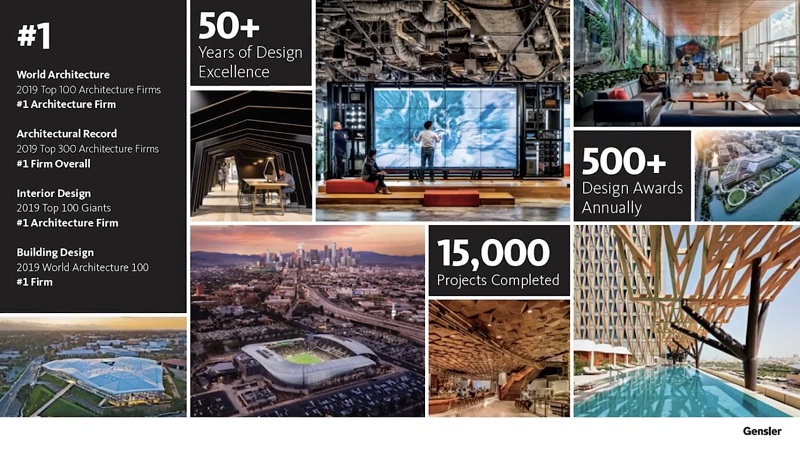
TerraBKK has spoken with Dr. Chakkrit Luangjaroenrat, Studio Director at Gensler (Thailand) Limited, a company recognized as the world's number one in design by Architectural Record in 2020. Gensler, headquartered in San Francisco with 50 offices worldwide, has been in operation for over 60 years, designing hospitals, schools, office buildings, libraries, and more. In 2020 alone, Gensler completed over 2 billion square meters of interior design and architecture globally.
About Gensler
Developing tools for planning and designing buildings for a diverse world.
During the COVID-19 crisis last year, many projects were halted. Several design firms took this opportunity to enhance their tools for greater efficiency. Gensler is one of the most notable examples, having spent last year developing and optimizing its tools, enabling designers to use data to drive design for neighborhoods, buildings, and interiors quickly. This also allows for a complete project visualization at a human scale, making designs more accessible to diverse groups. Reference: www.fastcompany.com
Future Residential Design from Gensler's Perspective
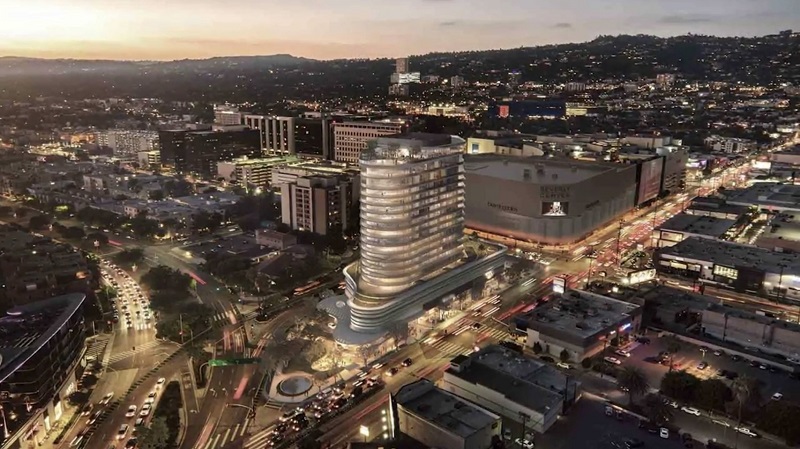
Previously, residential design, such as condominiums, focused solely on functionality. However, with the emergence of new diseases, issues arose regarding where residents could buy food or how they could work. The key challenge has led us to believe that in the post-COVID-19 world, residential development must be mixed-use, with 95% dedicated to living spaces and 5% for other purposes like restaurants, convenience stores, and office spaces.
In the past, we discussed the concept of 'live-work-play' as a necessary approach. I believe that mixed-use is a trend that must emerge, moving away from the previous single-user model. Furthermore, during the pandemic and lockdowns, future homes must facilitate remote work. In 2008, our company conducted a Work Place Survey for individuals in the U.S. and the U.K.
The survey revealed that to enhance office worker productivity, four key factors must be addressed: Focus, ensuring the space allows for normal work focus; Collaborate, enabling communication and coordination; Learn, facilitating mutual learning; and Socialize, allowing for social interactions. All these components are essential for a well-designed office building.
If we shift from working in an office to working from home, the home space must also accommodate these four components, allowing workers to focus, learn, and communicate with colleagues. This is a crucial consideration for property developers, based on feedback from individuals in the U.S. and the U.K.
Designing Flexible Spaces for Living and Working
Flexibility is the second factor we must consider when designing living spaces in this era. Living spaces must adapt from being solely residential to accommodating work-from-home needs. This shift requires that these spaces be flexible and adaptable.
Such projects are already emerging in Singapore, particularly residential buildings that allow tenants to modify their living spaces according to their needs. In Singapore, most residential properties are government-subsidized, and the government recognizes the changing world.
Meanwhile, property developers in our country must think differently. If they can innovate, it will be beneficial as a selling point. They need to consider how to create products that meet all four components, ensuring that these spaces are more than just small corners for work. They must design spaces that effectively support working from home, rather than using leftover areas.
It’s worth noting that past residential designs did not prioritize communal spaces. Gardens were created only to meet legal requirements. However, future projects must emphasize gardens, as people are spending more time at home. If I have to stay in a small room all day, I worry about potential physical and mental health issues. Future projects must include communal areas for relaxation, as more people work from home. Amenities must also keep pace, with internet infrastructure supporting 5G. Developers must think ahead to address emerging problems and provide solutions.
"I know they know, but the future must adapt. This will give them an advantage if they are ready when the market returns. Now may not be the time to launch new projects, but we can prepare for them."
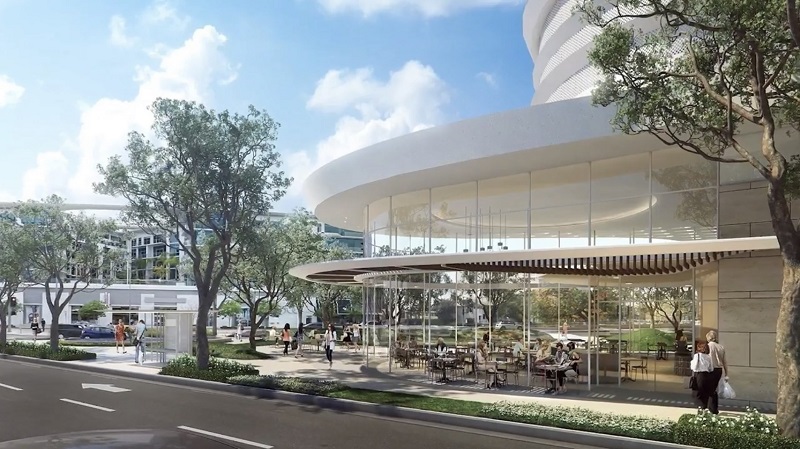
Trends in Innovative Materials in the New Normal
Innovative, antimicrobial materials have been gaining attention for some time. Before COVID-19, the world was already focusing on sustainability, which encompasses three P's: People, Planet, and Profit. In the past, most people were only concerned with profit, leading to sales-driven practices that harmed the planet. Nowadays, there is a growing awareness of the importance of people and the planet, particularly regarding climate change, prompting a shift towards eco-friendly materials.
Developers are likely aware that over 50% of their investment goes into materials. If we can innovate or use environmentally friendly recycled materials that do not emit toxins, it would also meet market demands.
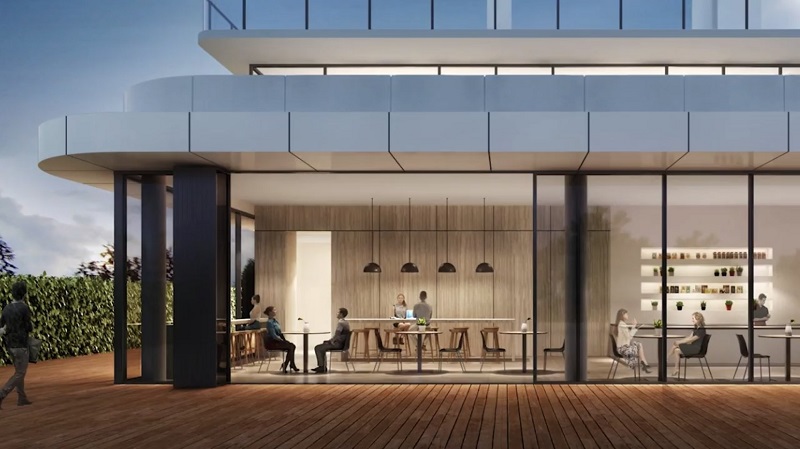
Design Ideas for Communal Gardens to Feel Like Private Gardens
For the design of communal or private gardens, the idea should be to create a one-way flow to minimize cross-traffic. This can be achieved by strategically placing trees and shrubs to protect those exercising, such as using tall and short bushes to shield running paths. The design must integrate well with the space to maximize its utility.