
Decoding the Empower Living Key: Concepts and Stances that Overcame Challenges for 30 Years at AP Thailand
<\/p>
 <\/p>
<\/p>
<\/p>
It is well understood that the COVID-19 pandemic has created chaos and transformed the world in unprecedented ways across all dimensions, including society, economy, politics, and the lifestyles of individuals. It can be said that this is the greatest challenge ever faced by brands and businesses.
30 Years of Challenges <\/strong><\/span><\/h2>
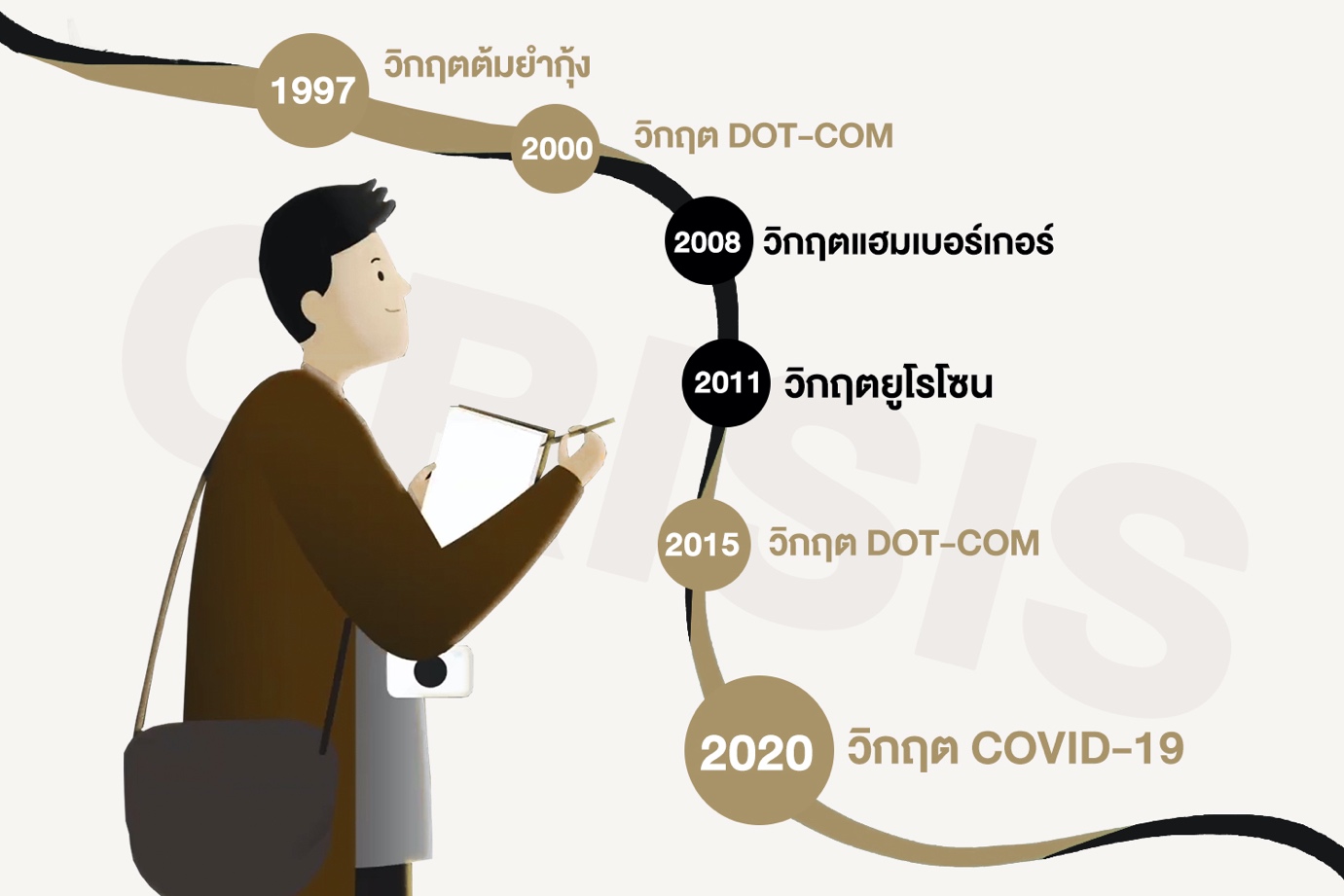
This is not the first time that the world and businesses have faced challenges. If we compare it to a person's lifespan, it would be around 60-70 years. Their youth was about 30 years ago, and they have experienced numerous transitions. From the experiences of having gone through significant crises multiple times, including economic crises like the 1997 Tom Yum Kung crisis, the Dot-Com crisis in 2000, the Hamburger crisis in 2008, the Eurozone crisis in 2011, health crises such as the SARS, MERS, and Ebola outbreaks, as well as natural disasters like the tsunamis in Thailand and Japan, the earthquake in Nepal, and terrorist attacks like the September 11 attacks or the Paris attacks in 2015.
 <\/p>
<\/p>
<\/p>
All of these events are just a fraction of history, but every trace reflects how we have gracefully navigated through recessions towards a brighter future. Although the past situations occurred within limited scopes, they cannot be compared to the global anxiety caused by the COVID-19 crisis. However, many hope that we will overcome it through united cooperation.
Global Trends Impacting Future Lifestyles <\/strong><\/span><\/h2>
What will happen next? <\/strong>?<\/strong><\/span><\/h2>
This is a question that many are guessing and worrying about, including businesses and industries that are trying to find ‘directions’<\/span><\/strong> and ‘channels’<\/span><\/strong> to keep their businesses moving forward. Various scholars are predicting the trends of changes that will occur after this to help everyone prepare. We have summarized them as follows:
 <\/p>
<\/p>
1. Shift in Global Economic Power <\/span><\/strong>: The Institute for Future Innovation (IFI) under the National Innovation Agency (Public Organization) or NIA analyzes that after the COVID-19 situation, it has reinforced China's status as a superpower. China was the first country affected and has quickly recovered, showcasing its potential. The rapid recovery will provide an opportunity for China to re-emerge in trade at an accelerated rate, while former superpowers like the United States and Europe will lag behind as they are still in the process of healing.
 <\/p>
<\/p>
2. Full Digital Transformation <\/span><\/strong>: As people try to avoid infection by maintaining distance, technology has become the solution. The trend of online shopping, various remote communication platforms, online learning, and other digital technologies has surged in popularity. The sudden shift in consumer behavior towards technology will accelerate businesses to transform dramatically. The use of technology in business will no longer be just a ‘choice’<\/strong><\/span> but has become a ‘necessity’<\/span><\/strong>.
 <\/p>
<\/p>
3. Health Awareness <\/strong>and Public Health <\/strong>(Health Awareness)<\/strong>: People will become more accustomed to the new normal in maintaining hygiene in daily life. There will be increased attention to public health infrastructure due to the COVID-19 crisis. Citizens will push the government to create an equitable healthcare system, rather than leaving it to market mechanisms as before.
 <\/p>
<\/p>
4. Environmental Awareness <\/strong>: Global climate change has widespread impacts, including on various industries that must adapt. For instance, the real estate industry is moving towards new design directions or urban planning to cope with climate variability.
 <\/p>
<\/p>
5. Aging Society: Demographic Shift <\/span><\/strong>: According to a United Nations report, the global population is currently around 7.6 billion and is expected to increase to 8.6 billion by 2030. It is anticipated that the number of elderly people over 60 will double by that year, with Thailand expected to have 17 million elderly people by 2040. This will pose economic and social challenges that entrepreneurs must be aware of.
 <\/p>
<\/p>
6. Accelerating Urbanization <\/strong>: This is in line with the increasing global population, a situation occurring worldwide, including in Thailand. This trend will create new business models that cater to urban behaviors and come with advancements in public utilities.
Research on the Ever-Changing Consumer Society <\/strong><\/h2>
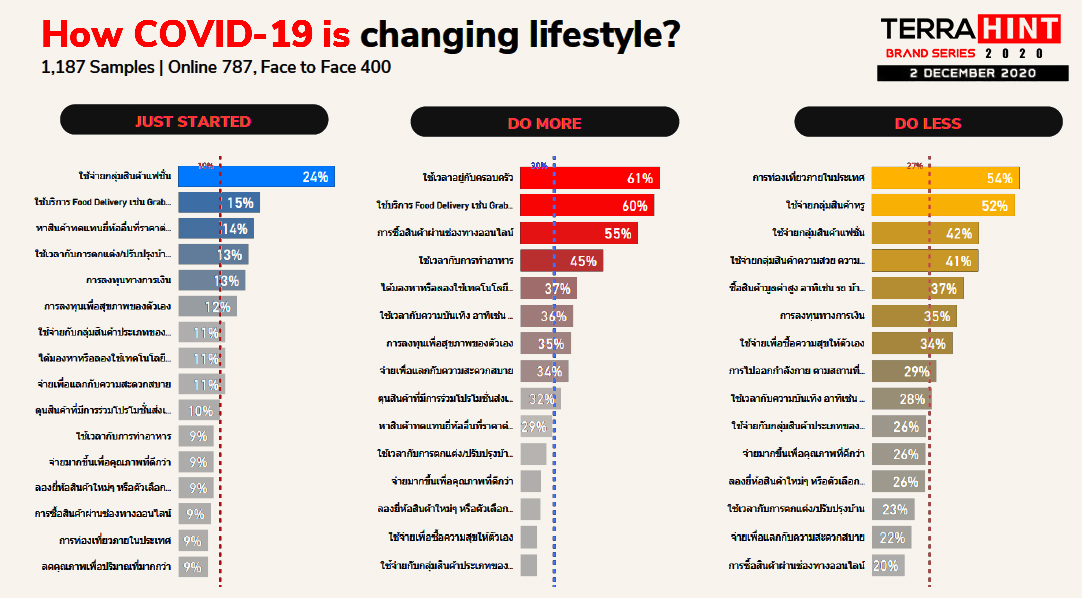
From analyzing these trends, several aspects align with consumer behavior surveys conducted at the end of 2020, which have already proven that ‘we have reached a turning point’<\/em><\/span>. This is evident from the Terra Hint Brand Series 2020 research: Leading the Brand through Crisis, which surveyed 1,187 Thai respondents on the topic of How COVID-19 is Changing Lifestyle? The results showed that people are spending more time with family by 61%, using food delivery services by 60%, shopping online by 55%, cooking more by 45%, and trying out technology more by 37% (compared to an average of 30%).
 <\/p>
<\/p>
This aligns with the research titled “COVID-19 is a pandemic that changes our life”<\/span><\/strong> by KANTAR Thailand, a global market research and consulting firm, which surveyed consumers in ASEAN countries such as Vietnam, the Philippines, Indonesia, and Thailand. The results were similar, summarizing that consumers in all four countries are increasingly likely to shop online, use delivery services, engage in online media and social media activities, be more health-conscious, and spend more time doing activities at home, whether working, exercising, or spending time with family, as well as discovering new hobbies to develop themselves.
 <\/p>
<\/p>
It can be said that consumer behavior is increasingly prioritizing home life and turning to technology in one way or another.
7 Steps to Success Towards Empower Living <\/strong><\/h2>
The rapidly changing global trends are pressuring businesses to adapt quickly, especially in the real estate sector, which is directly involved. As consumers crave more home life, they begin to expect the role of their homes to be more than just a residence. One brand that has successfully navigated this transition over the past 30 years is AP Thailand, a real estate company that has stood the test of time.
This is an example of a brand that, despite going through a situation filled with changes, has remained steadfast in its working principles and adaptability, allowing it to grow strong. AP believes that a “home” is not just a place to live but a space that empowers individuals to live according to their desired goals, regardless of how circumstances may change. Importantly, residences must be flexible to accommodate diverse and changing needs, allowing residents to find happiness in their surroundings and focus on what matters to them.
Because having a ‘good residence’ not only brings happiness to everyone in the home but also fulfills every goal of living. These concepts are what AP calls Empower Living.
The (not so) secret to the success of this innovative brand comes from accumulated experience and cultivated perspectives, crystallizing into seven long-held principles:
 <\/p>
<\/p>
1. Empathy Mindset <\/strong> - Viewing everything from the perspective of the residents by putting oneself in their shoes. This mindset allows the brand to access the deep needs of customers that may have never been discovered before, enabling it to comprehensively and quickly address the needs of residents and their families amidst fluctuating circumstances. Moreover, adhering to the Empathy Mindset helps prioritize through the lens of homeowners, ensuring that AP Thailand's products and services remain connected to customers at all times.
 <\/p>
<\/p>
2. Most Diverse Portfolio <\/strong> - Believing in diverse needs. AP delves into the deep desires of residents, which is why it does not merely produce products based on Living Trends but studies specific behaviors to provide solutions that meet the deepest needs, allowing homes to reflect individual identities.
 <\/p>
<\/p>
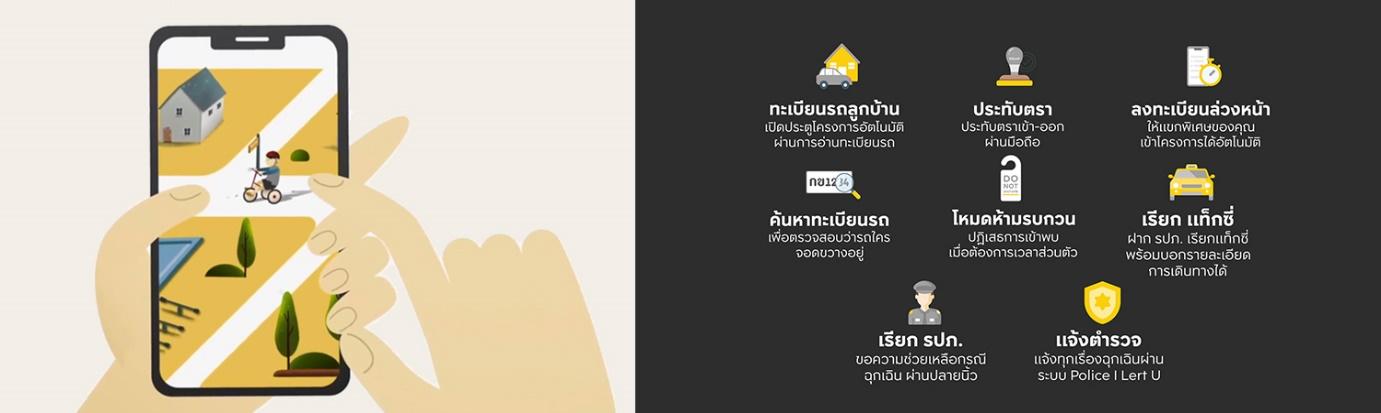
3. Innovation From You...For You <\/strong> - Not only focusing on residences, but AP Thailand also selects innovations developed by experts through the Design Thinking process. For example, the Katsan (curated) innovation ensures safety for residents and common areas, and the Smart World platform aims to create a quality community for residents, facilitating smooth communication between residents and management. Thus, it is not just about developing good homes, but ensuring that living in those homes is cared for in every dimension. This platform also fosters a sharing community, providing another avenue for residents to connect more, both in the real world and the digital world, allowing residents from different units or projects to share and exchange positive stories, leading to a happier living environment.
 <\/p>
<\/p>
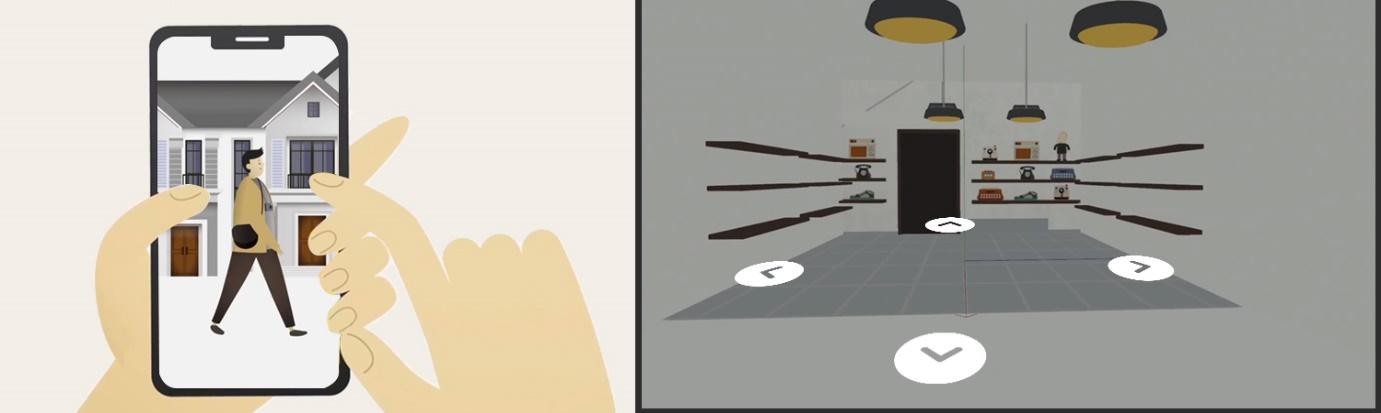
4. Continuity is the Key <\/strong> - The more fragile the situation and feelings of people are, the more industry leaders must stand firm to build confidence. AP adapts to current needs and constraints, such as developing the One Click New Home program to allow customers to view various projects 24/7 without having to visit the site.
 <\/p>
<\/p>
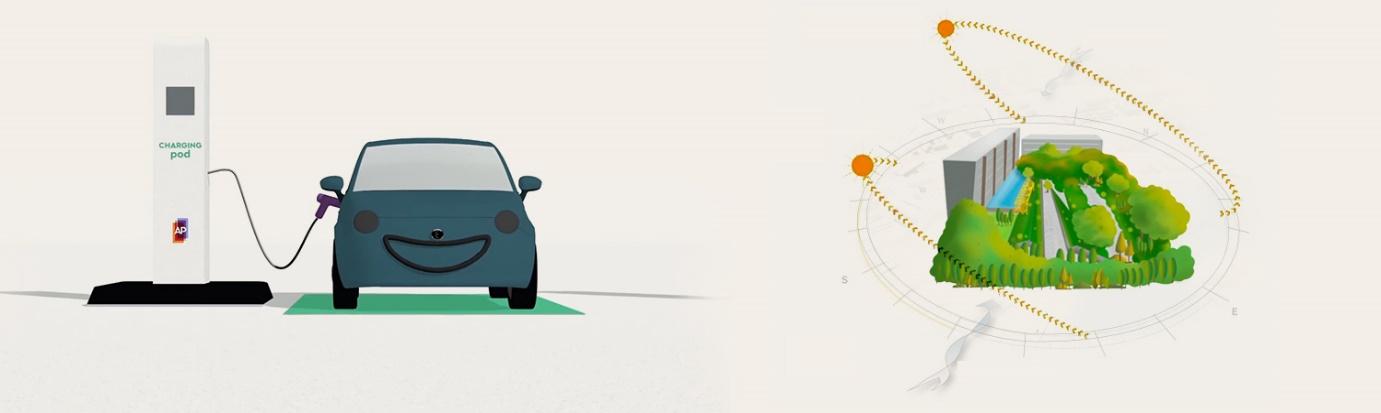
5. Little Things Make Big Difference <\/strong> - Even the smallest details are given utmost attention. Ensuring a smooth and happy day-to-day living experience is something AP has always prioritized. AP pays attention to even the smallest details in design, such as wind direction, sunlight, house layout, and safety measures, providing conveniences for residents with over 50 public electric vehicle charging stations across Thailand or installing Smart Pod lockers for 24/7 parcel collection, and Universal Design in both homes and common areas to accommodate family members of all ages.
 <\/p>
<\/p>
6. Community of the Future <\/strong> - Creating a Life-Long Relationship is what AP is committed to, responding to a society that values quality of life. By being part of creating a quality community that gathers people who believe in the power of collaboration to create a better world through activities from AP Society, which not only strengthens relationships among AP residents but also contributes to society.
 <\/p>
<\/p>
7. Empower Individual Minds <\/strong> - Not just focusing on residences, AP also aims to empower the “spirit” of all Thai people to discover meaning and fulfill life goals through activities like the Mind Symposium, which inspires from leading speakers, and the House of Purpose exhibition that allows residents to discover aspects of themselves they may have never known through interactive experiences. These activities show that AP does not limit itself to being just a real estate developer but aims to empower people's lives in ways no other brand has done before.
This is the goal of the AP brand over the past 30 years in creating “Empower Living”<\/span> to fulfill every goal of living, regardless of the circumstances.


<\/p>
What will happen next? <\/strong>?<\/strong><\/span><\/h2>
This is a question that many are guessing and worrying about, including businesses and industries that are trying to find ‘directions’<\/span><\/strong> and ‘channels’<\/span><\/strong> to keep their businesses moving forward. Various scholars are predicting the trends of changes that will occur after this to help everyone prepare. We have summarized them as follows:
<\/p>
1. Shift in Global Economic Power <\/span><\/strong>: The Institute for Future Innovation (IFI) under the National Innovation Agency (Public Organization) or NIA analyzes that after the COVID-19 situation, it has reinforced China's status as a superpower. China was the first country affected and has quickly recovered, showcasing its potential. The rapid recovery will provide an opportunity for China to re-emerge in trade at an accelerated rate, while former superpowers like the United States and Europe will lag behind as they are still in the process of healing.
<\/p>
2. Full Digital Transformation <\/span><\/strong>: As people try to avoid infection by maintaining distance, technology has become the solution. The trend of online shopping, various remote communication platforms, online learning, and other digital technologies has surged in popularity. The sudden shift in consumer behavior towards technology will accelerate businesses to transform dramatically. The use of technology in business will no longer be just a ‘choice’<\/strong><\/span> but has become a ‘necessity’<\/span><\/strong>.
<\/p>
3. Health Awareness <\/strong>and Public Health <\/strong>(Health Awareness)<\/strong>: People will become more accustomed to the new normal in maintaining hygiene in daily life. There will be increased attention to public health infrastructure due to the COVID-19 crisis. Citizens will push the government to create an equitable healthcare system, rather than leaving it to market mechanisms as before.
<\/p>
4. Environmental Awareness <\/strong>: Global climate change has widespread impacts, including on various industries that must adapt. For instance, the real estate industry is moving towards new design directions or urban planning to cope with climate variability.
<\/p>
5. Aging Society: Demographic Shift <\/span><\/strong>: According to a United Nations report, the global population is currently around 7.6 billion and is expected to increase to 8.6 billion by 2030. It is anticipated that the number of elderly people over 60 will double by that year, with Thailand expected to have 17 million elderly people by 2040. This will pose economic and social challenges that entrepreneurs must be aware of.
<\/p>
6. Accelerating Urbanization <\/strong>: This is in line with the increasing global population, a situation occurring worldwide, including in Thailand. This trend will create new business models that cater to urban behaviors and come with advancements in public utilities.
Research on the Ever-Changing Consumer Society <\/strong><\/h2>
From analyzing these trends, several aspects align with consumer behavior surveys conducted at the end of 2020, which have already proven that ‘we have reached a turning point’<\/em><\/span>. This is evident from the Terra Hint Brand Series 2020 research: Leading the Brand through Crisis, which surveyed 1,187 Thai respondents on the topic of How COVID-19 is Changing Lifestyle? The results showed that people are spending more time with family by 61%, using food delivery services by 60%, shopping online by 55%, cooking more by 45%, and trying out technology more by 37% (compared to an average of 30%).
<\/p>
This aligns with the research titled “COVID-19 is a pandemic that changes our life”<\/span><\/strong> by KANTAR Thailand, a global market research and consulting firm, which surveyed consumers in ASEAN countries such as Vietnam, the Philippines, Indonesia, and Thailand. The results were similar, summarizing that consumers in all four countries are increasingly likely to shop online, use delivery services, engage in online media and social media activities, be more health-conscious, and spend more time doing activities at home, whether working, exercising, or spending time with family, as well as discovering new hobbies to develop themselves.
<\/p>
It can be said that consumer behavior is increasingly prioritizing home life and turning to technology in one way or another.
7 Steps to Success Towards Empower Living <\/strong><\/h2>
The rapidly changing global trends are pressuring businesses to adapt quickly, especially in the real estate sector, which is directly involved. As consumers crave more home life, they begin to expect the role of their homes to be more than just a residence. One brand that has successfully navigated this transition over the past 30 years is AP Thailand, a real estate company that has stood the test of time.
This is an example of a brand that, despite going through a situation filled with changes, has remained steadfast in its working principles and adaptability, allowing it to grow strong. AP believes that a “home” is not just a place to live but a space that empowers individuals to live according to their desired goals, regardless of how circumstances may change. Importantly, residences must be flexible to accommodate diverse and changing needs, allowing residents to find happiness in their surroundings and focus on what matters to them.
Because having a ‘good residence’ not only brings happiness to everyone in the home but also fulfills every goal of living. These concepts are what AP calls Empower Living.
The (not so) secret to the success of this innovative brand comes from accumulated experience and cultivated perspectives, crystallizing into seven long-held principles:
<\/p>
1. Empathy Mindset <\/strong> - Viewing everything from the perspective of the residents by putting oneself in their shoes. This mindset allows the brand to access the deep needs of customers that may have never been discovered before, enabling it to comprehensively and quickly address the needs of residents and their families amidst fluctuating circumstances. Moreover, adhering to the Empathy Mindset helps prioritize through the lens of homeowners, ensuring that AP Thailand's products and services remain connected to customers at all times.
<\/p>
2. Most Diverse Portfolio <\/strong> - Believing in diverse needs. AP delves into the deep desires of residents, which is why it does not merely produce products based on Living Trends but studies specific behaviors to provide solutions that meet the deepest needs, allowing homes to reflect individual identities.
<\/p>
3. Innovation From You...For You <\/strong> - Not only focusing on residences, but AP Thailand also selects innovations developed by experts through the Design Thinking process. For example, the Katsan (curated) innovation ensures safety for residents and common areas, and the Smart World platform aims to create a quality community for residents, facilitating smooth communication between residents and management. Thus, it is not just about developing good homes, but ensuring that living in those homes is cared for in every dimension. This platform also fosters a sharing community, providing another avenue for residents to connect more, both in the real world and the digital world, allowing residents from different units or projects to share and exchange positive stories, leading to a happier living environment.
<\/p>
4. Continuity is the Key <\/strong> - The more fragile the situation and feelings of people are, the more industry leaders must stand firm to build confidence. AP adapts to current needs and constraints, such as developing the One Click New Home program to allow customers to view various projects 24/7 without having to visit the site.
<\/p>
5. Little Things Make Big Difference <\/strong> - Even the smallest details are given utmost attention. Ensuring a smooth and happy day-to-day living experience is something AP has always prioritized. AP pays attention to even the smallest details in design, such as wind direction, sunlight, house layout, and safety measures, providing conveniences for residents with over 50 public electric vehicle charging stations across Thailand or installing Smart Pod lockers for 24/7 parcel collection, and Universal Design in both homes and common areas to accommodate family members of all ages.
<\/p>
6. Community of the Future <\/strong> - Creating a Life-Long Relationship is what AP is committed to, responding to a society that values quality of life. By being part of creating a quality community that gathers people who believe in the power of collaboration to create a better world through activities from AP Society, which not only strengthens relationships among AP residents but also contributes to society.
<\/p>
7. Empower Individual Minds <\/strong> - Not just focusing on residences, AP also aims to empower the “spirit” of all Thai people to discover meaning and fulfill life goals through activities like the Mind Symposium, which inspires from leading speakers, and the House of Purpose exhibition that allows residents to discover aspects of themselves they may have never known through interactive experiences. These activities show that AP does not limit itself to being just a real estate developer but aims to empower people's lives in ways no other brand has done before.
This is the goal of the AP brand over the past 30 years in creating “Empower Living”<\/span> to fulfill every goal of living, regardless of the circumstances.
<\/p>
<\/p>
<\/p>
<\/p>
<\/p>
<\/p>
From analyzing these trends, several aspects align with consumer behavior surveys conducted at the end of 2020, which have already proven that ‘we have reached a turning point’<\/em><\/span>. This is evident from the Terra Hint Brand Series 2020 research: Leading the Brand through Crisis, which surveyed 1,187 Thai respondents on the topic of How COVID-19 is Changing Lifestyle? The results showed that people are spending more time with family by 61%, using food delivery services by 60%, shopping online by 55%, cooking more by 45%, and trying out technology more by 37% (compared to an average of 30%).
<\/p>
This aligns with the research titled “COVID-19 is a pandemic that changes our life”<\/span><\/strong> by KANTAR Thailand, a global market research and consulting firm, which surveyed consumers in ASEAN countries such as Vietnam, the Philippines, Indonesia, and Thailand. The results were similar, summarizing that consumers in all four countries are increasingly likely to shop online, use delivery services, engage in online media and social media activities, be more health-conscious, and spend more time doing activities at home, whether working, exercising, or spending time with family, as well as discovering new hobbies to develop themselves.
<\/p>
It can be said that consumer behavior is increasingly prioritizing home life and turning to technology in one way or another.
7 Steps to Success Towards Empower Living <\/strong><\/h2>
The rapidly changing global trends are pressuring businesses to adapt quickly, especially in the real estate sector, which is directly involved. As consumers crave more home life, they begin to expect the role of their homes to be more than just a residence. One brand that has successfully navigated this transition over the past 30 years is AP Thailand, a real estate company that has stood the test of time.
This is an example of a brand that, despite going through a situation filled with changes, has remained steadfast in its working principles and adaptability, allowing it to grow strong. AP believes that a “home” is not just a place to live but a space that empowers individuals to live according to their desired goals, regardless of how circumstances may change. Importantly, residences must be flexible to accommodate diverse and changing needs, allowing residents to find happiness in their surroundings and focus on what matters to them.
Because having a ‘good residence’ not only brings happiness to everyone in the home but also fulfills every goal of living. These concepts are what AP calls Empower Living.
The (not so) secret to the success of this innovative brand comes from accumulated experience and cultivated perspectives, crystallizing into seven long-held principles:
<\/p>
1. Empathy Mindset <\/strong> - Viewing everything from the perspective of the residents by putting oneself in their shoes. This mindset allows the brand to access the deep needs of customers that may have never been discovered before, enabling it to comprehensively and quickly address the needs of residents and their families amidst fluctuating circumstances. Moreover, adhering to the Empathy Mindset helps prioritize through the lens of homeowners, ensuring that AP Thailand's products and services remain connected to customers at all times.
<\/p>
2. Most Diverse Portfolio <\/strong> - Believing in diverse needs. AP delves into the deep desires of residents, which is why it does not merely produce products based on Living Trends but studies specific behaviors to provide solutions that meet the deepest needs, allowing homes to reflect individual identities.
<\/p>
3. Innovation From You...For You <\/strong> - Not only focusing on residences, but AP Thailand also selects innovations developed by experts through the Design Thinking process. For example, the Katsan (curated) innovation ensures safety for residents and common areas, and the Smart World platform aims to create a quality community for residents, facilitating smooth communication between residents and management. Thus, it is not just about developing good homes, but ensuring that living in those homes is cared for in every dimension. This platform also fosters a sharing community, providing another avenue for residents to connect more, both in the real world and the digital world, allowing residents from different units or projects to share and exchange positive stories, leading to a happier living environment.
<\/p>
4. Continuity is the Key <\/strong> - The more fragile the situation and feelings of people are, the more industry leaders must stand firm to build confidence. AP adapts to current needs and constraints, such as developing the One Click New Home program to allow customers to view various projects 24/7 without having to visit the site.
<\/p>
5. Little Things Make Big Difference <\/strong> - Even the smallest details are given utmost attention. Ensuring a smooth and happy day-to-day living experience is something AP has always prioritized. AP pays attention to even the smallest details in design, such as wind direction, sunlight, house layout, and safety measures, providing conveniences for residents with over 50 public electric vehicle charging stations across Thailand or installing Smart Pod lockers for 24/7 parcel collection, and Universal Design in both homes and common areas to accommodate family members of all ages.
<\/p>
6. Community of the Future <\/strong> - Creating a Life-Long Relationship is what AP is committed to, responding to a society that values quality of life. By being part of creating a quality community that gathers people who believe in the power of collaboration to create a better world through activities from AP Society, which not only strengthens relationships among AP residents but also contributes to society.
<\/p>
7. Empower Individual Minds <\/strong> - Not just focusing on residences, AP also aims to empower the “spirit” of all Thai people to discover meaning and fulfill life goals through activities like the Mind Symposium, which inspires from leading speakers, and the House of Purpose exhibition that allows residents to discover aspects of themselves they may have never known through interactive experiences. These activities show that AP does not limit itself to being just a real estate developer but aims to empower people's lives in ways no other brand has done before.
This is the goal of the AP brand over the past 30 years in creating “Empower Living”<\/span> to fulfill every goal of living, regardless of the circumstances.
<\/p>
<\/p>
<\/p>
<\/p>
<\/p>
<\/p>
<\/p>