Will Electric Vehicles Really Arrive?
In this era, it is undeniable that the automotive industry must transition from internal combustion engines to other systems. The system that is currently gaining momentum and shaking the global automotive industry is electric engines. Many leading car manufacturers have already discontinued their internal combustion engine production lines and shifted their factories to exclusively produce electric vehicles. For instance, Volkswagen has halted its internal combustion engine production line, which had been in operation for over 116 years in Zwickau, Germany, and invested over 1.2 billion euros to create a production line solely for electric vehicles. This is a strong indication of the growth trajectory for electric vehicles.
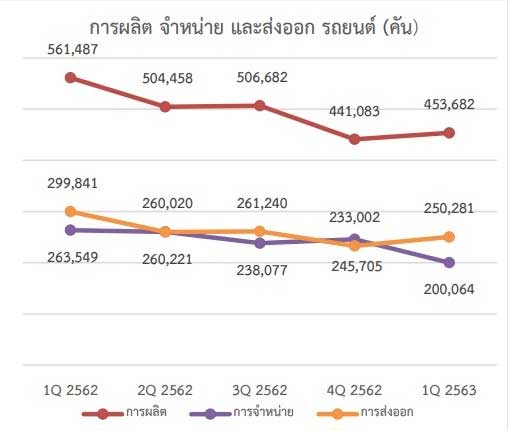
Looking at the automotive industry in Thailand, known as the Detroit of Asia, our country has a production capacity of over two million vehicles per year and exports more than one million vehicles abroad. However, these figures only reflect the production of internal combustion engine vehicles. The automotive industry in Thailand must adapt to the electric vehicle trend to maintain its status as a manufacturing hub. Currently, investments in industries related to electric vehicle production are being promoted by government policies, with the goal that by 2030, Thailand will be able to produce electric vehicles accounting for 30% of total production. The BOI has revealed that there are currently over 16 companies that have applied for investment promotion for 26 projects related to electric vehicle production and the construction of charging stations, which is a positive sign for the development and increased production capacity of electric vehicles in Thailand to meet the growing global demand for electric vehicles.
.jpg)
Currently, the use of electric vehicles in Thailand is becoming more visible with the increasing launch of electric vehicles, and their prices are gradually decreasing. However, a major obstacle to the widespread adoption of electric vehicles in Thailand is the lack of charging stations that are not adequately distributed across key areas. Even though car manufacturers provide charging stations with electric vehicles, this only benefits those who have parking spaces at home. Those who must park on the street cannot install charging stations along the sidewalks. Additionally, installing charging stations at home requires electrical system adjustments. Therefore, even though the production capacity of electric vehicles in Thailand is increasing, domestic usage still faces limitations due to the limited number of charging stations. Once Thailand has a sufficient number of charging stations covering distances throughout the country, we will undoubtedly see widespread use of electric vehicles in Thailand.