Retail Battlefield: Strategies to Attract Shoppers' Spending Power
The retail business is making a comeback as the government eases lockdown measures in phase 3. The major challenge for retailers is to quickly revive consumer spending. As a result, shopping malls and various retail businesses are employing diverse strategies and promotions to capture customer interest, all while adhering to social distancing measures that limit the number of customers in stores.
The Retail Association reports a 20-50% decline in business in Q2/63.
According to the Thai Retail Association, the retail and shopping center sectors have been severely impacted by the COVID-19 crisis. The lockdown has caused operators to face liquidity issues, with the retail index dropping by 3-7% in the first quarter and an estimated decline of 20-50% in the second quarter compared to the same period last year. Shopping centers, department stores, and retail shops in major tourist areas such as Phuket, Pattaya, and Chiang Mai, as well as fashion, leather, and cosmetics retailers, have been hit the hardest.
Despite the easing of restrictions, the retail sector expects to stabilize, but growth has not returned to pre-crisis levels. A decline of over 10% is still anticipated compared to Q3 of last year. It is estimated that it will take 8-24 months for retail businesses and shopping centers to recover to their previous state after the COVID-19 situation improves.
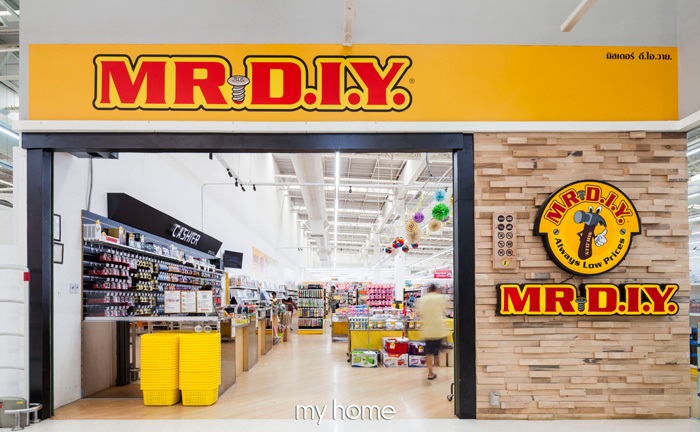
MR.D.I.Y. Expands with 70 New Stores to Capture Demand Post-Lockdown
Despite the impact of COVID-19, MR.D.I.Y. remains confident that consumer demand for products persists, as evidenced by a doubling of customers in stores compared to during the lockdown. Household items and stationery have seen increased popularity, similar to home decor, likely due to the work-from-home trend that has led consumers to spend more time at home and engage in activities like cooking and decorating.
Therefore, it is essential to closely monitor consumer behavior to adjust product lines accordingly to meet demand. The company plans to open an additional 70 stores this year and expand sales channels to e-commerce, selling products through its official website and major marketplace platforms like Lazada and Shopee, while also running promotional campaigns to achieve its revenue targets.
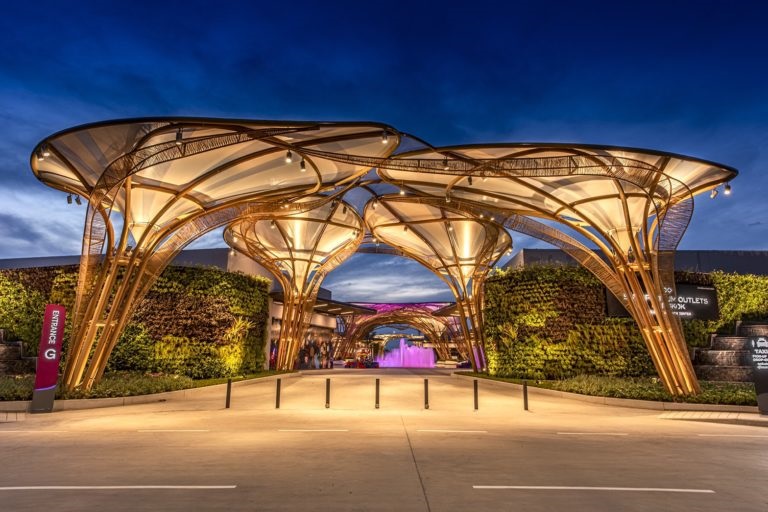
“Siam Premium Outlet” Launches Major Promotions with Discounts Up to 70% to Attract Shoppers
“Siam Premium Outlet Bangkok”, a joint venture between Siam Piwat Co., Ltd. and Simon Property Group, the world’s leading retail real estate developer from the United States, aims to create a world-class outlet featuring numerous luxury brands, located just 15 minutes from Suvarnabhumi Airport. Opening on June 19, 2020, it has launched a campaign to stimulate purchasing power with discounts of over 70%, along with additional special discounts of 10-15% to entice shoppers to indulge in branded goods.
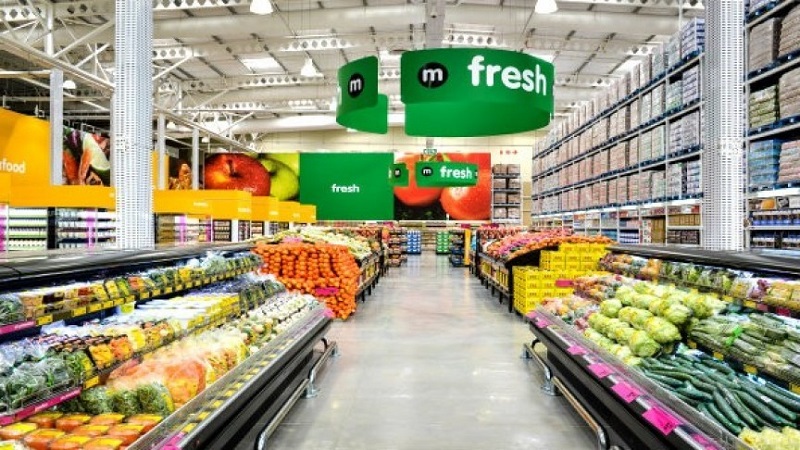
Makro Develops New Model “Fresh@makro”
The sluggish spending atmosphere has compelled operators to develop a new retail model as a market penetration tool. Makro, a wholesale center under the CP Group, has recently launched a new store model called “Fresh@makro”, focusing on premium fresh food products in the Ease Park community mall on Ram Inthra Road, Km 4.5.
This marks a diversification effort to create new opportunities for food products across various segments, enhancing competitive advantages and expanding the customer base by targeting consumers directly. Previously, the focus was on the “Makro Food Service” model, catering to restaurant operators, hotels, and catering businesses (HORECA). Additionally, there is “Siam Frozen”, a center for frozen food, and “Siam Food Service”, which imports and sells premium food for operators.
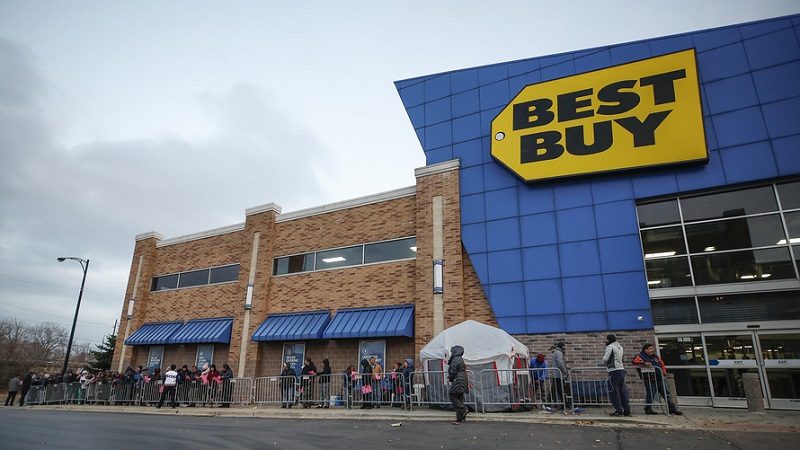
“Queue Booking” Reduces Crowding - A Strategy from Abroad
The retail sector in the U.S. has adapted by allowing customers to book appointments in advance, a strategy that has gained attention. Major mall operators like “Unibail-Rodamco-Westfield” (URW), which manages over 91 locations in 12 countries across North America and Europe, as well as large electronics retailers like “Best Buy”, with over 1,000 locations in the U.S., have adopted this method.
URW has added various functions to its app and website, including an appointment system for service access, allowing customers to check the number of shoppers at different times to plan their visits during less crowded periods. Additionally, they offer drive-thru services for picking up online purchases or food from the food court via food ordering apps like DoorDash and Uber Eats.
Similarly, “Best Buy” has implemented a policy to accept only customers with appointments at 700 locations during this easing of lockdown, enhancing service points by calling customers about their product interests beforehand. Upon arrival, customers receive one-on-one service from knowledgeable staff for 30 minutes per session, during which staff also clean contact points for safety.
For electronics retail, nearly all customers plan their purchases in advance, unlike consumer goods where impulse decisions play a significant role in driving sales, resulting in less variation in customer numbers in stores. Moreover, many electronic products, especially high-end ones, are complex and require installation, necessitating staff explanations.
The appeal of employing strategies to attract and access customers' wallets is a solution for the retail business to cope with the challenges that arise. Importantly, in addition to service techniques, staff must also be trained to handle customer dissatisfaction.