
“Food and Agricultural Products” Drive Thai Exports to Thrive Amid Covid-19 Crisis
During times of disaster or epidemic, the most sought-after products are processed and dried foods that have a long shelf life and can be consumed immediately. It is undeniable that the world is currently facing the outbreak of Covid-19. In many European countries, citizens have been ordered to stay at home, leading to an increased demand for food.
According to data, Thailand currently has over 50,000 food and beverage processing factories capable of producing enough to serve a population of over 100 million people per year. For instance, instant noodles have a production capacity of 10 million packets per day, which can be increased to 15 million packets per day. Canned fish can be produced at over 22,000 tons per month, and bottled water production exceeds 400 million liters per month.
Thailand is a producing country with its own raw materials for factories, unlike many countries that need to import goods. This situation presents Thailand with greater opportunities for food and agricultural product exports.

The Ministry of Commerce States “Food and Agricultural Products” Turn Crisis into Opportunity for Exports
Ms. Pimchanok Wongsriwong, Director of the Office of Trade Policy and Strategy (OTP) stated that during the Covid-19 outbreak, Thailand's export trends have increased in several markets, including the United States, Japan, and South Korea, particularly for agricultural and food products that remain in high demand and have growth potential in the global market. The OTP has analyzed the trends of continuously growing exports due to high demand during the period when people are required to stay at home, including:
Pet food has been continuously growing for six months, with key markets including the U.S., Japan, and Malaysia.
Food seasonings have been continuously growing for three months, especially in the U.S., Japan, and Australia.
Frozen and processed chicken have been continuously growing for eight months, with important markets including Japan, the UK, and China.
Similarly, agricultural products and agricultural industries have shown good growth, such as rubber and rubber products, which have been continuously growing for two and six months, respectively, particularly in the markets of China, the U.S., Turkey, and South Korea.
Meanwhile, industrial products with positive export growth trends include combustion engines and Tier 2 and 3 automotive components, rubber gloves, which have grown by over 180% in the past three months due to the Covid-19 outbreak, motorcycles and components, furniture and parts, which have been continuously growing for ten months, with the main market being the U.S. Computers and components have resumed continuous growth for three months, while switch panels and electrical control panels have been growing for six months. Additionally, air conditioners and components have been consistently popular with foreign markets, indicating that the impact of the trade war has diminished and signaling a positive recovery for Thailand's industrial exports.
The situation of the virus outbreak in China beginning to ease may lead to a resurgence in Thai exports by the end of the second quarter. Key products expected to see increased exports include food items such as rice, vegetables, fruits, cassava, rubber, frozen and processed chicken, frozen and processed seafood, beverages, and food seasonings. Chinese consumers still have significant purchasing power, and with the Chinese economy expected to be in a recovery phase, demand for products is anticipated to rise. Meanwhile, the outbreak situation in Europe has intensified, particularly in Italy, Spain, and the UK. However, in the short term, it has been observed that imports and the transportation sector can still operate normally, and food and medical supplies are expected to be in high demand in Europe in the near future.
Therefore, it is recommended that food product operators enhance the value of their products through processing or ready-to-eat preparations, which will help penetrate the market more easily during the period when people are required to stay at home, leveraging the advantage of Thai food products' reputation for safety and international certification standards.
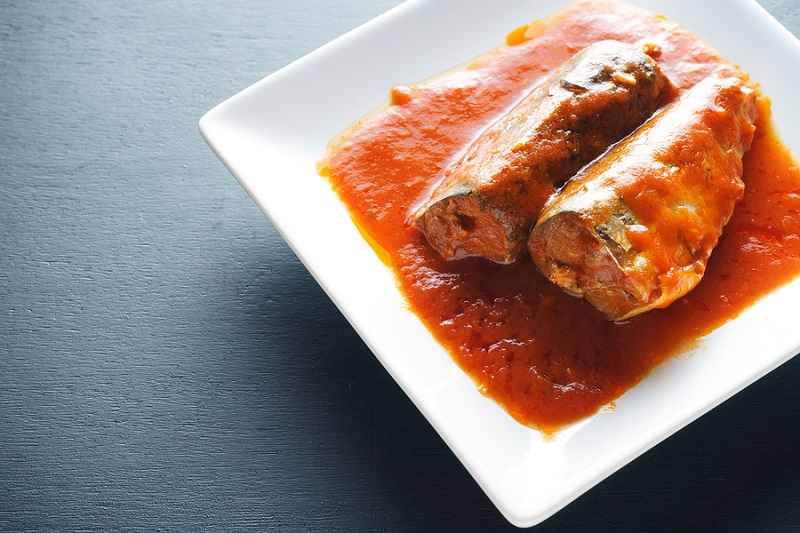
“Italy” Stocking Up on Canned Fish
In line with operators, Thai Union Group Public Company Limited (TU) stated that the global spread of Covid-19 has led people to stock up on food for home consumption, particularly in Italy and the U.S. This has resulted in increased sales for TU, which produces and exports canned fish products under the Mariblu brand to the European Union market. However, it is believed that the Covid-19 virus will not significantly impact the food industry, as the food business remains essential. Currently, the export market is divided into North America (41%), Europe (28%), Thailand (12%), and other markets, including the Middle East, Australia, Africa, and South America, accounting for 19%.
Rice Sales Booming
Mr. Somboon Chalermwutthinan, President of Asia Golden Rice Co., Ltd., stated that the demand for rice in various markets has significantly increased, especially in Hong Kong, where it is expected to rise by as much as 15% due to people being confined to their homes and unable to shop easily, with restaurants and eateries nearly shut down, leading to a need to stock up on rice. Normally, Thai rice is exported to China primarily through Shenzhen and Guangzhou, and exports are still possible. However, the extent of future rice import demand will need further assessment, as Thailand is currently facing drought issues that have reduced production.
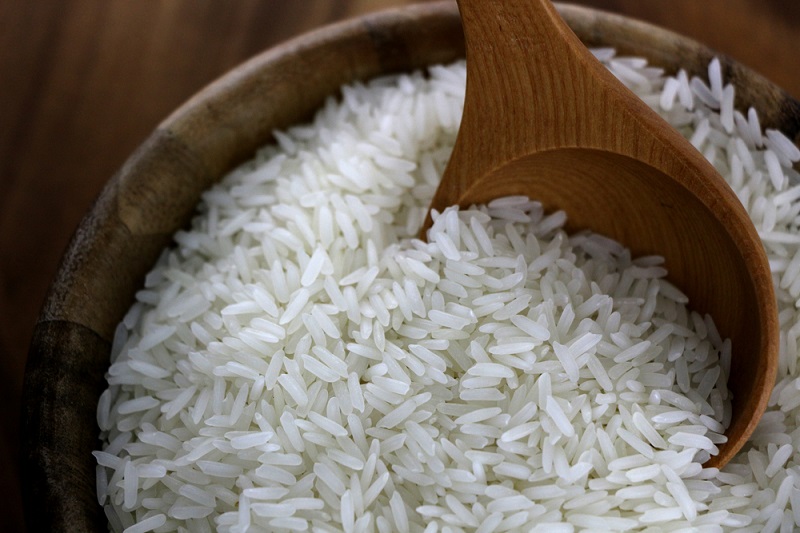
In the U.S., Thai Rice Prices Increase by 15-20%
The Office of International Trade Promotion in Los Angeles, USA, reported that the Covid-19 outbreak in the U.S. has intensified, leading to increased consumer stockpiling of goods such as canned foods, rice, bottled water, tissues, cleaning supplies, and hand sanitizers. This has resulted in Thai rice prices sold to retailers increasing by 15-20%, and stocks are beginning to run low. It is expected that rice export figures in the second quarter will improve if transportation issues do not arise. However, caution is advised, as excessively high prices may lead buyers to turn to competitors instead. It is estimated that rice exports to the U.S. will grow by 3%.
Source: Ministry of Commerce