Export 101: Essential Knowledge for Exporting Goods
For sellers and business owners, everyone wants to export their products to the global market, expanding their customer base across different countries to generate profits and sustainable business growth. Today, Terrabkk presents an overview of Incoterms for you to study.
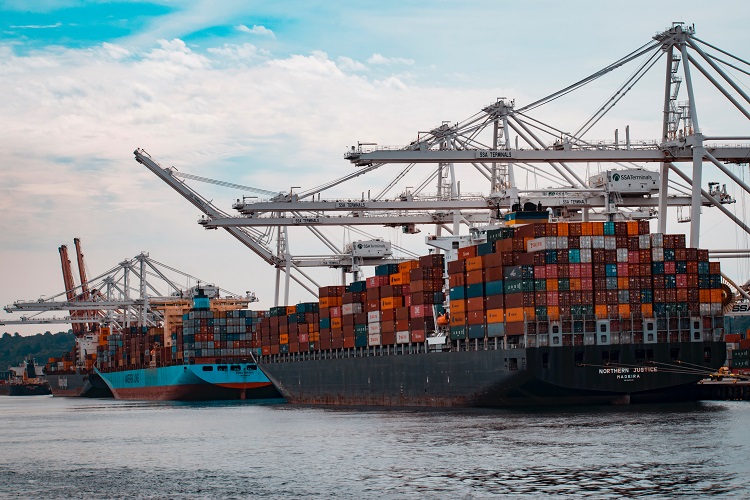
Incoterms (International Commercial Terms) are the terms of delivery for goods or conditions of delivery, established as a standard for trade definitions used in sales contracts between buyers and sellers globally. They are managed and protected by the International Chamber of Commerce (ICC), adhering to the principles of United Nations trade, to ensure that both buyers and sellers understand their responsibilities, costs, and risks involved. This helps both parties from different cultural backgrounds to have a mutual understanding. The latest version, Incoterms 2020, has been published.
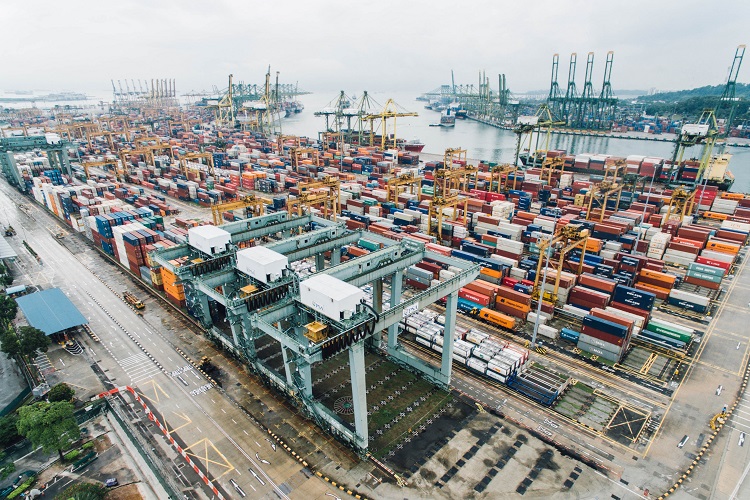
Incoterms 2020 consists of 11 terms as follows:
1. EXW (Ex Works) This delivery condition ends the seller's responsibility when the seller makes the goods available for the buyer to collect at the specified location without loading the goods onto the vehicle. The buyer is responsible for all costs related to the goods from the time they are delivered. The buyer assumes the risk of loss or damage upon receipt of the goods.
*The buyer is responsible for export/import customs clearance (the seller provides assistance with documentation and information for export).
2. FCA (Free Carrier) This delivery condition ends the seller's responsibility when the seller delivers the goods to the carrier at the buyer's location. The seller is responsible for export customs clearance and the buyer is responsible for the costs of transporting the goods. The risk during transport from the seller's location to the carrier's location is borne by the seller, while costs and risks from the carrier's location to the destination are borne by the buyer.
*The seller is responsible for export customs clearance; the buyer is responsible for import customs clearance (the seller provides assistance with documentation and information for customs clearance).
3. FAS (Free Alongside Ship) This delivery condition ends the seller's responsibility when the seller delivers the goods alongside the ship at the specified port of departure. Costs for loading the goods onto the ship, transportation costs, and risks during loading and transport are the buyer's responsibility as soon as the goods are delivered alongside the ship, and the buyer must handle export customs clearance.
*The seller is responsible for export customs clearance; the buyer is responsible for import customs clearance.
4. FOB (Free on Board) This delivery condition ends the seller's responsibility when the seller delivers the goods on board the vessel at the specified port of departure. The seller is responsible for export customs clearance, while transportation costs and other expenses, including risks during transport, are the buyer's responsibility as soon as the goods pass the ship's rail.
*The seller is responsible for export customs clearance; the buyer is responsible for import customs clearance.
5. CPT (Carriage Paid To) This delivery condition ends the seller's responsibility when the seller delivers the goods to the carrier specified by the buyer at the port of departure. The seller is responsible for export customs clearance and freight costs, while other costs and risks during transport are the buyer's responsibility as soon as the goods are delivered to the carrier at the port of departure.
*The seller is responsible for export customs clearance; the buyer is responsible for import customs clearance.
6. CIP (Carriage and Insurance Paid To) This delivery condition ends the seller's responsibility when the seller delivers the goods to the carrier specified by the buyer at the place of departure. The seller is responsible for export customs clearance, paying freight costs, and insuring the goods during transport until they reach the buyer.
*The seller is responsible for export customs clearance; the buyer is responsible for import customs clearance.
7. CFR (Cost and Freight) This delivery condition ends the seller's responsibility when the seller delivers the goods on board the vessel. The seller is responsible for export customs clearance and freight costs, while other costs and risks during transport are the buyer's responsibility as soon as the goods pass the ship's rail.
*The seller is responsible for export customs clearance; the buyer is responsible for import customs clearance.
8. CIF (Cost Insurance and Freight) This delivery condition ends the seller's responsibility when the seller delivers the goods on board the vessel. The seller is responsible for export customs clearance, paying freight and insurance costs to protect against risks during transport until the goods reach the buyer.
*The seller is responsible for export customs clearance; the buyer is responsible for import customs clearance.
9. DAP (Delivered at Place) This delivery condition ends the seller's responsibility when the seller delivers the goods on a transport vehicle ready for unloading at the specified destination. The seller pays all costs related to the goods until the specified delivery location under the transport contract, and the buyer assumes all risks of the goods upon receipt.
*The seller is responsible for export customs clearance and transit; the buyer is responsible for import customs clearance.
10. DPU (Delivered at Place Unload) Derived from DAP (Delivered at Place), this delivery condition ends the seller's responsibility when the seller unloads the goods from the arriving transport vehicle and delivers them for the buyer to collect at the specified destination. The seller assumes all risks in transporting and unloading the goods at the specified destination and pays all costs related to the goods until delivery.
*The seller is responsible for export customs clearance and transit; the buyer is responsible for import customs clearance.
11. DDP (Delivered Duty Paid) This delivery condition ends the seller's responsibility when the seller delivers the goods to the destination specified by the buyer. The seller is responsible for all obligations from export customs clearance, freight costs, insurance against various risks, and import duties; under this condition, the buyer does not bear any costs.
*The seller is responsible for export/import customs clearance.

SOURCE: kn-portal.com
Incoterms 2020 has undergone significant changes from Incoterms 2010, including:
1. DAT (Delivered at Terminal) from Incoterms 2010 has been replaced by DAP from Incoterms 2020 and the term DAT from Incoterms 2010 has been changed and renamed to DPU in Incoterms 2020 because previously, sellers and buyers preferred to deliver and receive goods at various locations rather than just at the terminal, allowing for more flexibility.
2. In sales contracts, the FCA term requires the seller to load goods onto or off the vehicle provided by the buyer. In cases where the goods are not loaded directly onto the main vessel, they must be loaded onto a truck or a feeder vessel before being transferred to the main vessel. In cases of payment by L/C, where the bank requires the B/L to be presented for payment, issues arise as shipping lines will not issue the B/L until the goods loaded on the truck or feeder vessel are loaded onto the main vessel.
To address this issue, Incoterms 2020 allows contracting parties to agree in the sales contract that the buyer, who provides the vessel, must ensure that the shipping line issues the B/L and related documents to the seller in such cases.
3. The coverage of insurance at a higher level in CIF and CIP terms is the seller's responsibility to insure the goods during transport until delivery to the buyer. Under Incoterms 2010, the insurance contract may cover only part of the transport, but under Incoterms 2020, the seller must purchase insurance that provides broader coverage than before.