7 Global Trends to Connect Brands with Consumers in the Digital Age
As digital technology transforms lifestyles and consumer behaviors, brands must keep pace with this new business landscape by tracking multifaceted changes. This is essential for brands to maintain connections and secure a place in consumers' hearts. Ipsos Thailand, a leading global research company, has "decoded" the trends of digital-age consumers through a survey of over 20,000 participants from 33 countries, helping brands understand the increasingly complex needs of modern consumers.

Ms. Usana Jantaklam, Managing Director of Ipsos Thailand states that technology has made the world smaller, meaning events in one region can have global repercussions, such as trade wars or disease outbreaks. However, regardless of how the world changes, every individual still holds personal attitudes and beliefs that influence their decisions and lifestyles, including their purchasing choices.
"Currently, beliefs significantly impact customer decisions and also affect people's daily lives and changes. In the context of rapid change, consumers have adapted in three distinct ways: those who embrace new technologies, those who are concerned about change and wish to maintain their old lifestyles while fearing obsolescence, and finally, those who resist change and remain loyal to traditional products and services."
Ipsos' research categorizes consumers based on these major trends into 7 behaviors driving the market in the next decade, which pose challenges for manufacturers, brand owners, and entrepreneurs to understand and adapt to customer sentiments while leveraging their brand strengths to connect with these interests.
Unleash - The Trend of Seeking Comfort and Escaping from Distress
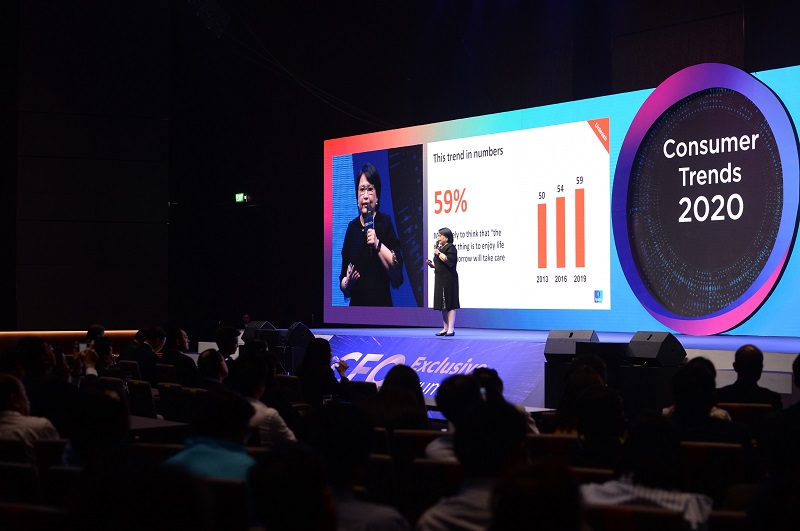
This consumer group represents a new generation that has grown up with a high sense of personal space, holding attitudes, beliefs, and thoughts that prioritize individuality. Most of them have few responsibilities, leading them to choose to "escape from reality." This consumer segment has seen a market growth of 10% from 2013 to 2019.
"They prefer simplicity, allowing them to live happily in their own world without being troubled by others. They use social media to showcase their happiness, often without knowing if it is genuine."
Brands that adapt to meet the needs of this group by eliminating "difficulties" and providing "convenience" include Japanese convenience food stores like "itsu" in the UK, which transitioned to online grocery sales and ready-to-eat meals, or online banking services that enable transactions without visiting a bank.
Unfiltered - The Trend of Seeking Equality in Society
This trend serves as a warning from Ipsos to brands that have become overly confident in their market leadership. If they continue to produce the same products while overlooking smaller groups, they risk losing market share to new products or services. Therefore, brands should consider the "identity" of smaller groups and treat all demographics equally without discrimination.
"Designing products that cater to smaller customer segments opens opportunities to tap into new markets. For example, fashion lingerie brand Victoria's Secret has featured transgender models in their campaigns, or brands that have launched postpartum clothing lines that challenge outdated beauty standards. Alibaba's 11.11 Singles' Day promotion emphasizes equality, valuing everyone, which has led to increased sales."
Commitment - The Trend of Consumers Having a "Stand" in Choosing What is Right
Many consumers today have a clear "stand" in making value-driven choices. For instance, consumers are increasingly vocal against brands that harm the environment, leading to over 80% of brands prioritizing environmental concerns and declaring clear stances, recognizing it as a collective responsibility.
"Having a stand provides businesses with opportunities to market more effectively to customers, such as fast-food restaurants in Europe that have launched new lines catering to health-conscious consumers or vegetarian restaurants."
Ground - The Trend of Returning to Simplicity
This trend represents another extreme that has emerged alongside technological advancements driving capitalism, leading to social inequalities and divisions based on access to technology, class, and financial status. Some consumers are thus "weary" and "longing for" the simplicity of the past or a "return to basics."
"Film cameras or Polaroid cameras are making a comeback as people grow tired of a screen-dominated society, seeking nostalgia and simplicity. Brands that have adapted include Cadbury chocolate, which launched the 'Donate Your Words' campaign encouraging customers to write letters to the elderly, helping people step away from screens to engage in face-to-face conversations. Therefore, brands that create opportunities for interpersonal interactions can effectively meet the needs of this market segment."
Decode - The Trend of Transparency to Win Customer Trust
In an era where technology can distort reality, consumers seek brands that are transparent, sincere, and ethical. As the governance executive of clothing brand H&M stated, customers want to understand the business processes to ensure that the products and services they choose are not only good but also ethically sourced.
Consumers often distrust what is presented through media and prefer to see both the front and back end. Therefore, providing transparent information to demonstrate sincerity benefits the brand's image.
Legacy - The Trend of Customers Trusting in Legends
As online media influences consumer beliefs, the number of followers can indicate a brand's credibility and appeal. Many brands must create engaging spaces to attract followers, thereby boosting confidence in what they offer. However, the brands themselves must be strong, sincere, and maintain their principles.
"A good brand must be transparent, sincere, courageous, strong, and serve as a good example for customers to instill trust in what the brand presents."
Experience is King - The Trend of Experience Reigning Supreme
Ipsos also states that whether established brands or new entrants in the market, all must evolve beyond their past successes. Customer demands are ever-changing, and providing new experiences that impress customers is crucial for brand recall and appreciation.
"Brands must be innovative and willing to step outside the traditional marketing principles previously presented, as nothing is easy anymore. For example, the PlayStation gaming console evolved from a popular button-mashing game 20 years ago to 3D gaming glasses, or a perfume brand that advertised in London subway stations with scents wafting through. IKEA developed an app that simulates how furniture looks in real spaces at home. All of these are innovations aimed at creating experiences to delight customers."
All 7 consumer behaviors will rapidly emerge in the Asia region and Thailand. Therefore, brands must quickly adapt to these trends to reach consumers and survive in the market.
Source: Ipsos Thailand