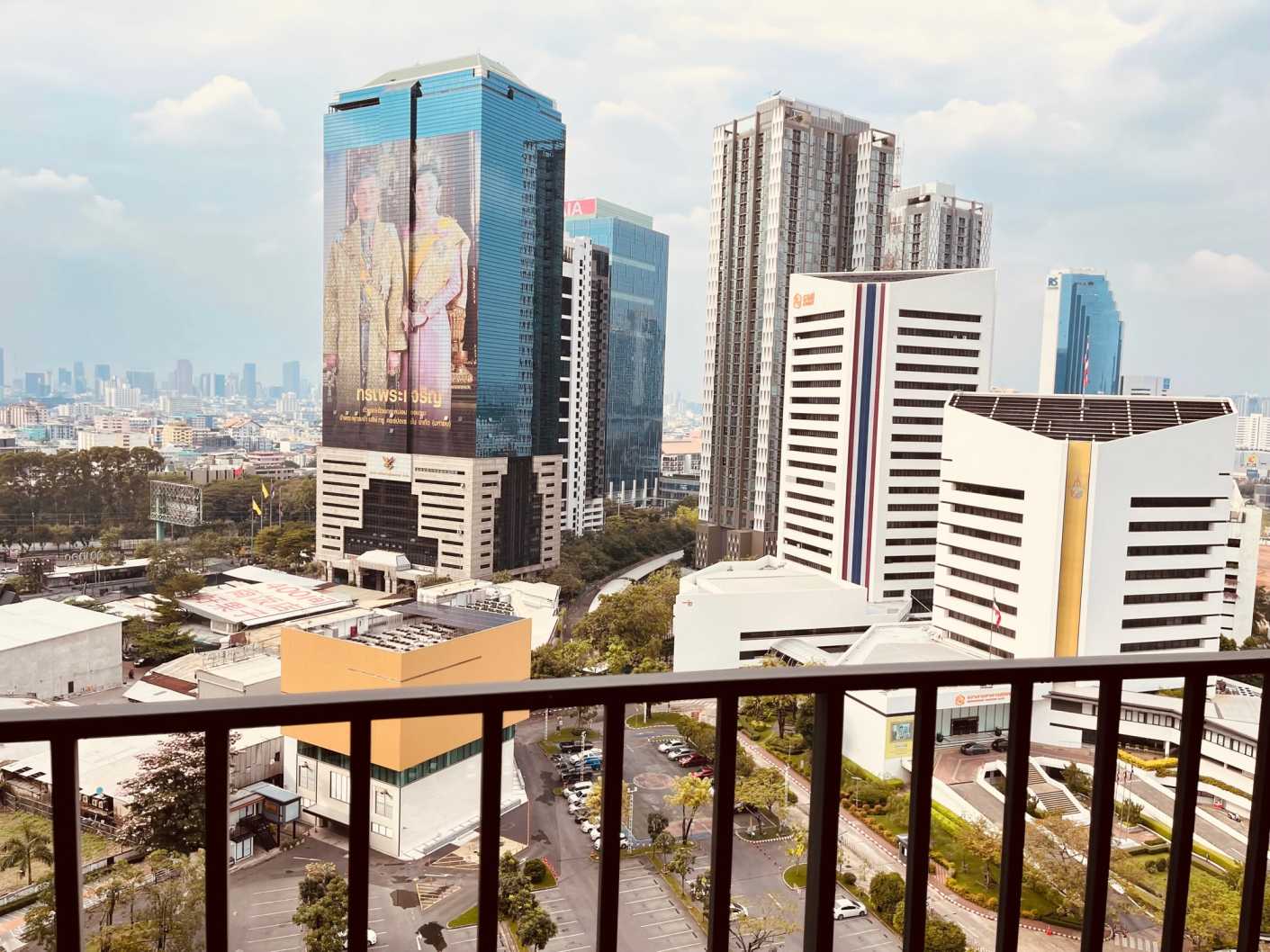
The State's Failure: A Fragmented Society Amidst Environmental Turmoil
Dust and PM 2.5 levels have not dissipated, and the coronavirus outbreak from China has escalated into a crisis in Thailand. This is not to mention the impending issues of haze from northern forest fires and the worst drought in 20 years, which will impact ecosystems, food security, poverty, and health issues in succession. This is just the beginning of a wave of environmental problems; a few issues alone can overwhelm the government, leading to a state failure that surpasses any political crisis, highlighting a society that is severely unprepared to confront and manage these challenges collectively.
Environmental issues differ from other problems in that they cannot be attributed to a single perpetrator. They exist within the structures of the economy, politics, and society. Once impacts occur, it is difficult to limit the areas affected. They can burden the public, even those not directly involved. The worst part is that if the balance of natural ecosystems is disrupted, recovery becomes challenging, regardless of the resources invested.
The case of PM 2.5 dust is an example of a complex environmental issue. The sources and impacts of this dust are not merely from vehicle emissions or the burning of sugarcane and industrial dust; rather, it is an interaction of multiple factors from both local areas and neighboring countries. It arises from urban planning structures, transportation systems that affect air quality, and fluctuating weather conditions exacerbated by global warming.
Addressing such complexities requires the highest level of will, readiness, and cooperation from both the state and Thai society. However, the centralized Thai government, which acts as a promoter for national and multinational capital groups, has long failed in its capacity to address these issues and continues to block public participation in policy-making and collaborative management processes.
Let us examine the mindset and management methods of the state that undermine its capacity to address problems and the legitimate power of the state, and how this affects society's stance on these environmental issues.
First Example: Villagers along the Mekong River in eight provinces from Chiang Rai to Ubon Ratchathani have faced hardships due to the fluctuating and drying Mekong River since 2009. Various fish species that were a source of food security have disappeared, and agricultural areas along the banks have had to cease operations. All of this results from dams on the Mekong River and its tributaries in China and Laos. The loss of livelihoods has led to the collapse of community economies based on resources and created various social problems. Despite the Mekong being an international river where each country has rights to manage it together, the Thai government has chosen not to engage with the countries causing these issues or to address Thai state and private entities involved in dam construction in Laos, even though Thailand is a buyer of electricity. The government only addresses some symptoms, such as digging ponds, supporting fish species, and promoting occupations, without considering restoring the Mekong or holding accountable the Thai state and private entities that cross borders to create problems for the Mekong basin. Consequently, citizens through community networks and civil society along the Mekong must advocate to the governments of China and Laos and Thai interest groups on their own, seeking ways to jointly restore the Mekong as best as they can. The state has chosen to relax regulations for energy interest groups, leaving the Mekong and its riverside communities far from the economic and industrial centers behind.
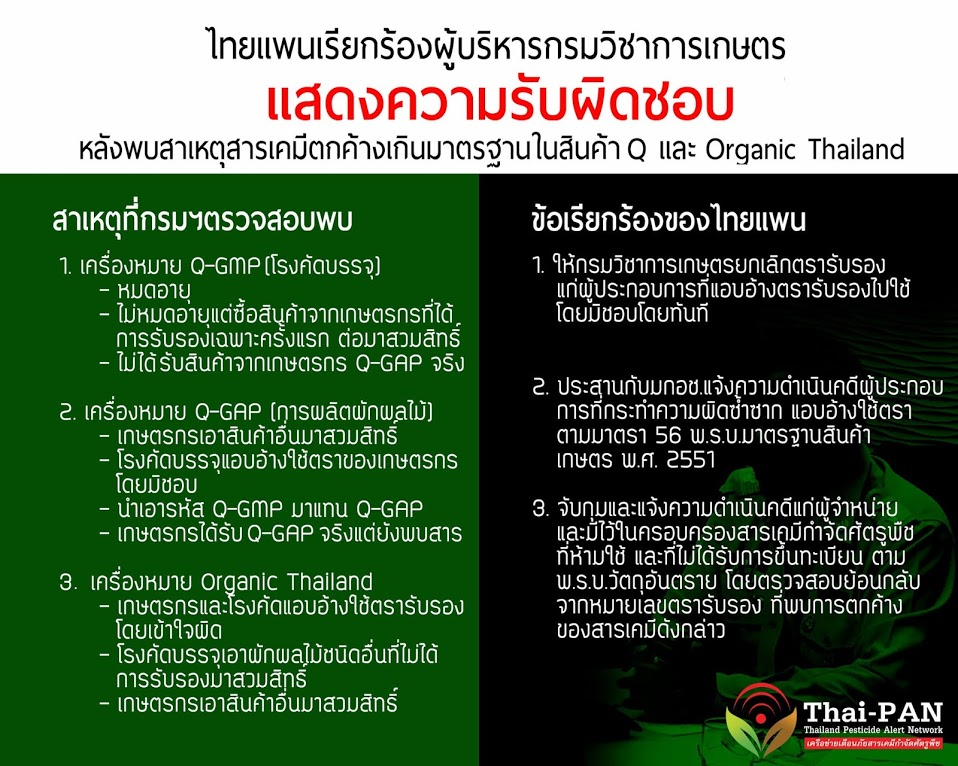
The case of banning harmful pesticides is similar. When society becomes aware of the severe impacts of pesticides on health, ecosystems, and the economy, such as paraquat, glyphosate, and chlorpyrifos, the state shows no intention to address the issue. It neither studies the impacts nor cancels the use of globally proven harmful chemicals, nor does it promote farmers to transition to chemical-free production. It allows a poorly governed hazardous substances committee to manage the issue. The result is predictable: the committee does not ban all harmful chemicals immediately, allowing the matter to drag on while waiting for a day to reverse the decision to continue using these chemicals, sacrificing the health of the entire nation for the interests of the chemical business that holds farmers hostage.
This alone indicates that the state has failed to care for the health of its citizens and find sustainable production alternatives for farmers. Thus, it is the duty of civil society, such as the Thai-PAN network, to become a principal social institution in monitoring issues, impacts, and proposing solutions at both policy and management levels.
Meanwhile, the awareness of the impact of plastic waste on marine ecosystems is evident. Thailand is among the top countries for dumping waste into the sea. The state has launched campaigns urging Thai people to reduce, stop, and eliminate plastic waste, leading to significant societal awareness. However, the state’s policy of importing excessive waste from abroad is contradictory. The state’s waste management indicates that it chooses to address the problem through campaigns to change behavior but avoids structural changes that would affect the interests of larger capital groups. This direction confuses the public; even though people have adjusted their behavior regarding plastic waste, pollution continues to fill the country because the state chooses not to address structural issues.
The problems caused by industrial factories are similar. Villagers in the eastern and central regions, whether by the sea or in agricultural areas, have long faced severe industrial pollution. The PM 2.5 dust that people in Bangkok experience has long affected residents in Chonburi, Rayong, Samut Sakhon, and Samut Prakan due to industrial factories embedded in communities. Many factories use lignite coal, which heavily pollutes the air. Yet, the government, which should protect citizens' rights to a better environment, has deregulated through the 2019 Industrial Factory Act, allowing small factories to bypass environmental impact assessments. This has led citizens to feel that they do not have a government that protects their rights to live in a good environment, leaving them to face problems alone.
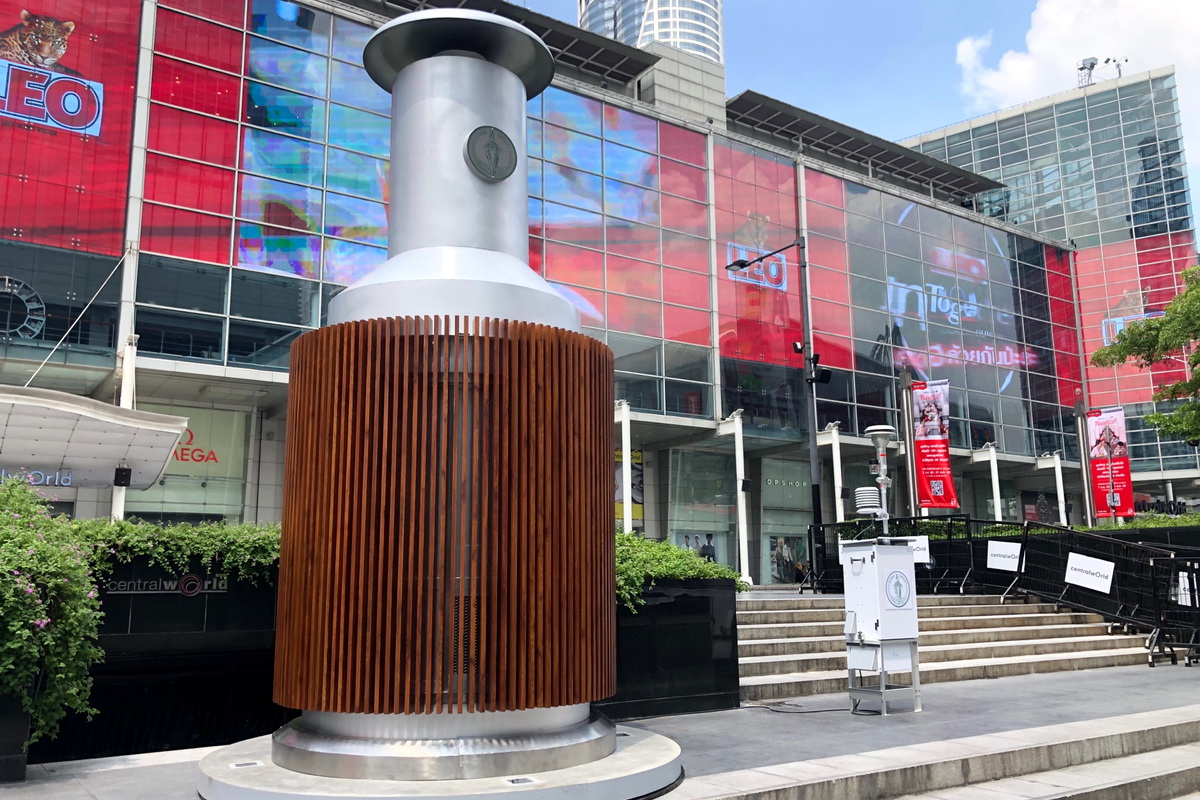
Now, regarding the PM 2.5 dust issue occurring at this time, the state chooses to alleviate minor causes, such as installing air purifiers and announcing school closures, but does not dare to use state power to intervene in large economic activities that are the main culprits of the dust problem. It can only manage small players, such as announcing a ban on farmers burning forests or agricultural areas as one source of dust, but does not dare to announce a complete ban on sugarcane businesses that buy or promote the burning of sugarcane fields. It does not dare to announce a halt to the use of coal by various industries or control the number of vehicles in urban areas, even though they are also sources of dust like agricultural burning.
The issue of the coronavirus outbreak seems similar. The state does not dare to block Chinese tourists from entering or control the tourism business that relies entirely on Chinese tours for fear of harming the tourism industry. With just this, the public has lost hope in the state.
A failing state leads to severe public outcry, reflecting the despair of having a quality life in a good environment, revealing economic, social, and political inequalities that are starkly exposed through environmental problems.
What causes the state to lack the power to manage environmental issues and the strength to negotiate with various interests to protect citizens' rights, while being governed by the interests of capital? The core problem lies in the mindset and structure of the Thai bureaucratic system itself.
The Thai bureaucratic state shows no interest in opening spaces, mechanisms for discussion, learning, and jointly managing environmental issues and other problems equally with the public. This is evident as citizens currently criticize the PM 2.5 dust issue and propose various solutions on social media, yet the state does not consider opening a consultation forum with the public to gather opinions and proposals for serious system improvements, merely affirming that the government continues to do the same ineffective things.
The lack of a consultation process with the public results in the state lacking the wisdom to manage problems and the social power from citizens to drive change. A state mechanism without social oversight is easily dominated by capital and interests. Examples of managing issues such as the Mekong River, harmful pesticides, industry, PM 2.5 dust, and others reflect the lack of power of the people to oversee the state. The state has almost no power to negotiate with the forces of capital that dominate environmental and development policies.
Besides listening to opinions, the state should do more, such as supporting citizens to come together to learn, design, develop alternatives, and experiment with managing problems, driving joint development at the community, local, provincial, or regional levels. This includes managing public resources, designing urban planning, jointly managing public spaces, transportation systems, food systems, public education, and others to address environmental and health issues they face, with the state supporting through policies, laws, resources, academic input, and facilitating various collaborations.
However, the state has never allowed citizens to manage their public lives together. Communities in conservation areas managing community forests, who work hard to prevent smoke from fires, have never received serious support from the state as they are viewed as illegal. Groups of farmers and consumers promoting safe food have never received sufficient support from the state to manage their areas seriously and are not protected from chemical businesses. Communities working together to protect and restore various waterways do not have state power to help them negotiate with power plants, ports, industrial estates, etc., as all are projects pushed by the state, such as the Eastern Economic Corridor (EEC), where citizens suffering from resource and environmental problems have no space to manage themselves and negotiate with the state and capital. If citizens attempt to peacefully resist by managing natural resources and protecting the environment themselves, they may face legal action from the state, as seen with villagers arrested under policies to reclaim forest land or villagers sued for opposing power plants and industries.
How can democracy emerge without processes for citizens to consult, discuss, and seek mutually acceptable alternatives? Creating social operational spaces, designing development pathways, and experimenting with problem management, the monopolized development structure by the Thai bureaucratic state not only destroys the state's capacity to manage problems but also blocks citizens from building social capital to learn to manage their own issues.
Thus, we are left with a mechanism of power that is a state in name only, unable to protect citizens' rights to a good environment, and a society fragmented by long-standing obstruction, leaving no social capital to rise up and manage environmental and development issues by themselves, only a state that is indifferent and a society that laments. This state-society dynamic is unprepared to face environmental and other complex issues.