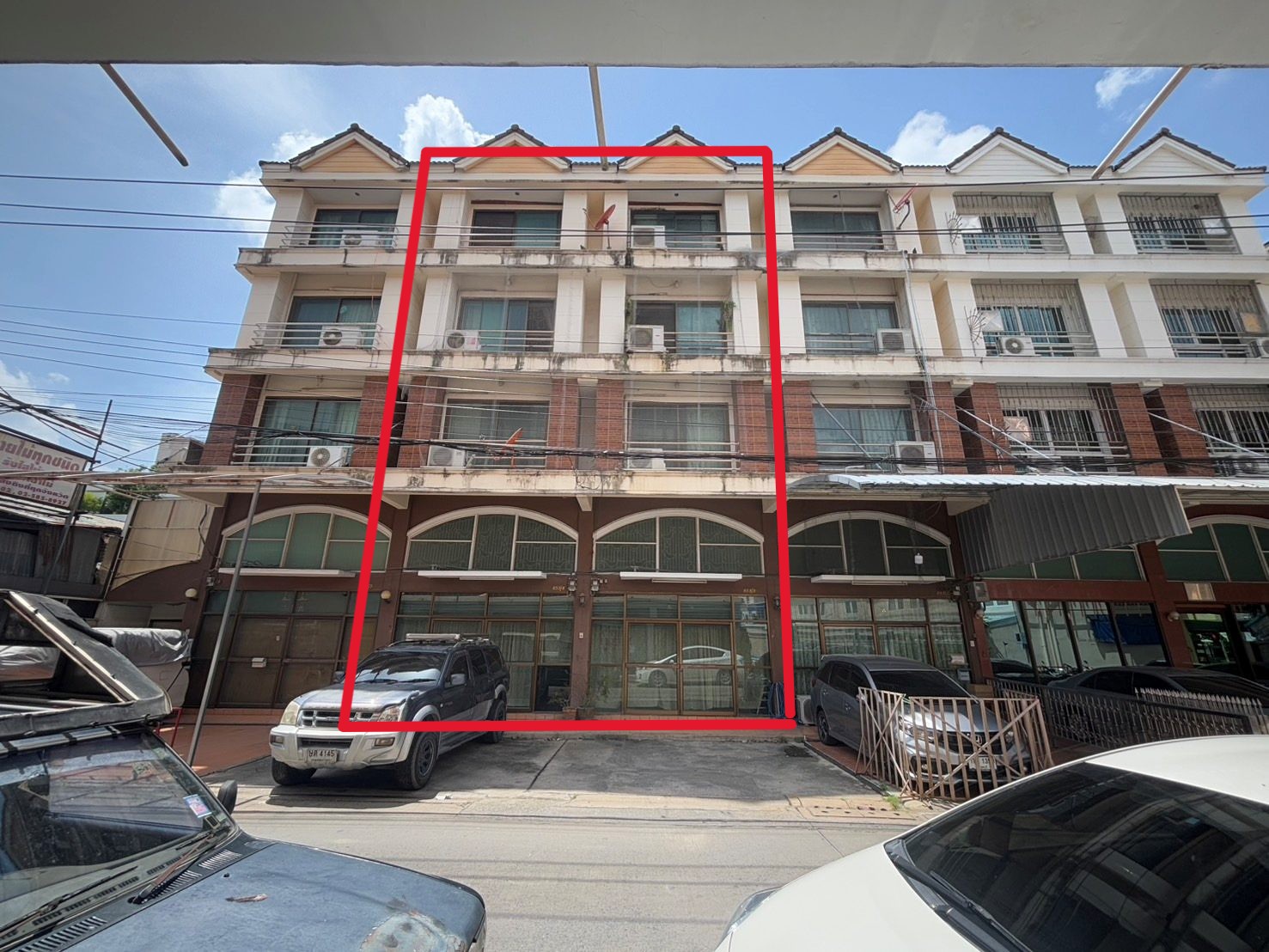
Check Before You Consider "Borrowing" to Buy a Second-Hand House
As people reach a stage in their careers where things start to stabilize, many begin to seek security in life by owning assets, particularly a second-hand house. This depends on individual financial capacity and life necessities, as there is no one-size-fits-all formula.
However, for those who have a clear goal of wanting to buy a new house directly from a project, the checklist for preparation may not be as complicated as for those deciding to buy a second-hand house. This is because, in addition to needing to conduct a thorough financial health check, there are many details to pay attention to.
Nevertheless, even though purchasing a second-hand house may be more complicated, there's no need to worry. Just keep this 5-point checklist in mind, and securing a loan to buy a second-hand house will no longer be a difficult task.
1. Prepare Your Finances For those who still envision a new house or a new car, it’s essential to start by saving for a down payment. It's important to clarify that when it comes to second-hand houses, there is no option for down payment installments. Therefore, loan applicants must save a substantial amount of money for the down payment before applying for a second-hand house loan. Additionally, those considering buying a second-hand house for its advantages beyond just the building's structure and location should also prepare funds for potential additional costs. Generally, banks will lend no more than 80% of the appraised value or sale price (whichever is lower), meaning buyers need to have around 20% of the sale price ready to pay the seller on the day of the transfer. This differs from buying a new house from a project, where payments can be made gradually before the actual loan application.
Furthermore, there are costs incurred at the land office, which both the buyer and seller must bear, such as a 2% transfer fee (split equally between both parties or as agreed), a 0.5% stamp duty, or a 3.3% specific business tax (which should be the seller's responsibility), and withholding tax according to the Revenue Department's regulations (also the seller's responsibility). The mortgage registration fee is 1% of the mortgaged value (which should be the buyer's responsibility), among others. To avoid headaches or disputes later, it's advisable to agree on these matters when drafting the purchase agreement.
2. Are You Ready to Dive In? When buying a new house through a project, buyers can feel relieved about the loan application paperwork because project staff assist with documents, contracts, and liaising with bank officials. However, when it comes to buying a second-hand house, once you find a house you like, you must take the initiative to contact the seller to negotiate the price and draft a purchase agreement. This agreement should clearly state the agreed sale price, details of the deposit payment, and a timeline for the remaining payment. If the buyer fails to pay the remaining amount within the specified time, the seller has the right to retain the deposit.
Additionally, there may be agreements on various expenses included in the purchase agreement to prevent future issues. Once the purchase agreement is finalized, the buyer must take the agreement along with a copy of the land title deed obtained from the seller to use as documentation for the loan application.
3. Are You Prepared to Apply for a Loan with the Bank? Applying for a second-hand house loan involves a more complex process and takes longer than applying for a new house loan. In addition to the buyer needing to prepare identification documents and financial documents showing the source of income, such as pay slips and bank statements, they must also submit the purchase agreement and a copy of the land title deed from the seller to the bank for property appraisal. Once the loan for the second-hand house is approved, the buyer, seller, and bank must schedule a transfer date at the land office. On the appointed day, the land office staff will facilitate the transfer of the house from the seller to the buyer, and the buyer will then mortgage the house to the bank as collateral for the loan. The seller will receive the full payment for the house on that day, so the transfer and mortgage must be completed on the same day. However, if the buyer or seller cannot attend in person, they can authorize someone else to act on their behalf.
4. Do You Have Enough Funds for Repairs? For those who acquire a second-hand house in good condition and ready to move in without needing significant repairs, consider yourself lucky. However, if purchasing a house as-is, the loan applicant must budget for repairs or renovations, as banks typically do not provide additional funds for repairs on second-hand houses, unlike new house loans where banks often offer additional funds for renovations.
5. Are You Being Too Impatient? The final checklist item is for anyone who has read this far and still doesn’t feel they have found their true second-hand house. Take a moment to reflect on how necessary it is in your life to buy a second-hand house right now. It might be worth waiting for the right moment to purchase by monitoring the real estate market conditions, price trends, and various promotions, which could lead to a more budget-friendly price. Importantly, before making a decision, don’t forget to compare loan options for buying a house, as different financial institutions may offer varying proposals, such as maximum loan amounts, loan durations, interest rates, additional costs, and after-sales services like payment channels, to maximize benefits for the loan applicant.
TerraBKK can help you get closer to the bank. Our service is free and available starting today. Click >>> www.terrabkk.com/refinance