Don't Let Emotions Control Your Eating
“Who knows us better than ourselves?” Have you ever asked yourself whether the food you eat today is because you are hungry or just craving it? No matter where you go, you encounter beautiful and trendy restaurants with appetizing dishes everywhere. There’s nothing wrong with indulging occasionally, but if you do it frequently and get used to it, it’s hard to imagine how much weight you might gain or what health issues could arise in the next 3-5 years. If we don’t start managing our cravings today, what will our bodies look like in the future?
In the past, the Health Promotion Foundation (ThaiHealth) has utilized the core knowledge of the 3 A's: Food, Exercise, and Emotions, to help people of all ages in Thailand eat nutritious food, increase physical activity, and use their emotions to overcome challenges for better health. The latest activity is an extension of the campaign to reduce belly fat and disease in the mission “Challenge Yourself to Change,” where experts in various fields guide participants on nutrition, exercise, and learning to manage their emotions appropriately for good health.
According to Professor Sanga Damapong, a senior advisor at ThaiHealth and a nutrition consultant at the Department of Health, Ministry of Public Health, one of the expert coaches in nutrition, besides eating correctly and exercising sufficiently, “Emotions” are also a great fuel that drives us to stay motivated to exercise, reduce cravings for snacks outside of main meals, and are crucial in building good health. Just try changing your perspective: for example, “It’s raining today, I don’t feel like exercising, but I can work out at home instead” or “I know I’m full after eating, it’s not about wanting to eat everything I see.” Decisions are often based on emotions. If everyone is determined to lose weight and change their behavior, they must also learn how to manage their emotions. It requires intention, commitment, seriousness, and patience to transform oneself. Importantly, when feeling stressed, find ways to relax; don’t resort to eating, as this will only make it easier to gain belly fat.
Professor Sanga further explains that many people seek help to lose weight while overlooking small things, such as encouragement from themselves and those around them, including parents or children. These are positive energies that can help reduce laziness and excuses for not wanting to exercise. Another perspective is that maintaining good health means not becoming a burden to our children as we age; we need to be strong to care for them and not let the remaining days of our lives be wasted. Being honest with ourselves helps clarify our goals because achieving good health should not be forced or pressured. Do what you can handle, starting from walking to brisk walking, then to running. This alone can increase our physical activity.

Let’s check briefly why we might be gaining weight...
1. A tendency to consume foods high in carbohydrates, fats, sugars, and sweets.
2. Genetics; if parents are overweight, children are likely to be overweight too.
3. Hormonal imbalances caused by endocrine disorders leading to abnormal hormone secretion.
4. Abnormalities in the hypothalamus of the brain that disrupt eating control.
5. Certain medications that increase appetite.
6. Stress that leads to frequent cravings for sweets or snacks.
If you exhibit these behaviors, you are at a higher risk of obesity. Therefore, here are some helpful tips:
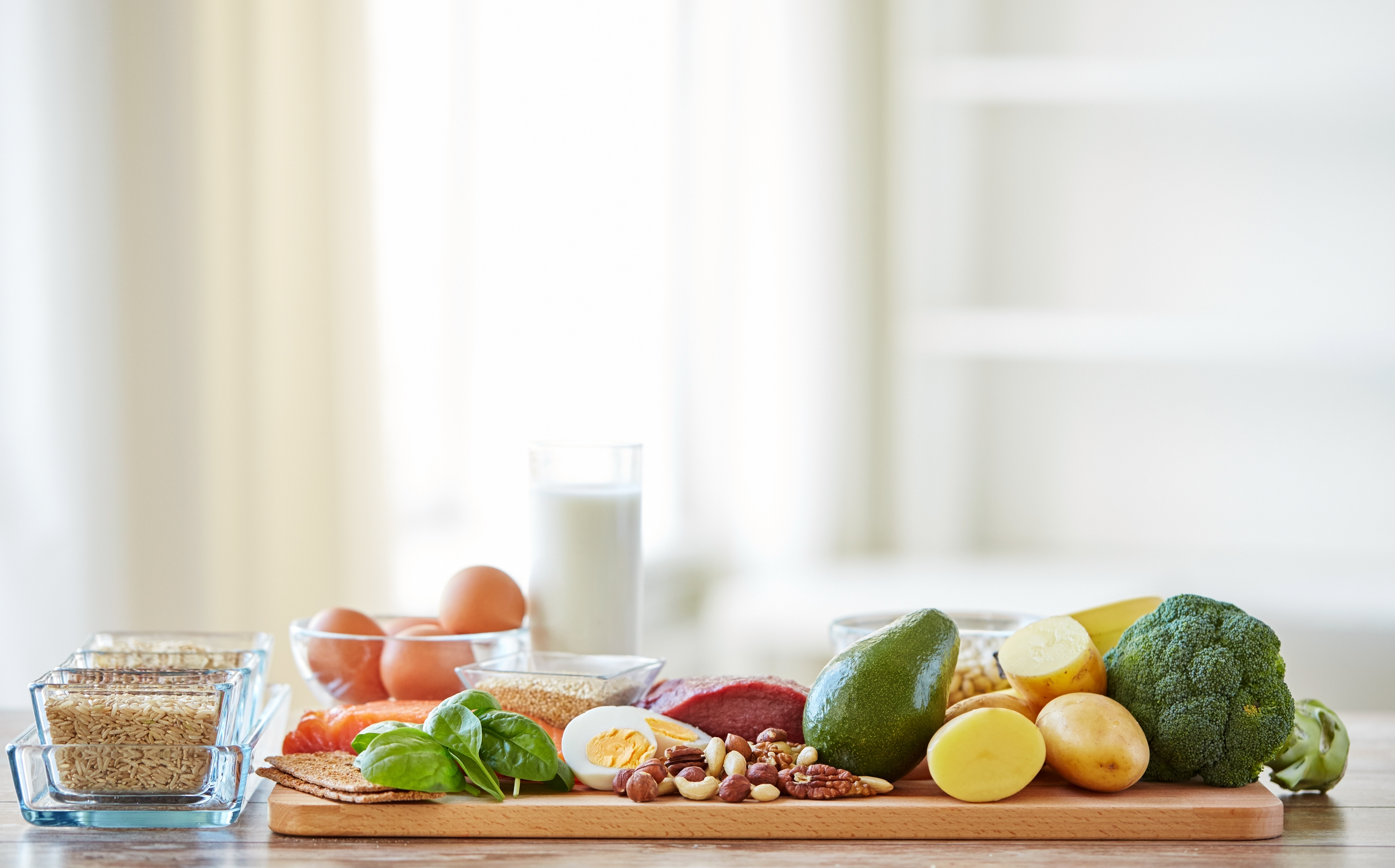
1. Reduce junk food such as soda, snacks, fried foods, and fast food, as they are low in nutritional value but high in calories. Instead, consume more vegetables, grains, and fruits.
2. Eat balanced meals regularly, especially breakfast, which is crucial for providing energy and nutrients for daily activities and helps reduce snacking on high sodium, fat, and sugar foods.
3. Avoid eating while engaging in other activities such as watching TV, talking on the phone, or reading, as this can lead to overeating without realizing it.
4. Chew food slowly, at least 10 times per bite, because eating quickly can lead to consuming more.
5. Avoid sweets and sugary drinks at night, as the body will not metabolize them, leading to excess fat.
6. Regularly consume vegetables and fruits to provide fiber for digestion, increase vitamins, minerals, and essential nutrients, and reduce the risk of heart disease.
7. Choose natural foods and avoid processed foods such as white rice, refined grains, and legumes.
8. Drink fresh vegetable and fruit juices and avoid alcoholic beverages.
9. Make a habit of drinking water and milk; aim for at least 8 glasses of water daily to keep your body cells hydrated.

Achieving good health is not difficult; it just requires knowledge and understanding of proper behavior. If we know the right methods, we can build discipline for ourselves. Don’t let emotions dictate your actions; instead, turn your emotions into a challenge to improve your health.
Thank you for the information from www.thaihealth.or.th