Processed Foods: The Villain Destroying Kidneys
75% of deaths among Thais are due to chronic non-communicable diseases, with 22.05 million people suffering from diseases related to high salt consumption. Thais consume salt at twice the level recommended by the World Health Organization (WHO), which is about 4,352 milligrams per day, while we should not exceed 2,000 milligrams per day.
How much do we lose to diseases caused by high salt intake? The economic loss is significant, with an estimated annual cost of 98,976 million baht due to medical expenses from cardiovascular diseases and end-stage kidney failure.
10,000,000 people are diagnosed with hypertension in Thailand, which affects other organs in the body, especially the kidneys, leading to “chronic kidney failure” requiring dialysis three times a week, costing about 200,000 baht per year. Including medication, the total can reach 400,000 baht per year.
We cannot leave the medical team to handle patients suffering from high salt intake alone. Therefore, prevention and educating the public are crucial. The “Reduce Salt, Reduce Disease” campaign, supported by the Health Promotion Foundation (ThaiHealth), aims to raise awareness about the dangers of sodium consumption and encourage people to return to a safer level of salt intake.
Sodium-rich seasonings
These include ‘salt, fish sauce, soy sauce, seasoning sauce, shrimp paste, and oyster sauce’, all of which contain sodium. Moreover, Thai people often add extra saltiness to their food, such as adding fish sauce to rice or noodles, which explains why their daily salt consumption exceeds WHO standards by up to twice.
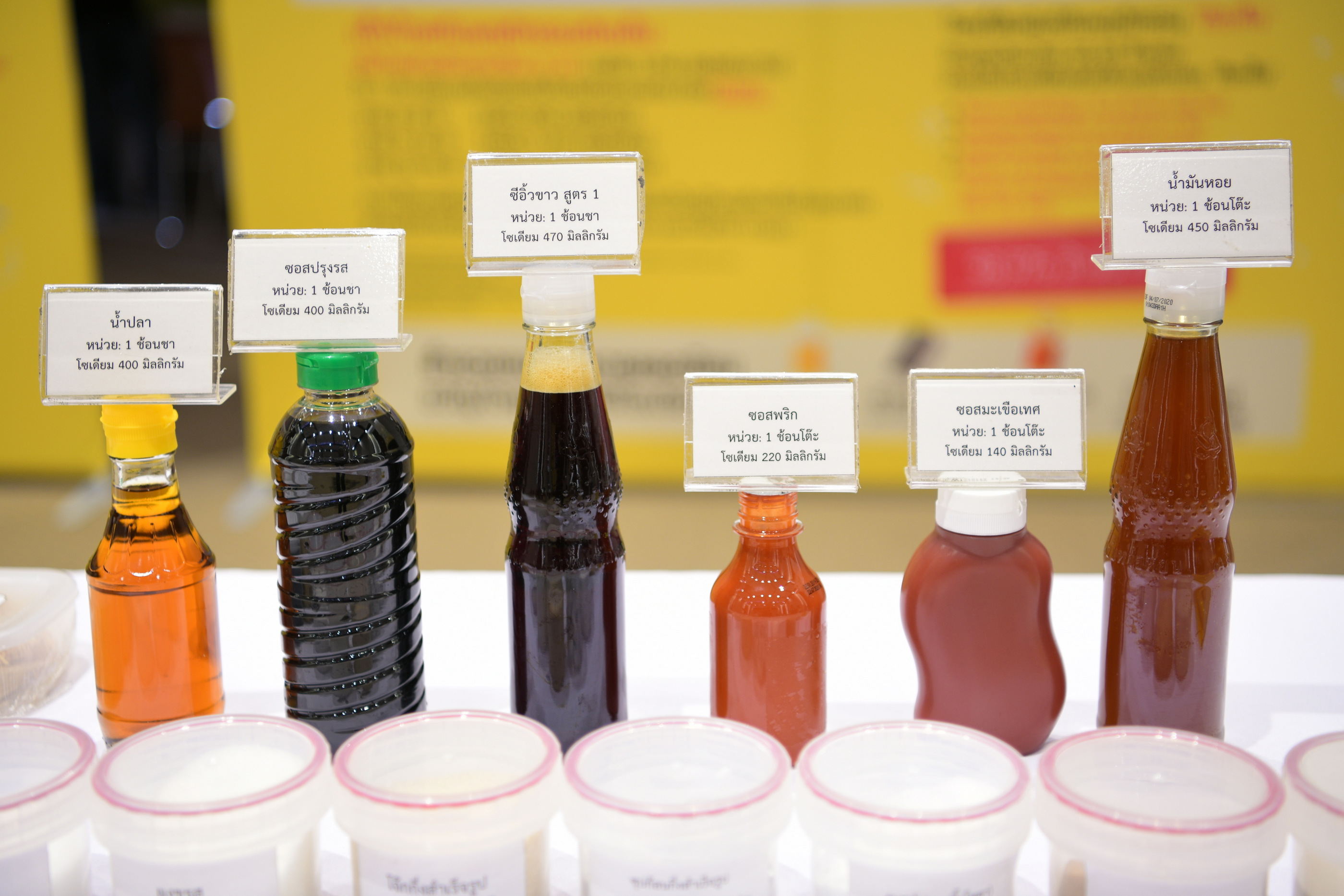
Sodium content in seasonings
1 teaspoon of salt = 2,000 milligrams
1 tablespoon of fish sauce = 1,160-1,420 milligrams
1 tablespoon of soy sauce = 690-1,420 milligrams
1 tablespoon of seasoning sauce = 1,150 milligrams
1 tablespoon of shrimp paste = 1,430-1,490 milligrams
1 tablespoon of oyster sauce = 420-490 milligrams
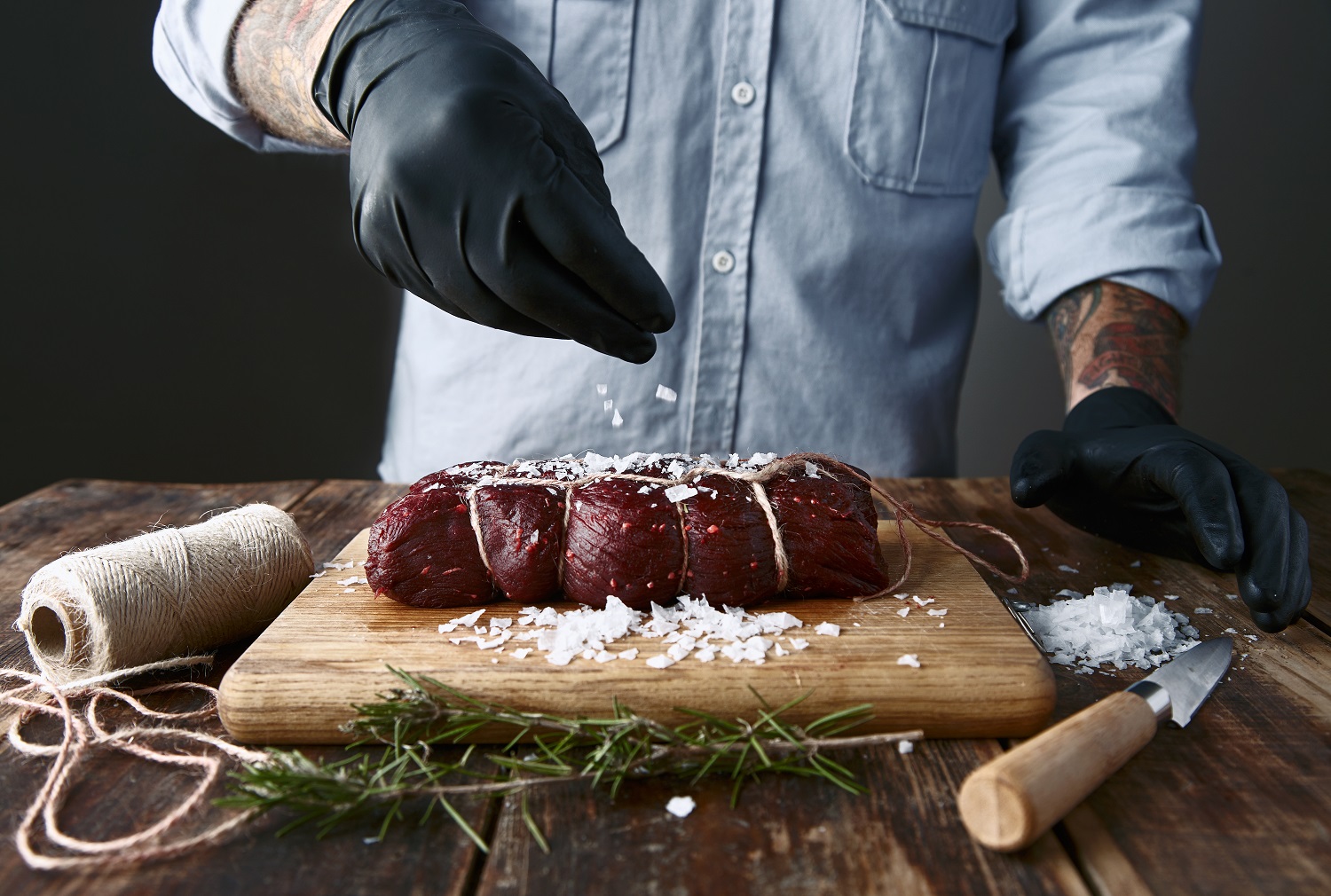
In addition to seasonings, popular Thai foods that are very high in sodium include ‘processed foods’ Let’s take a look at the sodium content in various processed foods:
- Bread, 1 slice = 120-140 milligrams
- Donut, 1 piece = 180 milligrams
- Steamed bun, 1 piece = 200 milligrams
- Cake, 1 piece = 400 milligrams
- Grilled fermented sausage, 1 stick = 480 milligrams
- Pork meatballs, 15 grams = 320 milligrams
- Pork bologna, 15 grams = 410 milligrams
- Pork slices, 30 grams = 862 milligrams
- Pork sausage, 2 tablespoons = 227 milligrams
- Salted egg, 1 egg = 300-500 milligrams
- Instant porridge, 1 packet = 1,900 milligrams
- Chicken rice dipping sauce, 1 tablespoon = 214 milligrams
- Sukiyaki dipping sauce, 1 tablespoon = 280 milligrams
- Soup cube, 1 cube = 2,600 milligrams
- Som Tum with crab, 100 grams = 2,000 milligrams
- Canned fish tom yum, 100 grams = 3,000 milligrams
- Vegetable curry, average sodium = 800 milligrams
- Red pork noodle soup = 1,500 milligrams
- Guay Tiew = 1,450 milligrams
- Pad Thai = 1,200 milligrams
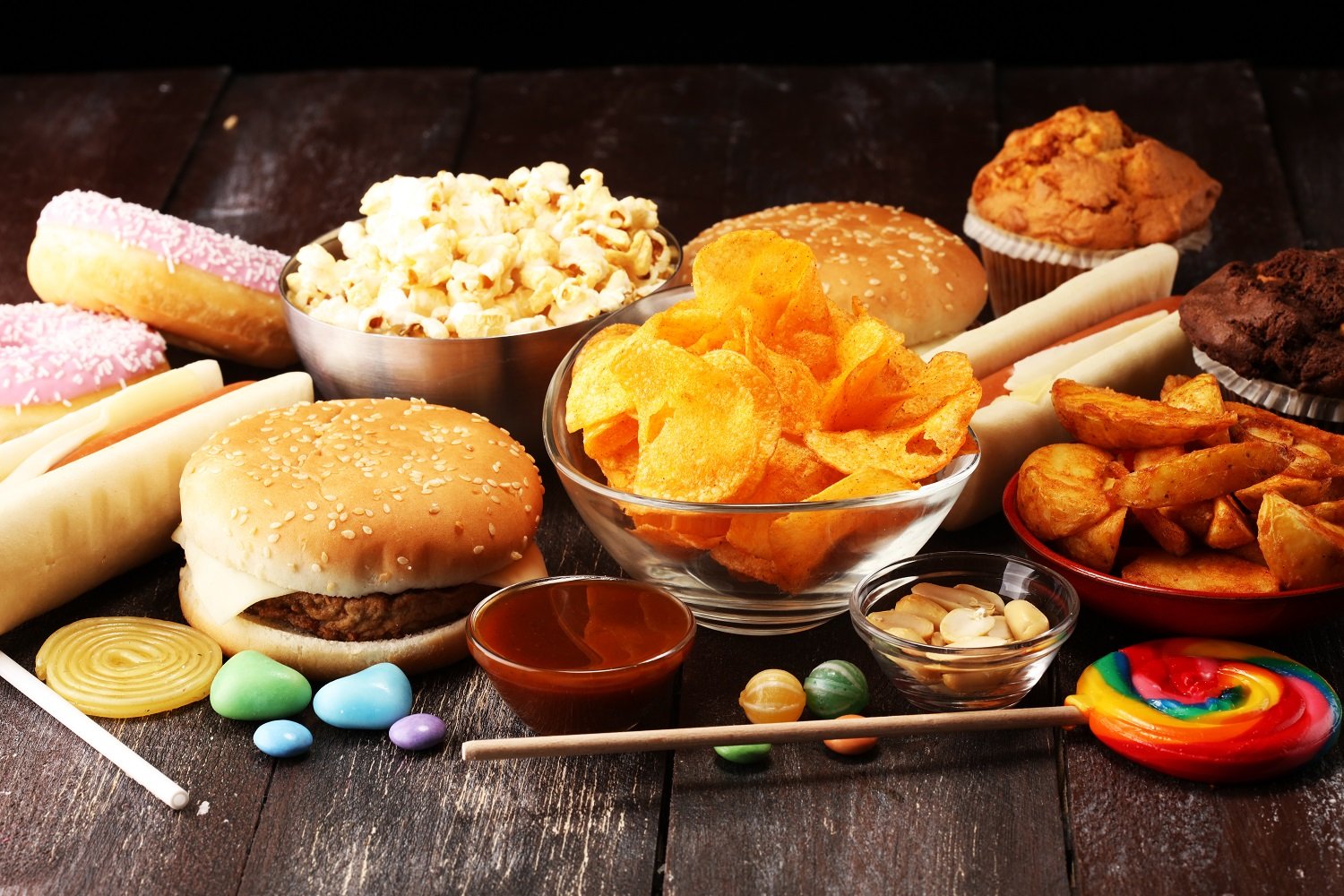
Just one meal can easily exceed the recommended sodium intake. However, we can ask vendors to use less fish sauce or omit it altogether. If avoiding processed foods is not possible, choose to consume them in moderation. Chronic non-communicable diseases arise from accumulated eating behaviors over time. If we ‘reduce salt’ starting today, along with “reducing sugar and fat”, it will greatly improve our health and keep us away from chronic diseases.
Good health is not for sale; you must take care of yourself.
Thank you for the information from www.thaihealth.or.th