8 Things to Know Before Inspecting Your New Home

1. Remember: “Do not sign for the house if it’s not ready”
The reason for emphasizing that you should not sign for the house if you are unsure about the quality of the construction is that before you sign, you still have the power to request corrections. However, once you sign for the house, you lose that power entirely. Very few housing projects take responsibility for fixing construction issues after the customer has signed for the house. Even large housing companies, once you have signed, their previously eager staff may become indifferent and unhelpful.
2. Read the Contract
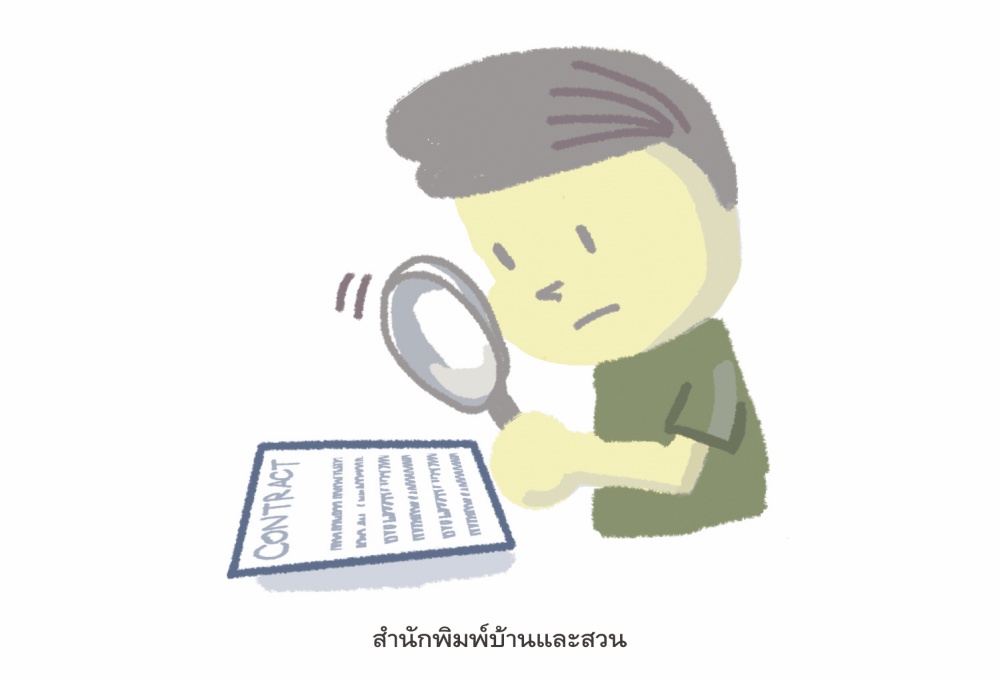
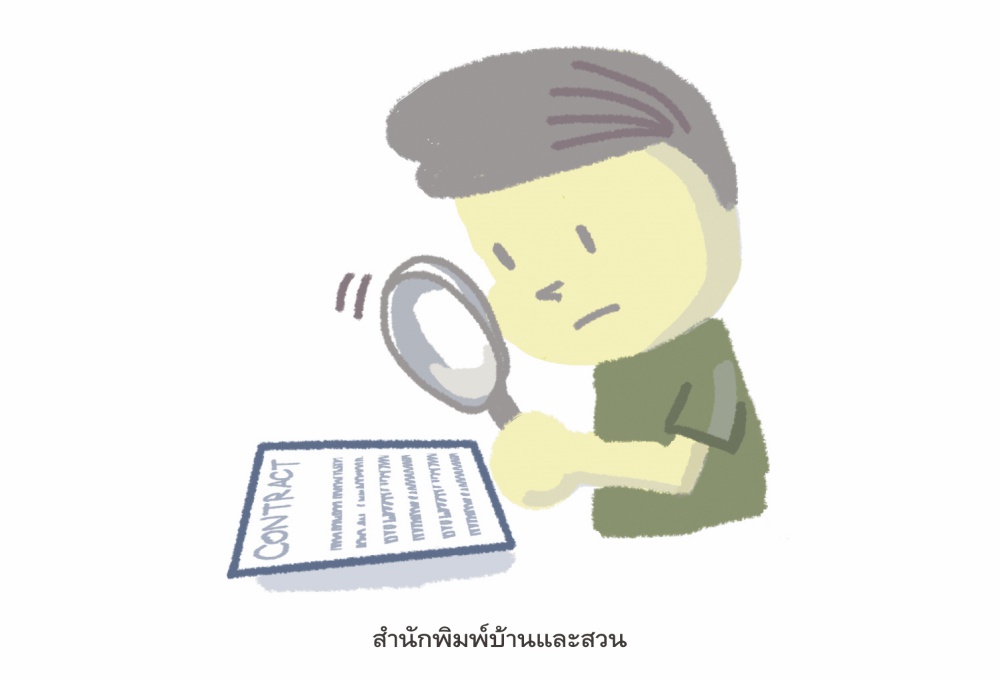
Before inspecting the house, you should study the “purchase agreement” made with the project and review the information in the project’s advertisements to understand any conditions, especially the benefits the project has promised to provide. Make sure to note all this information, as it will be used in your inspection report to protect the buyer's interests as much as possible.
3. Go Early
It’s advisable to schedule the house inspection in the morning to allow ample time for a thorough check throughout the day. Inspecting in the evening, at night, or late in the day is not recommended due to limited time and poor lighting, which makes it difficult to identify defects.


4. Confirm the Appointment
You need to clearly schedule the appointment with the project staff. It’s recommended to call and confirm one day before the inspection to avoid any mistakes that could waste time. It’s best to notify the project in writing to confirm the inspection date to ensure someone will be there to let you in on that day.
5. Staff Presence is Not Necessary
During the inspection, it’s not essential for the project staff to follow you around. Whether they are present or not is not important, as you will need to document any issues and submit them to the project yourself.
6. Bring a Helper
It’s advisable to bring at least one helper with you. One person can focus on inspecting while the other takes notes and photographs. Avoid bringing small children, as it may be inconvenient and the project site may still be under construction.
7. Check the House Number
Make sure that the house you are inspecting is the same one you purchased by checking the location of the house as stated in the purchase agreement. If there is a house number, verify it against the documents first. This is the first thing to do before starting the inspection, as there have been instances where people inspected the wrong house, requested corrections, and signed off on the wrong property.
8. Read the Book “Home Health Check Before Transfer”
The content of this book covers everything you need to know about inspecting a house, including construction terminology, necessary tools, and a checklist that can be used on the inspection day to ensure you don’t miss any important points. It is beneficial for readers who are about to buy a house or are preparing to inspect a house from a contractor before making the final payment.
If you’re interested, you can order it here!


Thank you for the information from www.baanlaesuan.com