What You See: The Rising Dust Levels
Current Situation: PM2.5 Dust Levels According to the latest report from the Pollution Control Department (PCD) on January 21, 2019, the meteorological conditions in the morning showed poor air dispersion, with stagnant weather and wind speeds mostly below 1.8 km/h. There was morning fog and no rain, resulting in PM2.5 levels in Bangkok and its vicinity reaching a level that "begins to affect health."
The Royal Rainmaking Department is conducting artificial rain operations again. If everything goes according to plan, rain is expected in Bangkok and surrounding areas in the evening. The Ministry of Defense is testing drones to spray water droplets in Chatuchak Park, which has been found to help reduce dust levels.
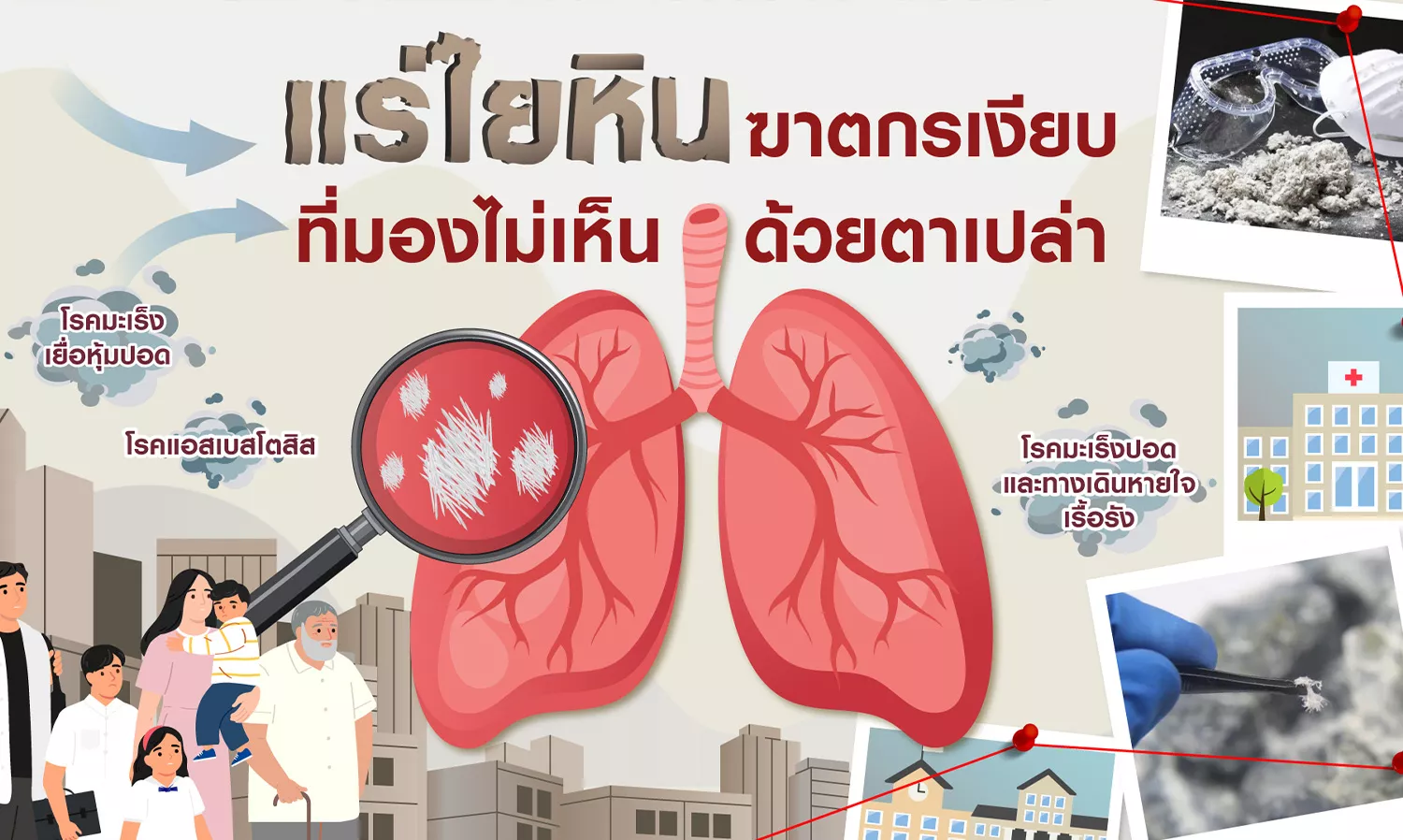
This has become a significant issue for Thai people, especially those in Bangkok, who are currently facing dust pollution. The particulate matter is so pervasive that it impacts daily life. The issue of dust particles smaller than 2.5 microns is still not well understood by the public. In reality, these are very fine particles comparable in size to bacteria or too small for our nasal hairs to filter out. Particles of this size are not effectively captured by the body's defense systems, increasing the likelihood of entering the body, which is one of the causes of lung cancer. If one must live in areas at risk of dust and unavoidable pollution, the correct approach is to take care of oneself, which is something the Thai Health Promotion Foundation always emphasizes. If we maintain good health and are in a good environment, it will help keep us away from diseases and reduce the likelihood of illness.
Given the current dust situation, self-care is crucial. The Pollution Control Department has issued measures for the public to learn how to protect themselves. The Ministry of Public Health has recommended five measures: "Avoid, Close, Use, Avoid, Reduce":
1. Avoid contact with dust, especially for vulnerable groups including the elderly, pregnant women, young children, and those with respiratory diseases, asthma, or allergies.
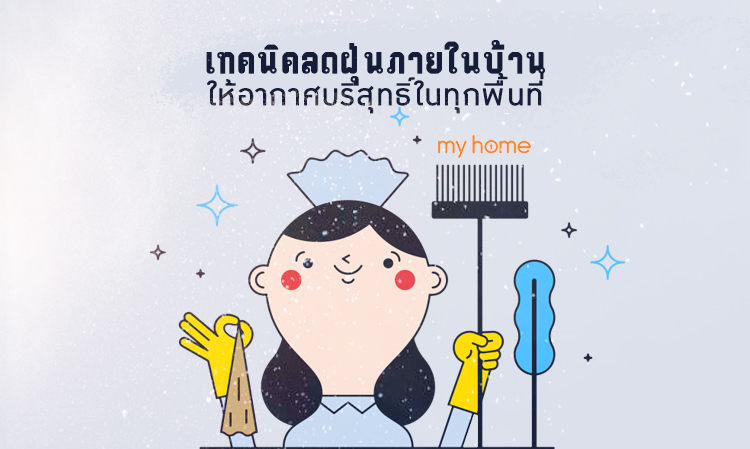
2. Close doors and windows tightly to prevent dust. Regularly clean the house every day.
3. Use effective masks that filter particles smaller than 0.3 microns.
4. Avoid exercising or working outdoors for more than 12 hours.
5. Reduce car usage and waste burning. If experiencing unusual symptoms such as difficulty breathing, chest tightness, dizziness, or fainting, seek medical attention promptly.
The Ministry of Public Health has also provided guidelines for the proper use of face masks:
1. Choose masks designed to filter dust smaller than 2.5 microns that meet standards.
2. Ensure the mask fits snugly against the face, pressing the metal part tightly against the bridge of the nose.
3. Select a size that fits well over the nose and under the chin, ensuring it is close to the face.
4. Dispose of the mask if it becomes difficult to breathe or if it is dirty.
5. If possible, change to a new mask every day.
6. If dizziness or nausea occurs while wearing the mask, move to a pollution-free area, remove the mask, and consult a doctor.
In addition to knowing how to protect oneself and the proper way to wear a mask, understanding the types of dust and their causes is also essential. This knowledge helps us understand the reasons behind the PM2.5 pollution levels exceeding standards. Generally, airborne dust particles range from 100 microns downwards and can adversely affect the health of people, animals, and the environment, both visibly and invisibly, such as black soot or haze. These dust particles can be categorized into three types:
1. Total Suspended Particulate (TSP): These small particles occur both indoors and outdoors. This type of dust, resulting from burning fuels like oil, coal, wood, and rice husks, contains organic and inorganic toxins.
2. Particulate Matter (PM10): These particles are smaller than 10 microns, such as dust from unpaved roads or stone crushing factories.
3. Particulate Matter (PM2.5): These particles are smaller than 2.5 microns, originating from vehicle emissions, power plants, and industrial factories.
As you can see, most of the causes stem from human activities. If everyone becomes aware and collectively changes their behaviors, it can help reduce air pollution. For example, avoid using cars when unnecessary, refrain from burning waste outdoors, and regularly clean living spaces. These simple actions can help improve air quality in Thailand.
Even though the dust problem persists today, what everyone can do is to protect and maintain their health, avoiding being a source of pollution. This way, we can enjoy cleaner air and stay away from diseases.
Thank you for the information from www.thaihealth.or.th