
How to Cope When You Want What Others Have
Looking back to your childhood, did you ever see a friend with something you didn't have and feel a desire to have it too? If so, how did you cope with that feeling?
The desire to possess or have something, whether it's a new outfit, a new computer, the latest smartphone, or even just wanting something new in life, is a fundamental human need that we cannot deny. Especially when we see our friends having it, as friends are influential figures in our lives. It's not unusual for teenagers to have a tendency to follow their friends, whether it's going out, dining, shopping, or dressing similarly to connect with them. This often leads to a desire to have what friends have in order to gain acceptance from the group.

When we talk about wanting to have something, it reflects a level of need that everyone experiences. According to Maslow's Hierarchy of Needs, there are five levels of human needs:
- Physiological Needs are the basic requirements for survival, such as food, water, sleep, and air.
- Safety Needs refer to the need for physical and mental security, freedom from fear, threats, and coercion from others and the environment.
- Love and Belonging Needs encompass social needs, such as the desire for love, friendship, and acceptance within a group. For example, we might choose clothing brands that our friends prefer to gain their acceptance.
- Esteem Needs relate to self-esteem, pride, and the desire for others to recognize our worth and capabilities.
- Self-actualization Needs involve the desire to understand and develop oneself fully, a process that has no endpoint.
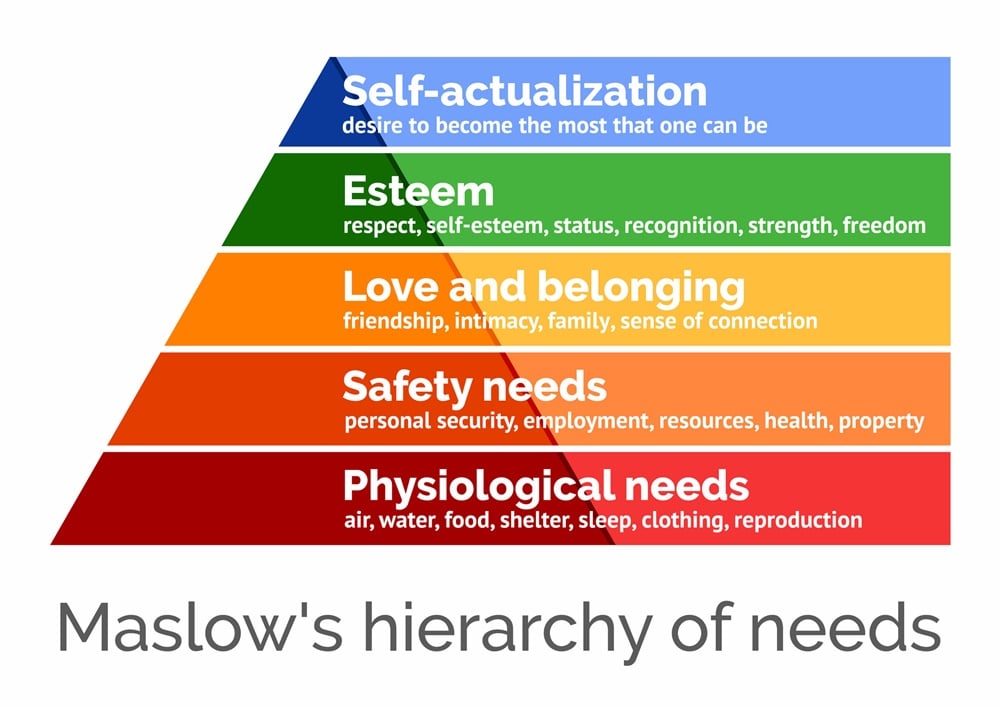
The desire to have what friends have falls under the category of Love and Belonging Needs because it is often driven by the need for acceptance. If this desire becomes overwhelming, it can lead to feelings of distress or unhappiness when we don't have what our friends have, negatively impacting our mental health. To address this issue, Dr. Wimolrat Wanpen, Deputy Director of the Rajanagarindra Institute of Child and Adolescent Mental Health, suggests the following practices when we find ourselves in a state of wanting:
- Practice recognizing your own strengths. This will boost your confidence, even if your strengths differ from others. Remind yourself that you have your own unique qualities.
- Don't just follow your friends. Find activities that bring you joy, as everyone should have their own world rather than constantly overlapping with others.
- Make the most of the present. Always remind yourself that you only have this moment, and if you've done your best, you should feel confident.
It's not wrong to want what others have, as everyone seeks acceptance from their peers. However, if this desire becomes excessive, it can lead to unhappiness and a loss of individuality. Therefore, our desires should be balanced; we should seek out our own strengths and utilize them effectively, as everyone has unique qualities they can showcase.

Meeting our own needs can bring us happiness, but beyond the methods mentioned, there are many other ways to improve our mental health and happiness. Dr. Sirikiet Liangkobkit, Director of the Health Risk Factor Control Support Office, shared three essential practices for youth to maintain good mental health:
- Take care of yourself. Good mental health starts with self-care. When we appreciate ourselves often, we begin to see our own value.
- Seek support. When facing difficulties, having trusted friends and family who encourage us to keep going is vital.
- Stay mindful. Especially when angry or upset, take deep breaths to help you respond to situations with awareness. Counting to ten can be a helpful technique.
While friends are present in many life events, family remains a strong institution that supports us throughout our lives. If we face problems that friends cannot help with, consulting family can be another way for adolescents to navigate through crises.
The desire to have is natural, but we shouldn't cling to it. Clinging to desires can lead to unhappiness and affect our mental health. Promoting good mental health is one of the objectives of the Health Promotion Foundation. Therefore, finding ways to satisfy our desires that do not involve spending money can also be a path to happiness.
Don't worry too much about whether friends will accept you into their group. True friends will accept you for who you are, regardless of your circumstances. Reflect on how much we have lost to the phrase “I must have it.”
Thank you for the information from www.thaihealth.or.th