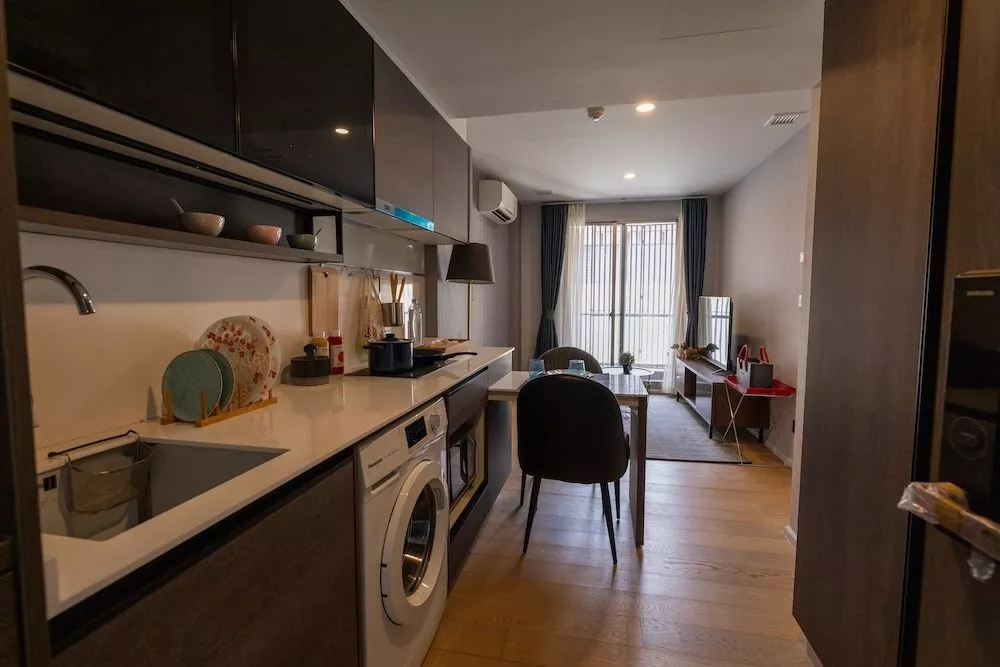
Exploring the 5 Pros and Cons of Downsizing Your Home
The size of a home is not always a determining factor for comfort and happiness in life; rather, it depends on individual needs at different life stages. In the early working years, you may desire a larger home to accommodate your parents and prepare for starting a new family. However, as time passes and you enter retirement, with children growing up and moving out to start their own families, you might begin to question whether a large home is still necessary for you.
For those considering downsizing for various reasons—such as fewer household members, wanting to reduce expenses, or wishing to lessen the burden of home maintenance—it's essential to weigh the pros and cons of reducing your home's size to understand what you will gain and what you may have to sacrifice.
Pros
1. Reduced household expenses - The larger the living space and the more residents there are, the higher the electricity consumption. A larger home requires a bigger meter to accommodate the increased number of electrical appliances needed for more rooms. Additionally, more bedrooms mean more light fixtures and potentially more air conditioning units, leading to higher electricity bills.
2. Closer family relationships - With limited living space, a smaller home can foster stronger family bonds. The reduced area encourages more frequent interactions among family members, bringing them closer together.
3. Easier home maintenance - A larger home comes with more rooms to care for, not to mention the outdoor areas. In comparison, a smaller home significantly reduces the maintenance burden.
4. Helps filter out unnecessary belongings - In a larger home, you might have ample storage space. However, downsizing provides an opportunity to sort through your belongings, distinguishing between what is essential and what is not, allowing you to donate or pass on items to family and friends who may benefit from them.
5. A fresh start - Moving to a new home is akin to stepping out of your comfort zone and embracing new experiences. It allows you to meet new neighbors and learn about unfamiliar lifestyles.
Cons
1. Moving expenses - While downsizing may seem like a way to save money, you must be prepared for the costs associated with moving, including selling your current home, transferring ownership, and purchasing a new one. There are various expenses involved, such as moving costs and renovation fees.
2. Finding the right home - Once you decide to move, a significant challenge is finding a suitable location that meets your lifestyle needs, including convenient transportation, adequate amenities, and reasonable pricing. However, it's crucial to prepare for the reality that a smaller home may not offer the same conveniences as your previous larger one.
3. Distance from family, friends, and familiar surroundings - Moving is similar to changing jobs; the initial phase requires adjustment to a new environment. You may find yourself separated from familiar family and friends, encountering new people and different surroundings, including transportation and amenities.
4. Facing feelings of sadness and nostalgia - Whether it’s belongings or places, spending time in a home naturally creates attachments. It’s normal to feel a sense of loss when leaving a home filled with cherished memories.
5. Changes in lifestyle - Choosing to live in a smaller home means accepting that certain aspects of your lifestyle will need to change. You may no longer have a private garden for morning runs or evening strolls, nor a swimming pool for parties or workouts.