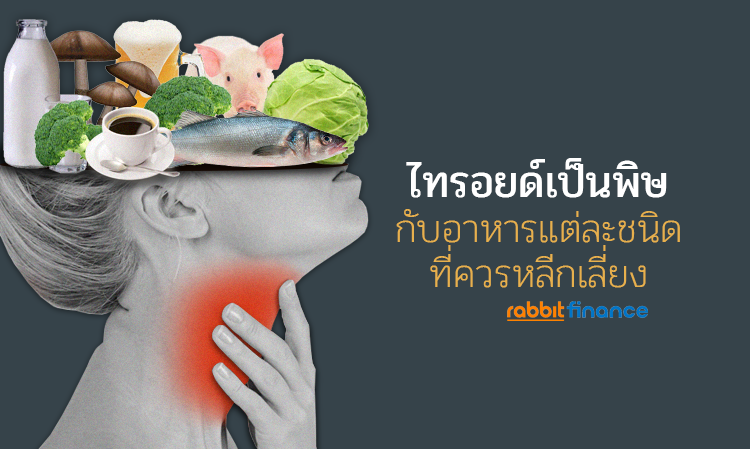
Hyperthyroidism and Foods to Avoid
Everyone can fall ill. Some may suffer from mild conditions that can be completely cured, while others may experience more severe illnesses that require careful attention to prevent worsening symptoms.
A particularly close concern is the matter of foods to avoid. Today, we will discuss the foods that individuals with hyperthyroidism should steer clear of. But before diving into what should or shouldn't be consumed, let’s first understand the causes and initial symptoms of this condition.

What is Hyperthyroidism?
To begin, it’s important to note that thyroid-related diseases fall into two categories: hyperthyroidism and hypothyroidism. These two conditions exhibit different abnormalities, but today we will focus on hyperthyroidism.
Hyperthyroidism is a condition where the thyroid gland produces excessive hormones, leading to an increased metabolic rate. Patients may experience rapid weight loss, increased heart rate, excessive sweating, irritability, and nervousness.
What Causes It?
The causes of hyperthyroidism stem from the thyroid gland functioning abnormally, resulting in an excess of thyroid hormones in the body. The main causes include:
- Diet
Consuming foods high in iodine can lead to hyperthyroidism, as iodine is a crucial component in the production of thyroid hormones.
- Thyroid Tumors
Tumors in the thyroid and pituitary glands may cause an increase in hormone secretion, leading to toxicity, although this is less common compared to other risk factors.
- Graves' Disease
This condition involves the excessive release of thyroxine hormones, though the exact cause remains unclear. Graves' disease is more commonly found in young and middle-aged women. Smokers, regardless of gender, should quit smoking as it increases the risk of this disease and complications.
- Thyroiditis
Thyroiditis is an inflammation of the thyroid gland of unknown origin, which can affect its function and lead to an overproduction of hormones. Most cases are painless, except for subacute thyroiditis, which may cause discomfort.
- Excessive Thyroid Hormone Supplementation
Certain medications containing iodine, such as amiodarone used for treating arrhythmias, can lead to increased hormone secretion, contributing to hyperthyroidism.

What Symptoms Should You Expect?
Symptoms of hyperthyroidism can resemble those of other illnesses. Patients with mild hyperthyroidism may not exhibit any symptoms, especially older adults, whose symptoms may not be clearly visible. However, hyperthyroidism can still impact daily life.
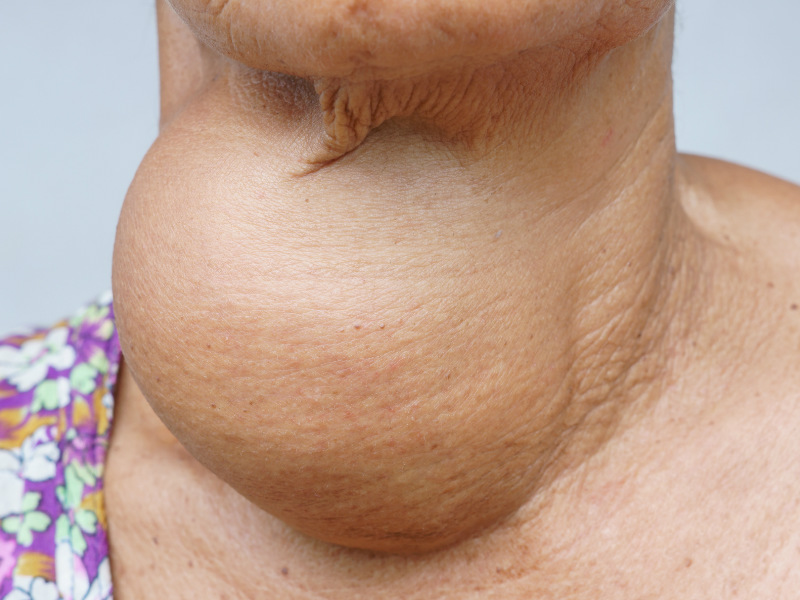
The most common symptom is goiter, which is an enlargement of the thyroid gland. Patients may feel or see a large lump in the neck, and sometimes doctors can detect goiter before the patient does.
Other symptoms include mood swings, anxiety, irritability, difficulty concentrating, nausea, vomiting, insomnia, bulging eyes, double vision, brittle hair, hair loss, muscle weakness, excessive sweating, trembling hands, increased appetite, rapid heart rate (over 100 beats per minute, especially in older adults), enlarged breasts in men, and irregular menstrual cycles in women.
What Foods Should Be Avoided?
- Foods High in Iodine and Selenium
For those with hyperthyroidism, who already have elevated hormone levels, it is advisable to avoid iodine-rich foods found in seafood such as fish, shellfish, shrimp, and oysters, as well as eggs, garlic, mushrooms, and sesame seeds. Foods high in selenium, such as tuna, mushrooms, beef, sunflower seeds, organ meats, and soybeans, should also be avoided, as they can stimulate further hormone production.
- Dairy Products
Dairy products can affect thyroid function due to their high iodine and selenium content, which can stimulate hormone production. Therefore, consumption should be moderate to avoid worsening symptoms.
- Alcohol and Caffeine
Alcoholic beverages and caffeine, such as beer, tea, coffee, and energy drinks, should be avoided entirely by those with hyperthyroidism, as they can destabilize thyroid function and lead to excessive hormone production.
For hyperthyroid patients, it is best to avoid these substances altogether.
- High-Fat Foods
Patients with hyperthyroidism should avoid high-fat foods, including trans fats found in margarine, shortening, cookies, cakes, crackers, French fries, donuts, and baked goods, as well as saturated fats from fatty cuts of beef, lamb, pork, ham, bacon, skin-on chicken, lard, cream, butter, cheese, and dairy products, as these can exacerbate thyroid inflammation.
It is advisable to switch to omega-3 fats, which are healthier and found in fatty fish such as mackerel, sardines, and trout, as well as freshwater fish like catfish and tilapia.
- Allergenic Foods
If hyperthyroid patients notice any allergic reactions to certain foods, they should eliminate those foods from their diet, as they can worsen symptoms. Common allergens include wheat, dairy, eggs, fish, nuts, shellfish, and certain types of seafood. It is recommended to consult a doctor for proper testing.
- Foods High in B Vitamins
B vitamins (B2, B3, B6, and B12) are essential for thyroid function, as they help produce T4 hormone. These vitamins are found in foods like egg yolks, organ meats, seafood, yeast, various grains, peas, milk, mushrooms, and almonds. However, those with hyperthyroidism should limit their intake of these foods to avoid stimulating hormone production.
- Cruciferous Vegetables
Patients with hyperthyroidism should limit their intake of cruciferous vegetables such as cabbage, bok choy, broccoli, kale, and radishes, as these contain substances that inhibit iodine absorption by the thyroid, potentially leading to goiter.
While these vegetables may not be friendly to the thyroid, they have cancer-fighting properties, so they should still be consumed in moderation, preferably cooked to eliminate toxins.
- Processed Foods
Processed foods such as sausages, ham, bacon, and canned foods often contain high sodium levels, which are unsuitable for hyperthyroid patients and may increase the risk of hypertension due to excessive sodium intake.

What Should You Eat?
- Vitamin D
Proper intake of vitamin D during and after treatment for hyperthyroidism can help reduce the risk of bone loss and promote bone growth. Vitamin D can be obtained from sunlight as well as foods like milk, fatty fish, mushrooms, and eggs.
While it may seem contradictory, foods high in vitamin D are often those that hyperthyroid patients should avoid. However, they should be consumed in moderation, and it’s best to consult a doctor regarding these foods.

- Copper
Both hyperthyroid and hypothyroid patients are at increased risk of heart disease and high cholesterol if they lack copper, which is essential for hormone production.
Foods rich in copper include crab, oysters, lobster, nuts, beef, sunflower seeds, white beans, chickpeas, soybeans, shiitake mushrooms, barley, tomatoes, and dark chocolate.
- Zinc
Zinc is directly related to thyroid hormone levels, as both hyperthyroidism and hypothyroidism can result from zinc deficiency. Therefore, patients should increase their intake of zinc-rich foods but in moderation.
Consult a doctor about the appropriate amount of zinc to consume to avoid affecting the thyroid condition. Foods rich in zinc include beef, oysters, sardines, soybeans, walnuts, sunflower seeds, almonds, ginger, and various grains.
- Gluten
Patients with hyperthyroidism can consume gluten-containing foods like wheat or barley without health issues. However, those with gluten intolerance should avoid these foods.
Gluten can damage the small intestine, hindering the absorption of thyroid medications, leading to excessive hormone production. Therefore, those who know they are gluten intolerant should avoid gluten-containing foods.
- Antioxidants
Antioxidants such as vitamins A, C, and E help the thyroid combat damage from free radicals and prevent premature aging of the gland.
Foods high in antioxidants include grapes, berries, nuts, various grains, and green tea.
Understanding what to eat and what to avoid for hyperthyroid patients is quite delicate and complex, as some foods may fall into both categories. Therefore, patients should exercise caution and seek treatment from specialists to safely adjust their eating habits alongside their medication.
Thank you for the information from rabbitfinance.com