North, South, East, West: Which Direction Ensures Comfort All Year Round
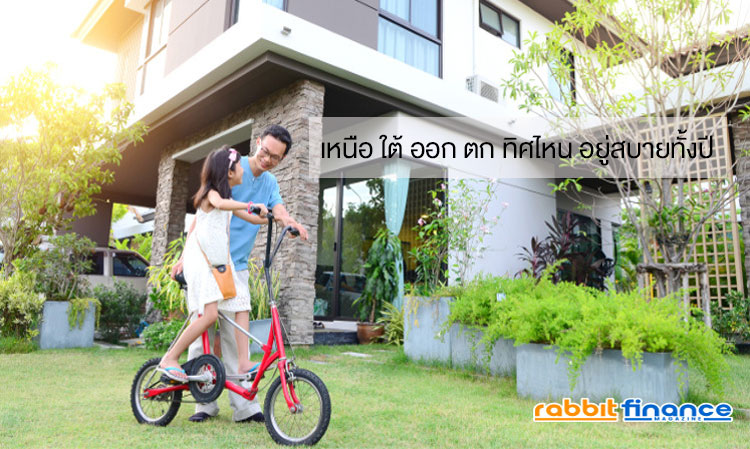
Nowadays, many people are starting to take an interest in designing their own homes. This is because when you design your own home, you get what you like and what suits you, while also considering factors like direction, sunlight, and wind.
It is clear that direction, sunlight, and wind are crucial factors that can help make your home comfortable and also save a lot of energy.

When designing a home, it's essential to consider the right direction.
If you think that "it doesn't matter which direction the house faces," that is a significant misconception. If you position your house in the right direction, happiness can easily follow.
So, let's take a look at the pros and cons of each direction to apply to your beloved home.
- North
North is the direction that experiences wind from October to January and is also known for its shade.
Due to the sun's orbit, which rises in the east and moves south to set, the north direction is most suitable for bedrooms, workspaces, or living areas. When designing rooms in the north, they should be airy and spacious to allow light in; if they are enclosed with solid walls, the rooms may become too dark.
The downside of the north direction is the shade, which can prevent light from entering and may lead to dampness.
In summary, when designing rooms in the north, use large windows or materials that allow light from outside to enter easily, such as glass.
Additionally, the wind coming from the north during the late year coincides with winter, making it unsuitable for placing water features or pools, as it can lead to excessive cold and algae growth.
- East
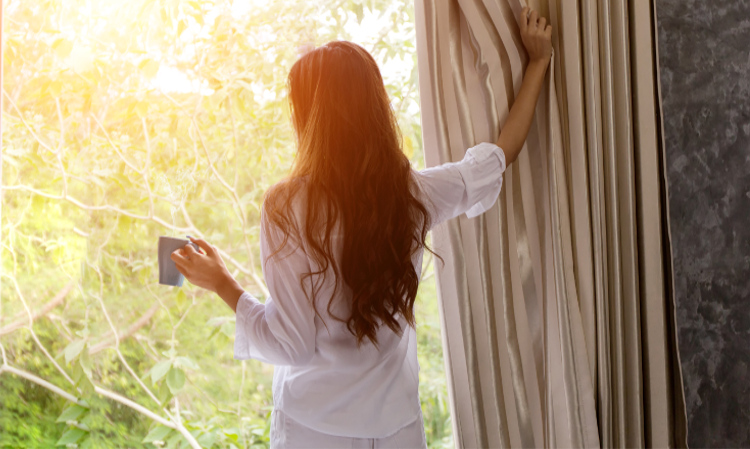
The east direction provides soft morning sunlight and shade in the evening. The morning sun offers warmth and relaxation, which is beneficial for the body and helps invigorate.
Therefore, the east direction is ideal for bedrooms, workspaces, balconies, or outdoor garden areas, as it generally has favorable characteristics for living throughout the day.
The downside of the east direction is that it lacks wind, which may make the living space feel a bit stuffy. Therefore, the design should incorporate materials that promote airflow and keep the space open.
- West
The west direction receives sunlight in the afternoon, which helps kill germs and reduce musty odors inside the house.
Therefore, the west direction is suitable for bathrooms, laundry rooms, kitchens, stairwells, and garages.
However, excessive sunlight can lead to heat in the house, so the west-facing walls should be thicker, possibly using double brick walls or other materials to shield against the sun and lower the temperature.
For example, using sunshades, eaves, or porches. Additionally, sunlight hitting the ground can cause light reflections into the house, so the outdoor flooring should be made of materials that do not absorb too much heat, such as grass, bricks, or pavers.
- South
The south direction experiences wind from February to October, coinciding with the summer and rainy seasons.
Therefore, the south direction is suitable for bathrooms, kitchens, or laundry rooms. For those wanting to create a pool or water feature, placing it in the south is ideal, as the wind from February to May is warm, and if it passes over the water, it can help cool the house.
The downside of the south direction is that during the rainy season from June to October, the wind can bring rain into the house. Therefore, it is advisable to design eaves to shield from rain and install awnings on windows to prevent rain from entering the home.
All in all, this is how to design a homein harmony with nature for sustainable happiness.
Thank you for the information from www.rabbitfinance.com