6 Standards for Elderly Care Homes
It is widely acknowledged that Thailand is transitioning into an aging society, making the concept of "elderly care homes" increasingly relevant. Although Thai culture has long emphasized filial piety, changing societal norms, particularly among the younger generation, and a growing trend of single living have shifted perspectives. TerraBKK has gathered interesting information about "elderly care homes" that meet six standards, including location, environment, and staff care, as outlined by the Ministry of Social Development and Human Security. Here are the details:
Standard 1: Building and Location <\/span><\/strong><\/p>
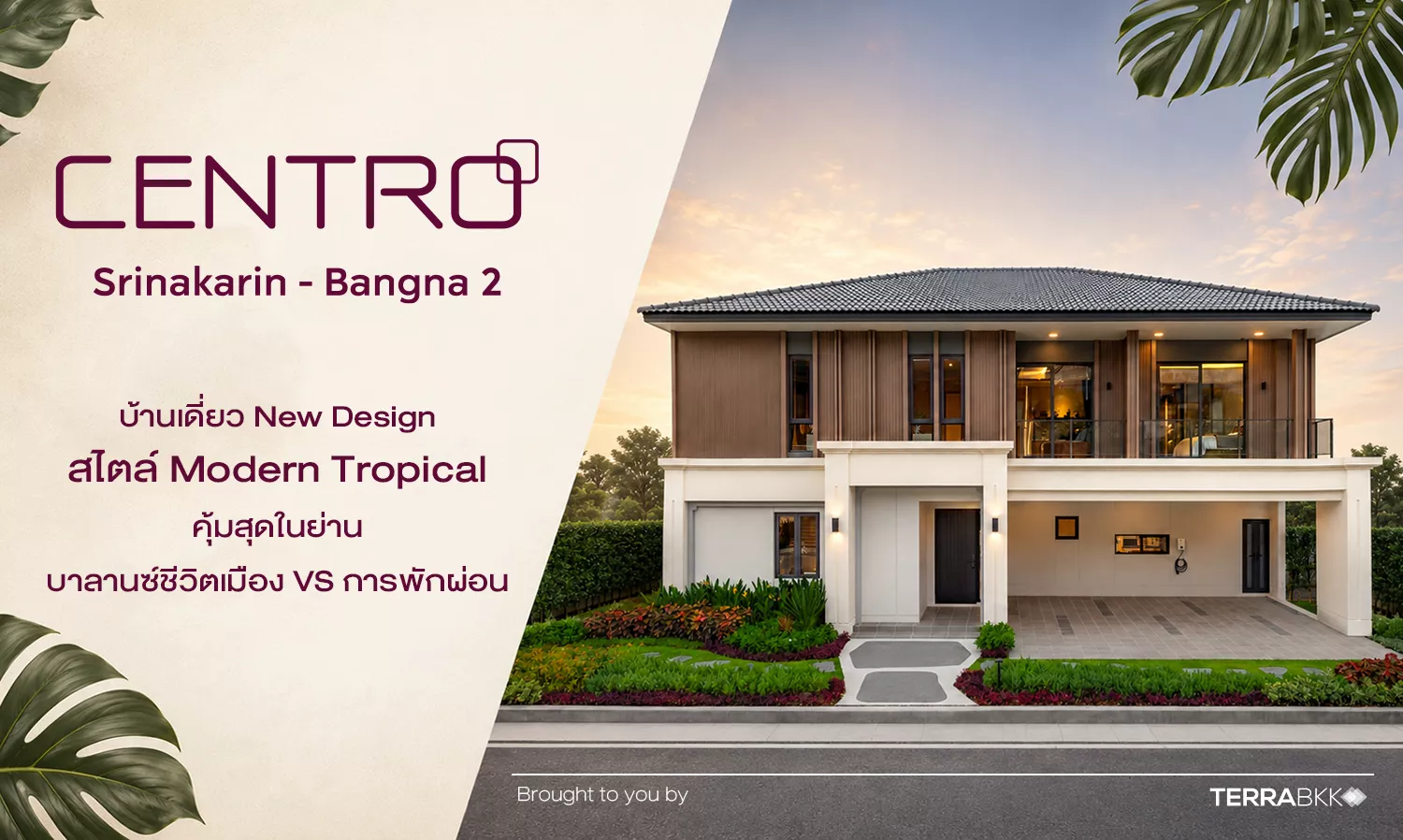
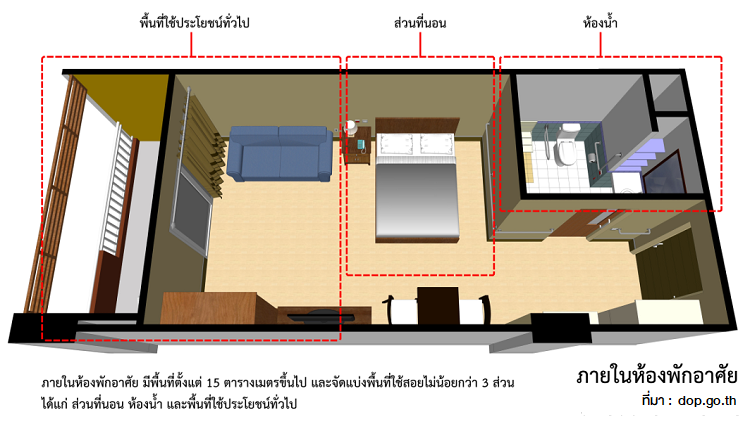
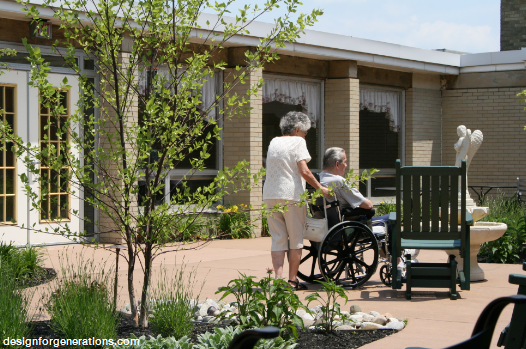
Location must be safe and not hazardous to health. Transportation routes should provide easy access to community resources and medical facilities. The layout of the building should be appropriately divided into usable areas, such as exercise corners, recreational areas, green spaces, and rooms for religious ceremonies. Buildings with two or more floors should have at least one passenger elevator. Internal walkways should be at least 1.5 meters wide to accommodate wheelchairs, with even surface levels. Stairs and ramps connecting different floors should have a width of at least 0.9 meters, with a minimum width of 1.50 meters for two-way traffic. Steps should have a rise of 0.15 meters and a tread of 0.3 meters, with continuous handrails. Emergency exits must have clear signage, be at least 1.5 meters wide, and have continuous handrails. Building entrances should have a flat, non-slip surface without obstacles. If there are different floor levels, there should be convenient stairs and ramps near parking areas. Directional signs for facilities should be clearly visible both day and night. Parking should be adequate for the number of residential units and include spaces near the entrance for elderly residents with mobility issues or for emergency patient transfers. 24-hour service units should coordinate alerts or emergencies, facilitating communication between staff, residents, and outsiders. The service unit should maintain a resident list and have the ability to contact residents. Alarm systems should be capable of sending and receiving signals in all residential units. Wheelchairs should be available to assist residents with mobility challenges and for emergency patient transfers, etc. Example of a care home building Entry floors of residential rooms should be level with the interior floor, without door thresholds. Entrance doors should open outward or be sliding, with a minimum width of 90 centimeters, and have lever or push handles. Each residential room should have a minimum area of 15 square meters and be divided into at least three functional areas, including: Electrical systems in residential rooms should have light fixtures in all three areas, with switches no higher than 90 cm from the floor and power outlets at least 45 cm from the floor. There should be an automatic circuit breaker system, and furniture should have no sharp corners, etc. Standard 3: Environmental Health <\/span><\/strong><\/p>
Clean water for consumption must meet quality standards. Wastewater systems should be properly maintained to prevent pollution. Facilities for waste disposal and treatment must ensure safety from disease. Waste collection and disposal services should be hygienic, with measures to prevent and eliminate pests and disease-carrying animals. If food is prepared for residents, it should be done in a manner that does not contaminate the residents' environment, avoiding disturbances from odors, noise, or smoke. Meals should promote health, considering the nutritional needs of elderly residents, and should be clean and hygienic at all stages according to food sanitation standards. The operator is the manager or person responsible for overseeing the services provided by staff in the elderly care home, must be at least 25 years old, and have completed at least 420 hours of elderly care training recognized by the Ministry of Education or relevant authorities, or a licensed private school. They must not have a history of immoral behavior and must provide a medical certificate confirming good health, sanity, and no substance abuse. Staff are responsible for coordinating, receiving communications, and operating in the elderly care home 24 hours a day (staff-to-resident ratio of 1 staff member per 15 residents). They must be at least 18 years old, have completed at least 420 hours of elderly care training, have a minimum of 1 year of experience in elderly care (with certification), and have completed at least 70 hours of training recognized by the Department of Health, Ministry of Public Health, etc. They must not have a history of immoral behavior and must provide a medical certificate confirming good health, sanity, and no substance abuse. Staff should have knowledge and skills in repairing residential rooms, plumbing, electrical systems, and other facilities, maintaining cleanliness in common areas, food preparation, security, and organizing beneficial activities for residents, etc. Maintain a list and personal information of residents, including health information and contact details for relatives. There should be a communication system between operators and staff with residents in every room. All staff should receive ongoing training or knowledge updates regarding elderly care at least once a year. There should be a patient transfer system for emergencies, cleanliness of common areas, waste and infectious waste disposal, environmental health care, common household medications for basic illness treatment, and staff responsible for medication administration. There should be backup electrical systems or lighting, fire extinguishers, and regular training for operators and staff on fire prevention and emergency response at least once a year, along with training for residents on fire safety and emergency escape at least once a year. There should be security measures for residents to maintain peace and prevent conflicts or disturbances in communal living. Provide counseling and self-care knowledge for elderly residents and those living with them. Assist elderly residents in cases of illness or hardship, transport sick residents to medical facilities, receive communications and alerts from residents, and provide necessary assistance or facilitation. Organize or facilitate beneficial activities according to residents' needs. Assist with cleaning rooms and laundry. Provide meals or facilitate food services for residents. Coordinate external affairs for residents, repair residential rooms, plumbing, electrical systems, and maintain the building in a consistently functional state.---TerraBKK Data referenced from dop.go.th #Exploring Thailand's Readiness for an Aging Society Article by: TerraBKK Investment Tips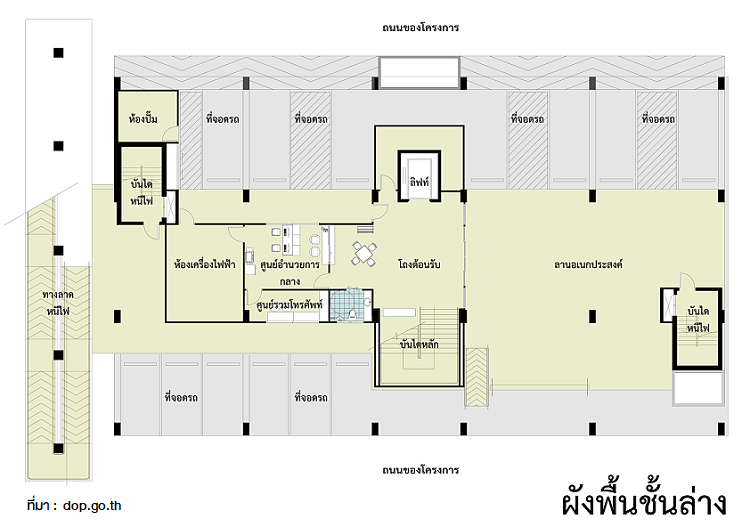
Standard 2: Residential Rooms <\/span><\/strong><\/p>
Standard 4: Service Providers <\/span><\/strong><\/p>
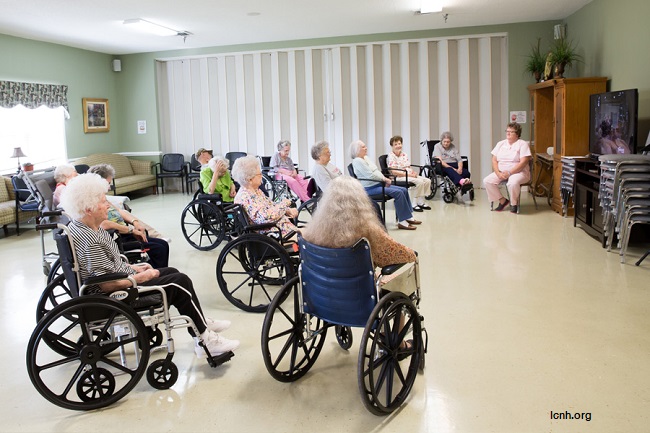
Standard 5: Management <\/span><\/strong><\/p>
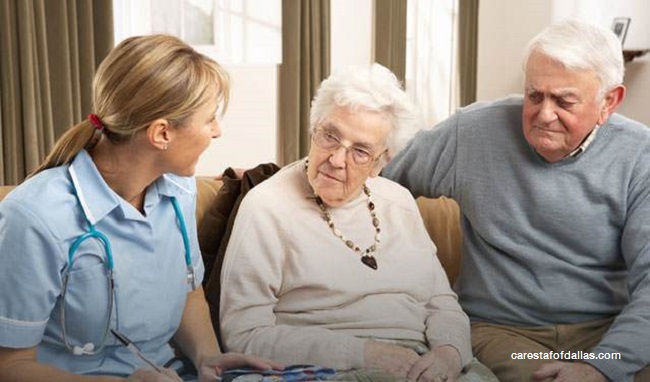
Standard 6: Services <\/span><\/strong><\/p>
#Download Free Elderly Home Designs
#8 Ideas for Elderly Products
#Are We Ready? Housing Policies for an Aging Society <\/span><\/strong>
TerraBKK Finding Good, Affordable Homes