
Managing Money the Gen Y Way: Be Yourself, No Need to Force It
There has been a wave of concern regarding Gen Y's spending habits, with older generations seemingly more troubled than Gen Y themselves. Shocking statistics reveal Gen Y's spending behaviors, such as:
- More than 50% of new credit card holders are Gen Y, averaging 3 credit cards per person.
- In Q1 2017, Gen Y accumulated a total debt of 2.13 trillion baht (5.4 million people), particularly those aged 29, who have debts averaging 150,000 baht per person (20% are overdue by more than 90 days).
- Gen Y tends to be self-indulgent, spending on happiness without careful consideration, often paying only the minimum of 10% on credit cards, accepting interest rates of 20-28% per year, thus falling into the credit card trap.
Before it's too late, TerraBKK believes that Gen Y can certainly try to understand the basics of finance in their own style without forcing it. Just a slight adjustment can yield worthwhile results. Start with the golden rule of personal finance: always pay yourself first. Every time you receive “income” in your bank account, allocate a portion for “savings and investments” first, and then use the remainder for “expenses” that you are willing to pay to others.
Income - Savings for Investment = Gen Y Lifestyle Expenses
In simple terms, this means:
- Maintain a balanced spending level: if income increases, savings per month increase: Gen Y Style, the Future of the Nation
- Maintain a balanced spending level: if income remains stable, savings per month remain stable: Gen Y Style, Slow Life, Happy
- If you want to spend a lot, you should increase your income to maintain stable savings: Gen Y Style, Work/Life Balance
- But if you are Gen Y wanting to spend a lot but have a stable income, if savings decrease, that’s still okay, but if you have no savings and are in debt, you are Gen Y Failing with no future. This life will never escape the cycle of debt, which is a real concern.
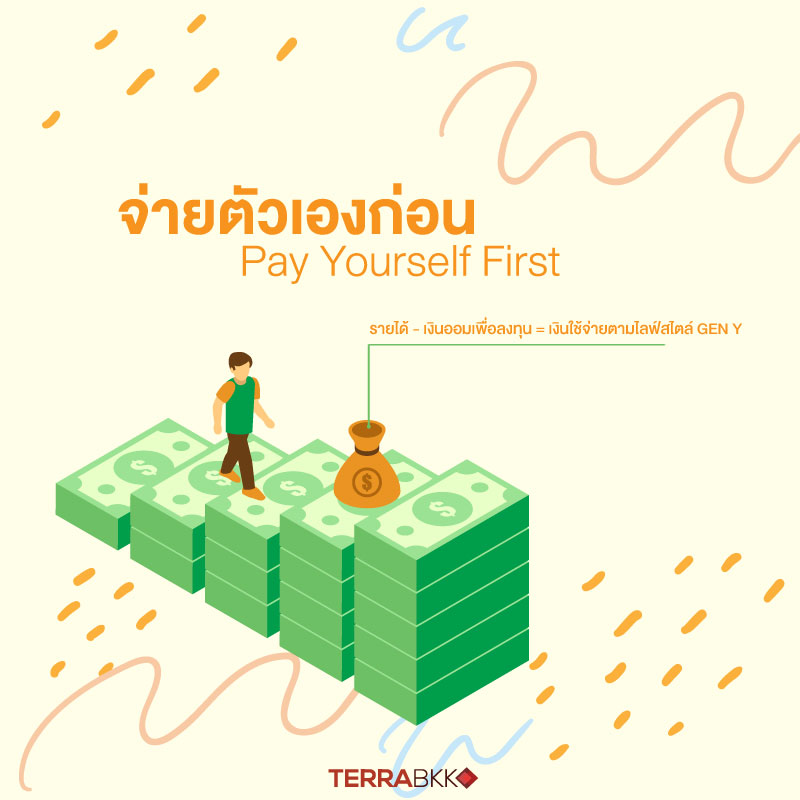
If you observe closely, managing money in the Gen Y style involves not only spending behavior but also income and savings for investment, which affect Gen Y's financial status. Therefore, if Gen Y tries to adjust their financial behavior in any way, I believe the resulting outcomes will also change.
Increase Income Streams the Gen Y Way
Gen Y seeks flexibility in work, values independence, and loves creativity. With a lifestyle that is true to themselves, Gen Y knows what they like. All of these are essential qualities for seeking additional income opportunities in this 4.0 digital era.
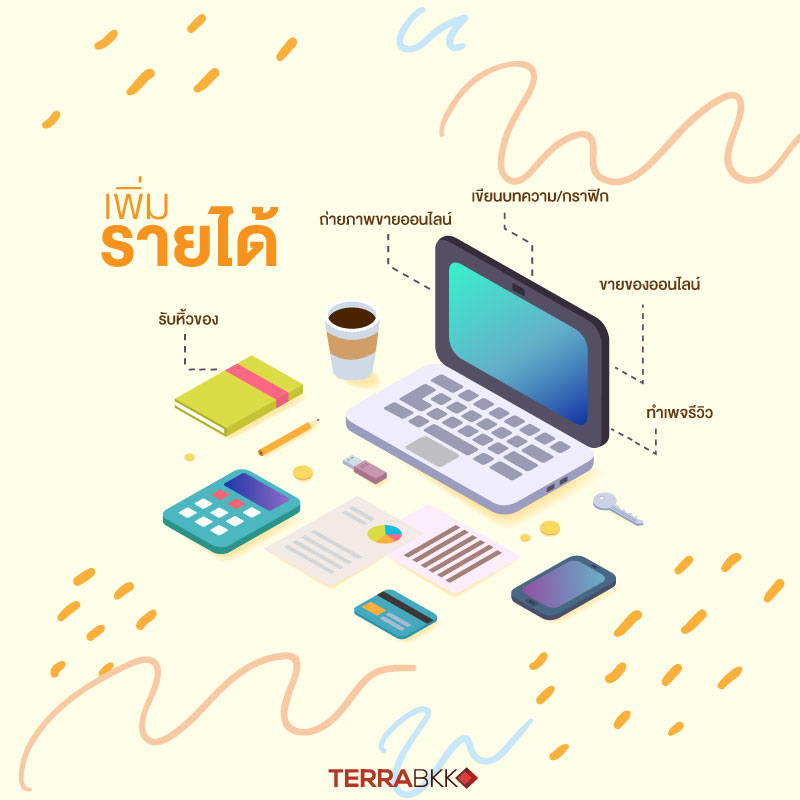
- Online Selling for Gen Y who have a business mindset and enjoy selling through social channels like Facebook, Instagram, etc.
- Freelance Writing/Graphic Design for Gen Y who are good at writing or love reading and designing. Income depends on the number of words per article or type of design.
- Online Photography Sales for Gen Y with a camera, creating an online portfolio to sell images, such as on Shutterstock. Income per download depends on the pricing set by the online buyer.
- Product Sourcing for Gen Y who love shopping and sales. The fee for sourcing products depends on size and shipping, starting at 40-60 baht per item.
- Review Pages for Gen Y who have a special affinity for certain products and are trusted by others, such as movie reviews, food reviews, travel reviews, cosmetic reviews, etc. Income comes from advertising fees for products or stores featured on the page.
Although there are no statistics to guarantee it, I would guess that salaried jobs remain one of the top professions that new Gen Y graduates seek. Even though Gen Y's image has been interpreted as impatient, disloyal to organizations, and frequently changing jobs, I would recommend that before deciding to resign, you have already gathered the following two points:
- Gained experience from skilled individuals in the organization. Look for role models at work and observe their work. If you are not directly taught, use the method of learning by observation, gradually accumulating knowledge that you believe will benefit you.
- Enhanced your credentials from the company’s reputation. Being selected as an employee of a leading company in the country is not easy. If you have that opportunity, learn to create results and enhance your credentials for future opportunities.
Gen Y Must Invest: It's Time to Save Money
There are no hard and fast rules about how much Gen Y should save each month. The easiest method is to think in percentages of your salary, such as saving 10% to 15% of your monthly income. As your salary base increases, the percentage of savings should also increase. Even though Gen Y knows this, it can be challenging. Therefore, “automatic deduction systems” are the answer. As soon as your salary is credited, it should be deducted into an investment account or savings account first.
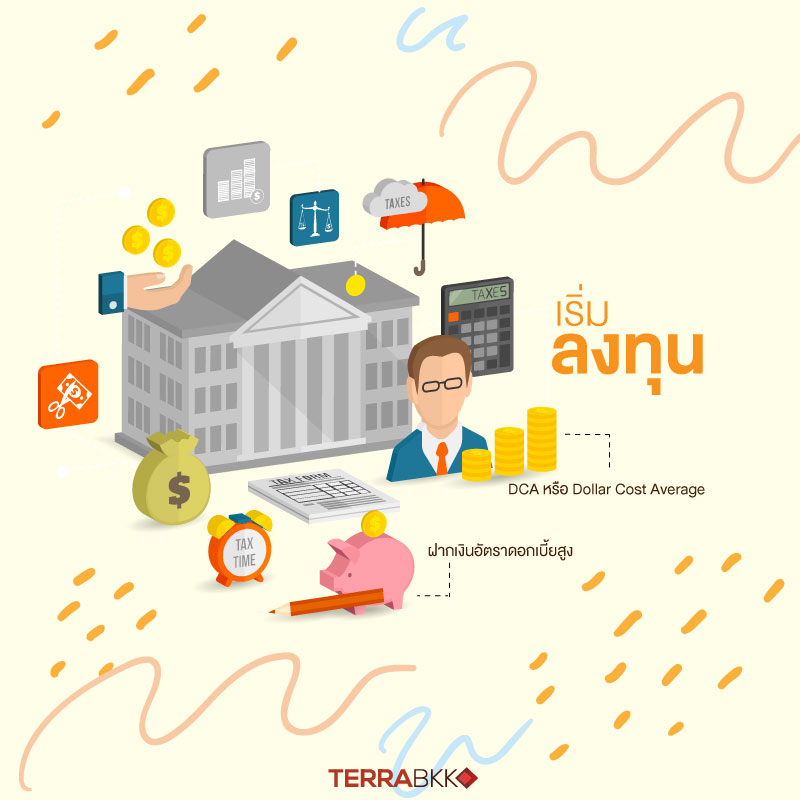
Gen Y with high income tends to save less in traditional deposits and is more interested in investing in higher return opportunities.
• DCA or Dollar Cost Average adjusts Gen Y's investment style from speculative trading hoping to get rich quickly to a more analytical approach. Instead of jumping in and out of the market at the wrong times, try closing the screen and analyzing the actual business until you conclude, “I will own this business.” Then gradually invest in equal amounts over time, regardless of whether stock prices rise or fall, and watch the results unfold.
Meanwhile, Gen Y with low income will be interested in options that require low investment, with low risk and uncomplicated investment processes.
• Depositing in high-interest accounts, such as fixed deposit accounts, which require monthly deposits to maintain high-interest rates, or savings lottery accounts, which are fixed deposits with higher interest rates than regular savings accounts, plus the chance to win prizes every month.
Spend Gen Y Style Without Forcing It: Just a Little Adjustment
The most valuable asset is yourself, so it’s no surprise that Gen Y's spending behavior is aimed at enhancing their learning experiences from various products or places. Be yourself, no need to force it, just adjust your perspective to return to “the balance of income and expenses” in your life, such as:
“A salary of 20,000 baht for 176 working hours per month (= 22 days x 8 hours)
Averaging 114 baht per hour ( = 20,000/176)
This means that enjoying a 500 baht buffet in an hour and a half costs you half a day's work.”
Occasionally, that’s manageable, but if it happens too often, try to regain your spending awareness in the Gen Y style, such as:
Gen Y Shopaholics
- Anything new must be owned. There’s no need to feel guilty about stopping purchases; try adjusting by selling old items to add a little cash for new ones. There are many online platforms for selling second-hand goods, which are definitely not beyond Gen Y's capabilities.
- Slow but Sure. Take time to read and compare the best value. With the information overload Gen Y faces, try to focus your search on actual usage results, such as comparison reviews or user feedback threads.
Gen Y Credit Card Users
- Using credit cards is not wrong, but it’s wrong when Gen Y uses them without the ability to pay off the debt. This indicates a low ability to manage money. If you see credit cards as future spending that cannot be controlled, try adjusting and return to using “debit cards”, which only allow spending based on the actual amount in the account, helping to limit Gen Y's spending. This way, other funds won’t have to bear the burden of credit card debt.
Gen Y Travelers
- Gen Y loves traveling because it allows them to see “the changes in the world” and “the differences in each place” more than the cost of travel. This is also a way to increase income. Try applying your skills in the Gen Y style, such as selling photos online, writing reviews of great restaurants, or coming up with cool business ideas.

In conclusion, TerraBKK believes that Gen Y is still young and has low burdens, thus having the courage to create new opportunities for themselves more than other groups. However, what Gen Y lacks is the experience of those who have been through tough times. Their spending behavior reflects this as well. Getting older without savings and having a history of bad debt is a clear indicator of what life will be like. And I reaffirm that managing money in the Gen Y style can be done independently without forcing it; just a little adjustment can yield worthwhile results. ---TerraBKK
Article by: TerraBKK Investment Tips
TerraBKK: Find Good, Valuable, Affordable Homes