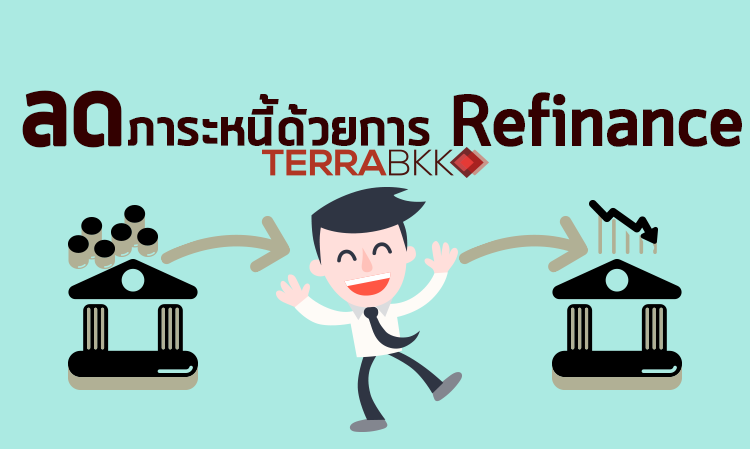
Reducing Debt Burden through Refinancing
"After making mortgage payments for a long time, you may start to feel that it's not worth it due to accumulating interest, where no matter how much you pay, the principal remains untouched. Looking at the long term, it might become unmanageable, but you still want to keep your home or find better conditions. Refinancing your home is an interesting option."
What is Home Refinancing? Simply put, refinancing is changing creditors by using funds from a new lender to pay off an old debt, aiming for a lower interest rate that is more manageable. This can involve switching from one bank to another or staying with the same bank under better interest terms, using the same asset as collateral.
Reasons for Refinancing stem from two main factors: recognizing opportunities and better interest conditions, and needing to take a breather to reorganize personal financial management. The first reason should be pursued when the current mortgage interest rate is significantly lower than the original contract, which can save costs over several years. The second reason for refinancing to reorganize finances often arises from multiple debt burdens, where the borrower wants to reduce monthly mortgage payments and have extra funds for other expenses.
Both cases are worthwhile only if they lead to lower long-term payments. If you can pay off the existing debt within 1-2 years, refinancing may not be necessary.
Steps for Refinancing are similar to applying for a new loan, including documentation and procedural steps. The costs associated with refinancing can be divided into three categories:
- Costs to the Original Financial Institution include penalties for early redemption of collateral before the specified period, which is generally three years from the loan start date, approximately 2-3% of the outstanding debt.
- Costs to the New Financial Institution include appraisal fees for collateral, fixed interest rate fees, and fire insurance fees to mitigate risks. If you have an existing policy, you can cancel the transfer of benefits from the original institution to designate the new institution as the beneficiary.
- Costs to the Land Department include a mortgage registration fee of 1% of the loan amount and a stamp duty of 0.05%.
Finally, TerraBKK recommends that anyone interested in refinancing first assess whether they meet the bank's criteria. If you have a history of missed payments, high debt burdens, or are still within the first three years of repayment, you are likely to be denied refinancing approval.
Article by: TerraBKK Investment Tips
TerraBKK Find Good, Affordable Homes