Decoding the Green Action Cycle: Small Steps Lead to Great Power - Singha Estate Empowers Tenants to Co-create Green Offices
As the world becomes increasingly aware of environmental issues due to the "boiling planet" crisis, which inevitably affects both lifestyles and business operation costs, the changes that occur are not solely the responsibility of any one person or organization. It requires collective efforts to elevate practices towards tangible results, harnessing the power of all sectors, each contributing in their own way, with measurable outcomes.
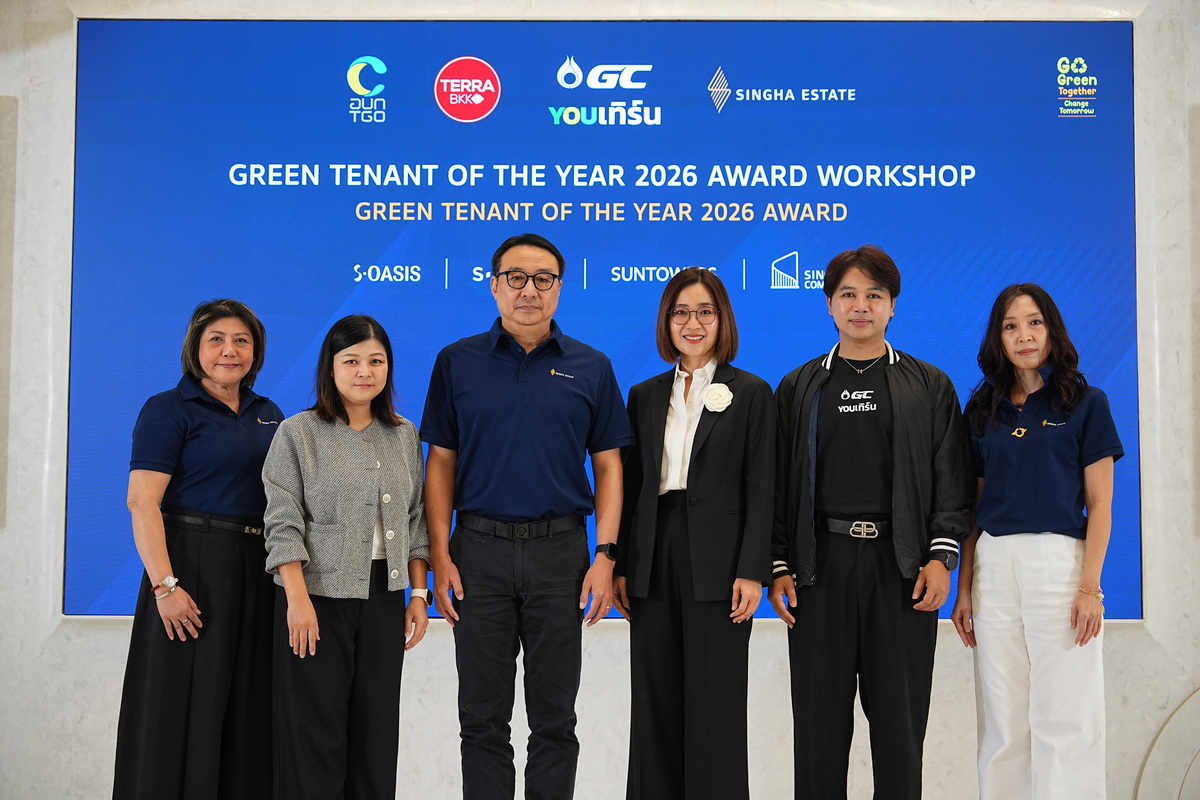
This belief is held by Singha Estate Public Company Limited, a developer and investor in international real estate, which continues its mission under the campaign “Go Green Together, Change Tomorrow”, ongoing since 2019. The campaign encourages action through the Green Tenant of The Year 2026 Award, now in its second year, aimed at promoting participation among tenants of four office buildings: SO Oasis, Singha Complex, Sun Towers, and S Metro, to reduce environmental impacts and enhance green activities within their organizations for tangible results.
“Singha Estate aims to foster collaboration with tenants and partners across all sectors to transform small daily actions into significant power for a low-carbon society. This campaign is not just about inspiration; it serves as a guide for tenants to implement changes that can lead to real transformation,” said Oranee Poonkwan, Chief Executive Officer of Retail Business Development and Commerce at Singha Estate.

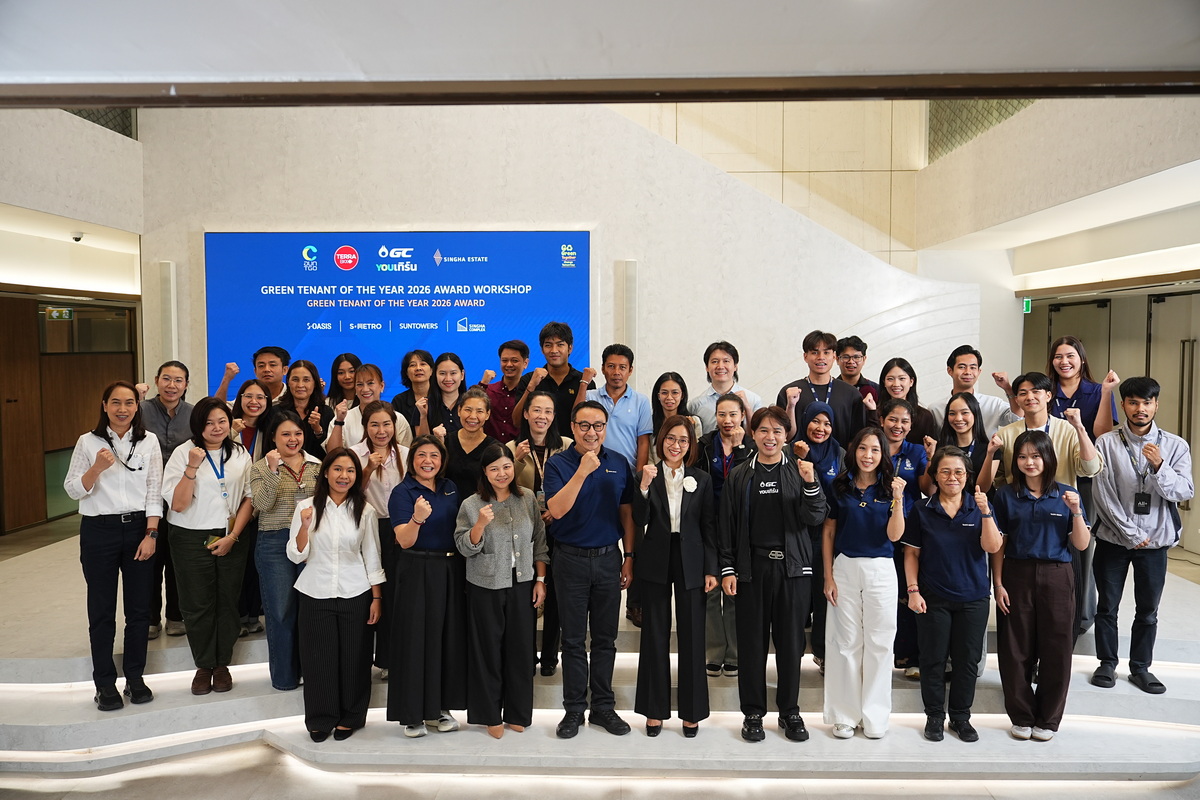
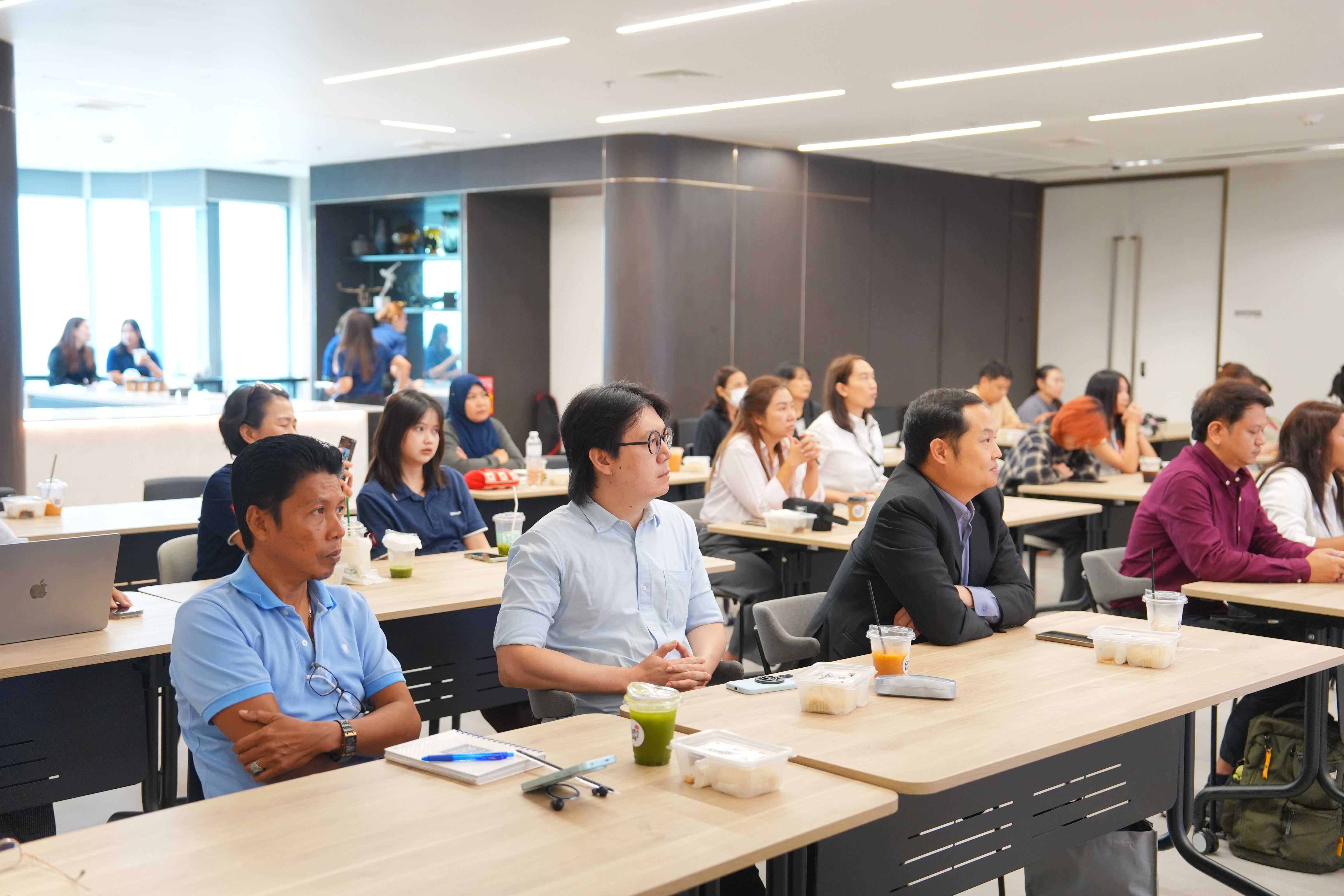
For this reason, Singha Estate has created various activities to prepare participating tenants, including a recent workshop for the Green Tenant of The Year 2026 Award, collaborating with government and private sectors such as TerraBKK, YOUturn, and TGO to unlock knowledge from organizational roles to actionable measures and results. The workshop was opened by Olar Waisutham, Director of Retail Business Development and Commerce at Singha Estate, and this year attracted interest from various tenant companies across multiple industries, including maritime transport, electronics manufacturing, energy, software development, as well as retail and food businesses. This reflects that the concept of a Green Workplace can start from organizations of various sizes and industries.
These initiatives reinforce that Singha Estate is ready to act as a bridge connecting collaboration among organizations, regardless of size, to create impactful change.
The Continuous Action Cycle
“In the new social rules transitioning towards a low-carbon era, businesses must adjust strategies to accommodate carbon tax measures and the Net Zero Emissions commitment by 2050, which has accelerated by 15 years. Creating this change requires collaboration from everyone in the organization to systematically drive the Green Action cycle,” said Sumitra Wongphakdee, Managing Director of Terra Media and Consulting Co., Ltd. (TerraBKK), who spoke on the topic “Green Action, Real Change: Every Action is a Power of Change.” She emphasized that moving towards green outcomes cannot be done alone but requires Green Collaboration.
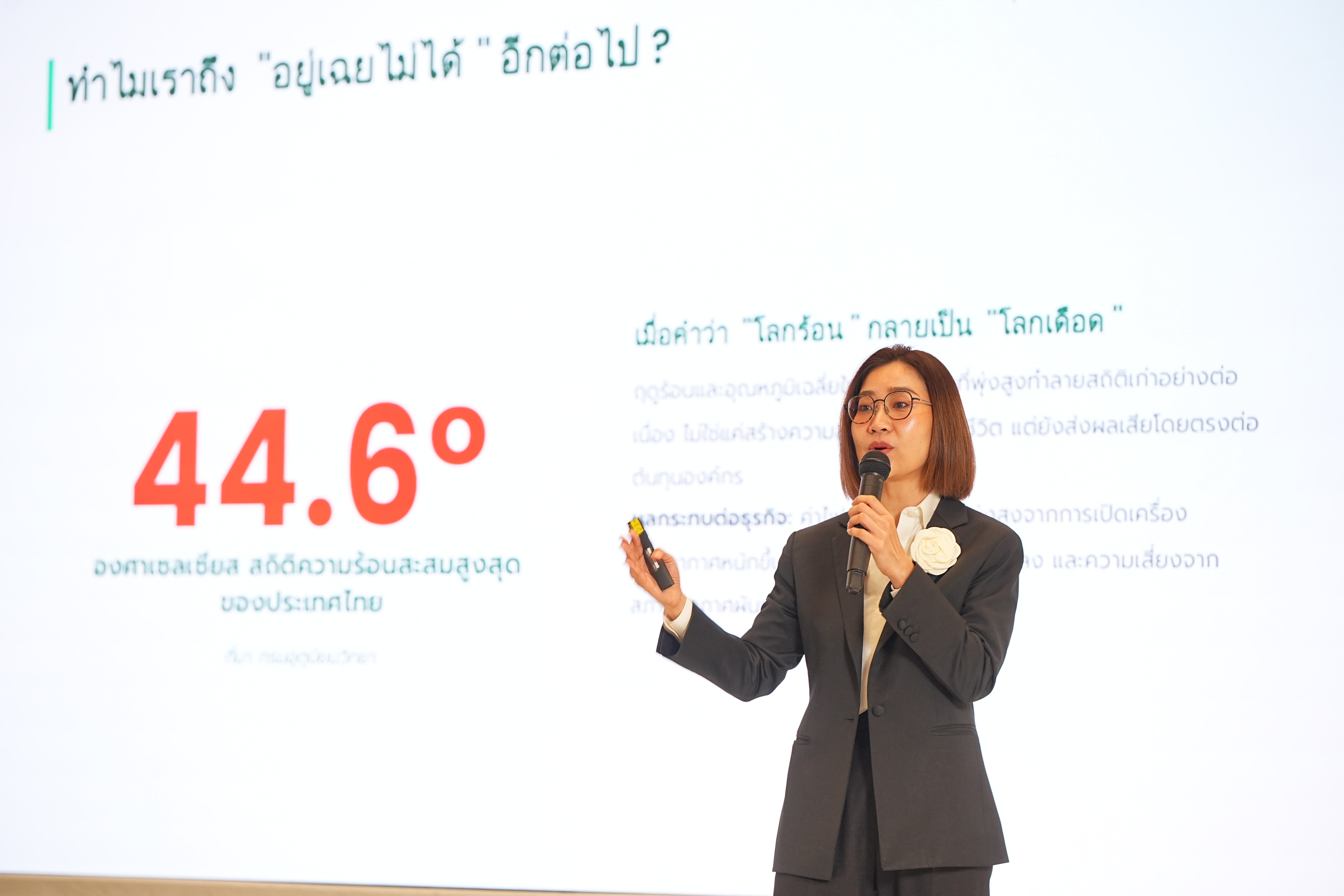
With the new policies and social rules already in place, environmental sustainability is no longer an optional activity but a condition and opportunity for tomorrow, responding to global commitments. Thailand has announced an accelerated target to achieve Net Zero Emissions from 2065 to 2050, along with new tax mechanisms such as carbon taxes and carbon pricing measures before crossing borders, which will become additional costs that businesses must bear.
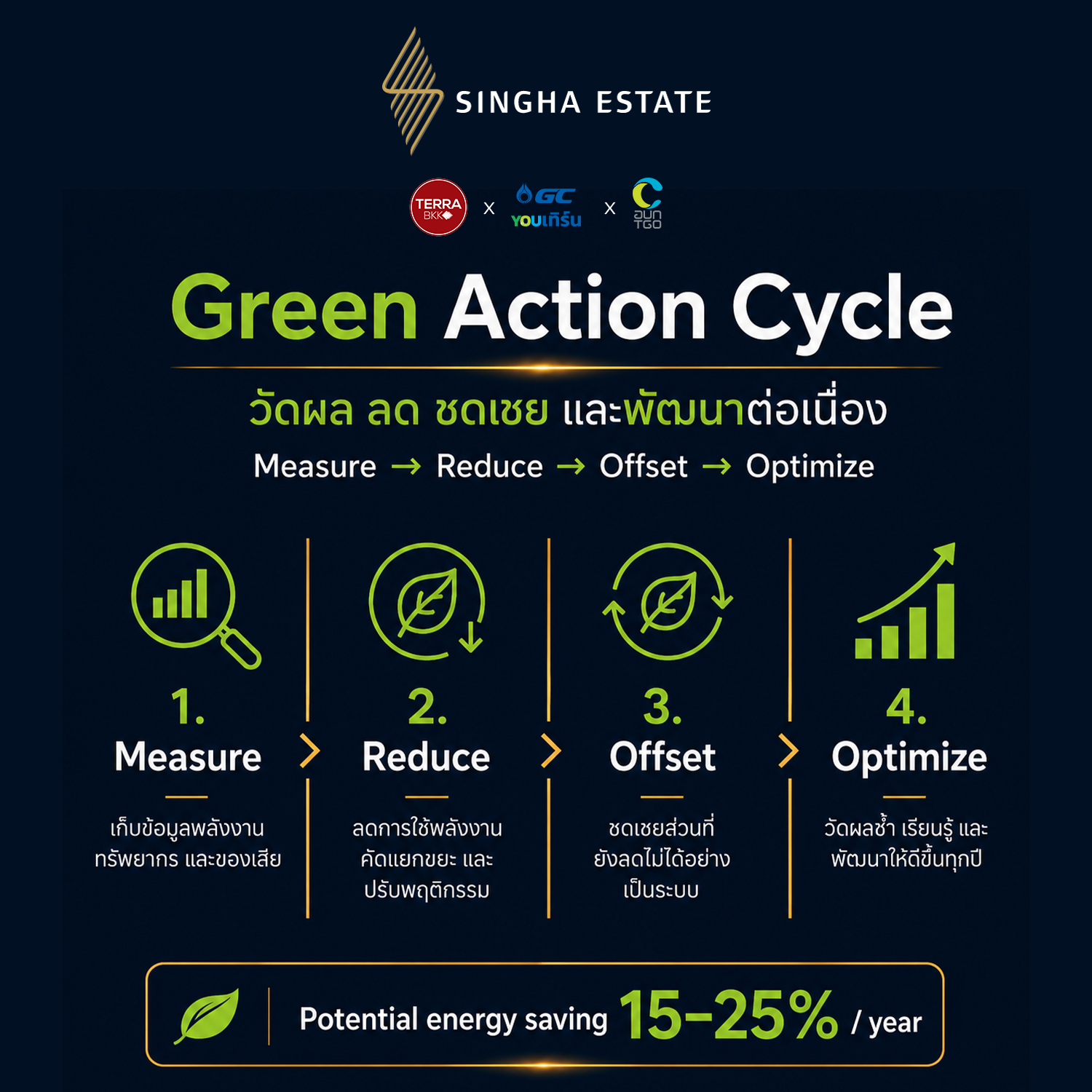
Organizations aiming for Net Zero Emissions should have clear strategies to achieve tangible results. Sumitra suggests that the key is understanding the Green Action cycle or the measurable process that involves planning, measuring, and continuously improving, all of which require collective efforts to be done consistently. The steps are:
Step 1: Every organization can start immediately by measuring and collecting raw data related to resource usage within the office to calculate the organization’s carbon footprint, providing a comprehensive view of where greenhouse gas emissions are highest within the office.
Step 2: Reduction involves setting energy-saving targets based on the gathered data, such as switching to energy-efficient bulbs, installing smart sensor systems for lights, and changing small behaviors among employees, like waste sorting from the source and proper food waste management. These simple measures have proven to reduce energy costs by 15-25% annually.
Step 3: For greenhouse gases that cannot be reduced due to any limitations, organizations can offset by purchasing certified carbon credits or participating in reforestation and tree-planting activities with communities.
Step 4: Continuous improvement involves learning from the results over the year and starting to plan anew to repeat with greater efficiency in the following year.
The Power of Collaboration Creates Change for the World
One fact is that this is a significant issue requiring a network and coordinated efforts from all sectors. The most crucial starting point must begin with every employee in the office, fostering a culture of environmental stewardship and instilling awareness to change daily behaviors, extending to partners and suppliers throughout the supply chain. This is because the majority of the carbon footprint in business often hides in procurement processes and product transportation within the ecosystem.
With the new social rules and current global trade, suppliers are now required to report carbon data. Organizations that are unprepared or neglect green activities may lose opportunities to participate in the business chain.
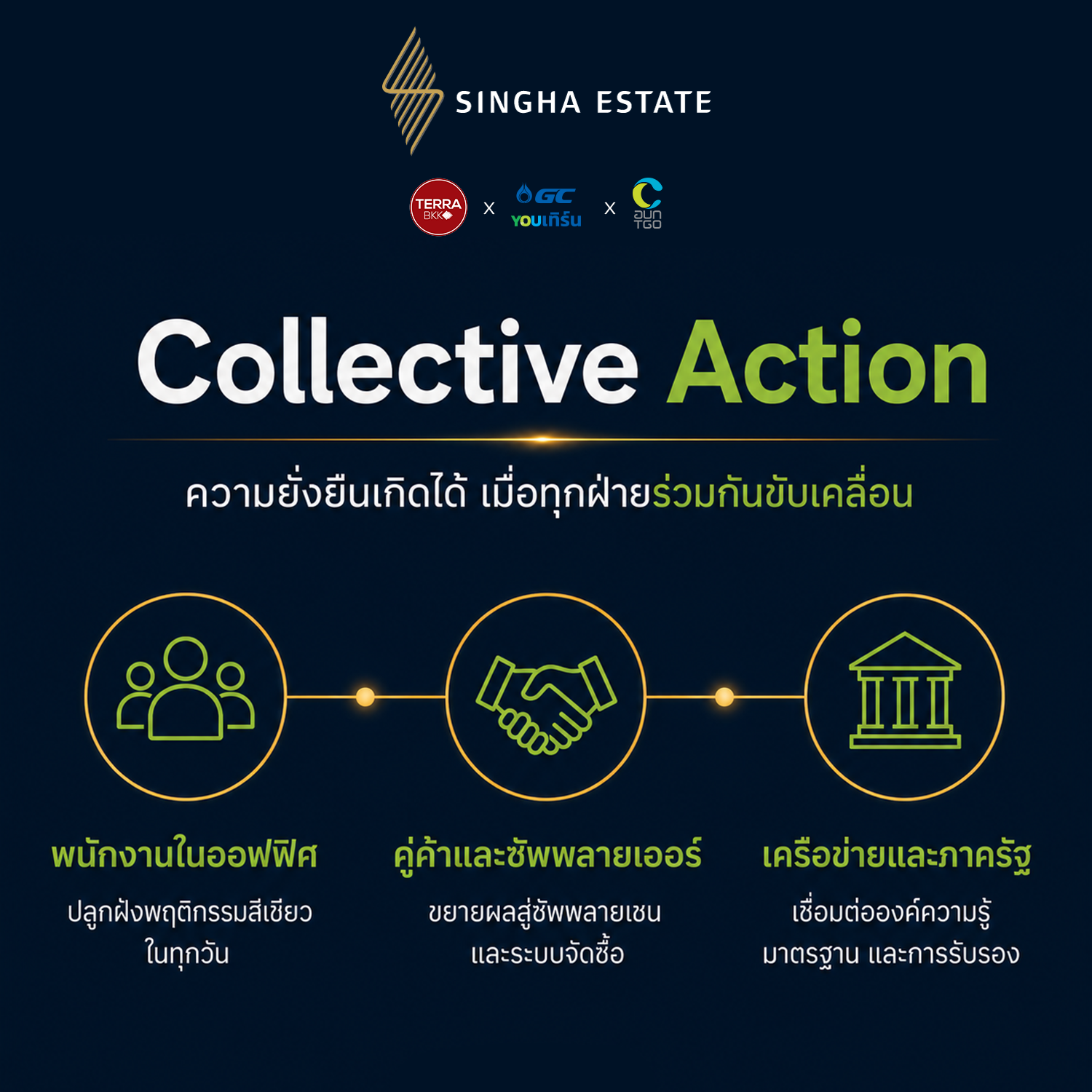
Transforming organizations to be environmentally friendly not only reduces legal risks but also opens doors to new business opportunities, enhancing their image among increasingly eco-conscious consumers and allowing organizations to access funding sources with favorable interest rates, such as green loans or sustainability bonds more easily.
Driving the Circular Economy Towards Sustainability
From understanding the roles of organizations and building users in driving environmental efforts, we move to actual implementation through the Circular Economy approach. This topic featured expert Phakphum Pitakthanangoon, Division Manager: Integrated Marketing Communication and Circular Management at PTT Global Chemical Public Company Limited from YOUturn, who shared insights on “End-to-End Plastic Waste Management: Driving the Circular Economy Towards Sustainability,” illustrating the management of plastic waste from source to end through the YOUturn platform, which plays a role in managing plastic alongside Singha Estate’s office buildings.
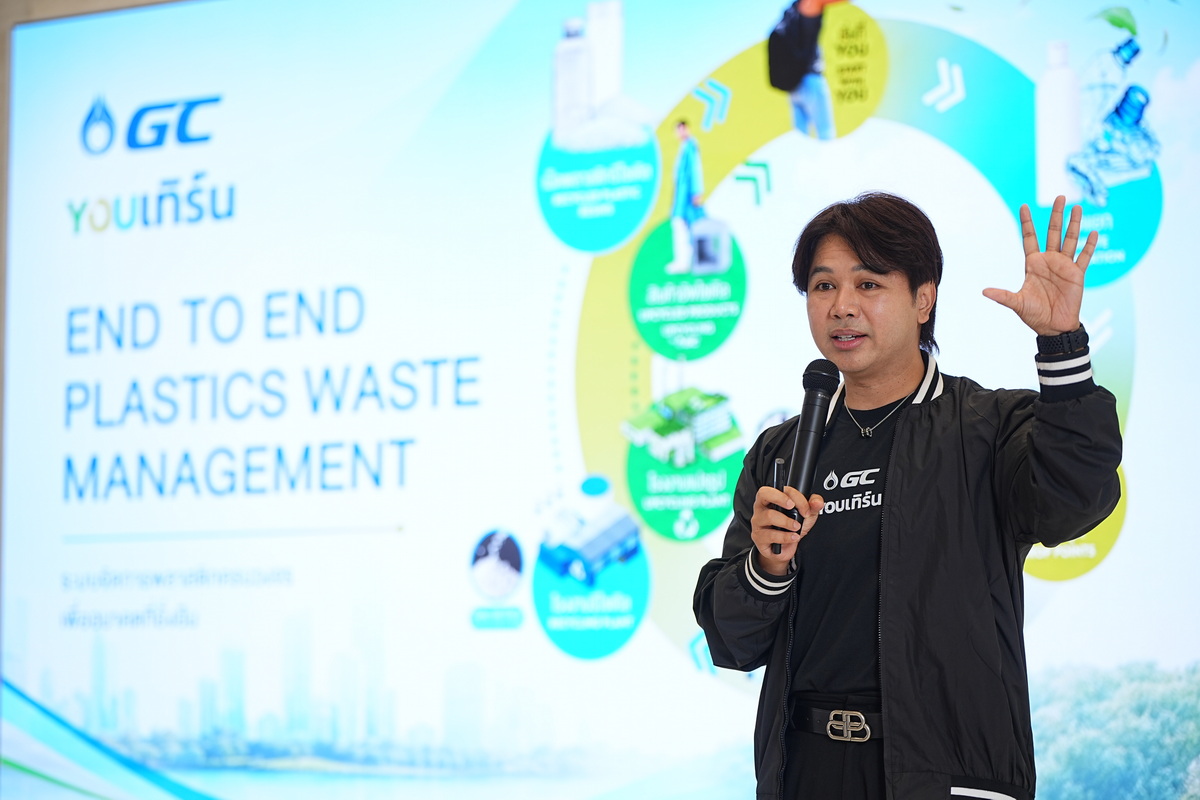
“Modern marketing is no longer limited to just products or services; the value of an organization’s sustainability has become a business metric,” shared Phakphum.
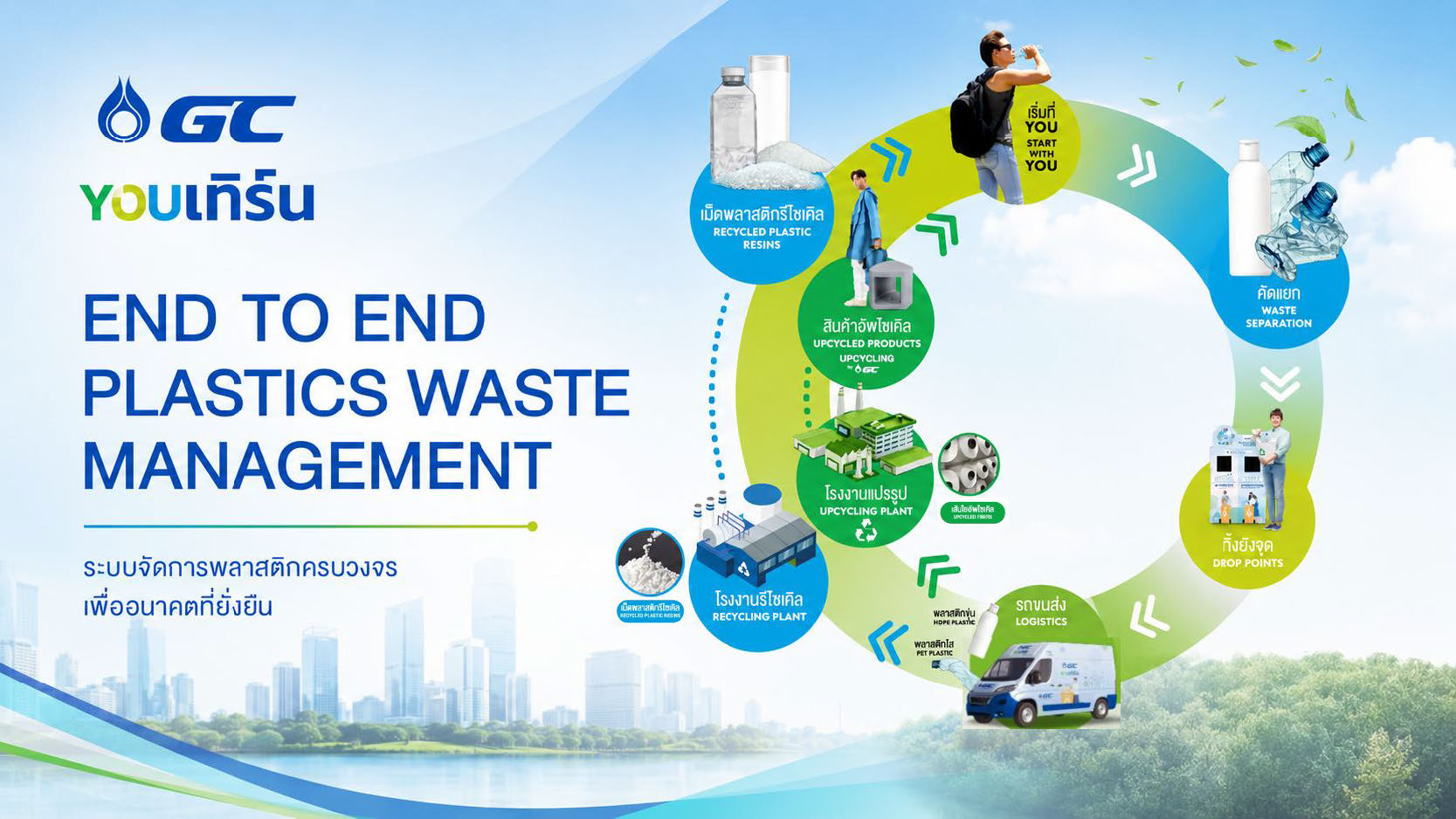
Image credit: YOUturn
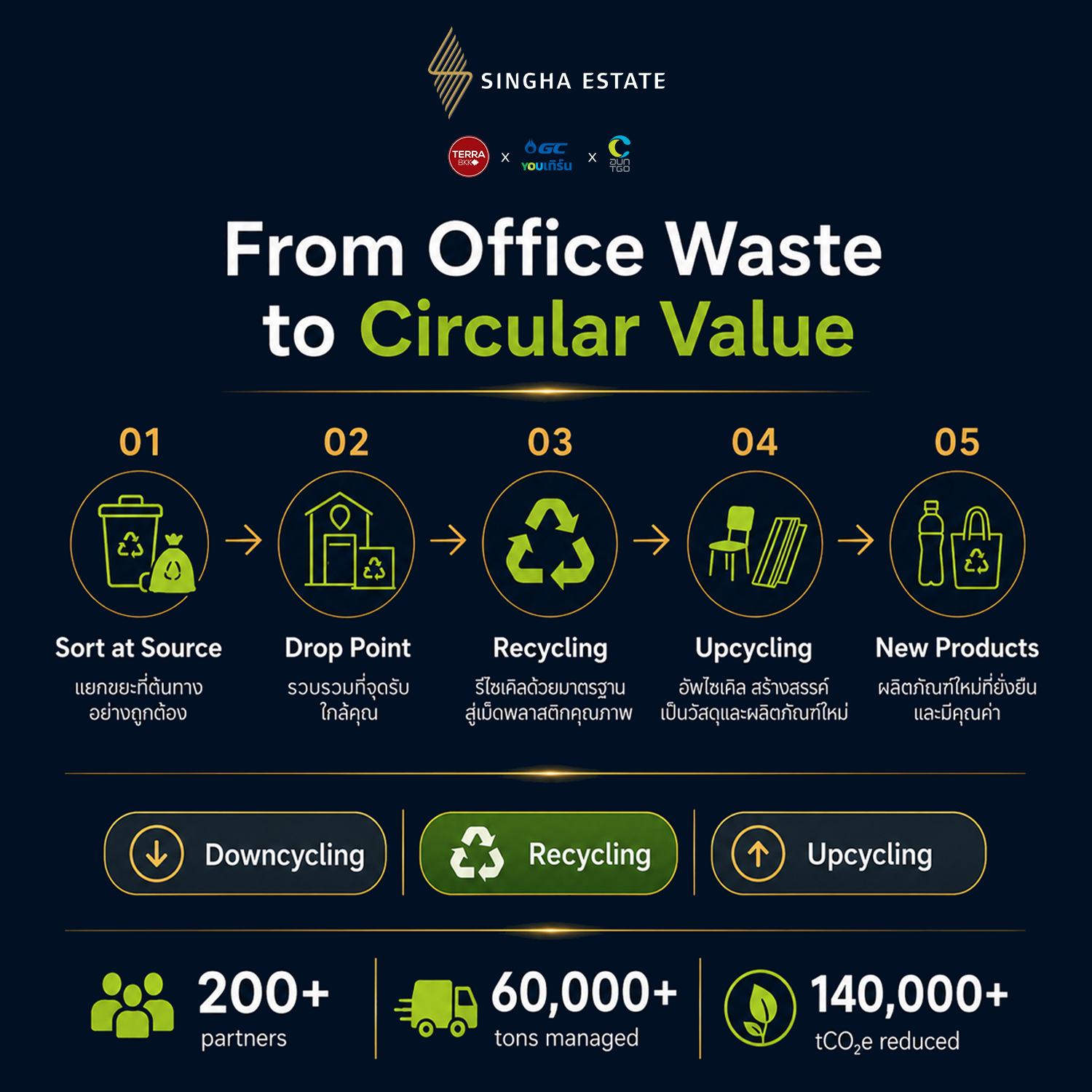
The End-to-End Plastic Waste Management approach is a viable option for environmental activities, where the first End refers to the source, meaning that every organization and agency must share responsibility, while the second End refers to the end product. Three key concepts are:
1. Downcycling (lower quality recycling, e.g., turning into black garbage bags).
2. Recycling (returning to original materials).
3. Upcycling (enhancing waste to increase quality and value, e.g., making furniture).
Phakphum explained how small collaborative actions from everyone can create change, using the relatable example of a small drinking water bottle, which actually consists of three main types of plastic: the bottle made of PET plastic, the cap made of HDPE plastic, and the label. When consumers or office employees help separate these components from the source, it significantly reduces recycling process costs, allowing raw materials to enter the process at a lower cost and enhancing the country’s competitiveness, similar to developed nations like Japan or Europe, which have effective management and education for their populations.
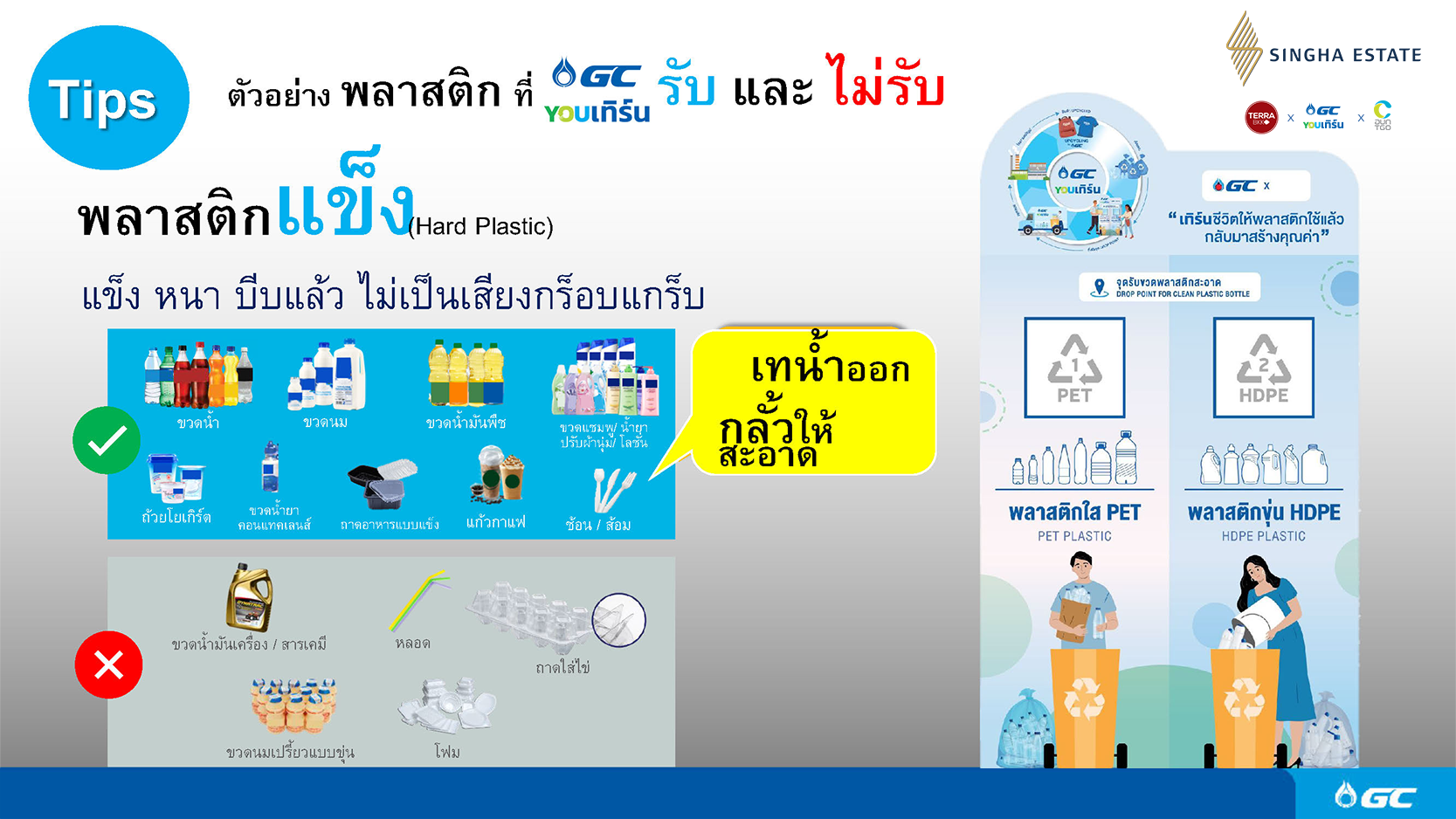
Image credit: YOUturn
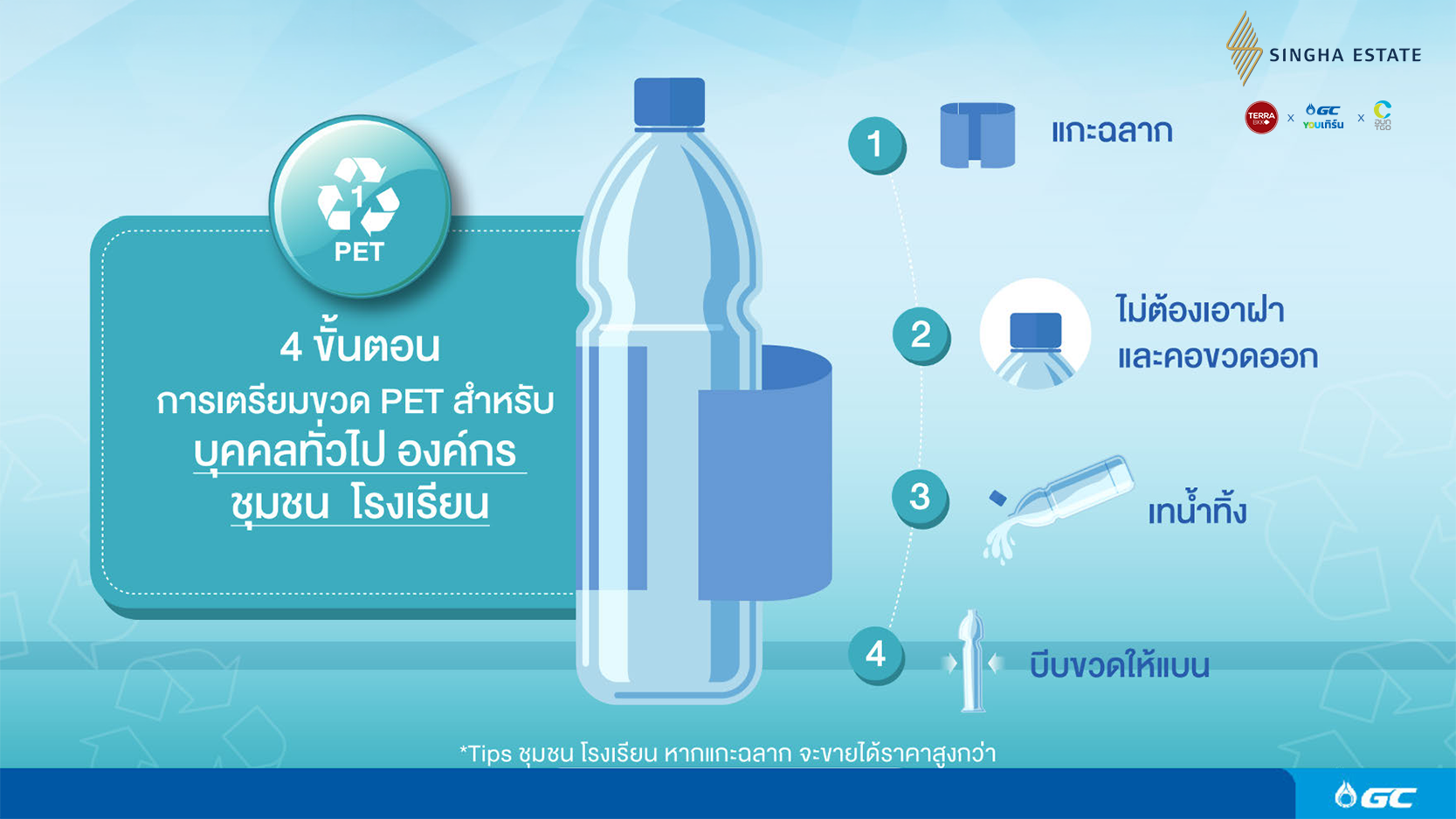
Image credit: YOUturn
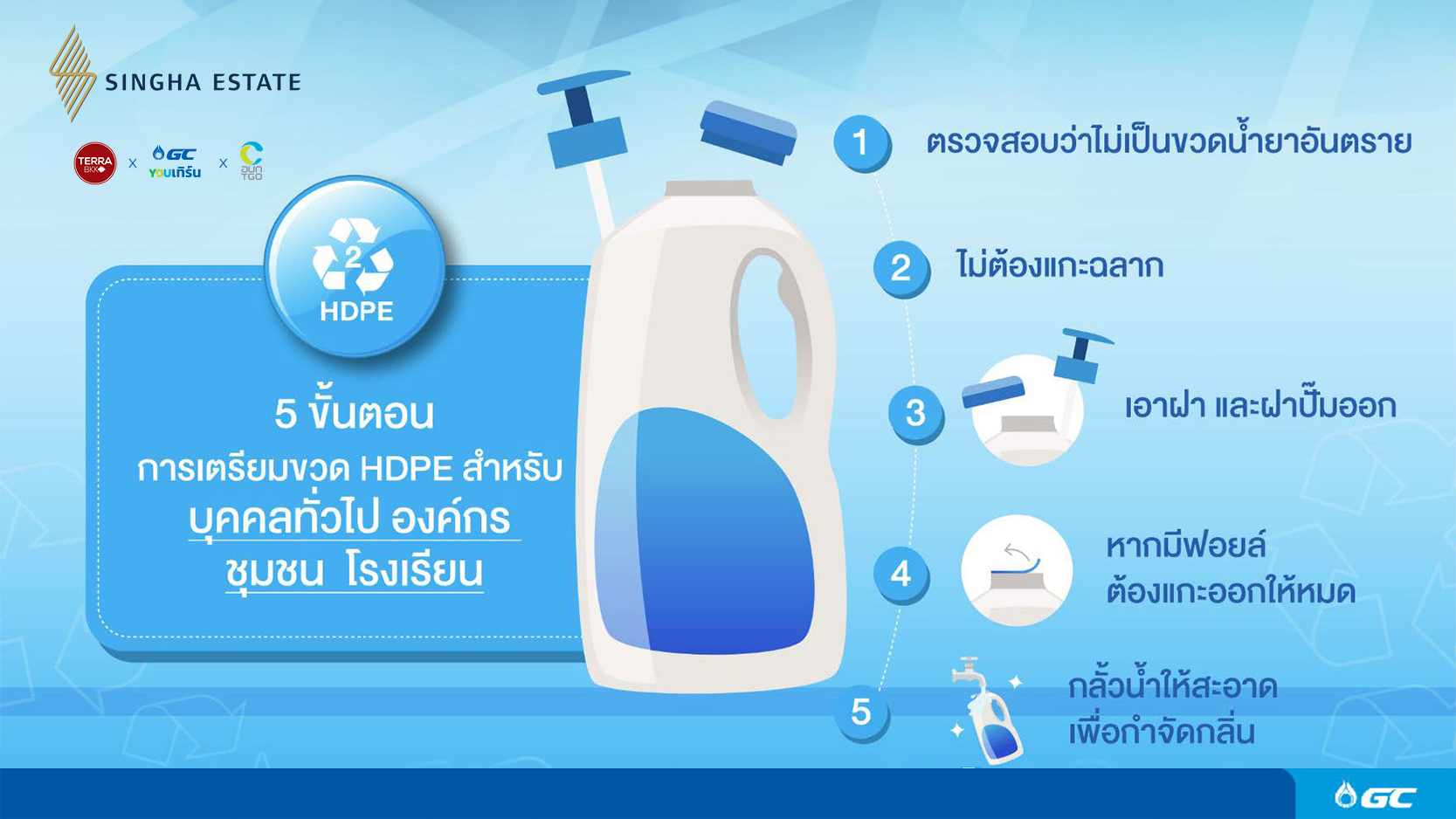
Image credit: YOUturn
Thus, environmental issues are not merely about awareness but about tangible actions, supported by strict legal measures, especially mechanisms known as EPR (Extended Producer Responsibility), which are already enforced in Europe and are set to be implemented in Thailand.
The essence of this law is to require brand owners of products and packaging, including glass, paper, aluminum, and plastic, to be responsible for collecting used packaging back into the system. If products are released into the market and cannot be collected back according to the specified ratio, the amount of lost waste will incur fines, becoming an additional financial burden for businesses.
Therefore, adjusting business models, designing packaging that uses fewer materials, or establishing a circular economy system for waste collection should be initiated immediately.
From Small Steps in the Office to Upcycling Innovations
“Environmental issues in Thailand are still severe. If everyone has the opportunity to visit a landfill, they will find that most still rely on landfilling due to low costs. However, this method causes massive pollution, and Thailand's marine waste problem has ranked among the worst in the world. The Circular Economy concept can help address this by finding new materials to reduce costs and changing behaviors through small steps in the office, which will be a crucial piece of the puzzle to instill pride in employees and help organizations achieve environmental goals,” Phakphum stated.
For this reason, GC has developed an intelligent waste management platform named "YOUturn" to serve as a clean plastic waste drop-off point, focusing on two main types of plastic: hard plastics (such as PET drinking bottles) and flexible plastics (such as plastic bags or HDPE milk bottles) to enter a systematic waste management process. These will be sent to ENVICCO, the first recycling plant in Thailand certified for safety standards by the Thai FDA and the US FDA and Europe, producing food-grade recycled plastic pellets, allowing plastic waste to be safely turned back into new packaging.
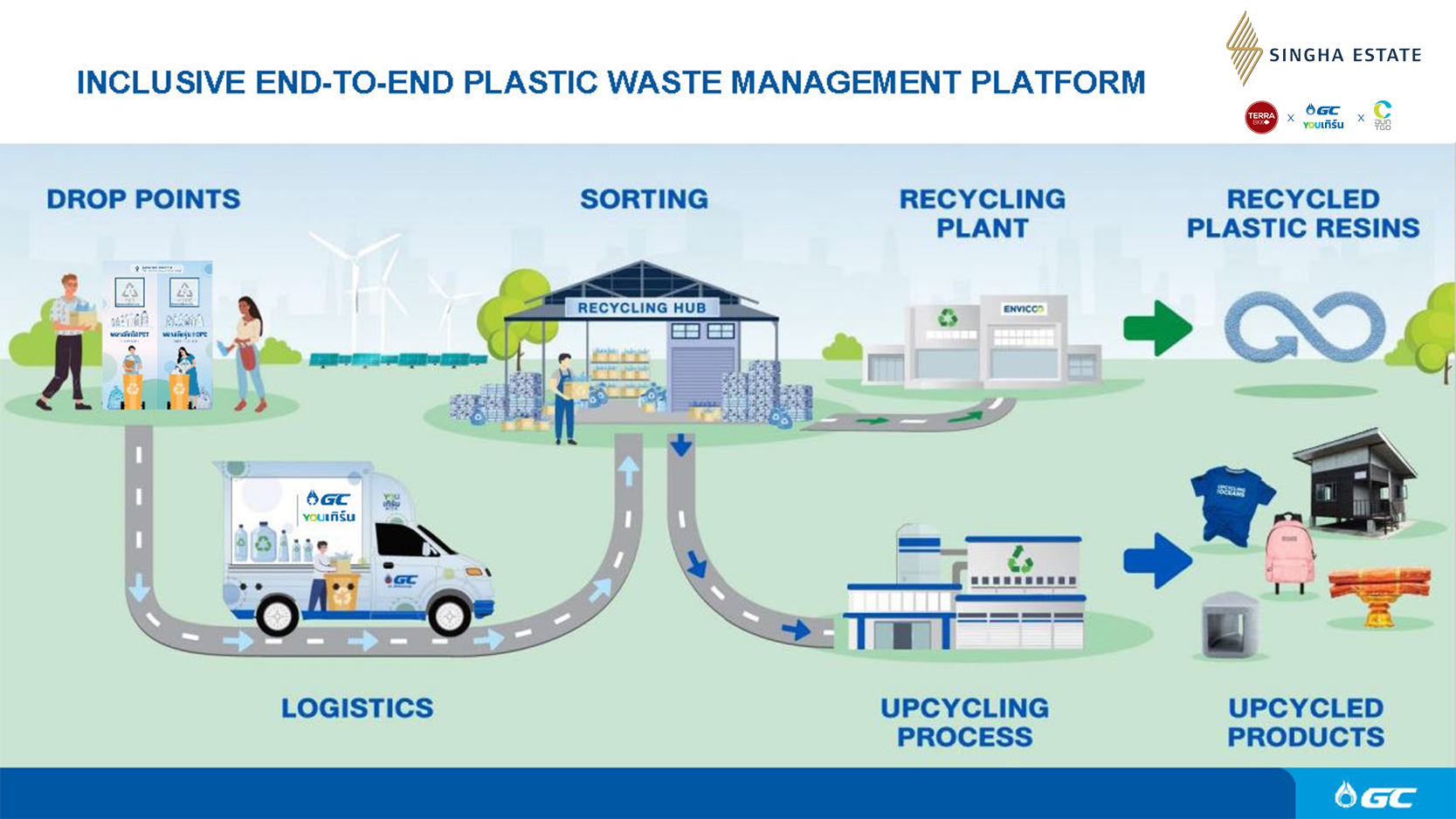
Image credit: YOUturn
Additionally, downgraded plastic waste can enter the upcycling process, transforming into high-quality textile fibers, producing clothing, bags, fashion items, and various souvenirs.
Currently, the YOUturn project has over 200 partners from various industries, including real estate, hospitals, educational institutions, factories, and government agencies, managing over 60,000 tons of waste and reducing carbon emissions by over 140,000 tons of CO2 equivalent. Numerous collaborative models have been developed, such as the bottle separation project to aid doctors during COVID, producing upcycled reflective vests from 100% plastic bottles for Bangkok's waste collectors, and organizing waste separation competitions in universities and industrial estates.
All of this demonstrates that starting from small actions like waste separation that employees can do daily can be a significant step in driving organizations and Thailand towards a low-carbon society. For more details on YOUturn, visit https://sustainability.pttgcgroup.com/en/projects/8/youturn-turning-plastic-waste-into-valuable-products.
Equipping Knowledge with Measurable First Steps
For businesses or office tenants looking to start reducing greenhouse gas emissions, concerns about data complexity and operational costs often arise. The Greenhouse Gas Management Organization (Public Organization) or TGO plays a role in developing measurement tools and support mechanisms that meet these needs under the LESS (Low Emission Support Scheme) project.
This project aims to promote greenhouse gas reduction activities at the grassroots level, such as office buildings, schools, temples, or communities, by recognizing those who contribute positively to the environment through certificates, allowing participants to gain official recognition from society and government agencies.
“The main goal of the LESS project is to provide all sectors with easy and cost-free tools for measuring and raising awareness of participation in reducing greenhouse gases. Starting with small actions like systematically collecting data and weighing recyclable waste in the office today lays the essential foundation for tangible reporting in the future,” said Jittima Boonkerd, Senior Specialist at TGO.
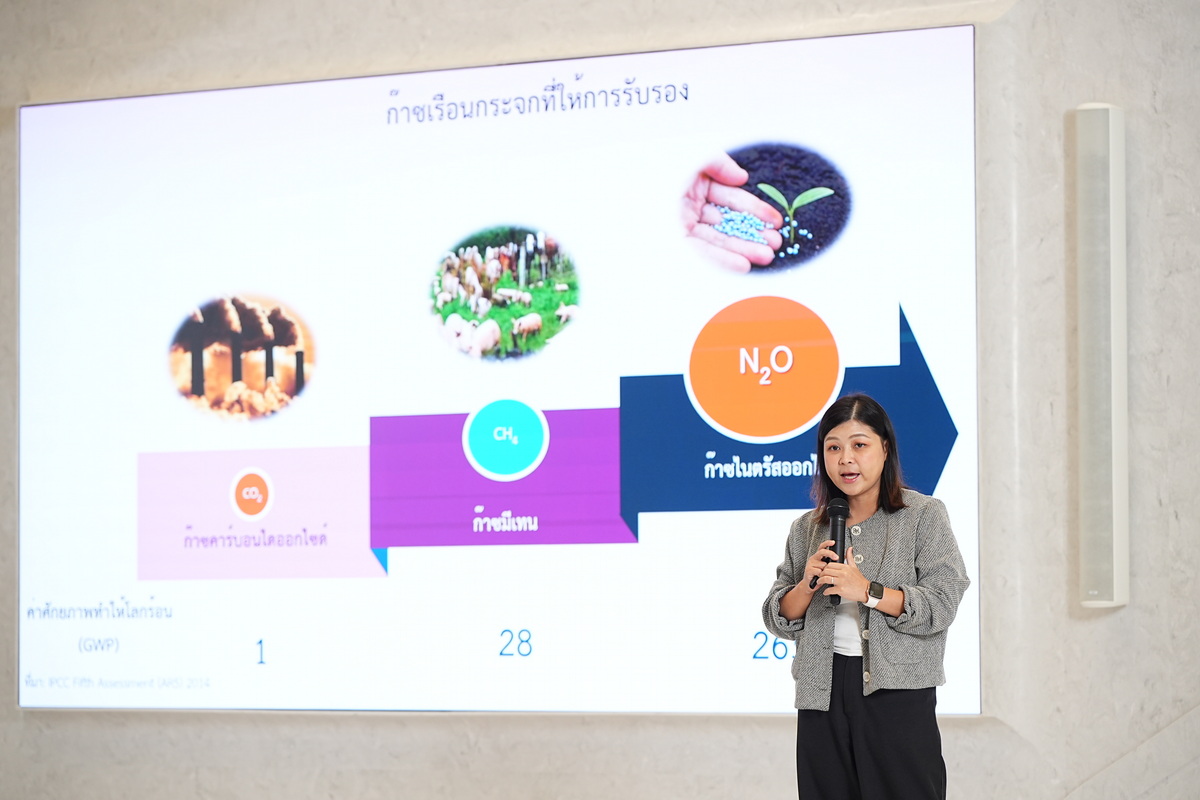
The LESS model from TGO has created a simple greenhouse gas reduction calculation form to record data and quickly calculate results in kilograms of CO2 equivalent, with no costs for hiring external evaluators, as TGO staff directly analyze and verify the data. All organizations can use this certificate in their business reports credibly.
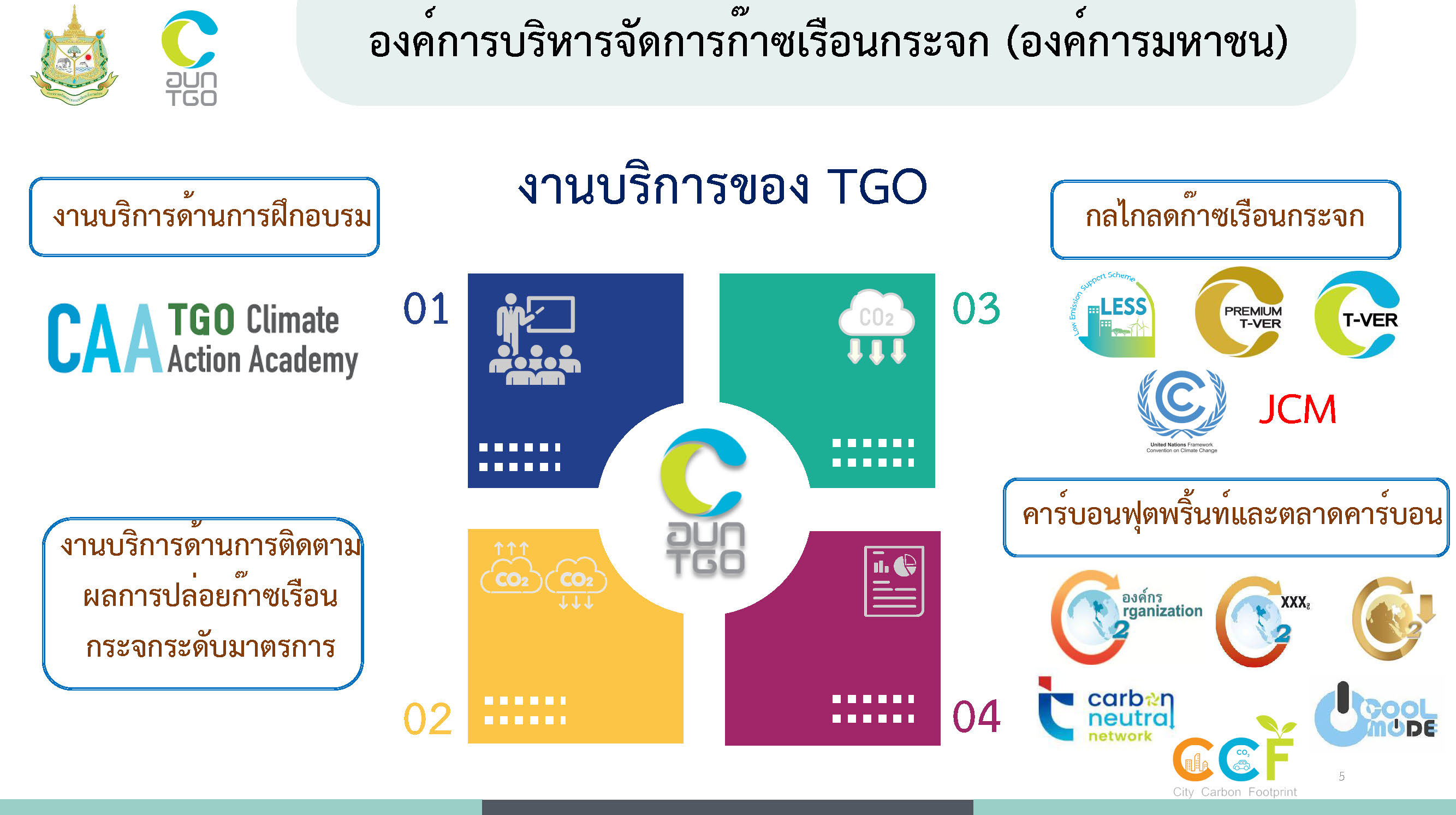
Image credit: TGO
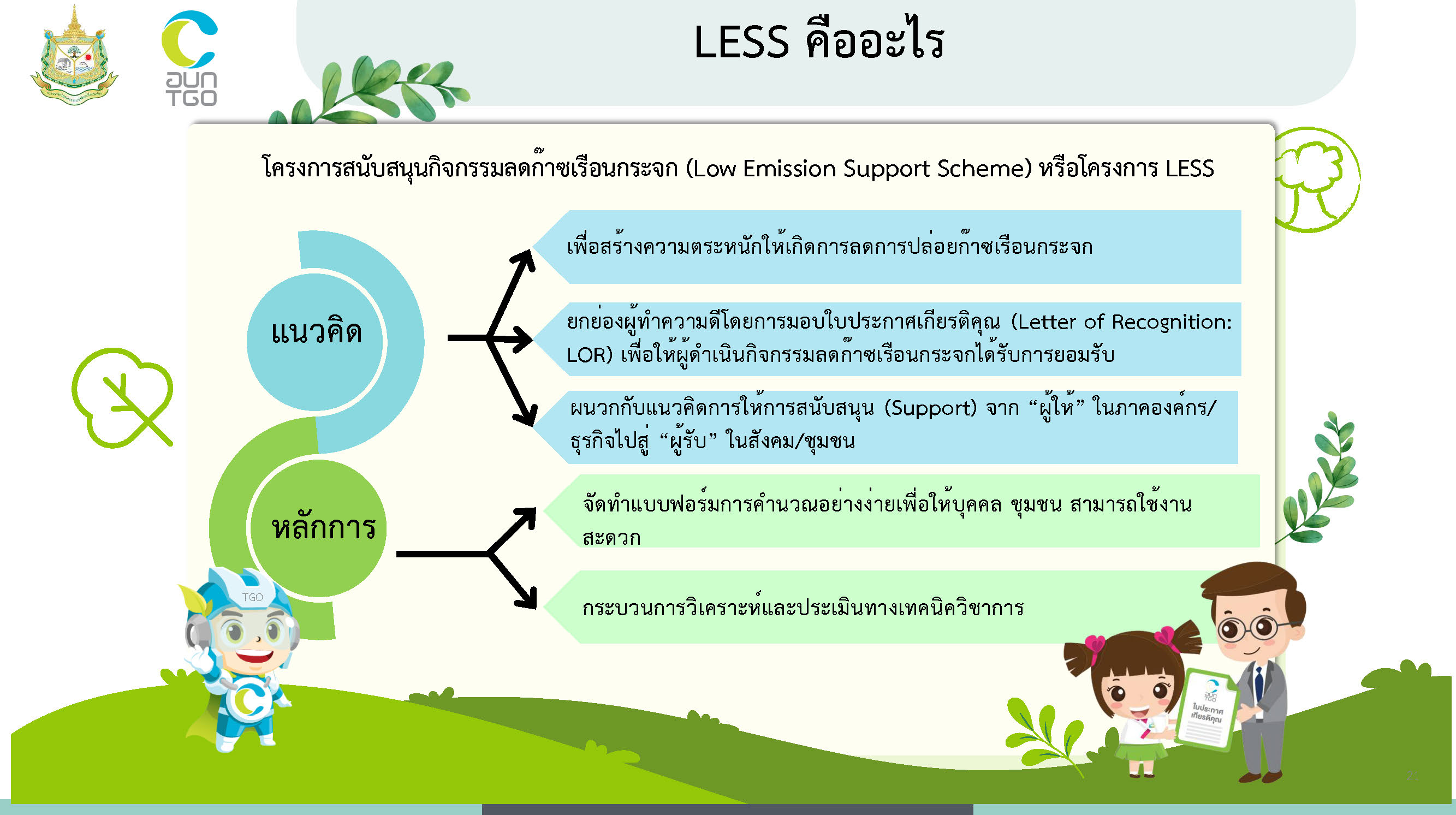
Image credit: TGO
“The LESS project is a voluntary initiative focusing on assessing and certifying greenhouse gas reductions at the grassroots level. The evaluation results cannot be used to buy or sell carbon credits, but it helps organizations practice readiness, learn the system, methods of data collection, and accurate carbon calculation. It serves as the first step to prepare organizations for future greenhouse gas reduction projects at international standards that are more complex,” Jittima from TGO added.
The scope of activities eligible for certification under the LESS project is diverse and covers daily office activities, divided into four main activity groups:
1. Energy projects, such as switching to energy-saving bulbs, installing high-efficiency air conditioning systems, or reducing electricity consumption in offices.
2. Waste management projects, which are among the easiest and most popular activities in office buildings.
3. Transportation projects, such as switching to electric vehicles.
4. Agriculture and forestry projects, such as planting trees to sequester carbon.
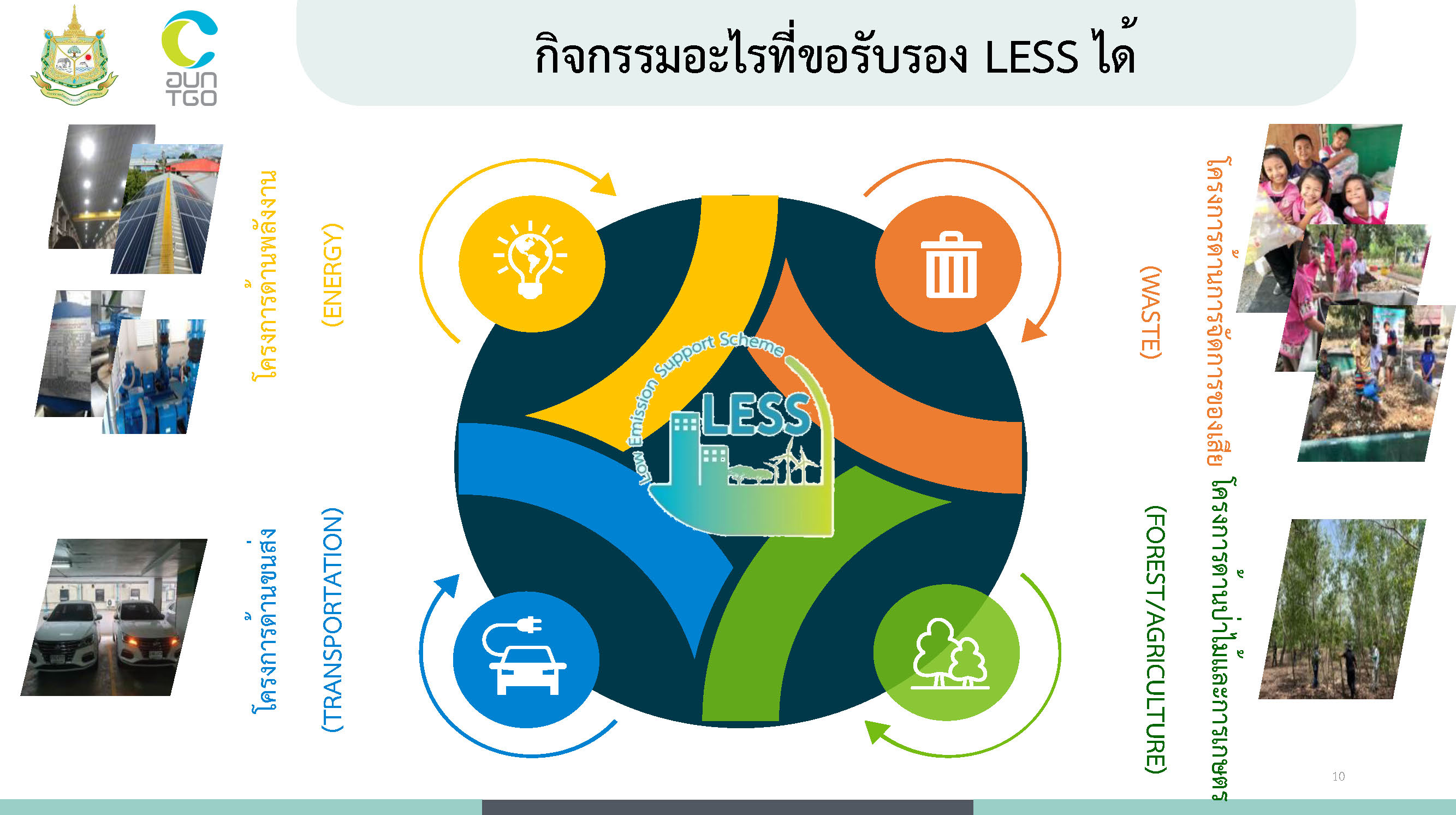 Image credit: TGO
For more details, visit https://www.tgo.or.th/ and the LESS project or the greenhouse gas reduction calculation documents at https://ghgreduction.tgo.or.th/th/.
All the steps mentioned above confirm that every action, no matter how small, is a significant step towards creating substantial change for the world in the long term.