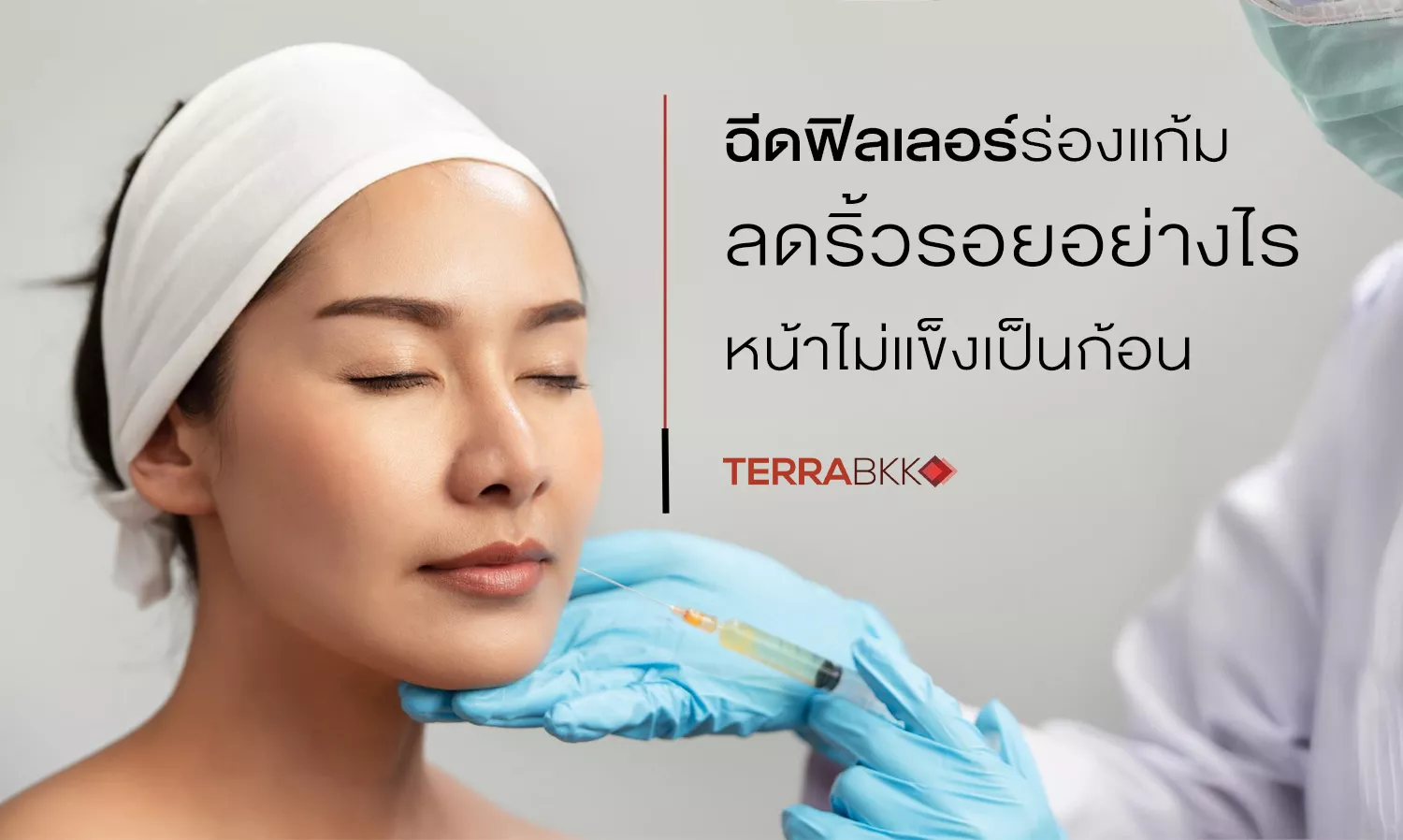
How to Inject Fillers for Smile Lines to Reduce Wrinkles Without Making Your Face Look Stiff
One of the top concerns for those wanting to say goodbye to deep smile lines is the common perception that filling them will make the face look puffy, stiff when smiling, or worse, create noticeable lumps. The stiff, lumpy appearance after injecting fillers for smile lines to reduce wrinkles is not just bad luck; it often stems from small details in the treatment process that many may not be aware of.
If you want to look younger without anyone noticing, here are some secrets you need to know and understand before stepping into a beauty clinic.

- Choose a Softness That Mimics Real Skin
Fillers come in various formulations, each with different levels of firmness. Smile lines are areas that are constantly moving, whether when speaking, smiling, or laughing. If a filler that is too firm is used, the gel will not blend with the muscles during facial movements, causing the skin to bulge into lumps. Selecting a gel with high elasticity and a soft, smooth texture is crucial for achieving the most natural-looking smile.
- The Depth of Injection Matters Significantly
Lumps often occur from injecting fillers for smile lines too superficially or too close to the upper layer of skin. The correct technique for managing smile lines to appear soft is to inject into a deeper skin layer to support the sunken structure, and then lightly address the finer surface wrinkles with a minimal amount. Proper distribution within the skin layer will result in a smooth appearance without noticeable waves.
- The Mantra: Less is More
A common mistake is the desire to completely eliminate smile lines after injecting fillers, leading to excessive amounts being injected. When too much foreign substance accumulates in one area, smiling can cause the filler to bulge out clearly. Gradually adding small amounts to assess the right balance or allowing for faint lines to remain when moving the face will help maintain a more natural look than overfilling.
- Avoid Repeatedly Injecting Over the Same Area in a Short Time
Some people are impatient and feel that their smile lines are still too prominent, prompting them to rush back for additional filler injections before the previous ones have fully dissolved. This can lead to the filler accumulating and clumping together, forming hard lumps beneath the skin. It is essential to allow the filler to settle and integrate with the tissue naturally before considering further adjustments. If additional work is needed, consult a professional for an appropriate follow-up schedule.
Eliminating deep smile lines with fillers does not have to result in a stiff and unnatural appearance. By understanding how these substances work and discussing various techniques with your provider before making a decision, you can wake up with a bright, youthful face while still retaining your unique smile.