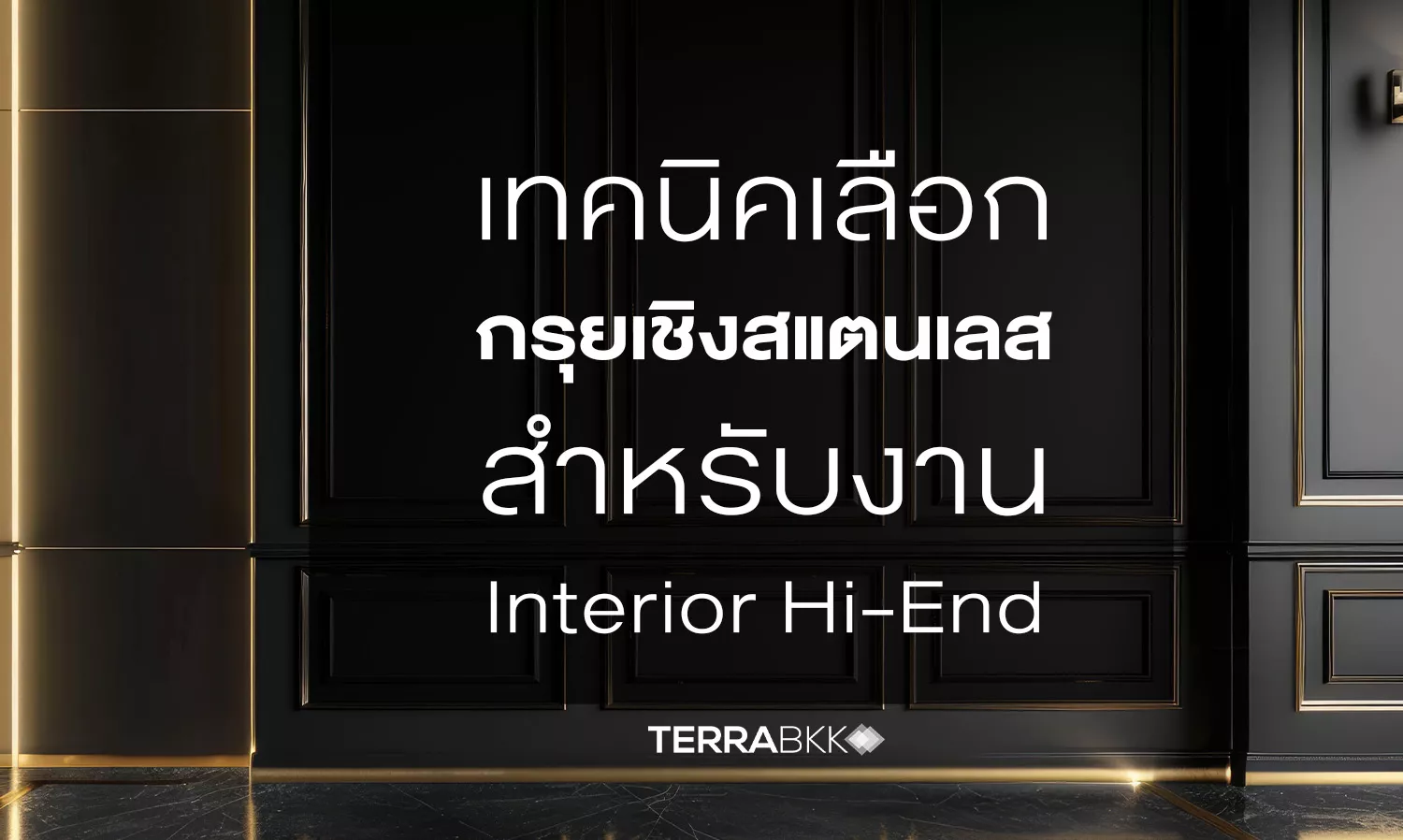
Techniques for Choosing Stainless Steel Trims for High-End Interior Work
Small details on walls or joints of materials are the decisive points that determine whether a design looks "expensive" or "ordinary." For architects and designers responsible for luxury projects, allowing mere grout lines between marble slabs or wall cladding materials may no longer meet the standards of engineering aesthetics. Incorporating stainless steel trims into the design is not just about finishing work; it’s about creating sharp visual rhythms and reflecting taste through durable, reflective materials.
1. Choosing Material Grade and PVD Coating Process
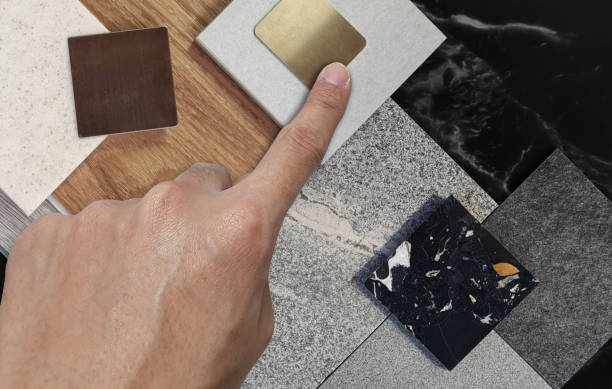
In professional settings, the biggest concern is the discoloration or rusting of stainless steel after just a few years of use. Specifically selecting stainless steel trim of grade 304 (SUS304) is the minimum standard that cannot be overlooked. However, it is essential to delve deeper into the coloring process. If it’s a standard paint job, it can easily peel off upon impact.
The suitable choice for premium interior work is the PVD Coating (Physical Vapor Deposition) technology, which applies color at the molecular level under vacuum conditions. This allows colors like Rose Gold, Gold, or Champagne Gold to bond seamlessly with the stainless steel, providing a consistent shine that does not peel off even with vigorous cleaning or exposure to chemicals in surface cleaners.
2. Dimensions of Shape and V-Cut Technique for Millimeter-Level Sharpness
The distinguishing factor that separates standard market-grade stainless steel trims from custom-made high-grade ones is the "sharpness" of the folded corners. Typical stainless steel folding has a rounded corner radius, which can appear less refined in designs emphasizing sharpness, such as Modern Minimalist.
Choosing trims that undergo the V-Cut process or groove cutting before folding results in corners that are nearly 90 degrees sharp. This ensures that the junction between the stainless steel and stone or wood panels is tightly and neatly aligned. Additionally, the available shapes of trims, including U-Shape, T-Shape, and Flat-Shape, allow designers to choose freely based on the material junctions, whether embedding them into stone grooves or finishing wall edges for added dimension.
3. Calculating Shrinkage and Choosing Industrial-Grade Adhesives
A crucial aspect often overlooked during the installation of stainless steel trims is the difference in thermal expansion coefficients between stainless steel and structural materials like concrete or wood. Skilled installers know that when installing trims that extend several meters, it is necessary to allow appropriate spacing to prevent warping.
Moreover, using high-grade "nail glue" or "polyurethane (PU) glue" that does not corrode the stainless steel surface is a strict requirement on-site. Some cheap silicone adhesives contain acids that can react with the back surface of the stainless steel trim, leading to unsightly stains that extend to the front of the installation. Paying attention to these technical details helps maintain the beauty of stainless steel lines alongside the building for a long time without needing later corrections.
Thus, choosing stainless steel trims for high-end interior decoration is akin to selecting jewelry for a building, emphasizing the quality of the material, processing techniques, and installation precision to transform ordinary spaces into tangible works of art.