Urban Architect Nopadol Thamwivat and the Revolution of Affordable Housing in Saraburi's DNA
The development of sustainable real estate does not begin with house designs but starts with a deep understanding of the "city." This concept reflects the identity of Nopadol Thamwivat, CEO of Northland Development Co., Ltd. and Northland Experience, who has been a prominent figure in the real estate industry in Saraburi for over 30 years and is now fully stepping into the competitive market of Bangkok.
The inception of Northland dates back to 1992, with continuous project development in Saraburi since 1995. Over three decades, the company has developed more than 27 projects, encompassing both housing estates and commercial projects, reflecting a profound understanding of cost structures, purchasing power, and the context of provincial cities.
As a former president of the Saraburi Chamber of Commerce, Nopadol does not view the business merely as a dimension of home sales but drives the concept of “Saraburi City Development” to lay the foundation for urban development alongside business growth. He once stated, “Saraburi is my home, and it was one of the first provinces to announce a comprehensive city plan, which was quite challenging.” This statement reflects his perspective of the city as an economic system, infrastructure, and quality of life that must progress together.
One of the key strategies is the Food Valley concept, pushing the areas of Mueang and Kaeng Khoi over 5,000 rai into a high-value food processing industrial zone to build upon the province's existing agricultural base, alongside the development of a Smart City infrastructure, including a Smart E-Bus system and a vehicle tracking application to enhance urban mobility. This approach is set to be the New S-Curve for Saraburi in the long term.
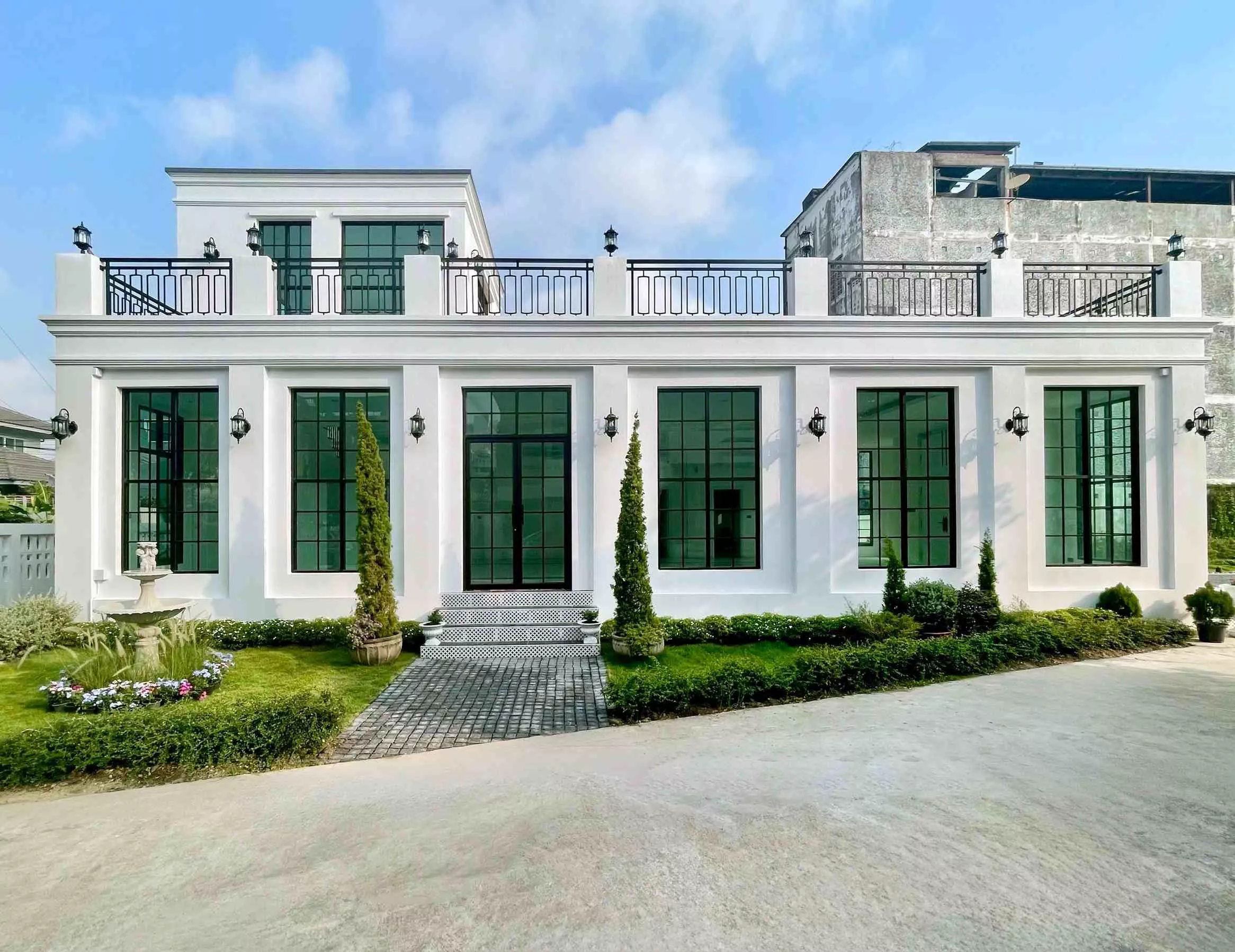
After 2011, when the city plan reallocated some industrial areas to green zones, many operators had to adapt to the clean industry concept. The housing market slowed down over the past three years due to economic conditions, but Northland maintained its market share, particularly in the segment of homes priced at 5 million baht and above. The “Cabana Phahol-Sports Complex” project is a clear example, with homes accommodating up to four cars, aligning with the behavior of extended families. In comparison, similar specifications in Bangkok may require a budget exceeding 10 million baht.
In another dimension, land prices near the high-speed train line in Saraburi have risen from about 2 million baht per rai to 10 million baht, reflecting significant growth predictions for the city in the future.
The experience from 27 projects in Saraburi has been translated into the Affordable Housing strategy in Bangkok, leveraging cost control advantages and an in-house construction team. Northland launched the BEAT brand in Bang Wa and Sukhumvit, followed by the upper-tier ATTALUCK project, and most recently, BEAT Pop Ratchada-Kaset, a condominium starting at 1.29 million baht, averaging about 70,000–79,000 baht per square meter, targeting students, state enterprise personnel, hospital staff, and investors expecting returns of 5.2–6.5% per year.
A key highlight of the project is Building C, developed as Pet Friendly to cater to the growing trend of pet ownership among the new urban generation.
In the near future, the company is studying land development in the Bang Chak and Udom Suk areas, while in Saraburi, it will expand into recurring revenue businesses such as hotels and apartments to support the growth of industrial estates and quality labor moving in.
“Regardless of the large capital entering the competition, with our unique design style and a true understanding of customer insights, I believe we will create spaces that customers will be proud to own,” Nopadol concluded.
In a highly competitive real estate market, the definition of Affordable Housing is not just about accessible prices but also about value that aligns with the cost of living and designs that genuinely understand the city. This is the DNA of Saraburi that is being systematically transferred to the Bangkok arena.