Sustainable Human Investment Towards the Wellness Hospitality Revolution for the Global Market
As the world faces numerous unexpected crises, humanity is returning to the essence of life and the quality of living. True wealth is not defined solely by financial asset values but also includes "health capital" that is invaluable. This transition has driven a Wellness-Centric revolution across all industries, including those related to housing and services.
Thailand stands out globally in medicine, healthcare, and unique services, providing a strong foundation to become a Wellness Hub on a global scale. However, the more pressing question is finding practical answers to "how can we elevate and expand these capabilities further?"
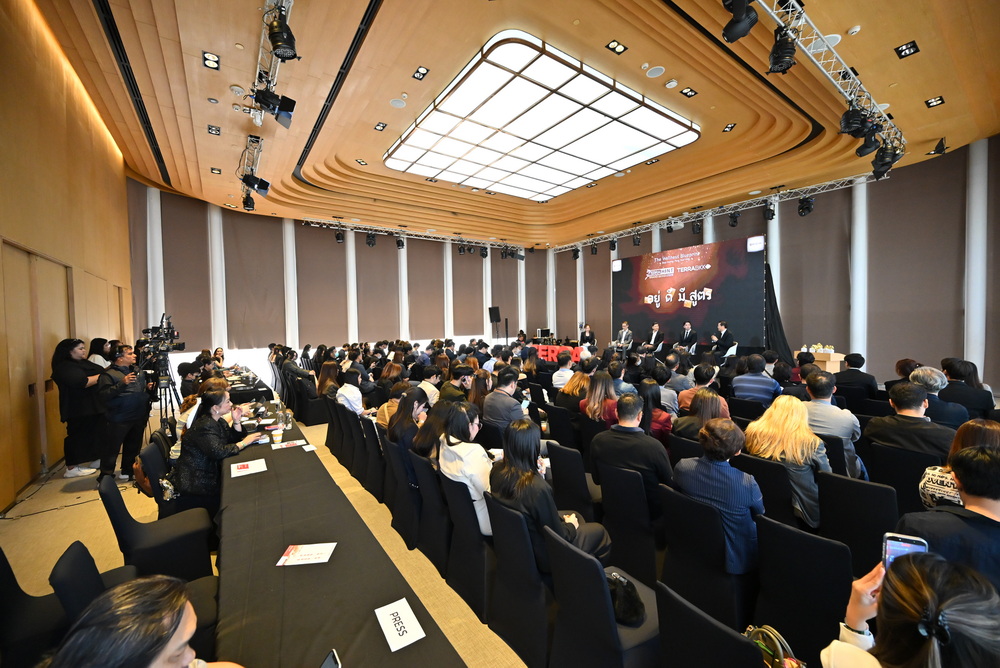
At the grand seminar of the year, TERRAHINT BRAND SERIES 2025, held for the 8th time under the main concept "The Wellness Blueprint #LiveWellWithFormula" by TerraBKK.com, aims not only to be an annual platform for exchanging views in the real estate industry but also to elevate the sector by presenting the discussion topic Position Your Business at the Heart of the Wellness & Hospitality Revolution: Elevating Business to Embrace the Global Market, gathering insights from leading experts across various fields.
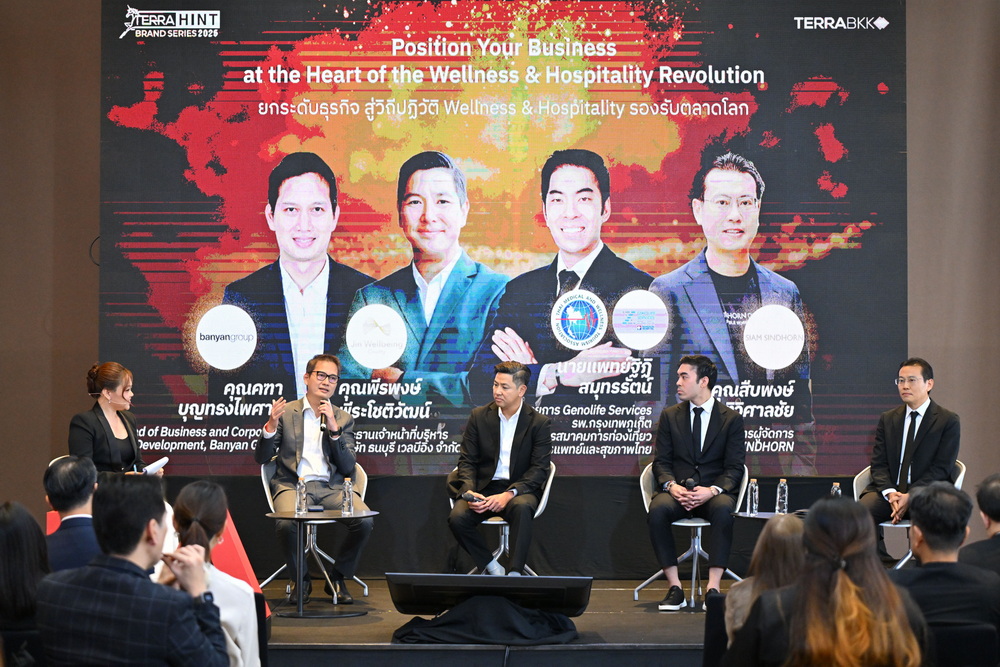
Experts such as Khun Katha Boonthongpaisarn, Head of Business and Corporate Development at Banyan Group; Khun Peeraphong Peerachotiwat, CEO of Jin Wellbeing County, Thonburi Wellbeing Co., Ltd.; Dr. Thiti Samutrattan, Deputy Secretary-General of the Thai Medical Tourism and Health Association; and Khun Suipong Kiatvisalchai, Deputy Managing Director of SIAM SINDHORN, will decode this wellness blueprint.
Wellness & Hospitality: From Mental Happiness to Disease Prevention
From the perspective of Khun Katha Boonthongpaisarn of Banyan Group, the terms Wellness and Hospitality are vast. In-depth, Wellness may relate to hospital-level care or medicine, while Hospitality is about providing experiences, happiness, and relaxation.
“At Banyan Group, we believe that Wellness must start from mental happiness because when the mind is at peace, physical well-being follows. This mental happiness is highly individual and varies from person to person.”
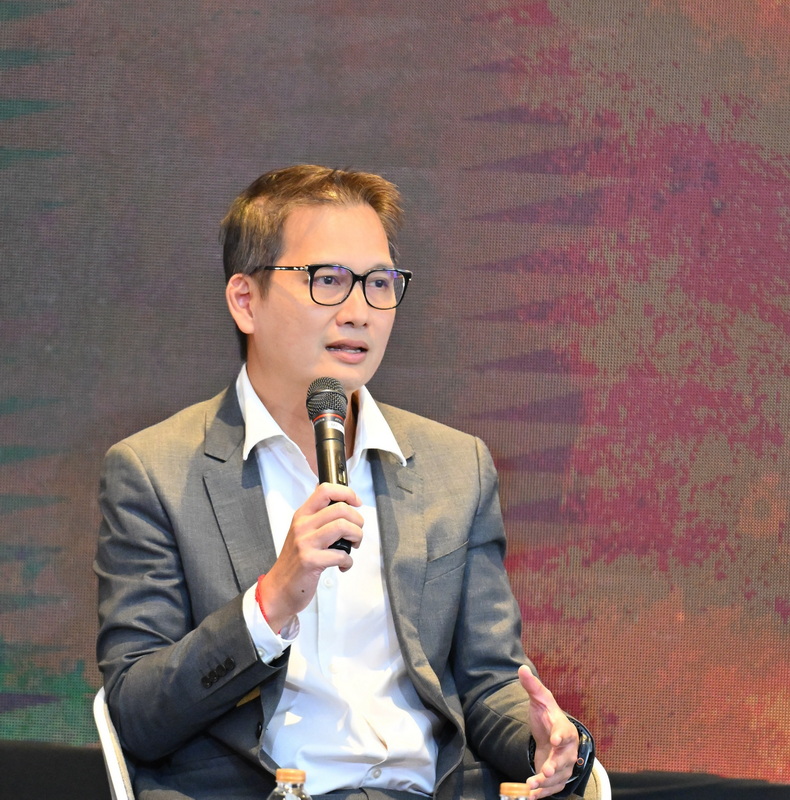
From the perspective of Khun Peeraphong Peerachotiwat of Jin Well-Being, wellness is seen as part of an ongoing mega-trend, evolving from sustainability to well-being and now to Longevity Lifestyle. These trends share a common goal: the desire to live in a better society and environment.
Projects that address Longevity Lifestyle must be evaluated across six dimensions, covering relaxation, quality sleep, nutrition, and exercise. These elements are becoming the "standard" for future living, with an important trend moving towards Personalized Wellness, where services must be tailored to individual health capital and lifestyles.
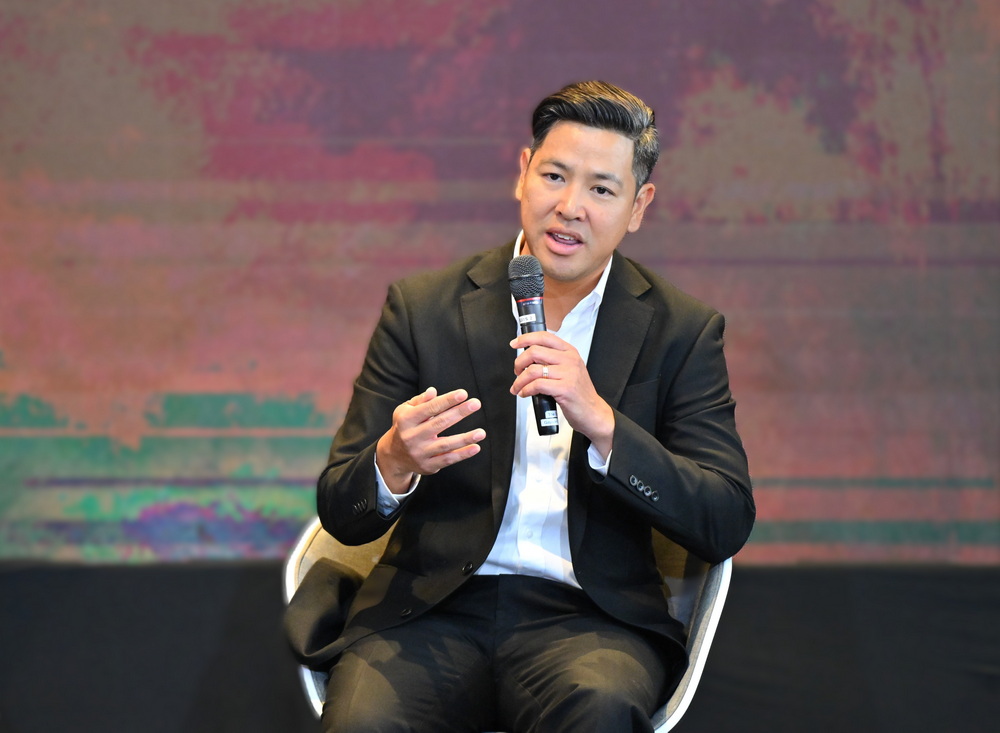
From the perspective of Khun Suipong Kiatvisalchai of Siam Sindhorn, he emphasizes that clinging to terminology that changes with the times is not a sustainable foundation. Returning to fundamentals and simple realities is what matters most.
For Siam Sindhorn, the highest value offered to high-end customers is health time and happiness, which everyone knows is precious. If it can be proven that living in the project can extend a customer's lifespan by 10 years, the value of a 50 million baht residence becomes very reasonable in the eyes of the customer.
“If living with us extends your life by another 10 years, would you pay 50 million? Everyone would.” This is the most powerful question in creating value.
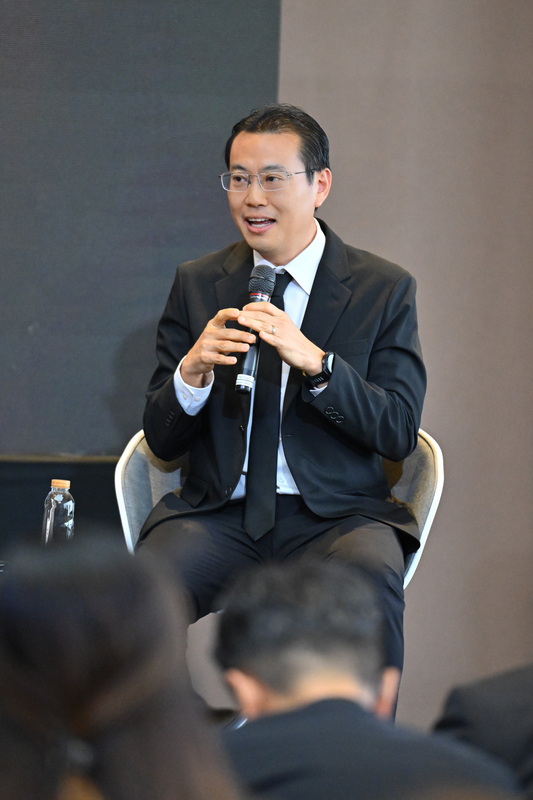
From the perspective of Dr. Thiti Samutrattan from the Thai Medical Tourism and Health Association, he provides a clear framework that the big picture of Health Tourism consists of Medical Tourism, which focuses on treating diseases, and Wellness Tourism, which emphasizes prevention and predictive medicine. The heart of Wellness is to “know beforehand and solve problems before they arise.” Focusing on prevention and early diagnosis will significantly reduce chronic disease medical expenditures in the long run.
“We are transitioning from the era of Personalization to the era of "Hyperpersonalization," where genetic data and AI allow us to predict risks in advance and prevent diseases for a better quality of life.”
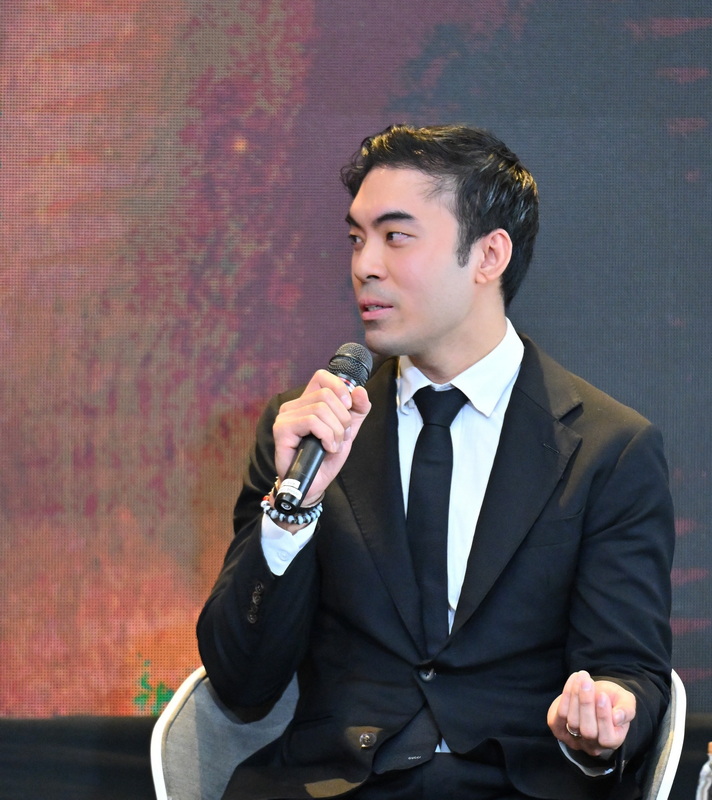
Banyan Group: A Fixed Formula Must Start with Listening to Customers
In the past, Banyan Group has faced cultural diversity and specific customer needs worldwide. Addressing these changes does not have a "fixed formula" but must start with genuinely and thoroughly listening to customers, as happiness and needs vary by age, stage of life, and nationality.
Banyan's product design is therefore based on customization and personalization at every level. For example, developing a residential project in Laguna, Phuket, does not only consider the building structure but also delves into the thought process of residents. If a house is located here, what will customers encounter on a 4-kilometer run? (Sensory Experience)? Where will we create playgrounds for young children and activity spaces for the elderly to ensure actual usage? This is an experiential design process aimed at creating a true Wellness Community.
Additionally, Banyan has created products to cater to diverse markets, such as residences that serve as second homes for Europeans seeking to escape the cold in Phuket, which come with rental programs while owners are away, or even launching a brand focused on coexisting with nature, like Escapa, proving that "happiness" does not always have to be in prime urban locations but can also be found in exotic locations that fulfill the joy of accessing nature.
Banyan Group's strategy serves as an important lesson that effectively addressing Wellness requires awareness of the diverse definitions of happiness and using detailed customer segmentation to select the most suitable products.
Jin Well-Being County: Creating a Wellness Ecosystem
For Jin Well-Being, the definition of Wellness Residence is a living space that brings happiness, good health, and improved quality of life every day, requiring integrated design from the start, harmonizing living spaces, common areas, a good environment, and comprehensive healthcare.
The Jin Well-Being project is built on three inseparable core components: Residence, Wellness Center, and Health Care Center, operated by the specialized Thonburi Burana Hospital.
However, the key and true service innovation is having a "Conscious" or personal advisor who acts as a link between residents and all the facilities the project offers. The Conscious does not serve as a general service provider but acts as a "consultant" and "friend" who understands the unique needs of residents, including:
- Wellness Conscious is responsible for creating a variety of activities tailored to residents' interests, such as designing exercise schedules, art classes, cooking classes, or even monthly travel trips to encourage residents to engage and participate continuously.
- Health Care Conscious works proactively by monitoring annual health check results, collecting detailed health data, and providing ongoing lifestyle and nutrition advice, even on minor issues like sleep quality or stress management. This care covers prevention without waiting for diseases to occur.
The success of Jin Well-Being lies in its ability to tackle the most challenging issue of Wellness Residence: "individual health costs are not the same," yet everyone desires the same positive outcomes. Using Conscious, which is human, and health data systems allows the project to design a "successful formula" tailored to individual needs effectively and harmoniously.
Siam Sindhorn: Creating Value Through Thought Processes and Life Equations
Khun Suipong Kiatvisalchai points out that for developers, focusing on the process is more important than merely focusing on outcomes. Correct project development must begin with asking the right questions and having a thought process that can be validated.
Siam Sindhorn presents the concept of creating value in Mixed-Use projects, stating that Wellness from the customer's perspective consists of six dimensions (Better Health, Fitness, Nutrition, Appearance, Sleep, Mindfulness), and addressing the correct outcomes across all six dimensions requires six equations for analysis and solutions. Standalone projects with limited components may not be able to create sufficient equations, making Mixed-Use Development crucial.
Applying this concept in the Sindhorn Village project involves returning to the four factors of longevity and happiness that are simple and actionable:
- Better Sleep focuses on strictly controlling the quality of the internal environment, from tranquility, temperature and humidity control, to external light control, ensuring restful and quality sleep.
- Walkability is the key to creating sustainable positive habits. The decision to place all parking underground allows for open ground space and creates bright, clean, safe, and enjoyable walking paths, fostering a Positive Lifestyle Habit. When walking is comfortable and enjoyable, customers will choose to walk, leading to continuous health outcomes.
- Comfort & Convenience: covers all dimensions of daily life, from ease of access to services, quick elevator use, security systems, to appropriate levels of privacy.
- Social Capital & Mindfulness: is an invaluable component. Creating a good and supportive community in the project by designing spaces that naturally encourage interaction, such as pocket gardens or small benches, stimulates daily greetings and conversations. Having friends and a strong community results in better mental health outcomes than medications or treatments.
The development of Siam Sindhorn exemplifies the mathematical foundation and understanding of the human spirit to create sustainable value that truly meets market demands.
Thai Medical Tourism and Health Association: From Treatment to Integration Leadership
Dr. Thiti Samutrattan emphasizes that while Thailand has strengths in Thai Hospitality and top-tier hospital accreditation standards in Asia and the world, which serve as unique selling points that build consumer confidence, achieving a perfect Wellness Hub still faces two significant challenges.
First is the lack of clear Full Integration among various stakeholders in the ecosystem, from hotels and real estate to healthcare facilities. Although all parties intend to collaborate, in practice, each organization remains committed to its own KPIs, hindering smooth and effective collaboration. Addressing this issue requires cross-organizational cooperation to create a value chain that benefits the overall picture.
Second is transparency, especially regarding Price Variation (transparency of medical service pricing), which is crucial for long-term credibility in the global market. Therefore, leveraging technology like AI to manage pricing is part of the development to alleviate these concerns.
Thus, the role of the medical sector in the Wellness Revolution is to transition from merely being service providers to leading in Preventive Medicine and driving true integration across all sectors of the industry.
Investing in Wellness is not a luxury expense but a way to build "human capital" that will yield long-term returns.
Future project development must break down certain barriers and embrace close collaboration with health experts from the design stage.
With the potential of Thai personnel and a strong hospitality foundation, Thai businesses still have a tremendous opportunity to define and become a global center of wellness with pride.
#TerraBkk #TERRAHINT #BrandSeries2025 #TerraHintBrandSeries2025
#LiveWellWithFormula #TheWellnessBlueprint #Wellness #Hospitality #RealEstate