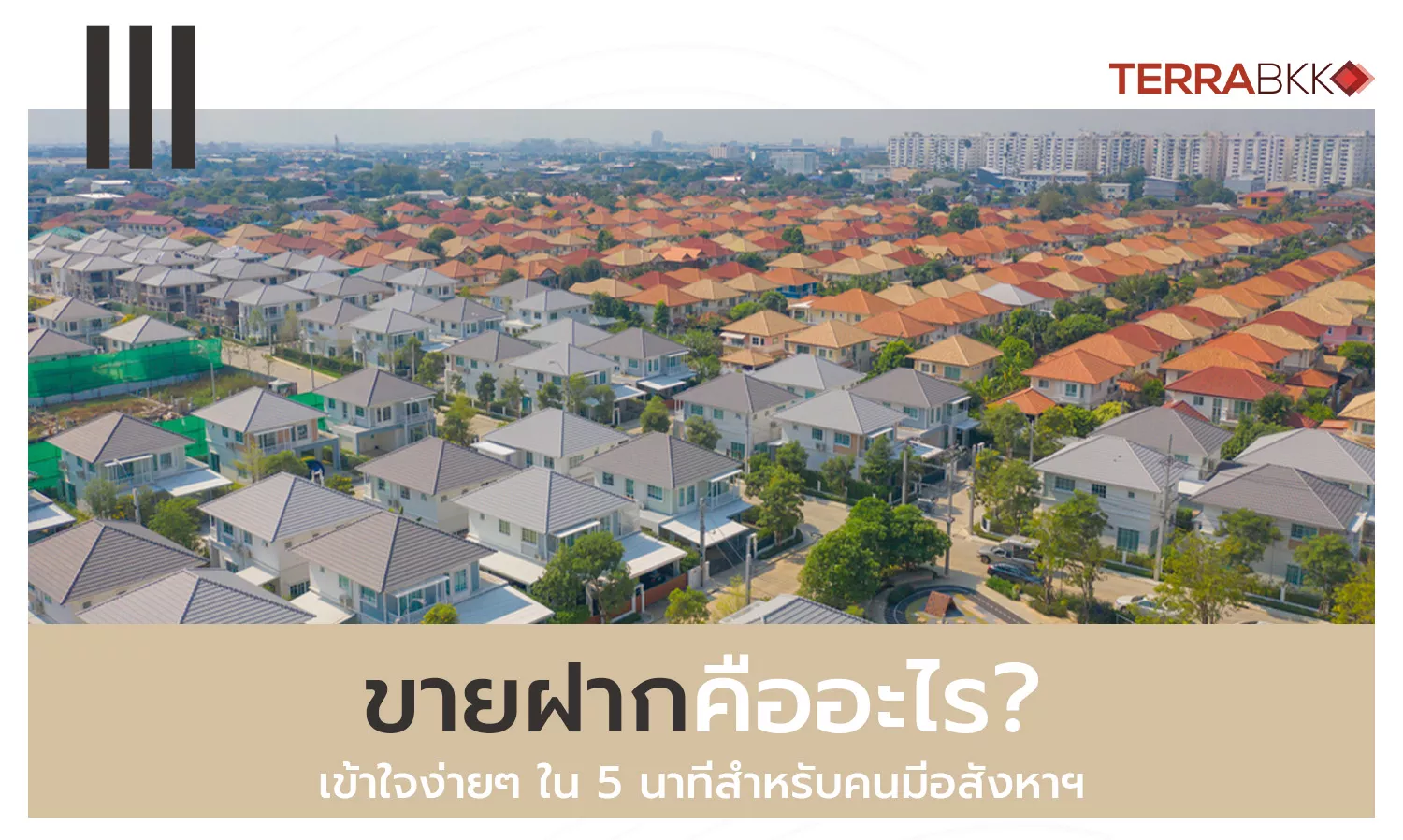
What is a Sale and Leaseback? Understand it Easily in 5 Minutes for Property Owners
In an era where many people need "quick capital" but do not want to permanently sell their assets, a "sale and leaseback" has become an interesting alternative, especially for property owners who want to convert their assets into temporary cash while retaining the right to repurchase in the future.
If you are unfamiliar with or confused between "sale and leaseback" and "mortgage," this article will help you understand the principles of sale and leaseback in just 5 minutes.
What is a Sale and Leaseback?
A "sale and leaseback" is a contract where an asset is sold with the condition that the seller can repurchase the asset within an agreed timeframe. The seller must repay the full amount along with interest (if any) within that period.
If the seller fails to redeem the asset by the deadline, the asset will immediately become the property of the buyer without the need for court proceedings.
How is Sale and Leaseback Different from a Mortgage?
Many people often confuse "sale and leaseback" with "mortgage." While both involve using assets to obtain capital, there are significant differences as follows:
-
Ownership of the Asset
- Sale and Leaseback: The buyer receives ownership immediately.
- Mortgage: The mortgagor retains ownership of the asset.
-
Debt Enforcement
- Sale and Leaseback: If the seller does not redeem within the specified period, the asset immediately belongs to the buyer.
- Mortgage: Legal action must be taken to seize the asset first.
-
Flexibility in Repurchase
- Sale and Leaseback: Must repurchase within the specified time (up to 10 years for real estate).
- Mortgage: Can repay the debt and redeem at any time if not yet sued.
-
Seller's Risk
- Sale and Leaseback: There is a risk of permanently losing ownership if not redeemed on time.
Mortgage: Can retain the asset if the debt is managed well.
- Sale and Leaseback: There is a risk of permanently losing ownership if not redeemed on time.
These details clearly confirm that sale and leaseback and mortgage are quite different, with various nuances depending on the contract.
Who is Suitable for Sale and Leaseback?
- Property owners who need quick cash, such as for houses, land, or condos.
- Those who are confident they can raise the money to repurchase the asset within the specified time.
- Individuals who do not want to sell their assets permanently but need to convert them into cash temporarily.
Advantages of Sale and Leaseback
1. Quick cash without going through complicated approval processes.
2. Opportunity to regain the asset if redeemed on time.
3. A good option during periods of liquidity shortage.
Precautions
- Ensure that you can redeem the asset on time.
- Carefully study the contract details, especially regarding interest rates.
- If you miss the payment deadline, the asset will immediately belong to the buyer.
Investment Opportunities from Sale and Leaseback
For some investors, purchasing assets through "sale and leaseback" is another strategy used in real estate investment. If the seller cannot redeem the asset on time, the buyer will obtain ownership at a price lower than the market value. However, it certainly requires careful knowledge and understanding of the law.
Conclusion
"Sale and leaseback" is not something to overlook. If you have real estate and want to use it as a temporary source of capital effectively, understanding the mechanics of sale and leaseback will help you plan your finances safely.
If you are looking for a flexible investment approach in real estate with comprehensive decision-making information, check out projects and additional information at Brickpaths.com