Therapeutic Design: Designing for Healing
Since the beginning of last year, there have been continuous news events affecting the mental well-being of people in society, whether it be earthquakes or recurring accidents from construction on the roads, along with economic fluctuations stemming from global political issues. These are all factors that ordinary citizens cannot control. Even though most people may not be directly affected, being exposed to news from various media, including social media, can lead to an accumulation of stress without realizing it, resulting in a state of "mental decline," where one feels bored with everything around them, lacks motivation to go anywhere or do anything, and doesn't know how to remedy the situation.
In reality, the environment we live in significantly impacts both our physical and mental well-being, which is the fundamental principle of "Therapeutic Design." This approach integrates principles from various fields to create spaces that support well-being by reducing stress, enhancing mood, promoting connection, and fostering feelings of control and safety. The concept of therapeutic design is flexible and can be integrated into our daily lives, from homes to workplaces and even public spaces.

Therapeutic Design: Creating Environments for Good Health
Your home should be a sanctuary for mental rejuvenation. Academic research highlights several recurring principles that support effective therapeutic design, and here are ways you can apply them for your daily life.
1. Connection with Nature (Nature-Focused Design)
The Biophilia Hypothesis, developed by E. O. Wilson, suggests that humans have an inherent tendency to connect with nature and other life systems. Interaction with natural elements has been shown to reduce stress, improve mood, and enhance brain function.
The Stress Reduction Theory (SRT), developed by Roger Ulrich, states that viewing natural environments can lead to rapid reductions in physiological stress, such as heart rate and blood pressure, and a shift towards more positive emotional states. Research has shown that simply looking at nature can help hospital patients recover faster and reduce stress in office workers.

Application in Residential Spaces
1.1) Bringing Nature Indoors: Planting vegetables or a small herb garden in your yard, placing potted plants indoors, or incorporating a tabletop fountain or small waterfall.
1.2) Natural Views: Position your workspace or seating area to view trees, gardens, or even the sky. If you cannot open up to a view, use art or photographs inspired by nature.
1.3) Natural Materials: Incorporate natural materials such as wood, stone, and cotton into your decor.
2. Sensory-Friendly Environments (Light, Sound, Color, Smell)
Our senses constantly process information from our environment, which can either lead to stress or promote calmness. Therapeutic design carefully considers sensory experiences.
In 1921, Rorschach studied the relationship between color responses and personality traits, noting that depressed individuals perceive everything as black and cannot imagine a fun party without color. Additionally, colors can alleviate stress.
Color psychology shows that different shades can evoke specific emotions, such as blue and green for calmness, yellow for happiness. Research on soundscapes demonstrates the restorative power of natural sounds and the harmful effects of unwanted noise.
Application in Residential Spaces
2.1) Lighting to Adjust Mood:
- Maximize natural light: Open curtains and blinds, arrange furniture to receive sunlight. If natural light is limited, consider spectrum lighting that mimics daylight.
- Layered Lighting: Divide lighting into three types: general room lighting, task lighting, and accent lighting for specific areas. Layered lighting balances these three types to create ambiance.
- Circadian Lighting: Consider smart bulbs that adjust color temperature or brightness according to activities at different times to support your natural sleep-wake cycle.
- Avoid harsh lighting: Adjust screen brightness and position lights to reduce glare.
2.2) Improving Soundscapes for Calmness:
- Reduce noise pollution: Use carpets, thick curtains, and soft furniture to absorb sound. Consider noise-canceling headphones for focused work.
- Enhance calming sounds: Place tabletop fountains or small waterfalls to create flowing water sounds, play nature sounds (rain, ocean waves, birds), or calming instrumental music.
2.3) Strategic Use of Color:
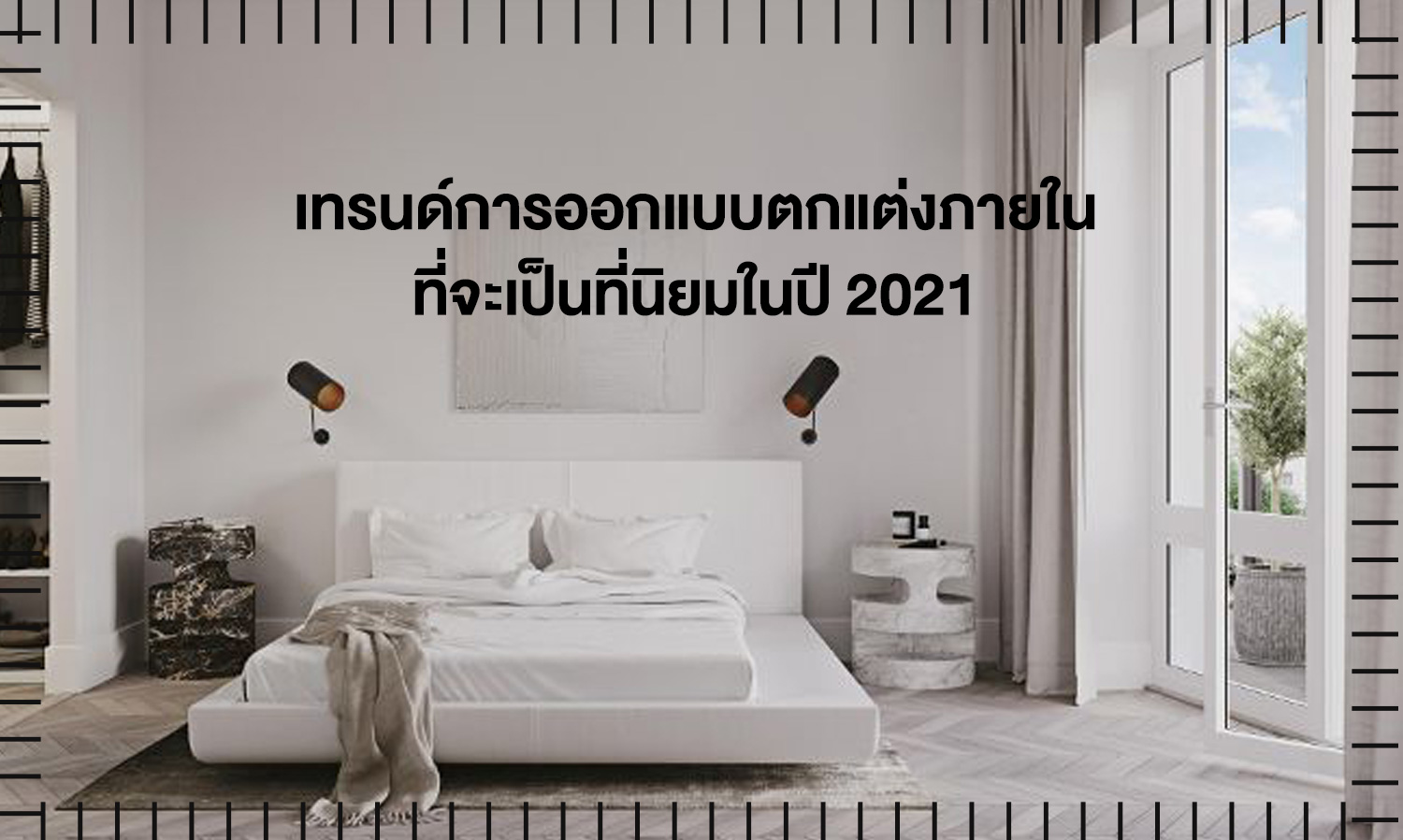
- Relaxing colors: For bedrooms and relaxation areas, choose cool tones like light blue, green, and pastel shades.
- Energizing colors: In work or creative spaces, consider vibrant yet soft colors like yellow or orange patterns, but use them cautiously to avoid overstimulation.
2.4) Aromatherapy: Use essential oils that diffuse relaxing scents like lavender or refreshing scents like orange.
3. Space Layout and Flow
Organizing space for ease of movement can significantly impact comfort, control, and social interaction.
Open and airy interiors can alleviate feelings of confinement, while clearly defined areas can enhance feelings of purpose and privacy.
Application in Residential Spaces
3.1) Decluttering and Organizing: A cluttered environment can lead to mental chaos and stress. Unobstructed pathways facilitate movement and prevent accidents.
3.2) Creating Zones for Different Activities: Even in open spaces, furniture arrangement, rugs, or partition walls can create distinct areas for various activities, such as reading corners or workspaces.
3.3) Personalized Decor: Surround yourself with items that evoke positive memories or emotions, such as pictures of loved ones, souvenirs from favorite trips, or handmade items that bring joy. Tailoring your environment to your preferences can foster a sense of ownership and comfort.
3.4) Relaxation Spaces: Designate specific areas for relaxation and tranquility, free from distractions, such as a comfortable armchair by a window with good lighting or a meditation corner.
4. Safety, Security, and Privacy
A fundamental aspect of well-being is feeling safe and secure in your environment. Therapeutic design considers both physical and mental safety.
Environments that provide a sense of control and privacy can reduce anxiety and promote relaxation.
Application in Residential Spaces
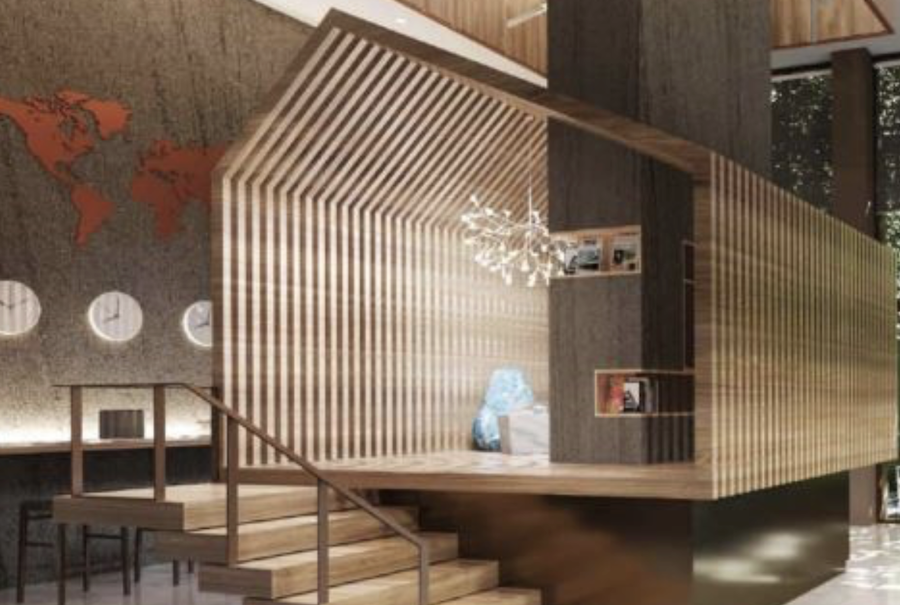
4.1) Creating Enclosed Spaces: While open areas feel spacious, creating enclosed spaces that provide a sense of "shelter" or "refuge" can also be comforting. This can be achieved through cozy corners, such as well-positioned table and chair sets or a bed with a canopy.
4.2) Visual Privacy: Use curtains, blinds, or partitions to control visual privacy, especially in bedrooms and private areas.
4.3) Emotional Safety: Create an environment where you feel free to express yourself, relax, and be authentic, which impacts your ability to communicate, collaborate, build relationships, and manage conflicts in interpersonal relationships. This involves physical elements such as comfortable seating that promotes interaction and understanding.
Expanding Therapeutic Design
The principles of therapeutic design can be applied to almost any type of environment.
Workplaces: Incorporating natural light, greenery, quiet areas, and comfortable community spaces can significantly enhance productivity, reduce stress, and increase employee satisfaction.
Schools: Designing classrooms with flexible seating, calming colors, and access to natural light can enhance learning efficiency and reduce anxiety in students.
Public Spaces: Urban planning can integrate therapeutic elements through green spaces, accessible pathways, and thoughtfully designed seating areas to promote relaxation and social interaction.
Therapeutic design is a strategic approach to shaping our environments to improve mental and physical health. By understanding these academic theoretical principles and applying practical strategies in our homes, workplaces, and public spaces, we can effectively cultivate environments that promote calmness, enhance productivity, and foster overall well-being. It is an investment in a healthier and happier life, enabling us to adapt and thrive in the realities of daily life.
See you again next month!