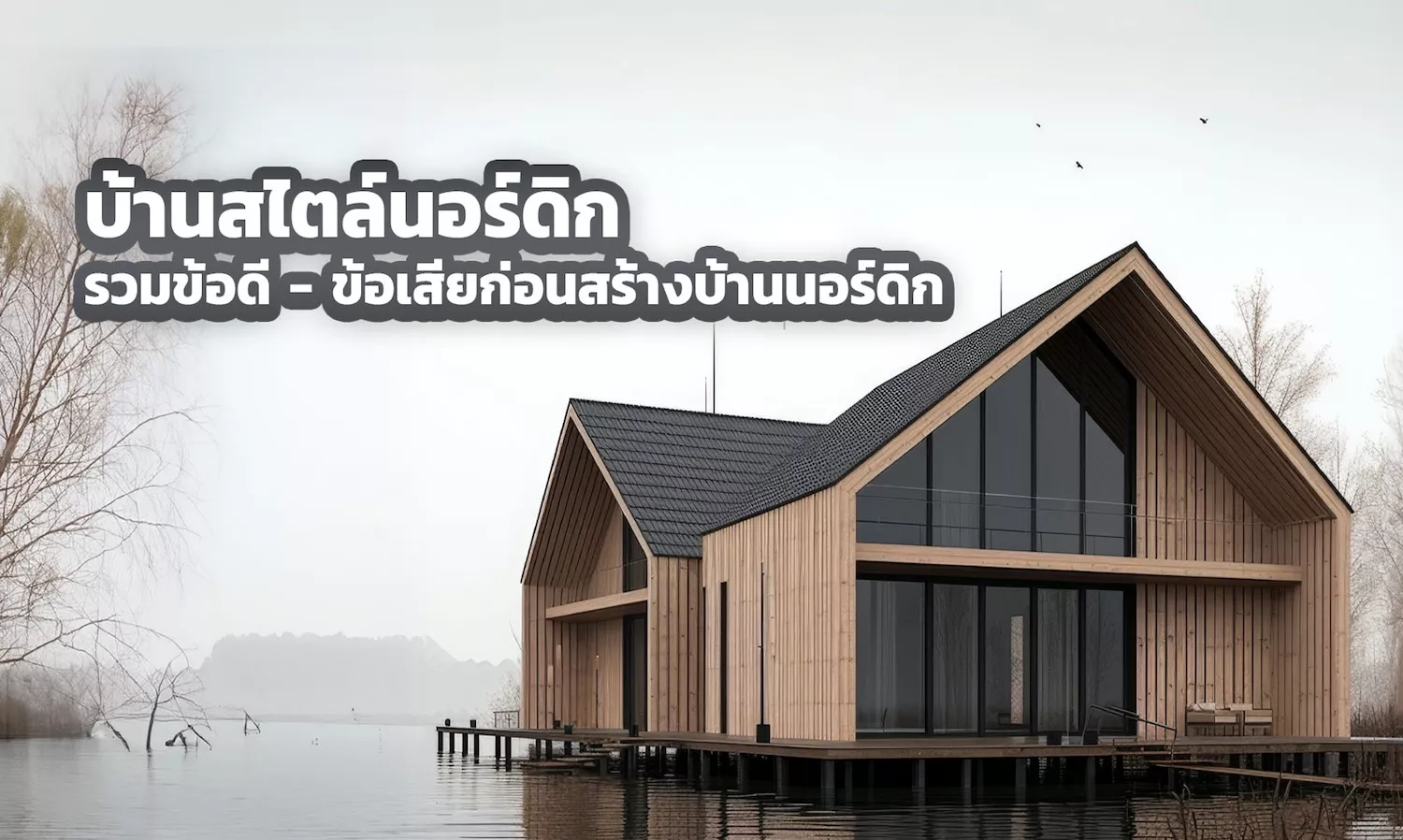
Nordic Style Homes: Pros and Cons Before Building a Nordic House
Nordic Style Homes: Pros and Cons Before Building a Nordic House
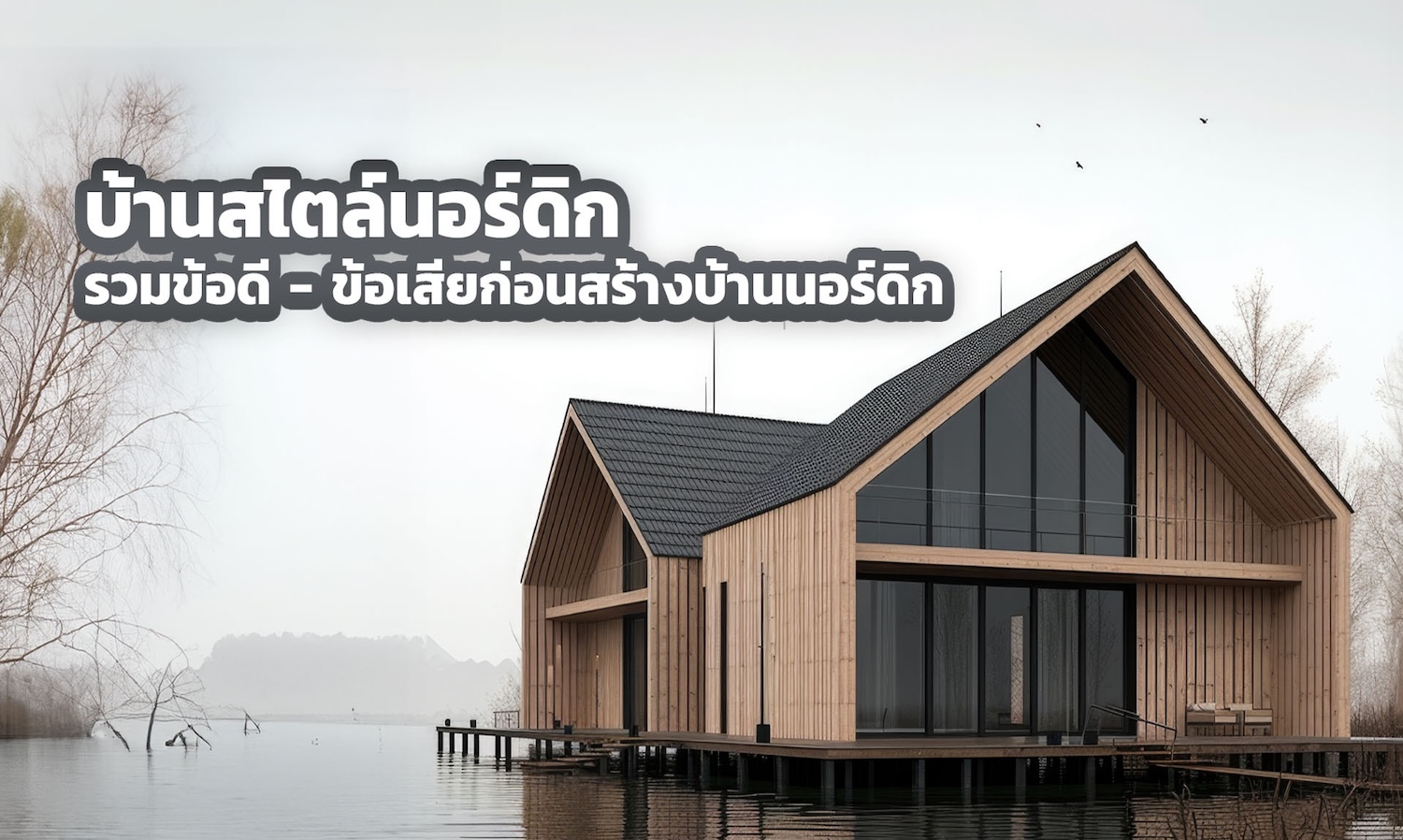
When it comes to home designs that are both minimalistic, stylish, and cozy at the same time, many people immediately think of “Nordic style homes.” With their distinctive design that emphasizes simple lines, high pitched roofs, soothing color tones, and natural light that fills the house throughout the day, it’s no wonder this style has become a favorite among the new generation seeking a dream home that is visually pleasing and comfortable.
However, no matter how beautiful and livable Nordic style homes may be, they are not necessarily suitable for everyone or every location. In fact, this style has both strengths and considerations that many may not be aware of. This article invites you to explore every angle, including the pros, cons, and essential information to know before deciding to build a Nordic style home, so you won’t miss out on important insights and can enjoy your home for a long time without needing to make adjustments later.
What is a Nordic Style Home?
Before diving into the pros and cons, let’s clarify what a Nordic style home is. Although you may frequently see them on Pinterest or in model homes across various projects, many people still confuse Nordic style with minimalism.
Sleek, Stylish Design with Warmth
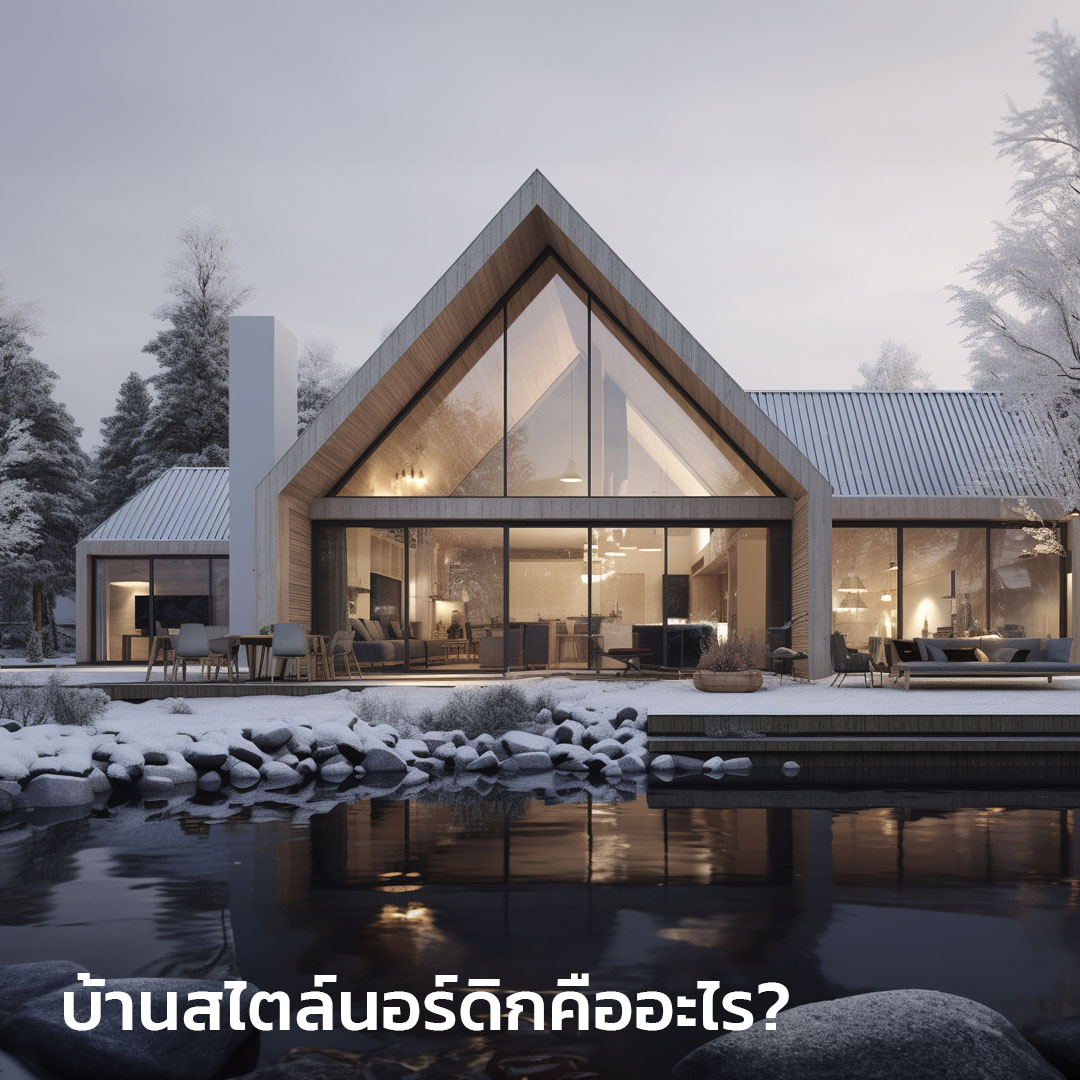
Nordic style homes originate from Scandinavian countries, which experience cold climates and short daylight hours. This has led to designs that maximize natural light. The color tones used are mostly light, such as white, cream, light gray, or natural wood, to create a bright and warm atmosphere.
The overall design emphasizes minimal lines, lacking excessive embellishments, yet incorporates elegant details, evident in features like high pitched roofs, large windows, and facades that highlight textures from wood, steel, or exposed concrete in a cohesive manner.
The Difference Between Nordic and Minimalist Styles
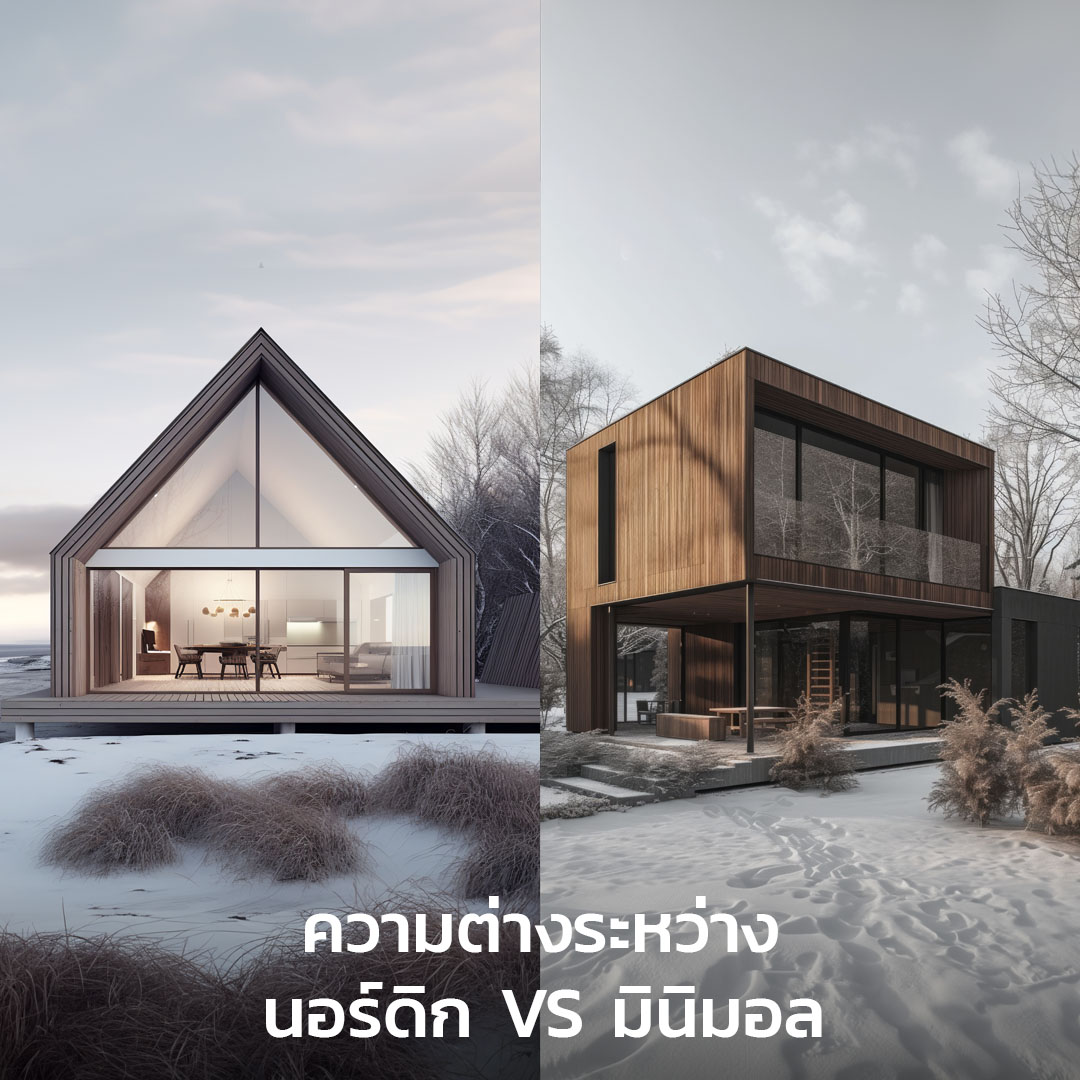
While these two styles may appear similar, there is a clear distinction in the “mood of the home.”
Minimalist homes focus on the concept of 'less is more,' where everything is coordinated but carries a raw and slightly rigid feel. In contrast, Nordic style homes exude a softer ambiance through the use of natural materials and warm color tones that invite relaxation rather than showcasing perfection.
Another difference is that Nordic style homes prioritize functionality suited to the climate, such as strategically placed windows to capture sunlight during winter or the use of insulation. While adjustments may be necessary to accommodate Thailand's climate, the core principle of comfort remains intact.
Advantages of Nordic Style Homes
The true charm of Nordic style homes lies in their functionality that meets the needs of living, in terms of light, space, and the overall feeling when residing in the home. Some people feel an urge to sit down and enjoy a coffee just by walking past one. Let’s take a look at the main advantages of Nordic homes.
Maximizes Natural Light for Comfort All Day
Nordic homes are renowned for their ability to bring light into the living space through large windows and well-oriented openings that allow sunlight without excessive heat, creating a warm and airy atmosphere throughout the day.
Full-length glass, tall windows, or skylights are often utilized to let light flow deep into the heart of the home, helping to reduce electricity usage during the day and enhancing the mood of the home, even on rainy days.
Open and Functional Structure
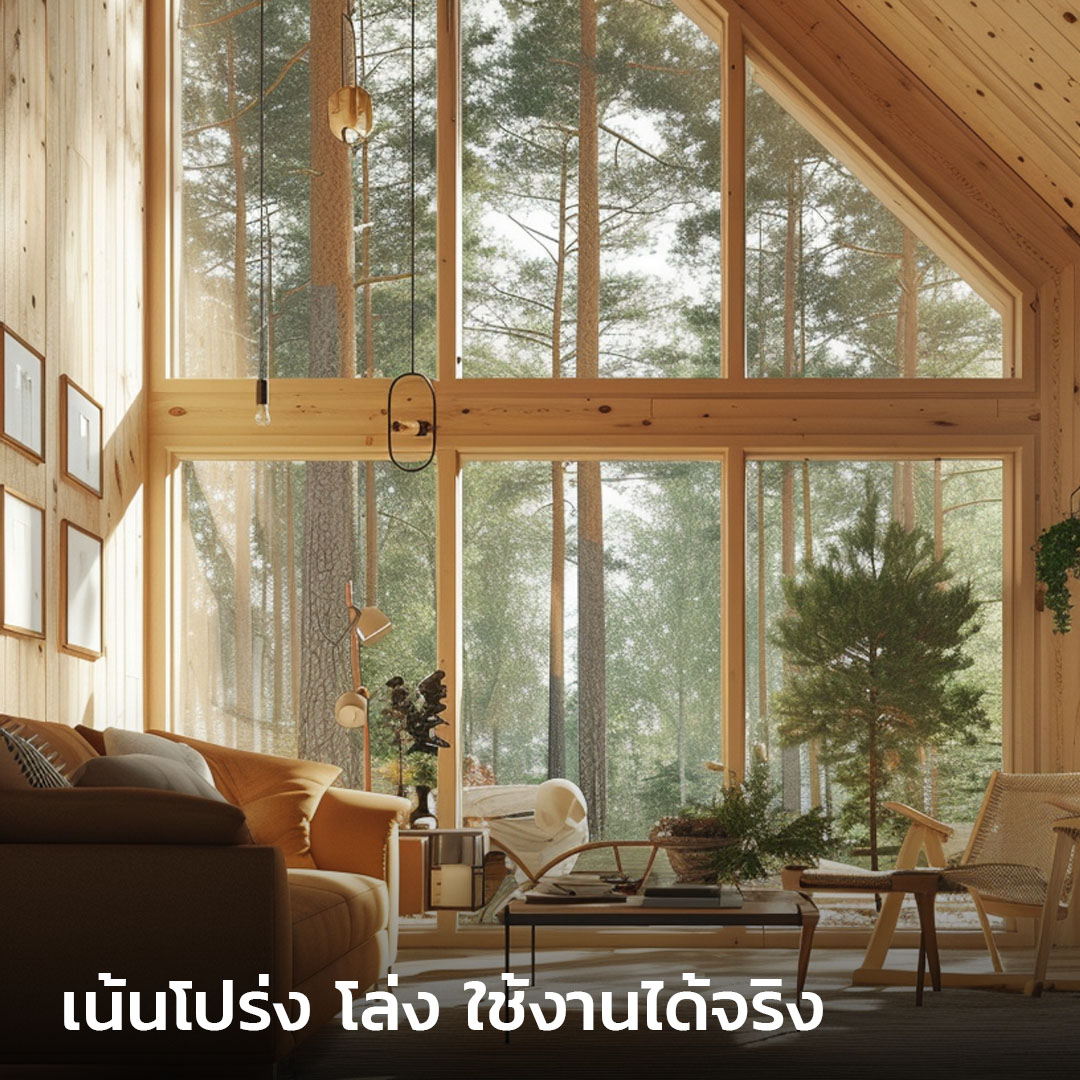
With design concepts stemming from cold regions, Nordic style homes typically feature high ceilings and open-plan layouts, making the home feel spacious and breathable. This allows for good air circulation, especially if windows are placed to catch natural breezes. Additionally, the open structure makes it easy to arrange furniture and decor without clutter, while maintaining a cohesive aesthetic.
Timeless Design That Doesn’t Go Out of Style
Another highlight that makes Nordic homes beloved by many is their classic simplicity. These homes do not follow fleeting trends but are designed to last without frequent renovations. The simple lines, natural materials, and color choices ensure that the home remains beautiful across generations, whether in 5 or 10 years, and can easily adapt to different moods, whether cozy, modern, or even Japandi.
Things to Consider Before Building a Nordic Home
Even though Nordic style homes appear beautiful, stylish, and have a warm feel that many love, there are some things to know beforehand before making a final decision to build. The seemingly simple design hides many details that, if not carefully considered, could lead to issues after living in the home for a while.
Not Every Location is Suitable for High Pitched Roofs
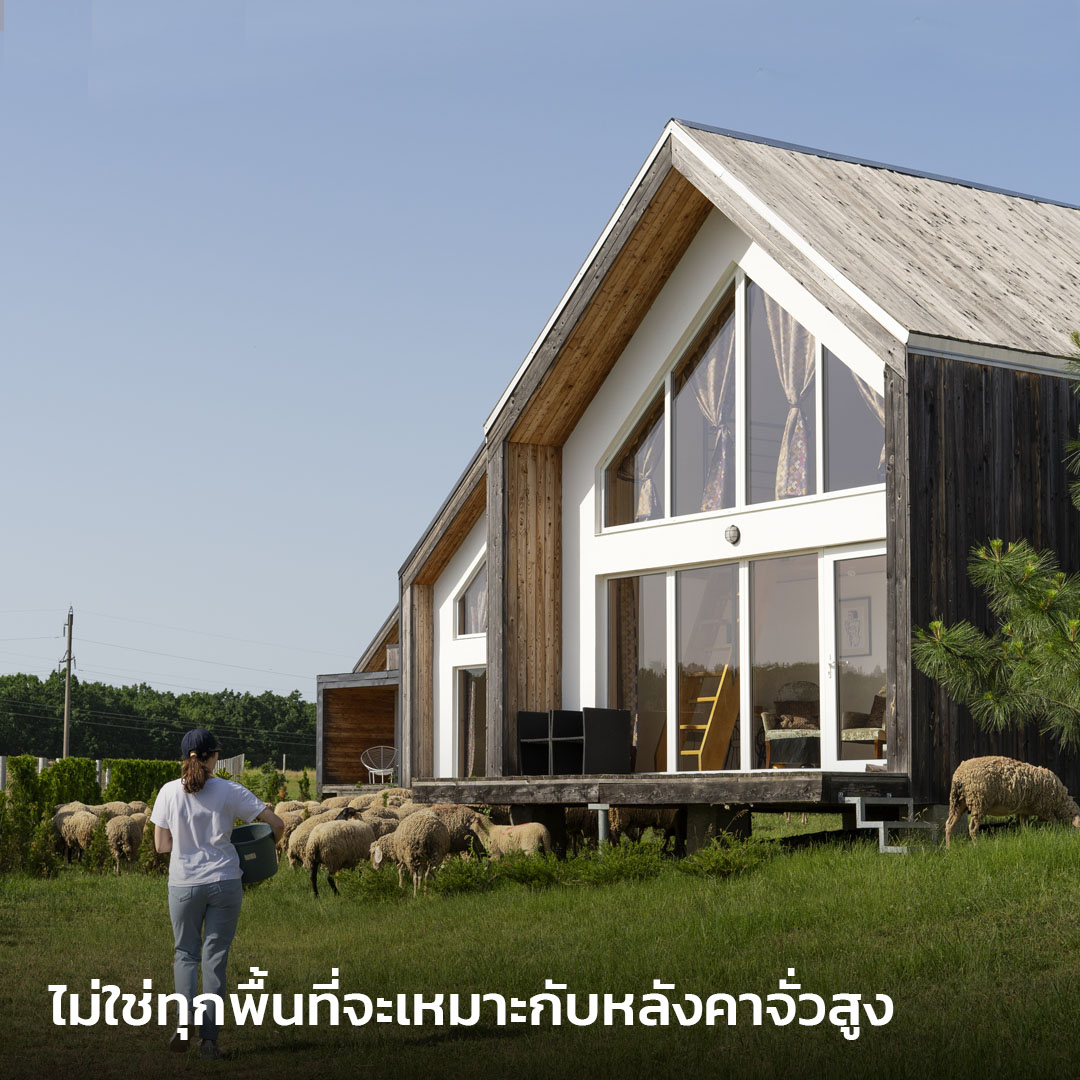
One of the signatures of Nordic style homes is the high pitched roof, which enhances the spaciousness and beauty of the home. However, it’s essential to assess whether the land and surrounding context are suitable for this design. For instance, if the land is narrow or located in an area with height restrictions (such as in housing projects or areas with building regulations), opting for a high pitched roof may require reducing usable space on the upper floor or incur additional costs for design adjustments.
Moreover, if the roof angle is not calculated properly, you may encounter issues with rainwater backflow or heavy runoff from the pitch.
Materials Must Be Suitable for Thailand’s Climate
Original Nordic homes come from cold countries, where materials like raw wood, exposed steel, or polished concrete walls may work well in that climate. However, when brought to a hot environment like Thailand, adjustments are necessary to avoid issues with heat and moisture accumulation.
It’s advisable to choose materials that resemble Nordic aesthetics but are more durable against sun and rain, such as using composite wood or real wood only in shaded areas, or selecting heat-reflective wall paints to keep Nordic homes beautiful and comfortable in the long run.
Open Design May Lead to Privacy Issues
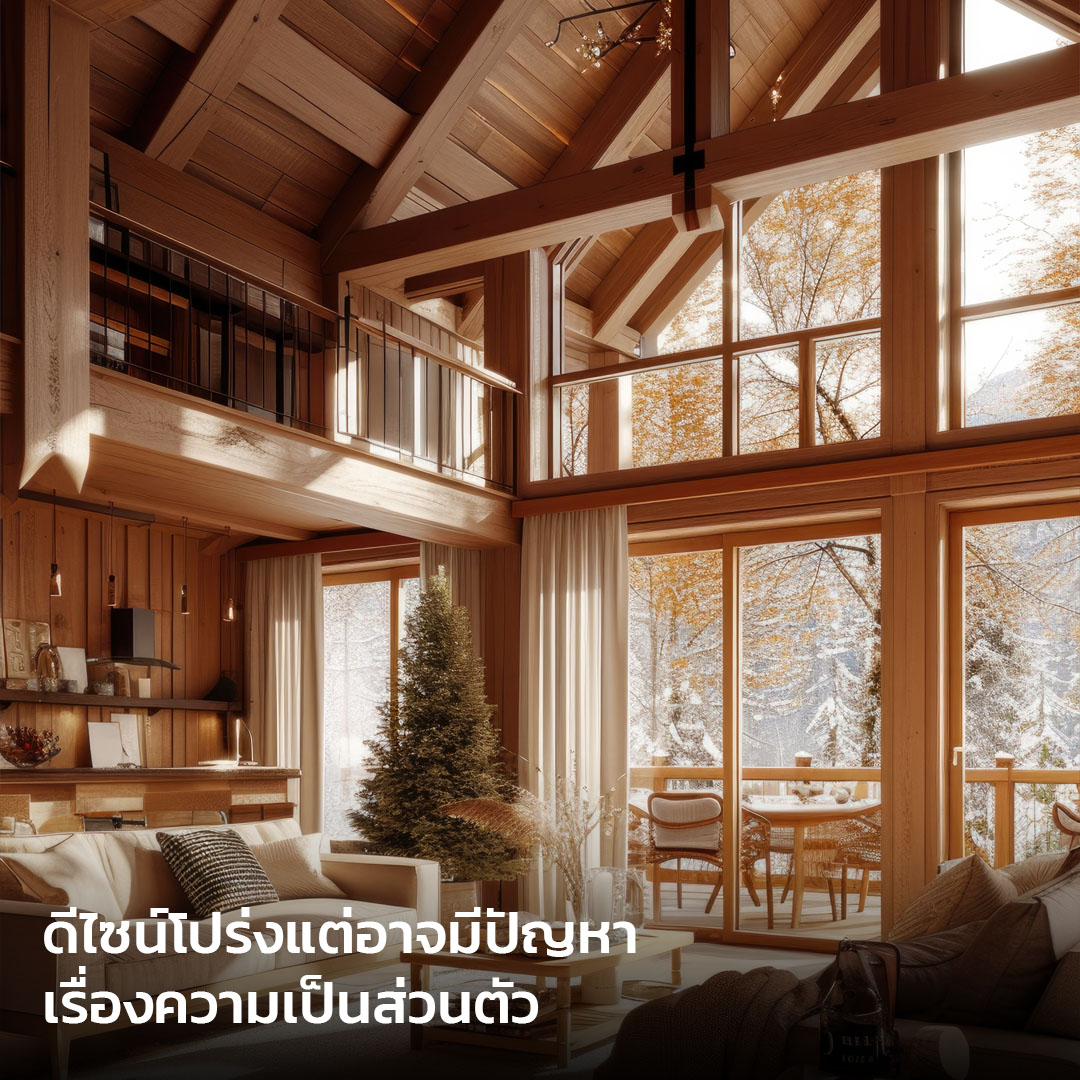
Nordic style homes often emphasize openness, both in terms of usable space and light openings, which helps create a bright and airy feel. However, the downside is that this may reduce privacy, especially if the home is close to neighbors or in urban areas where homes are visible to one another. Careful design considerations may be necessary, such as using reflective glass from the outside, installing sheer curtains to filter light, or creating vertical gardens as natural screens to enhance privacy without losing the Nordic feel.
Conclusion
Nordic style homes are ideal for those who appreciate simplicity with detail, enjoy a home that is comfortable both physically and mentally, benefit from natural light that feels refreshing every day, and desire a design that remains appealing over time without frequent updates. However, before starting construction, it’s recommended to consult with architects or contractors who truly understand this style. Even though it appears simple, attention must be paid to the layout, materials, and suitability for the location to achieve a home that is beautiful, comfortable, and truly meets your lifestyle needs in every aspect.