Exploring the Opportunities and Challenges of Data Centers in Thailand: How to Ensure a Win-Win Situation
The emergence of new technology waves such as Cloud, AI, and Automation has led to a surge in Data Centers—facilities designed to support large hardware or servers, which are crucial infrastructure for IT systems necessary for storing and maintaining digital data for businesses. This sector has become a focal point of interest, experiencing rapid growth in Thailand. The country's strategic location, robust telecommunications infrastructure, high-speed internet networks, and government support for digital economy initiatives have made Thailand an attractive destination for global technology companies to establish Data Centers.
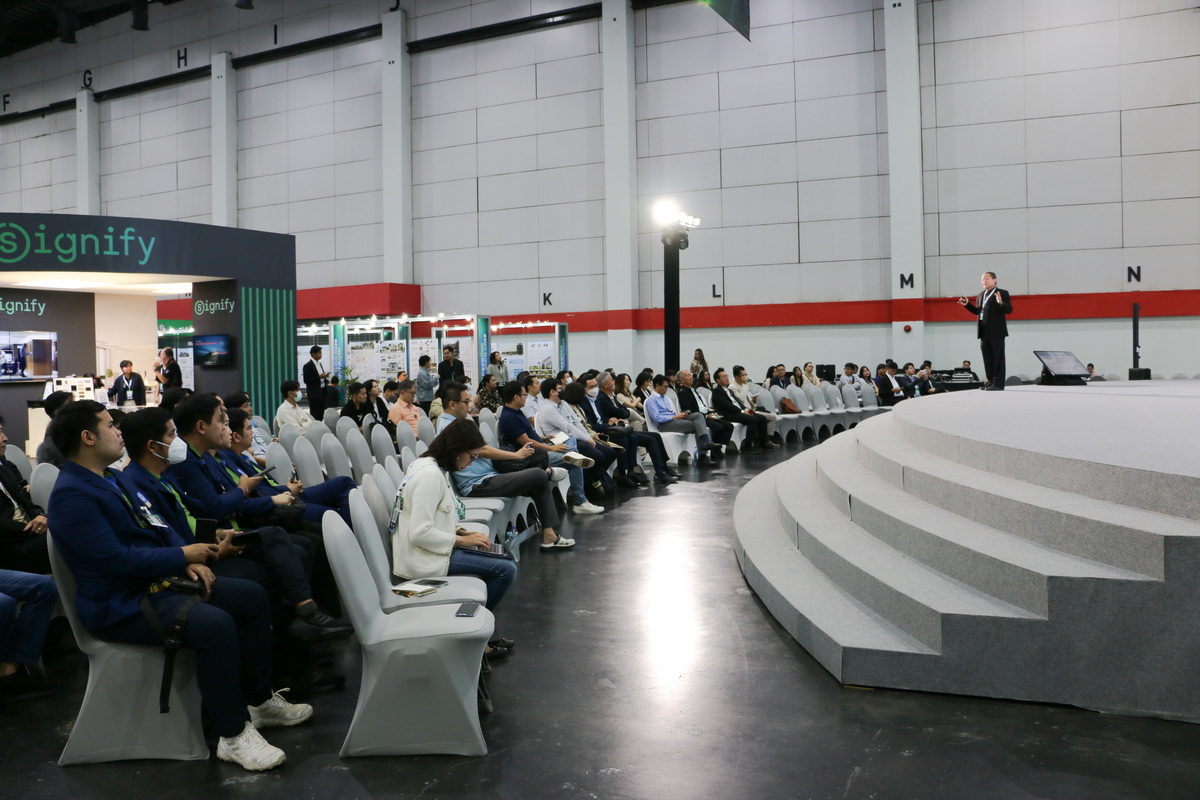
The question arises: How should Thailand prepare to seize these opportunities, and what challenges must be understood to effectively respond? All these answers were revealed by Dr. Chit Laowatana, founder of the Robotics Institute and former member of the National Digital Economy Committee, who shared insights on Data Centers in the topic "Data Center: Thailand OPPORTUNITIES" at The Nova Expo 2025, an exhibition showcasing innovations in building design and related products.
AI Transforms the World, Driving Demand for Data Centers
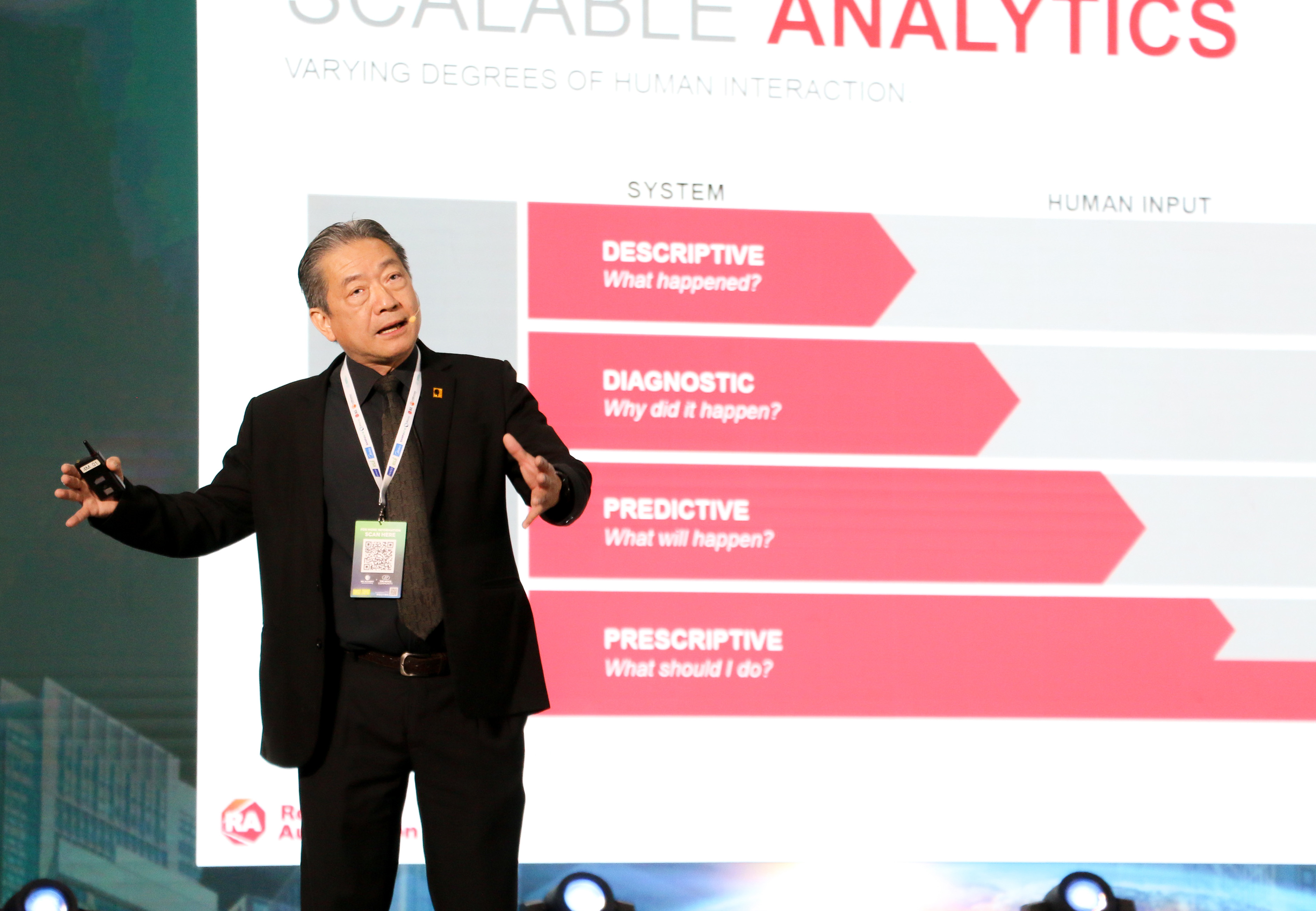
Dr. Chit Laowatana illustrated that artificial intelligence (AI) is not a new concept; it has been discussed for decades. The essence of AI is to enable computers to mimic human behavior. This has evolved into Machine Learning, allowing computers to learn and improve their performance autonomously based on data and environmental conditions, eventually leading to Deep Learning, which can analyze and make decisions from data without human intervention.
The interesting aspect is that as AI becomes more advanced and integrated into people's lives, the necessity for Data Centers increases. This is because the implementation of AI for complex calculations or processing large datasets requires “AI servers” capable of deeper analysis and predictions than standard servers, which come at a higher cost.
“Typically, standard servers consume about 5-20 times less power per rack, around 5-15 kW, while AI servers start at 40-140 kW per rack and are expected to increase. Additionally, Data Centers for standard servers are designed to handle an IT load of about 1-2 MW, whereas AI servers need to support at least 100 MW. The cooling systems must also adapt; while traditional Data Centers often use air cooling, AI server Data Centers prefer liquid cooling for enhanced efficiency and energy savings.
Unlocking the Treasure that Makes Thailand Attractive to Big Tech
Why are investors interested in establishing Data Centers in Thailand? Beyond its strong infrastructure and reliable energy stability—critical for Data Center operations—Thailand's strategic location in Southeast Asia serves as an excellent hub for connectivity with other countries. Moreover, government incentives, such as tax reductions and infrastructure support, are attracting investments in Data Centers. The demand for cloud services and data processing in Thailand is continuously rising from both the business and public sectors, addressing the needs of multinational technology companies to reduce reliance on data centers in other countries, like Singapore, which face space and power limitations.
However, amidst the opportunities for Thailand to benefit from the influx of investment in Data Centers, Dr. Chit raises an intriguing point: Where do Thai companies fit in, and how can they benefit from this supply chain, which involves various sectors directly related to the design and construction of mechanical and electrical systems by Thai firms? Dr. Chit analyzes that Thai companies have not yet reaped significant benefits from the establishment of Data Centers in Thailand. For example:
• In terms of design (Designer Chain), most investors come from abroad and have their own basic design requirements (Basic of Design: B0D), often relying on local designers to meet standards and regulations. However, the issue is that such work typically does not reach Thai operators but goes to foreign design firms that have established branches in Thailand. Similarly, in the equipment sector (Supplier Chain), most equipment used in investment projects is imported due to tax exemptions provided by the Board of Investment (BOI), limiting the benefits for locally produced goods.
• Regarding contractors (Contractor Chain), local contractors often work under foreign firms with prior experience in large projects, causing domestic companies with skilled engineers to miss opportunities to bid on projects.
• In the service sector (Operation Chain), while this presents an opportunity for Thai operators, they must possess substantial knowledge and understanding of the business to provide these services.
• For maintenance (Maintenance Chain), foreign companies selling products typically provide maintenance services, resulting in local mechanical and electrical systems often not benefiting at the Tier 1 level.
Unlocking Limitations to Open Doors of Opportunity for Thai Companies
Given this landscape, which appears to place Thailand at a crossroads of opportunities and challenges, Dr. Chit proposes that to ensure Thai companies benefit from the investment in Data Centers, which could serve as a new engine for Thailand, the BOI should implement measures encouraging companies establishing Data Centers to engage Thai firms. This means companies registered in Thailand, with headquarters in Thailand, and paying taxes to the Thai government. Thus, in the design aspect, there should be support or pathways for Thai companies to be part of the leading design teams to facilitate technology transfer in design to Thai firms.
On the contractor side, even if Thai construction companies lack experience in Data Center design, they should be encouraged to take on projects if they have a sufficient number of engineers trained and certified by the Engineering Institute of Thailand (EIT). Additionally, standards for Data Centers from the EIT should be established to be equivalent to international standards, ensuring that Data Centers built in Thailand possess EIT Certificates. If future Data Center operators seek additional international standards, they can pursue that as well.
Dr. Chit concludes with an interesting note that the reason for such proposals is that while establishing Data Centers presents opportunities, it also requires massive amounts of water and electricity, prompting considerations for utilizing solar energy, which Thailand can produce abundantly, to mitigate environmental impacts and resource consumption.
“I believe Thailand has a five-year window, akin to a Honeymoon Period, to accelerate finding a balance between support and measures that benefit companies from investing in Data Centers. Because if Thailand ultimately lacks Data Centers, it will also fail to develop a Data Industry,” he stated.
Transforming the Data Center Game for a Win-Win for All
In the discussion on Green Data Centers titled "The Breakthrough: Unlocking Limitations and Benefits for Thai People" at The Nova Expo 2025, panelists included Dr. Chit Laowatana, Weena Thanasil, a senior investment promotion academic from the BOI, Dr. Techathat Buranasathakool, head of the Electrical Engineering branch of the Engineering Institute of Thailand, with Assoc. Prof. Dr. Montree Wiboonlert as the moderator.

The overall discussion aimed to collaboratively propose ways to prepare the government and Thai people to benefit from attracting foreign companies to invest in Data Centers in Thailand, creating jobs, skills, and opportunities. While the investment from major global technology companies will generate significant revenue for Thailand, it comes at the cost of substantial resource consumption, particularly water and electricity.
Thus, the big question remains: While the government has strategies to incentivize multinational companies to invest in Data Centers in Thailand, which will drive the country forward in terms of investment, job creation, and skill development for Thai people to keep pace with a digitally driven world, the long-term strategies to ensure Thai companies and people benefit, and that Thailand does not suffer excessively, may still be unclear. Therefore, urgent collaboration from all relevant parties is needed to find solutions that benefit everyone involved.