
Frequently Asked Questions About Dental Implants
Dental implants have become an increasingly popular option for those who have lost teeth, as they provide natural-looking results and function like real teeth. However, many people still have questions about dental implants. Let's take a look at some common inquiries.
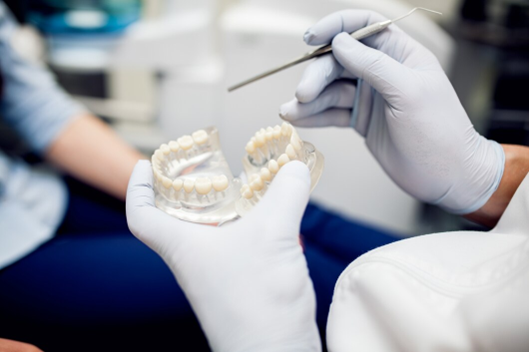
- What are dental implants and who are they suitable for?
A dental implant is a titanium post that is surgically embedded into the jawbone to replace a lost natural tooth root. They are suitable for individuals with healthy oral and gum conditions, sufficient jawbone density, and no underlying health issues that could affect healing. However, a dentist will assess each individual's suitability, as health factors and physical characteristics can vary.
- What is the procedure for getting dental implants?
The dental implant process involves several steps and typically takes about 3-6 months. It begins with an evaluation and treatment planning, followed by the surgical placement of the implant. After that, a healing period of about 2-4 months is required for the bone to integrate with the implant (osseointegration), after which a permanent crown is placed. The duration may vary depending on several factors, such as bone quality and post-operative care.
- Is getting dental implants painful?
The dental implant surgery is performed under local anesthesia, so there is no pain during the procedure. After the anesthesia wears off, some swelling and discomfort may occur in the first 3-7 days, which is normal for surgical healing. However, the dentist will prescribe pain relief and antibiotics to manage symptoms and prevent infection. Additionally, strictly following post-operative care instructions will help reduce the risk of complications.
- How should dental implants be cared for?
Dental implants require care similar to that of natural teeth. Regular brushing, flossing, and using interdental cleaning devices are essential, along with visiting the dentist for oral health check-ups at least twice a year. It is also important to avoid risky behaviors such as smoking, biting hard objects, or misusing teeth, as these can affect the long-term success of the implants.
- How long do dental implants last?
With proper and consistent care, dental implants can last over 20 years or even a lifetime. However, their longevity depends on various factors, including overall oral health, hygiene habits, and usage behavior. Therefore, following the dentist's recommendations and maintaining regular care is crucial.
Conclusion
Dental implants are a highly effective treatment for replacing lost teeth. Although they can be relatively expensive, their durability and functionality similar to natural teeth make them a worthwhile long-term investment. However, the decision to get dental implants should involve consultation with a qualified dentist to assess suitability and plan appropriate treatment for each individual. Additionally, proper and consistent care will help ensure the longevity of the implants and satisfactory results.