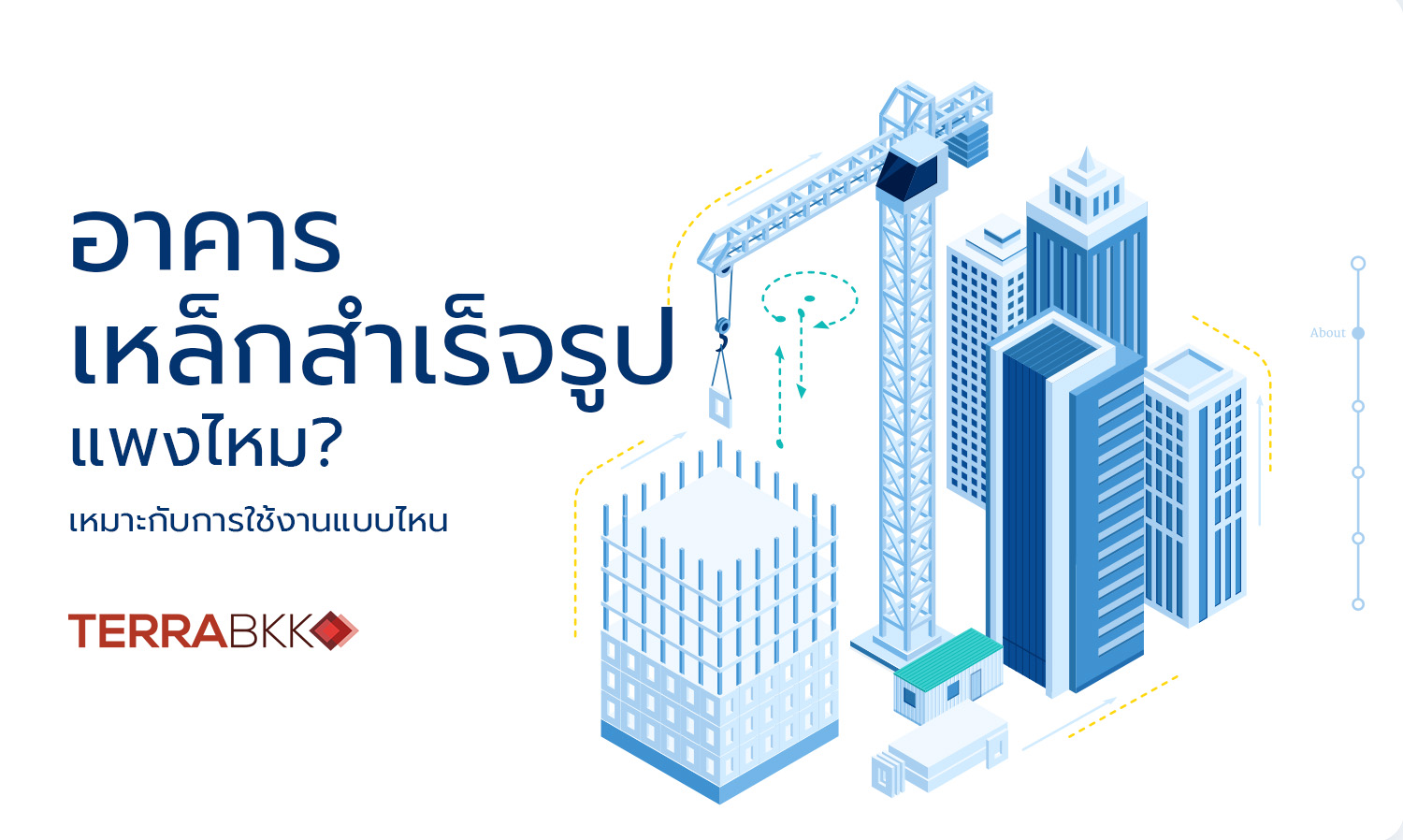
Are Prefabricated Steel Buildings Expensive? What Are They Suitable For?
Prefabricated steel buildings are a modern construction innovation that has been steadily gaining popularity. With their contemporary design, standardized production of components, and quick installation, they present an attractive option for entrepreneurs seeking strong, time-efficient, and cost-effective buildings.
Cost and Value
Many may wonder if prefabricated steel buildings are expensive. The answer is that the initial cost may be higher than traditional construction methods, but when considering the long term, they prove to be more cost-effective. They require less construction time, reduce labor costs, and have lower maintenance expenses. Additionally, they can save on design costs as there are standard models available to choose from.
Features and Advantages
Prefabricated steel buildings are strong and durable, capable of bearing significant weight and effectively resisting wind forces. They are resistant to corrosion and weather conditions, have a long lifespan, and can easily adapt to changes in usable space. Importantly, they can be dismantled and relocated to new sites.
Suitability for Use
Prefabricated steel buildings are suitable for a variety of businesses, such as industrial factories, warehouses, showrooms, distribution centers, and parking garages. With their wide open spaces free of central columns, they maximize usable area and allow for convenient installation of electrical systems, ventilation, and other equipment.
Construction Time
A significant advantage of prefabricated steel buildings is their rapid construction. Components are manufactured in a factory and assembled on-site, allowing for a construction time of only 1-2 months, compared to traditional construction which may take 6 months to a year. This enables businesses to start operations sooner.
Standards and Safety
Prefabricated steel buildings are produced under industrial standards, with structural calculations performed by engineers and certified for safety, fire resistance, and earthquake resistance. Modern production systems help ensure consistent quality standards.
Maintenance
Maintaining prefabricated steel buildings is straightforward; they do not require frequent painting due to rust-resistant coatings. Regular cleaning and inspection of joints as scheduled help save long-term costs. If extensions or repairs are needed, they can be done without affecting the main structure.
Flexibility in Use
They can be adapted for various uses as needed, such as adding mezzanines, installing crane systems, or expanding usable space later on. This flexibility makes them suitable for businesses with plans for future expansion without needing to recalculate loads or weight-bearing capacities.
Prefabricated steel buildings are a worthwhile choice for entrepreneurs seeking strong, quickly constructed, and flexible buildings. Although they have a higher initial cost, the advantages of rapid construction, easy maintenance, and long lifespan make them a valuable long-term investment, ideal for businesses that require quick operational startup and have future growth plans.