Design Trends for 2025
In 2025, design trends will be a harmonious blend of sustainability, cutting-edge technology, shared experiences, and eco-friendly materials. According to the Design Forecast report from Gensler, the design trends for 2025 are as follows:
- Mixed-Use Lifestyle Reignite Cities - Mixed-use projects will continue to be a trend for future development. In mixed-use projects, we should not only consider the combination of residential, office, and retail spaces but also the integration of lifestyles. Especially at the urban level, there should be areas that combine activities, entertainment, sports, shops, hotels, and residences to create a shared experience for both residents and visitors. For example, having a music and art plaza in a shopping district. Key considerations in designing such spaces include safety and ease of transportation.
- Sustainable Demand Supercharges Innovation – The awareness of global warming and climate change will keep sustainability as a trend in 2025. Building designs must consider various factors related to sustainability, such as energy-efficient designs, disaster resilience, waste and carbon reduction, and the use of low-carbon materials within buildings, including carbon-free cement. With the requirements and demands for sustainability, we will see many new innovations emerge.
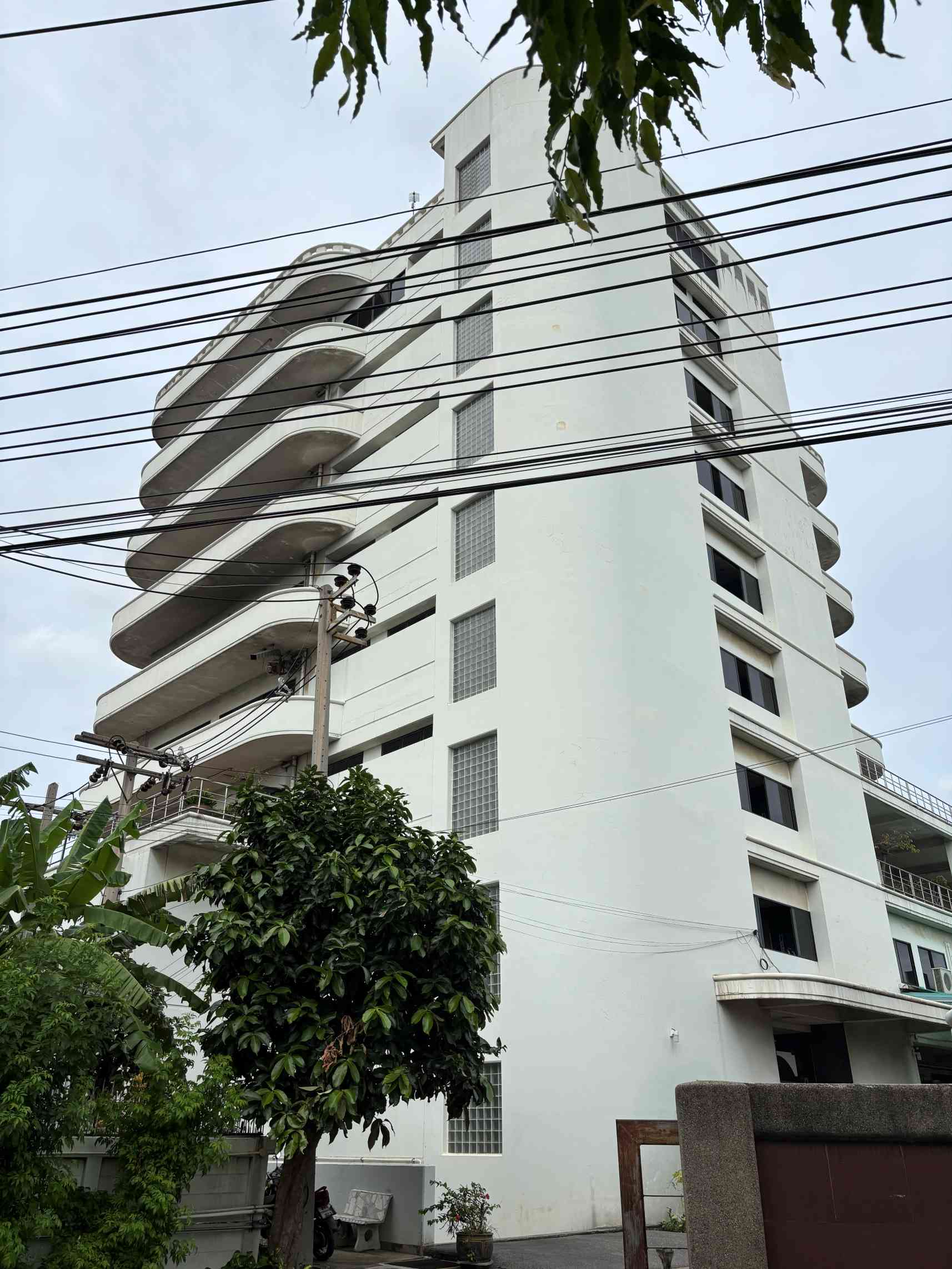
- Adaptive Reuse Booming - Last year, we witnessed the emergence of many new offices, leading to a decrease in the value of older office buildings. This has made the trend of adaptive reuse more prominent and increasingly common, especially abroad, where we see office buildings being converted into residences. It is anticipated that the investment costs for adaptive reuse will decrease, prompting developers to explore other forms of adaptive reuse, such as converting malls into sports arenas or offices into research labs or senior living facilities.
- Attainable Housing - Last year, housing prices worldwide increased, making it difficult for many people to access housing. It is expected that in 2025, various countries will implement measures and assistance to enhance access to housing opportunities.
- Workplace of the Future - Workplaces and offices will continue to accommodate new working styles, with designs focusing primarily on employee well-being. This includes creating work environments that align with employee inspiration and providing relaxation spaces.
It is evident that many design trends in 2025 are continuations from previous years. Some trends may still be relatively new, but in design, we do not rely on a single approach; rather, we integrate multiple approaches to achieve the best results. For instance, sustainability is a core trend in all aspects, not just in design but also in daily life and consumption, such as waste separation and reducing plastic use. Thus, integrating sustainability into various aspects is crucial, as it has become a part of daily life.
Regarding adaptive reuse, most projects abroad involve transforming buildings into residences. For example, Arcade Providence in the United States has converted an old shopping mall into housing, while Gasometers in Austria have transformed gas tanks into residences, which include apartments, offices, and shops, making this project not just a residential development but also a mixed-use district that preserves old buildings.
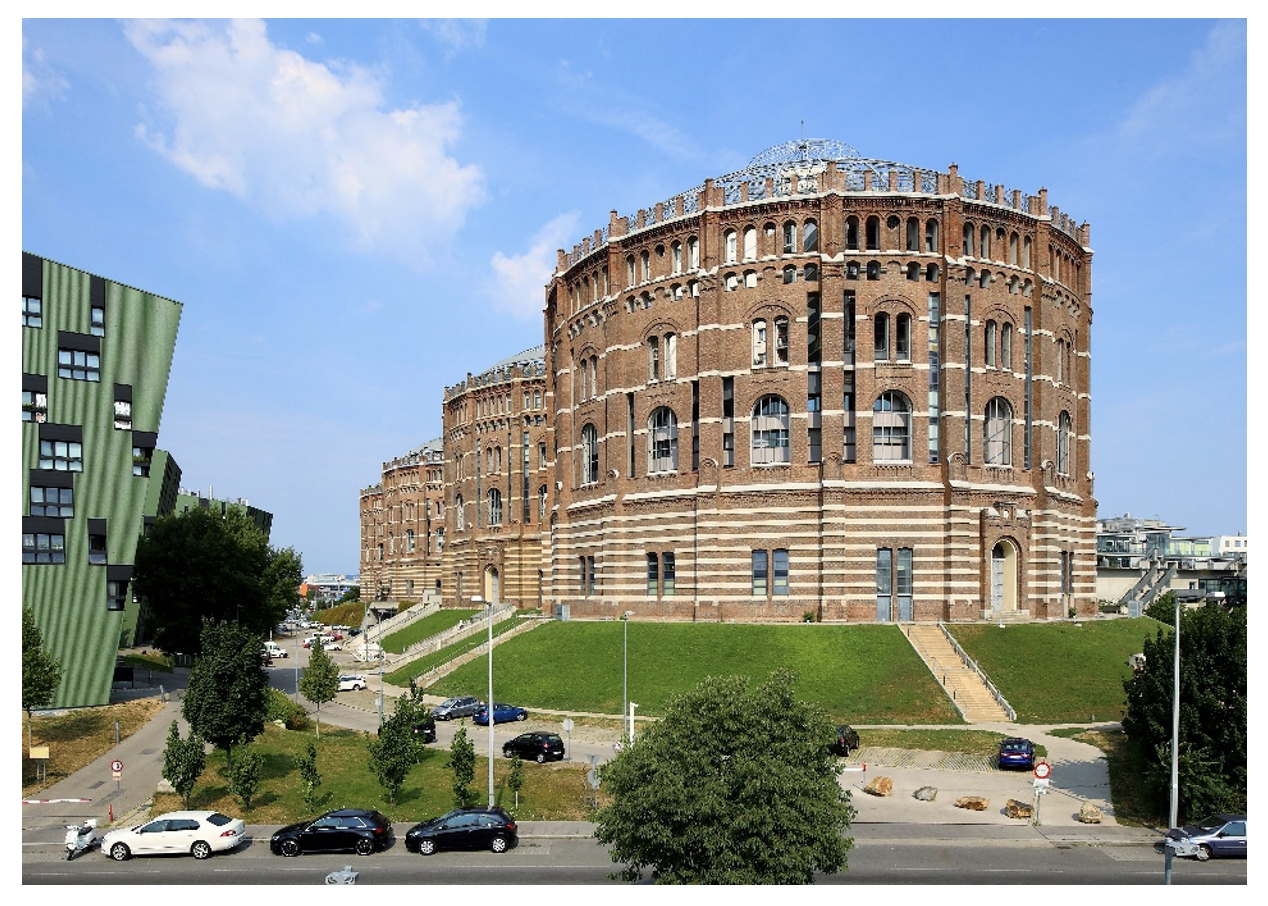
Image of Gasometers in Austria, which transformed old gas tanks into residences. Source: Wikipedia
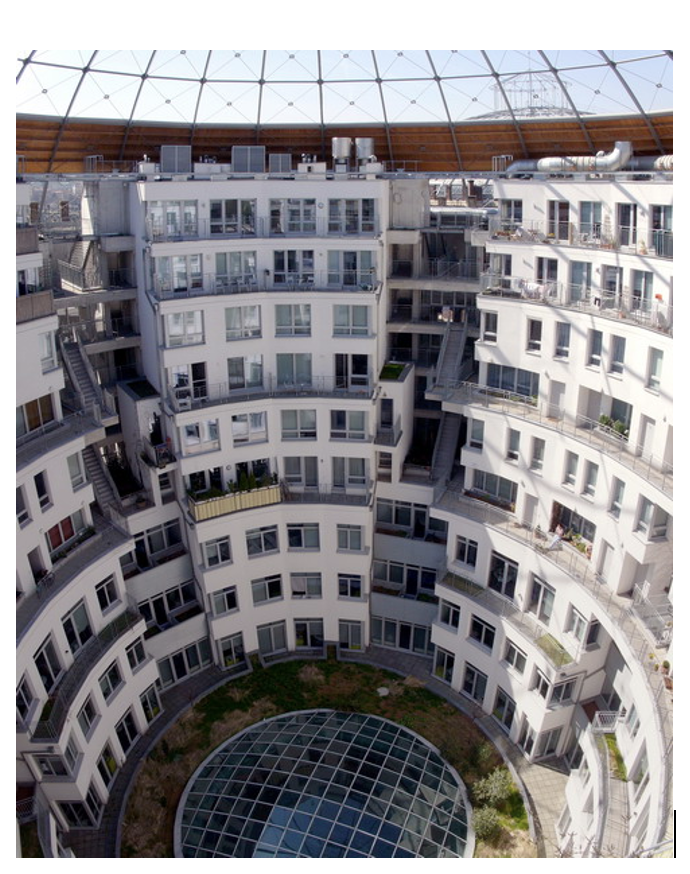
Image inside the Gasometers in Austria. Source: Wikipedia
Other trends, such as attainable housing, depend on the approaches of each city and country in implementing measures to increase access to housing. Many cities are applying the concept of adaptive reuse in developing attainable housing, such as the DADA District in Brno, Czech Republic, which has transformed an industrial building into affordable housing through shared funding. Similarly, many cities in the United States offer incentives to renovate old buildings into residences.
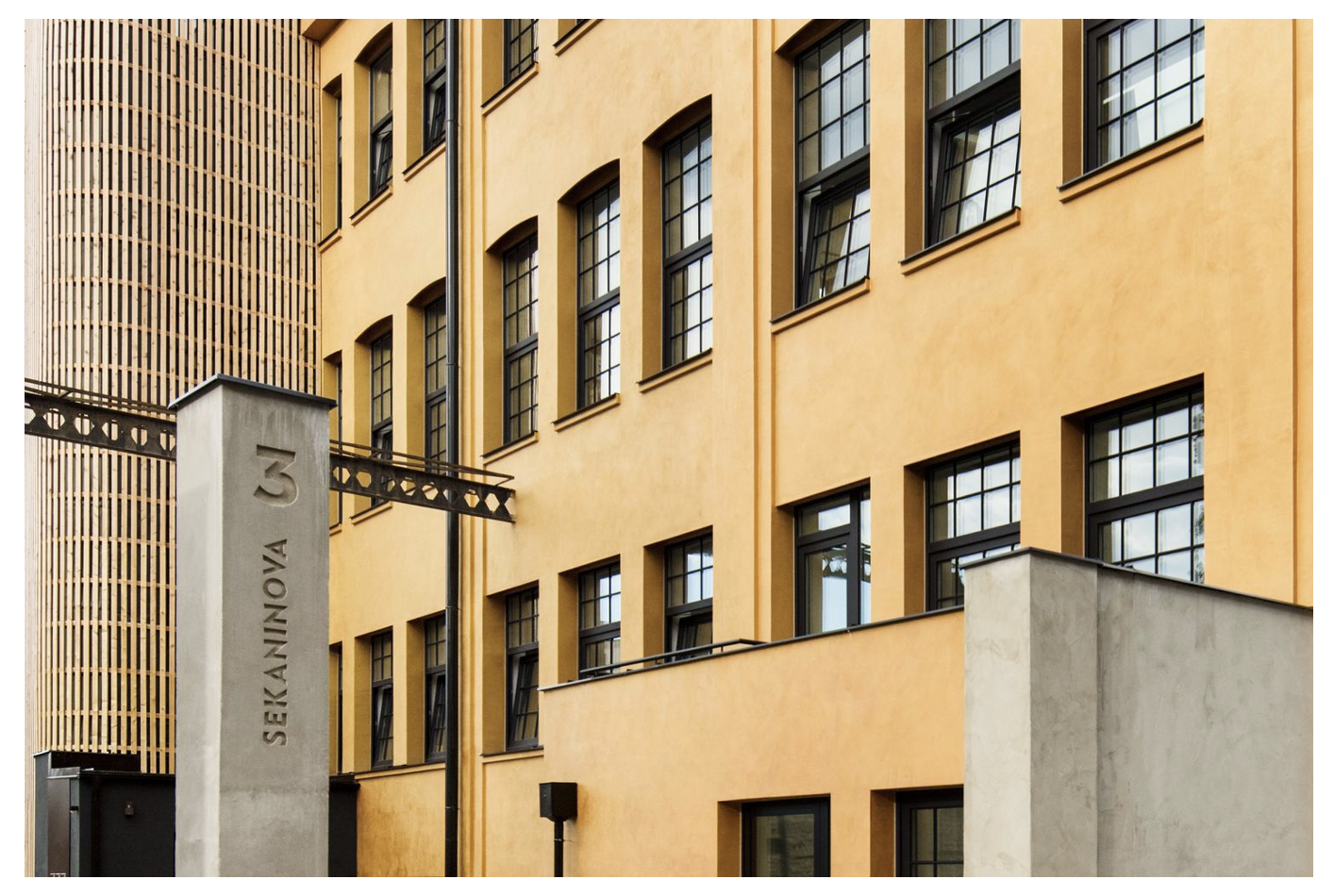
Image of DADA District in the Czech Republic, which transformed a factory into housing. Source: KOGAA.eu; Kubicek Studio; https://www.kogaa.eu/projects/dada-distrikt-sustainable-residential-complex
The integration of various trends has led to the creation of numerous innovations, whether in buildings, products, or other innovations. Certainly, design trends are not limited to these; there are many other trends that can be adapted, created, and integrated. It is certain that we will see more distinctive and unique places emerging in the future.