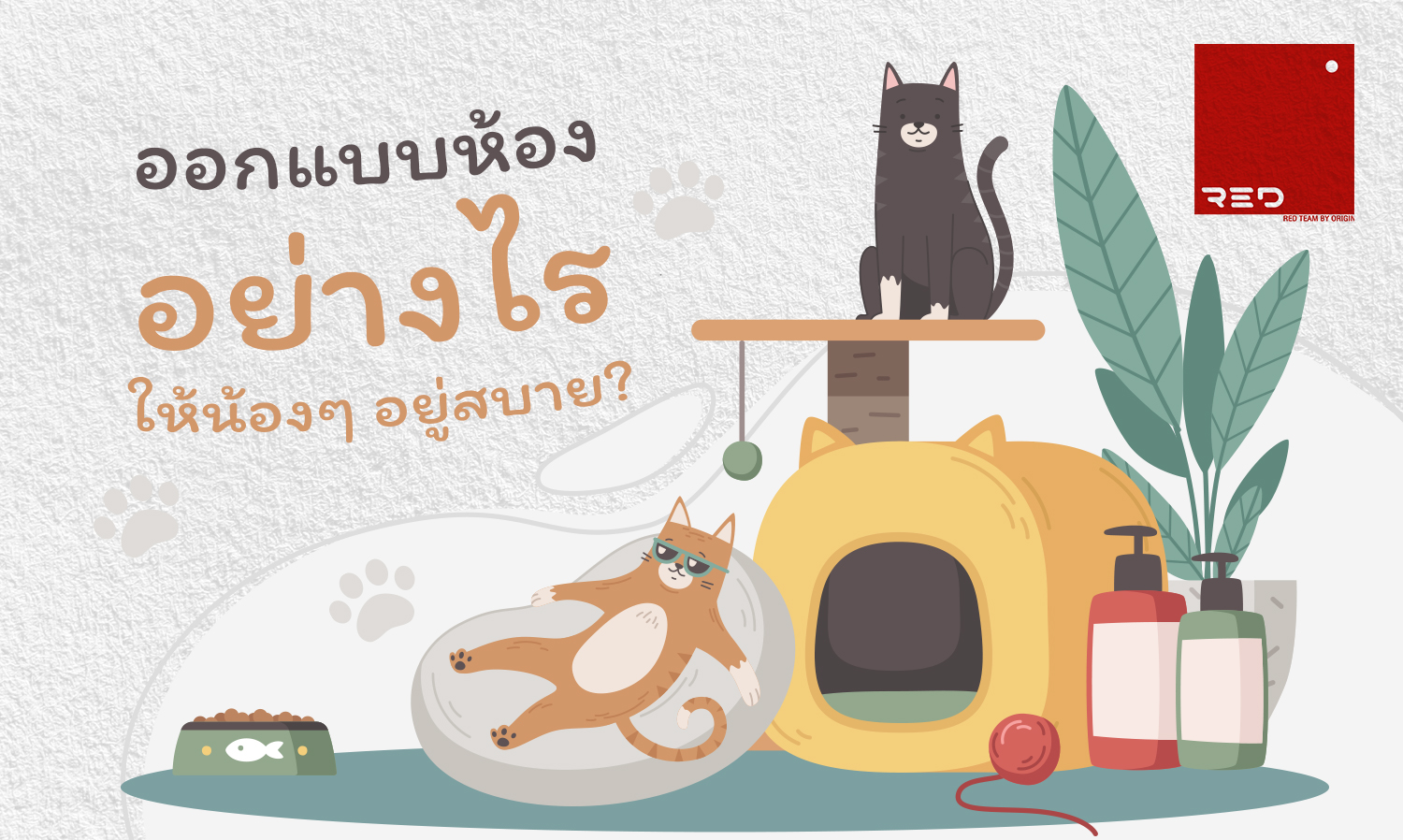
How to Design a Room for Your Pets' Comfort?
Understanding the living needs of pets through their behaviors and appropriate design.<\/span> In our first article, we discussed the behaviors and characteristics of dogs and cats. In this article, we will explore what constitutes a suitable living environment for pets.<\/strong><\/span><\/p>
Dogs and cats also need comfortable living spaces just like we do, but they cannot express their needs verbally. Therefore, the living environment should be designed to accommodate their behaviors and physical characteristics.<\/span><\/p>
What makes good materials? <\/strong><\/span><\/span><\/p>
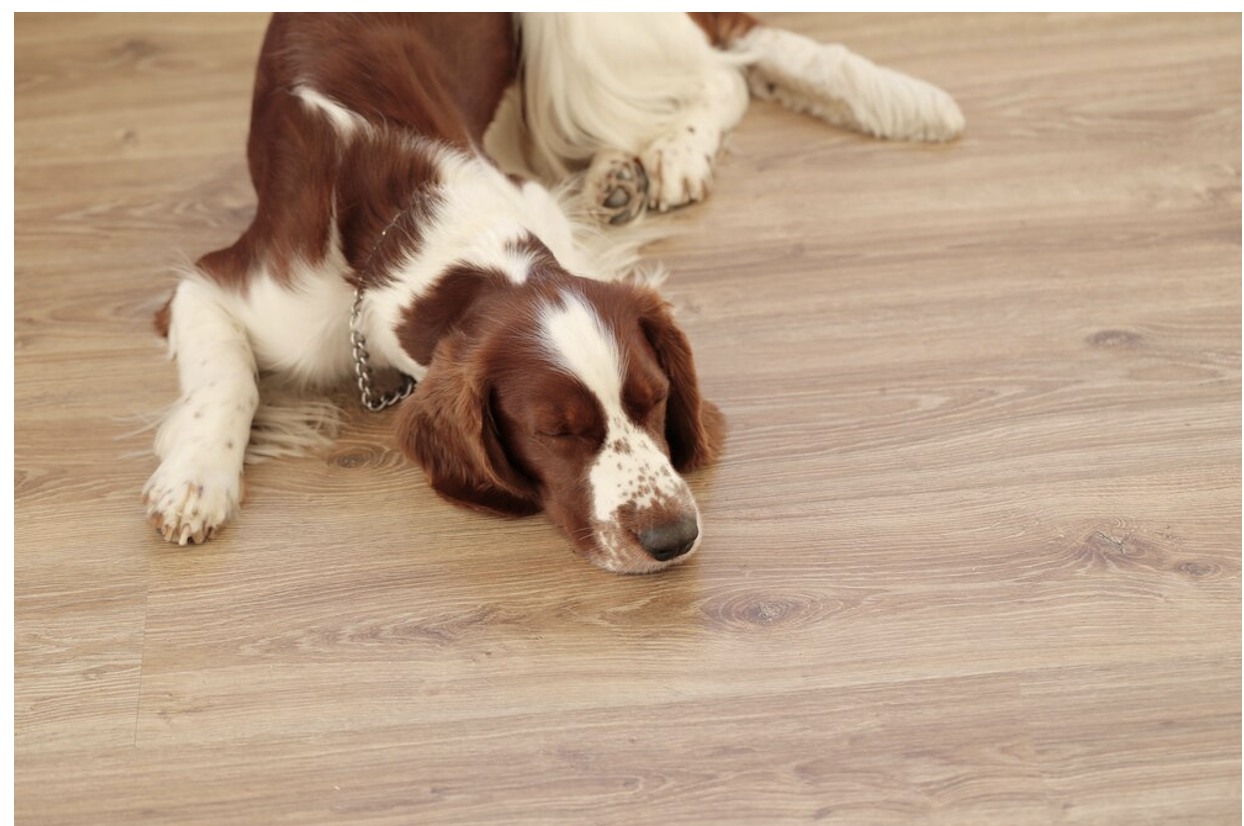
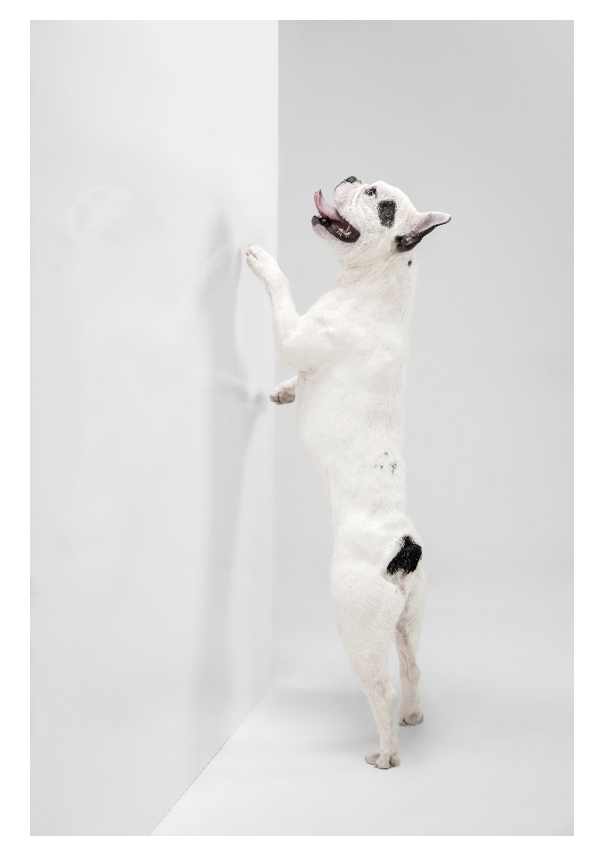
Based on pet behavior, dogs and cats are playful animals that love to play all the time. Therefore, the area suitable for running should be non-slip and soft.<\/strong> Slippery surfaces can cause pets to exert more muscle to stabilize themselves, which may lead to long-term health issues. Thus, soft and non-slip materials will allow pets to run and play comfortably without harming their joints.<\/span><\/p>
Examples of suitable areas for pets:<\/strong><\/span><\/span><\/p>
SPC Tiles<\/span> or Stone Plastic Composite, made from PVC plastic, are flexible, durable, termite-resistant, and waterproof.<\/span><\/p>
<\/li>
Non-slip flooring<\/span> <\/strong>has a slip resistance rating similar to SPC flooring, with a thin foam layer that absorbs impact and is waterproof, making it ideal for dogs and cats to walk and run on.<\/span><\/p>
<\/li>
Rubber Tiles (Vinyl Tiles)<\/strong><\/span> are slip-resistant and flexible, helping to reduce impact and protect joints while providing a cool feeling.<\/span><\/p>
<\/li>
Non-slip flooring reduces impact and supports pets' joints.<\/span><\/p>
Walls are also important.<\/strong><\/span><\/span><\/p>
Since dogs often communicate their needs through barking, which is a normal behavior but can be annoying to owners or neighbors, walls should be designed with Double Wall construction or made thicker <\/strong>to prevent noise disturbance to neighbors.<\/span><\/p>
Soundproof walls.<\/span><\/p>
<\/p>
What should the color and wall finish materials be like? <\/strong><\/span><\/span><\/p>
The smell of paint can be strong and harmful to pets, as dogs and cats may lick or inhale it, potentially damaging their nasal cells. Therefore, wall paint or materials should not contain lead, mercury (Low VOCs), and should be odorless and safe for both humans and pets. Another good feature is water resistance, easy cleaning, and maintenance.<\/span><\/p>
Pet-safe finishing materials.<\/span><\/p>
Furniture materials should be chosen carefully as well.<\/strong><\/span><\/span><\/p>
Furniture is easily accessible to pets, and their behaviors such as chewing and scratching can easily damage unsuitable materials. Therefore, furniture materials should be durable and easy to clean.<\/strong><\/span><\/p>
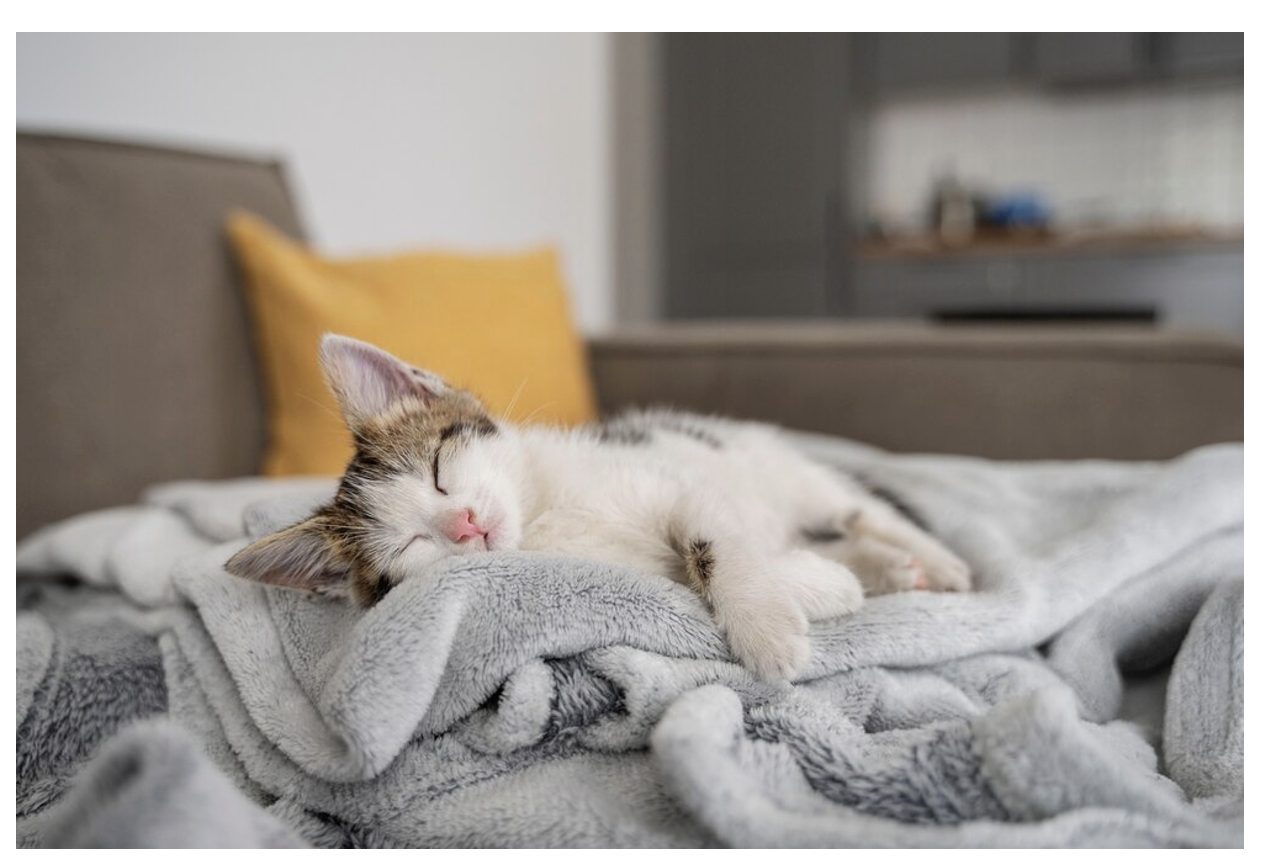
Furniture made from special fabrics that do not collect dust and are easy to clean. PET FRIENDLY fabric should have tight weaving, scratch resistance, and be easy to clean and remove pet hair, coated with a special waterproof treatment to inhibit bacterial growth for the pets' health.<\/span><\/p>
<\/li>
Choosing metal materials makes cleaning easy and is resistant to chewing, scratching, and scuffing.<\/span><\/p>
<\/li>
Furniture made from special fabrics.<\/span><\/span><\/p>
Attention to design details for pets is essential.<\/strong><\/span><\/span><\/p>
In addition to materials, we should pay attention to design details that accommodate pets' behaviors in every aspect.<\/span><\/p>
Round off sharp corners of walls and other elements <\/strong>to reduce the risk of injury to pets while playing or running.<\/span><\/p>
Pet-friendly stairs <\/strong><\/span> should have solid risers and treads to prevent falls or getting stuck between stair gaps. Risers should be about 10–15 cm high, and treads should be 20–25 cm wide, with non-slip materials.<\/span><\/p>
Electric stoves <\/strong>should have safety features to prevent pets from accidentally turning them on or off, possibly by using stoves designed with safety in mind or creating barriers to keep pets out when owners are not home.<\/span><\/p>
Electrical outlets and cords <\/strong>should have protective covers and organized storage to prevent pets from accessing them. There should be enough outlets for pet devices to avoid using extension cords.<\/span><\/p>
Narrow gaps <\/strong>should be minimized to prevent pets from getting stuck, such as in built-in furniture.<\/span><\/p>
Balconies and railings <\/strong>should have a maximum gap of 5 cm between the railing bars to prevent pets from squeezing through.<\/span><\/p>
Ventilation and humidity control systems <\/strong><\/span><\/span><\/p>
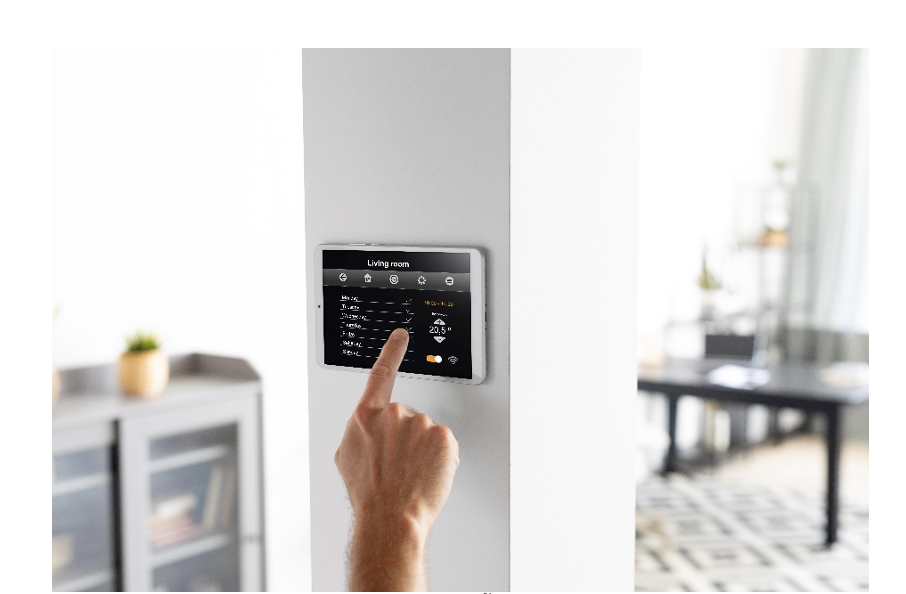
Both owners and pets need good air quality. The living space for pets should have sufficient natural ventilation to help reduce odor accumulation, dampness, and mold. The comfortable temperature range for dogs and cats is between 20–29 °C and relative humidity of 30–70% RH.<\/span><\/p>
Optimal temperature and humidity.<\/span><\/span><\/p>
Designing common areas for dogs and cats.<\/strong><\/span><\/span><\/p>
Exercise is essential for dogs, just like for humans, regardless of breed, size, or age. Dogs need regular exercise to maintain their health and improve their mental well-being.<\/span><\/p>
What should a common area for dogs look like? <\/strong><\/span><\/span><\/p>
Dog Courtyard<\/strong> is an open area for dogs that promotes their health through exercise and allows them to enjoy the garden with their owners.<\/span><\/p>
Double Gate<\/strong><\/span><\/span><\/p>
This prevents pets from escaping the garden. If they get out of the first gate, the second gate will keep them from running into the street, enhancing safety and peace of mind for owners.<\/span><\/p>
Water stations for dogs<\/strong> are essential for their health. Dogs should have sufficient water intake; inadequate hydration can lead to health issues. The amount of water needed depends on age and weight, with a general recommendation of 30–50 ml of water per kg of body weight per day.<\/span><\/p>
What about common areas for cats? <\/strong><\/span><\/span><\/p>
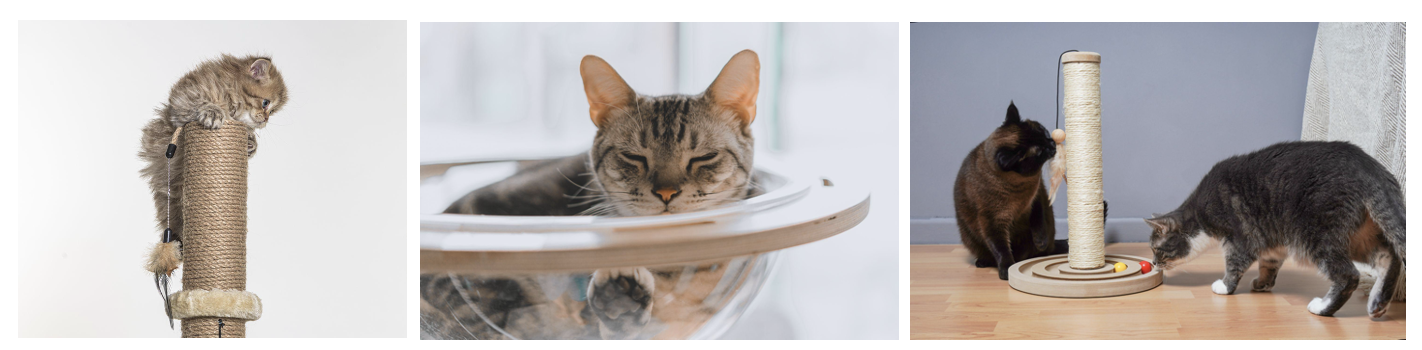
Cats also need exercise space. Research shows that cats are solitary animals and often cannot play with other cats due to potential conflicts. Therefore, suitable areas should include spaces for solo play and climbing, as well as cozy spots for resting and hiding. In addition to solitary areas, there should be social spaces for cats to interact, climb, and be close to their owners.<\/span><\/p>
Cat behaviors.<\/span><\/p>
From our discussion on designing spaces for dogs and cats, pet owners living in condominiums can see that both dogs and cats have special and delicate needs to promote a happy coexistence with their owners and the community. Besides space design, we have many more delicate topics to share with pet owners who want to care for their pets. Stay tuned for the next episode.<\/span><\/p>
Thank you for the images from: Website scghomebuild<\/a><\/span><\/span><\/p>
: Website newegg<\/a><\/span><\/p>
 <\/p>
<\/p>
 <\/p>
<\/p>
 <\/p>
<\/p>
 <\/p>
<\/p>
 <\/p>
<\/p>
 <\/p>
<\/p>
 <\/p>
<\/p>