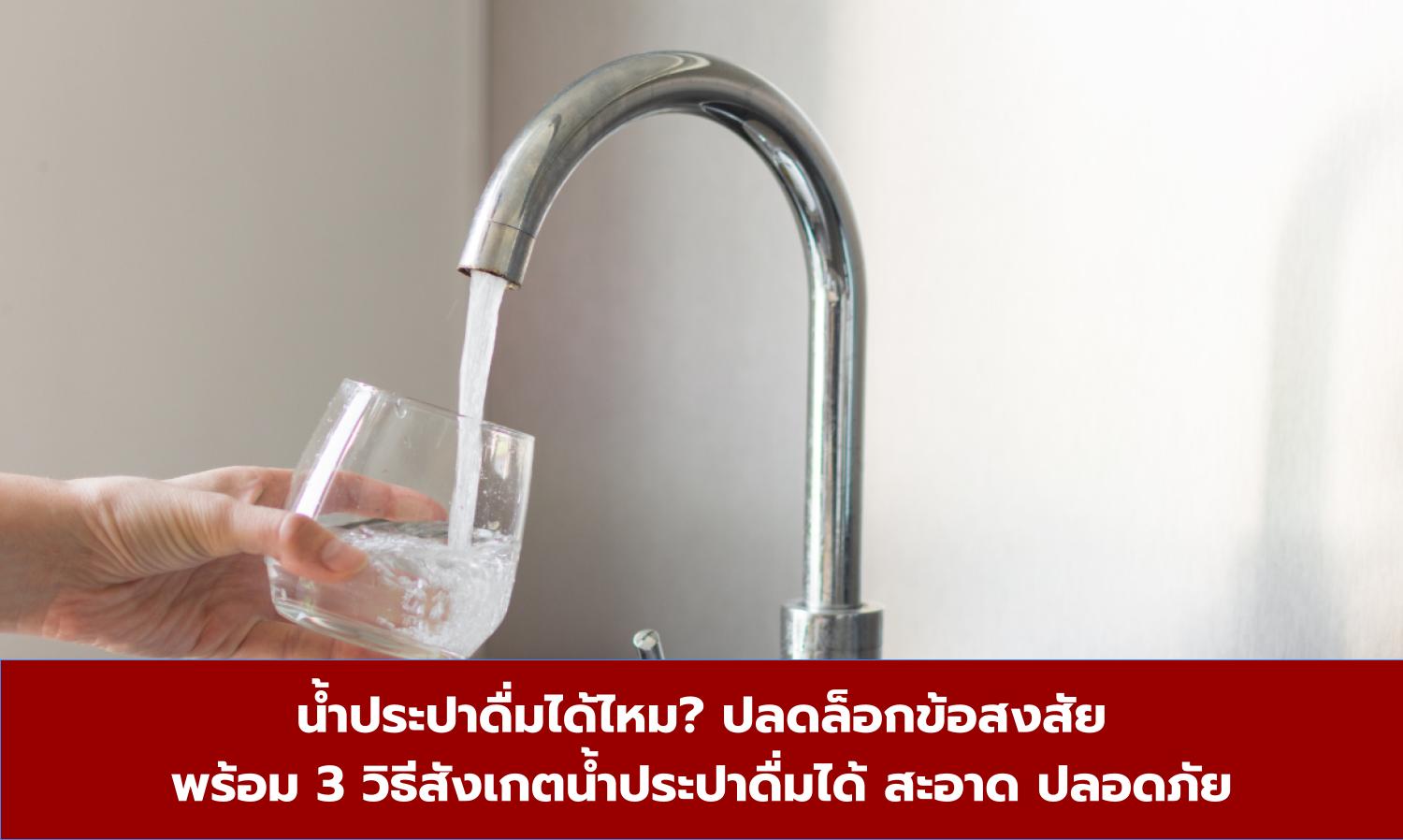
Is Tap Water Safe to Drink? Unlocking the Doubts with 3 Ways to Identify Clean and Safe Tap Water
Tap water is a basic public utility that everyone can access for consumption and use. However, many still wonder, Is tap water safe to drink? Can we really drink it? This concern arises from worries about the source of the water and the processes involved in producing tap water, specifically whether it effectively kills germs and removes various contaminants. Today, we will clarify these doubts about tap water and provide methods to identify whether the tap water in our homes is safe to drink.
Where Does Tap Water Come From?
Tap water is produced from raw water sourced from natural locations, such as surface water or groundwater. Water from nature often contains organic matter, living organisms, minerals, and various chemicals, necessitating a treatment process to ensure the water is clear, clean, and of good quality before it is distributed for consumption. In Thailand, household tap water comes from two main sources: deep groundwater and surface water sources like rivers, canals, dams, reservoirs, and weirs. Each water source has different levels of contamination, and the water authority is responsible for filtering, sedimentation, treatment, and quality control according to international standards before the Provincial Waterworks Authority (PWA) inspects and controls the water quality before delivering clean water to households in each area.
Contaminants in Tap Water
Since tap water is sourced from various natural areas, it may come from urban locations with high pharmaceutical compounds or agricultural and industrial areas where chemicals and pesticides are present. If the water is not treated and filtered according to standards, these substances may remain in the tap water or drinking water, even after boiling. Additionally, bottled water in hard plastic can pose risks of contamination if hot water is poured into it or if the bottle is damaged. Although the contamination may be minimal, accumulating these substances in the body over time can have detrimental health effects, such as chronic inflammation, hormonal disruption, or, in some individuals with genetic predispositions, slow detoxification processes. Therefore, ingesting these substances gradually is not beneficial for health.
The Addition of Chlorine in Tap Water and Concerns About THMs
Typically, chlorine is added to storage tanks and water distribution pipes during the production of tap water to kill germs and contaminants, including organic matter from natural sources. This disinfection process can produce trihalomethanes (THMs) from the reaction between organic substances in raw water and chlorine. THMs are a group of substances that can be carcinogenic, raising the question of whether THMs in tap water are dangerous. However, the World Health Organization has set a maximum allowable level of free residual chlorine in tap water at 0.5 grams, and the United States has established a limit of 80 micrograms of THMs per liter for potable water standards. Therefore, during the production of tap water, the water must undergo quality improvement, filtration, and disinfection processes according to standards, ensuring that the levels of THMs remaining in tap water are low and not a risk for cancer.
Nonetheless, while tap water may be safe to drink and not cause cancer, there are still concerns regarding the transportation of water to households. The pipes used for distributing tap water are made from various materials that may deteriorate over time, causing coatings to wear off. Additionally, areas like water valves or joints may experience friction, leading to the release of material debris and rust into the tap water, which can harbor germs and bacteria. It is advisable to consume or drink water that has passed through a quality water filter rather than directly from the distribution pipes or faucets, as this can help reduce concerns about residual contaminants and impurities entering the body, which could negatively affect health in the long run.
How to Identify Clean, Safe Tap Water
Since the human body is composed of more than 70% water, drinking clean and sufficient water is essential. Here are 3 ways to identify whether tap water is clean and safe to drink:
1. Clear Water Without Sediment
Clean tap water should be clear, without sediment, and free from unusual colors or odors, indicating that it has undergone standard filtration processes. You can be confident that it is clean tap water.
2. Chlorine Smell
If you can smell chlorine, it means that the tap water has undergone disinfection. You may notice a strong chlorine odor, which some people dislike. To reduce the chlorine smell in tap water, let the water sit in a container for a while or filter it again through activated carbon filters, which can significantly reduce the chlorine odor.
3. Regularly Clean Water Filters
For homes or accommodations with water filters, this can provide additional assurance that the tap water has undergone multiple filtration stages, ensuring clean drinking water. However, many overlook the importance of regularly cleaning the water filter and changing the filter cartridges according to the manufacturer's recommended schedule. Neglecting this step can reduce the effectiveness of filtration and increase the accumulation of germs.
Clean water is a fundamental factor that we must prioritize, especially drinking water, which should be filtered and disinfected according to standards. Boiling tap water again to disinfect it can ensure that you have clean and safe water. For those seeking convenience, cost-effectiveness, and increased cleanliness, a popular method is to use a water filter that meets NSF standards and effectively filters contaminants and germs. This way, you will have clean and safe drinking water, reducing the risk of germs from water for the health of yourself and your family, while also helping to reduce plastic waste from purchasing bottled water.