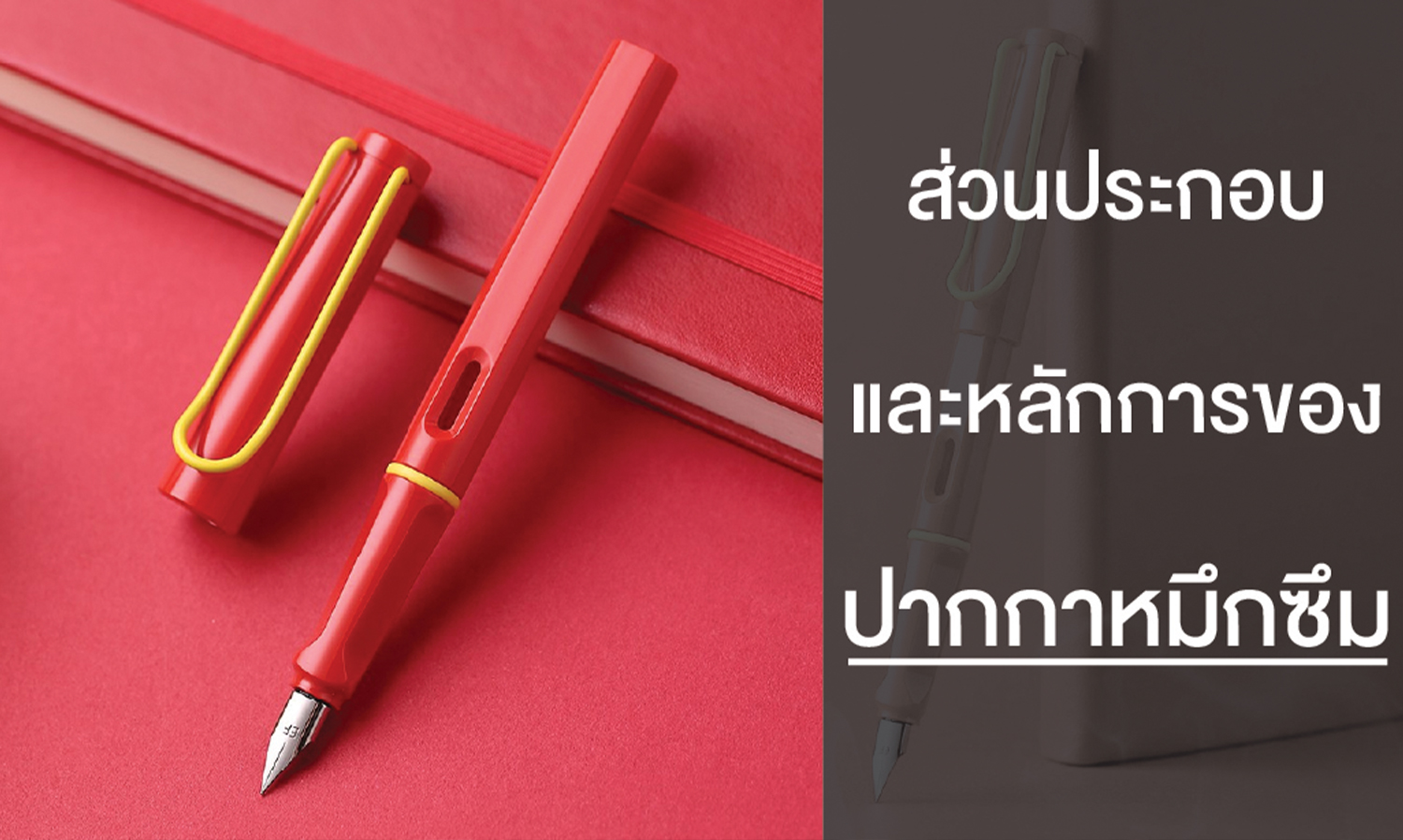
Components and Principles of Fountain Pens
Fountain pens are a type of writing instrument that come in many different styles. Each person has their own preferences and comfort levels when it comes to using pens, and they may even use different types of pens for different tasks. Today, we would like to introduce one particular type of pen: the fountain pen. It is a favorite among many, and for some, using a fountain pen is a delightful experience. Many who enter the world of fountain pens may find themselves using them exclusively, forgetting about other types altogether.
Did you know that this type of writing instrument consists of many components that work together to deliver ink onto paper? Today, we will explore what these components are.
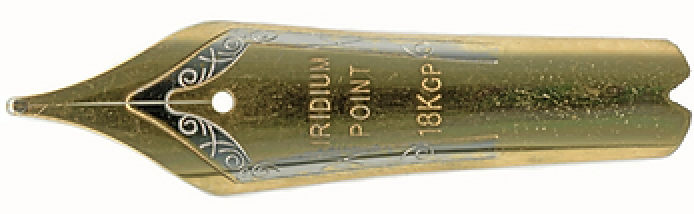
Nib
The first component to get to know is the nib, which is the writing tip of the pen. Typically, this part is made from metal. For high-quality or premium brands, you might find nibs made from 14-karat or even 18-karat gold, or from other hard materials.
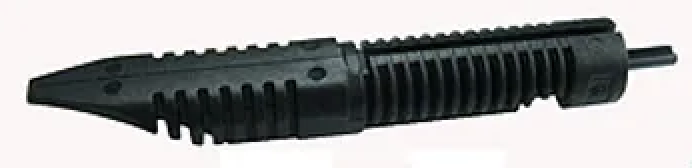
Feed
The next component is the feed, which controls the flow of ink to the nib. This type of feed was first used in 1884 and is usually made from plastic or a material called ebonite.
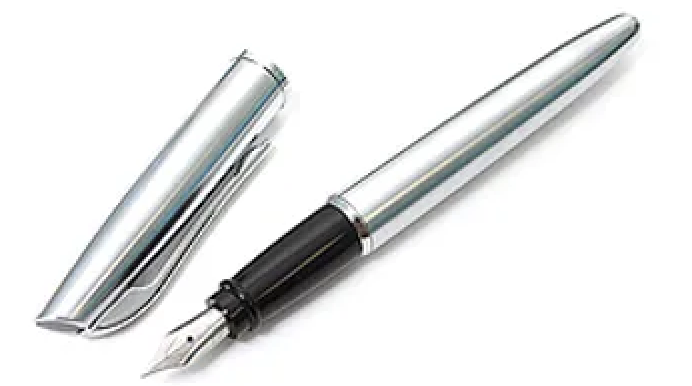
Grip Section
This part is known as the grip section, or simply the grip. It may also be referred to as the section.
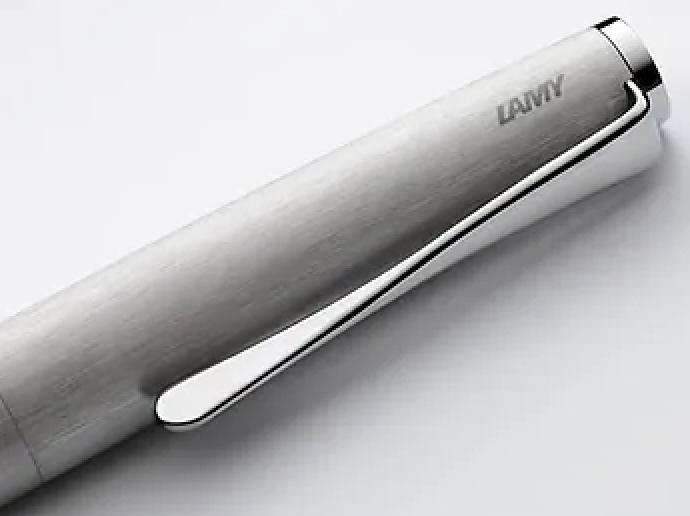
Barrel
This is the barrel, which holds the ink inside. The barrel can be made from a variety of materials, including plastic, metal, wood, or even gold for more expensive models. High-end pens may feature intricate engravings to enhance their appearance and value.
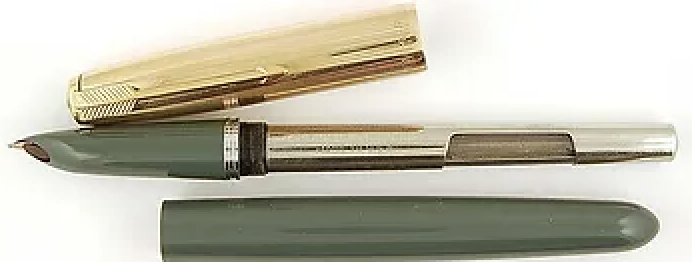
Cartridge
This component is the ink cartridge, which is a disposable tube used to hold ink. The convenience of cartridges allows for easy portability and mess-free ink changes. However, it's worth noting that cartridges tend to be more expensive than refillable ink. Many modern fountain pens are designed to accommodate both cartridges and converter systems for refilling ink.
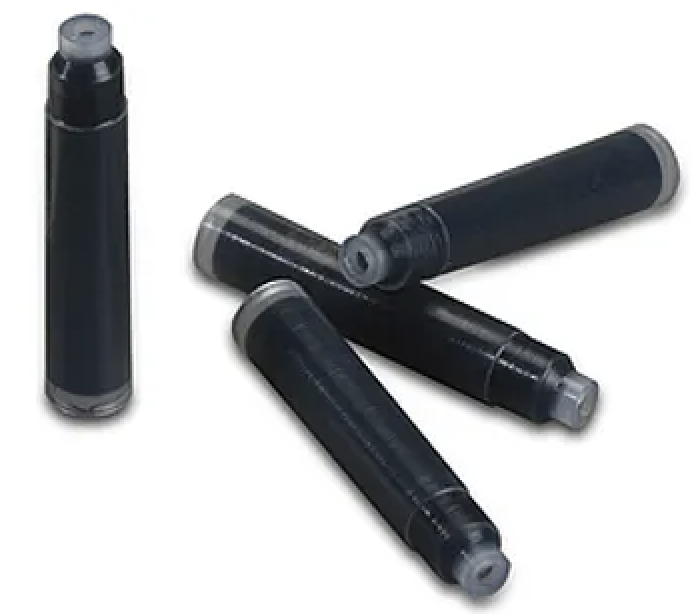
Converter
This is the converter, which is used to draw ink from a bottle. Newer writing instruments often allow for the converter to be removed and replaced with a cartridge. Each brand typically designs their cartridges and converters to be incompatible with one another, although some brands specify that their products are compatible with International Cartridges or International Converters.

Cap
This part is the cap, which protects the nib from damage and prevents ink from leaking out. It also helps to keep the nib from drying out too quickly, which could affect its usability.
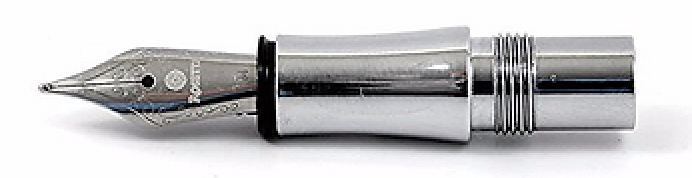
Clip
The final component is the clip, which allows the pen to be attached to a pocket or bag. This invention was first created in 1904 to make it easier for people to carry their writing instruments.
Thank you for the informative content from https://pen-perfect.com