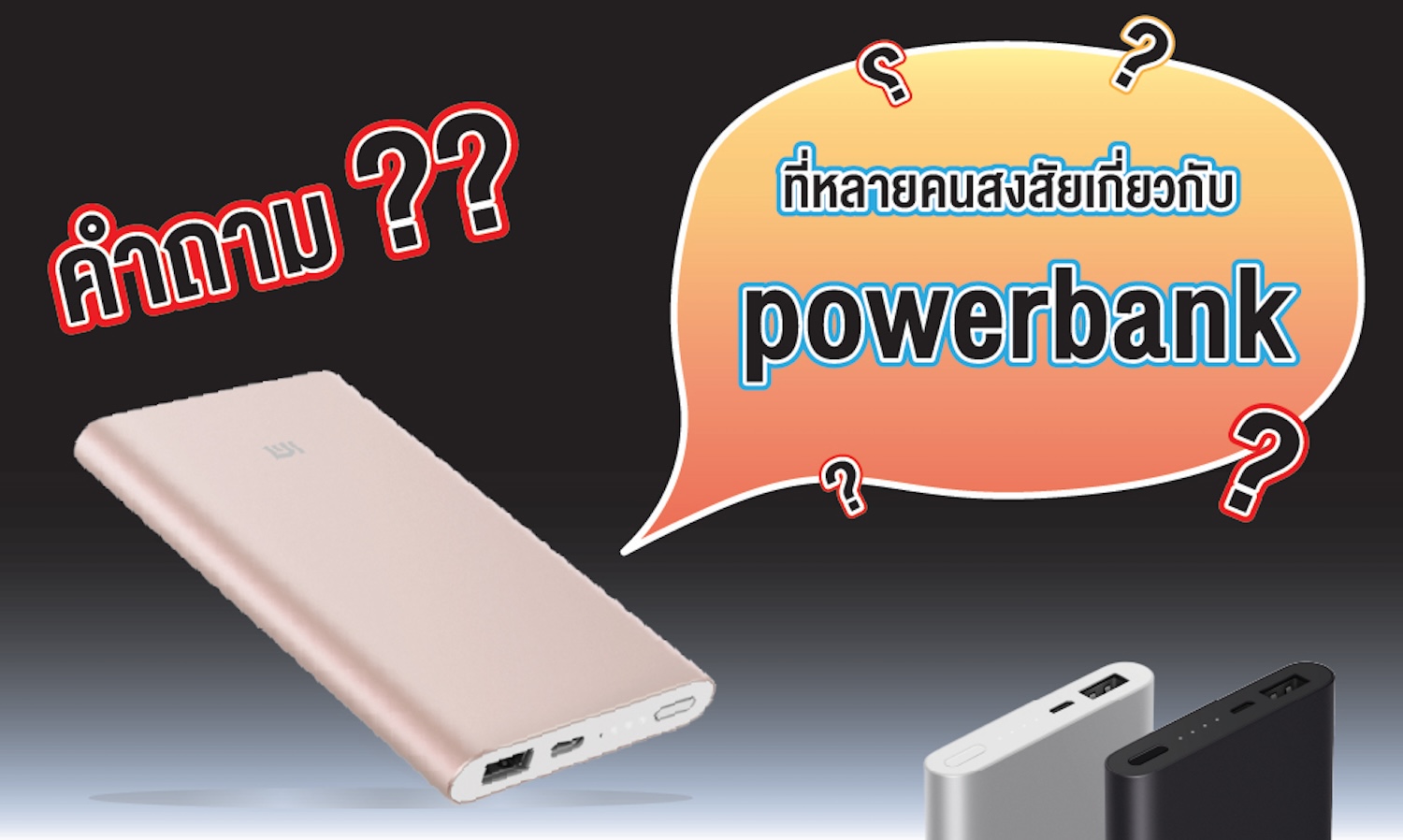
Common Questions About Power Banks
We are likely familiar with power banks, or portable chargers, which are essential devices that many people carry with them everywhere. This is because power banks can be used in a variety of ways, not just for charging smartphones. We can use power banks to charge or serve as backups for many different electronic devices. They can be used for tablets, laptops, digital cameras, and many other unexpected gadgets.
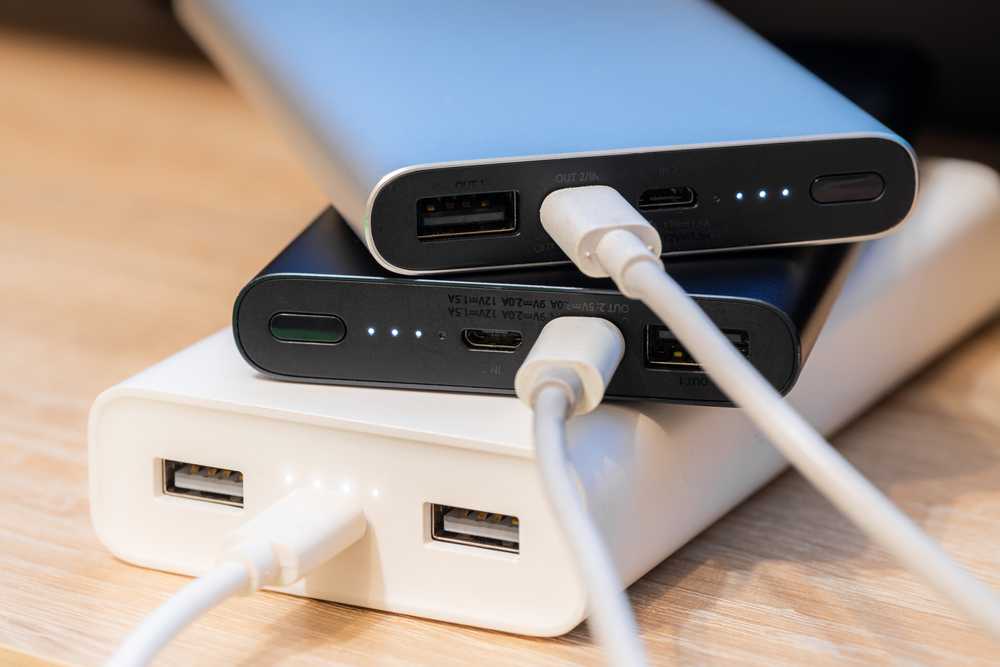
Although many people are already familiar with power banks, today we will present some interesting information about this important device, addressing common questions that many have regarding portable chargers. This will help those who are looking to purchase or choose one that best suits their needs.
What is a Power Bank?
A power bank, also known as a portable charger, is a battery designed to have a much larger capacity than standard batteries. This is intended for use as a backup power source to charge various electronic devices. The materials used in their construction are dense to ensure portability and safety. When the battery in our power bank runs out, we can recharge it using a household power source through the input USB port and charge our devices by connecting them to the output USB port.
What Capacity Should We Choose?
When considering what capacity power bank to buy, the first step is to check the specifications of our electronic devices. The battery capacity of most devices is measured in milliamp-hours (mAh). The most important factor when purchasing a power bank is to consider the battery capacity of the device we intend to charge. For example, if our smartphone has a battery capacity of 1,560 mAh, we should choose a power bank with a capacity of 2-3 times that amount to ensure we can charge it 2-3 times.
If someone needs a power bank with a higher capacity, they can certainly opt for one. However, choosing the right size is more cost-effective. The higher the battery capacity of the power bank, the more expensive it will be. But if you need to charge multiple electronic devices, you might want to look for a power bank with a larger capacity, provided your budget allows for it.
Discharge Rate of Power Banks
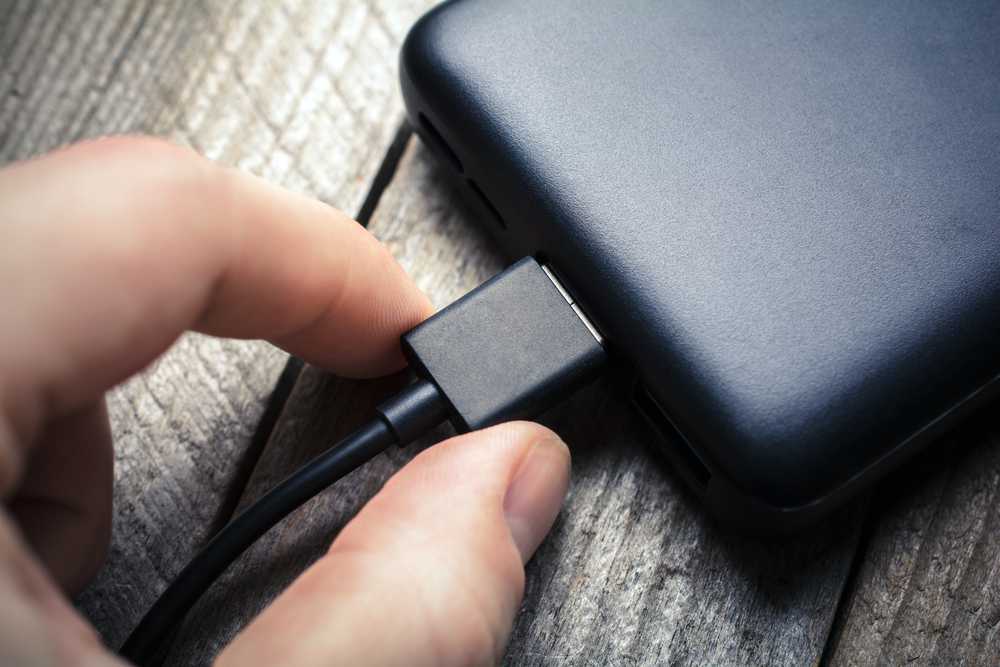
This is another important aspect to consider. When we fully charge our power bank and then unplug it, the moment we stop charging, the power bank will begin to discharge the stored energy gradually. This is a normal process and not a defect in the power bank. However, if you choose a low-quality power bank, the discharge rate can be very high, which ultimately means it won't hold a charge effectively or be usable when needed. Additionally, using a low-quality power bank can lead to safety hazards, such as explosions or damage.
Thank you for the information from https://powerbank-perfect.com/, a source of knowledge about power banks that you should know.