
The Evolution of Flash Drives: What Did We Use Before?
As many of you may already know, flash drives are incredibly useful devices in our daily lives, especially in the realms of work and education. Humans rely heavily on technology for both professional and academic purposes, and to meet our needs as effectively as possible, we utilize technology not only for work but also for convenience and various other activities. Thus, technology has become an indispensable factor for humans in the modern era.
Flash drives are considered a significant type of technology that plays an important role in many aspects. Nowadays, there are numerous varieties available for us to use, incorporating new technologies into flash drive devices. The market competition in this area is quite high. However, before we had the flash drives we use today, what did we rely on? The technologies mentioned here eventually evolved and formed into the flash drives we use today. Let's take a look at what they are.
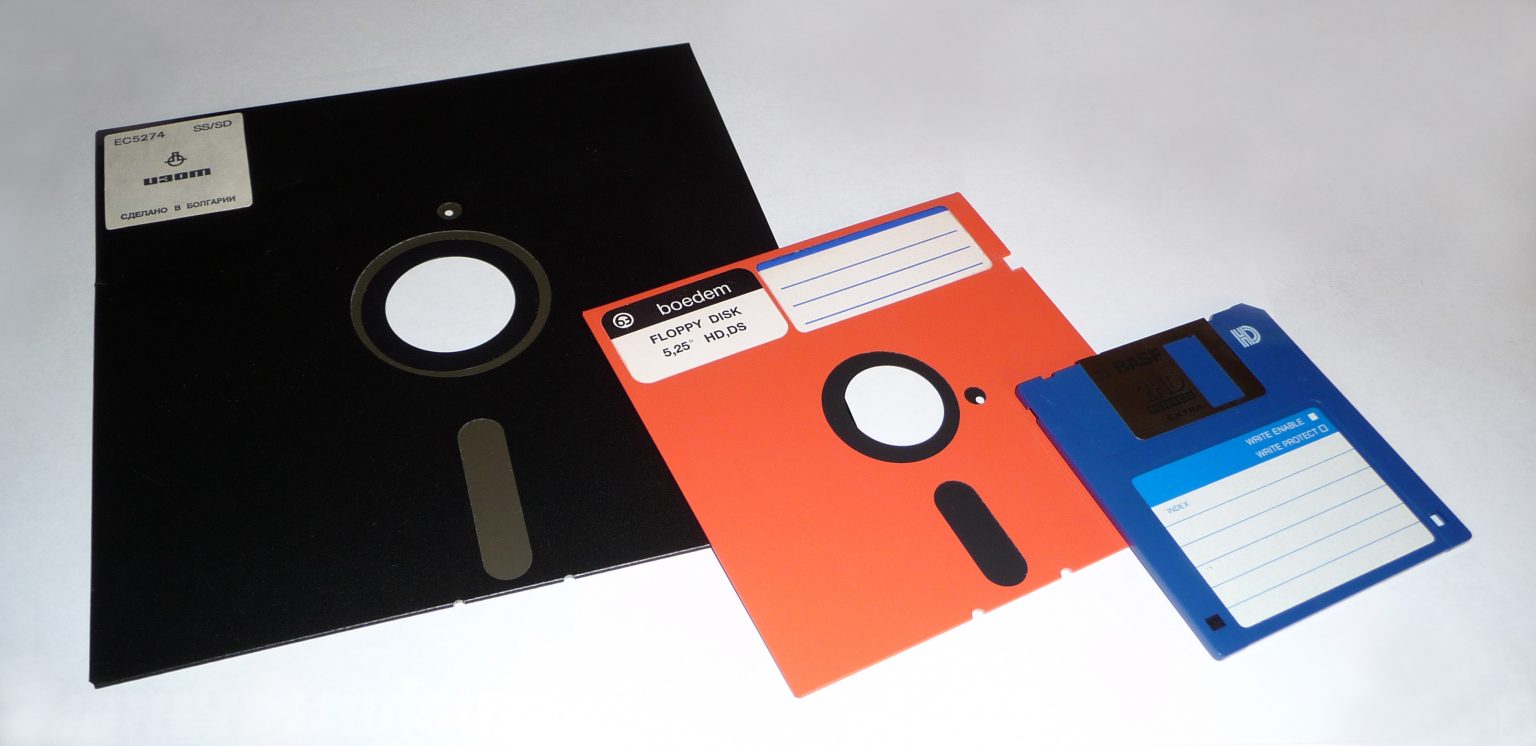
Floppy Disk
 Commonly known as a diskette, the floppy disk was one of the first data storage devices widely used in the past before the advent of modern flash drives. It stored data using magnetic induction, with the magnetic field residing on the disk itself. Typically, it was thin and flexible, encased in a square plastic shell, and could be read and written to by desktop computers through a port known as a Floppy Drive.
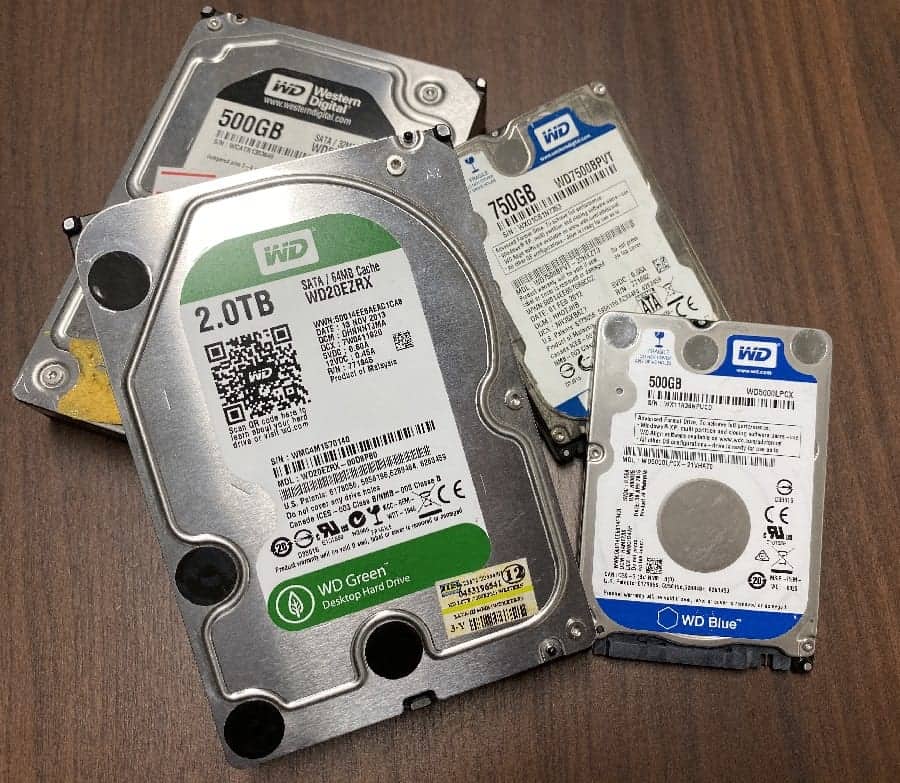
Hard Disk
Many of us are familiar with hard disks, but what exactly are they? A hard disk is a non-volatile data storage device that consists of metal platters coated with magnetic material. During operation, it spins rapidly and connects to a computer via the motherboard through parallel PATA, serial SATA, or small SCSI interfaces. Additionally, it can also be connected externally via USB. Nowadays, portable hard disks are available, making the use of this device even more convenient. The larger the capacity of the hard disk, the more efficient it is for data storage and usage, making it almost contemporaneous with flash drives.

CD-ROM and DVD-ROM
CD-ROMs are optical data storage media that use laser light to read information. Typically made from plastic coated with aluminum, they reflect the laser light emitted. When the laser light bounces back to the reader, it interprets the data and sends it back to the CPU for further processing.
On the other hand, DVD-ROMs are used for storing various types of data, most notably movies. The sound and image quality of DVDs are generally superior. DVDs were developed to replace CDs, using discs of the same size but with slightly different operational characteristics and higher data recording density.
The technologies mentioned above have been developed and evolved into the flash drives we use today. Additionally, there are many other technologies, such as memory cards, that have contributed to this evolution.
Thank you for the information from https://usb-perfect.com/